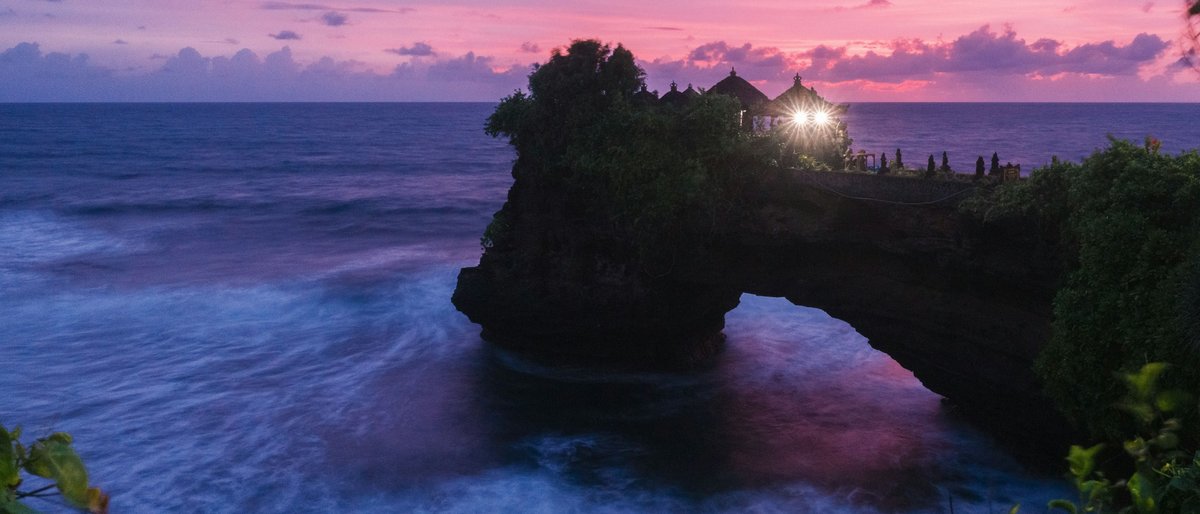
April in Bali sits right at that turning point between the wet and dry seasons, and honestly, you can feel it. The downpours that defined January through March are finally losing their grip — rainfall drops to around 141mm, roughly half of what February dumps on the island. That said, you're still looking at about 19 days where rain shows up in some form, typically as afternoon cloudbursts that roll through for an hour and then vanish. Temperatures hover around 29.5°C (85°F) during the day, dipping to a warm 23.9°C (75°F) at night, with humidity sitting at a sticky 84%. It's tropical, it's damp, and your clothes will take forever to dry on the line.
The real draw of April is what it isn't: it isn't peak tourist season. The Australian school holiday crowds from July and August haven't arrived yet. The European Christmas-New Year wave is long gone. You'll find Ubud's rice terrace paths noticeably emptier, Seminyak restaurants with open tables, and villa rates that haven't climbed to their dry-season peaks. The island feels like it belongs more to the Balinese than to visitors, which changes the texture of everything from temple ceremonies to market interactions.
Mind you, April requires a certain flexibility. You might plan a sunrise hike up Mount Batur and find yourself climbing through cloud and drizzle instead. An afternoon at the beach could get cut short by a sudden squall that turns the sand dark and sends everyone scrambling for the nearest warung. But if you can roll with that unpredictability — and you're the type who finds rain on a tin roof romantic rather than ruinous — April rewards you with a greener, quieter, more affordable version of Bali that the dry-season crowds never see.
Why visit in April
- Rainfall drops sharply from the wet-season peak — about 141mm versus January's 310mm — so you get more usable daylight hours between showers
- Accommodation rates sit 20-30% below dry-season highs, with better villa availability and less pressure to book months ahead
- Crowds thin out noticeably at popular sites like Tegallalang Rice Terraces, Tirta Empul, and Uluwatu Temple, on weekdays
- The landscape is at peak green from months of rain — rice paddies glow, waterfalls run full, and everything looks lush in photos
- Surf breaks on the west coast (Kuta, Canggu, Echo Beach) still get consistent swell from the Indian Ocean with fewer surfers competing for waves
Worth knowing
- Expect rain on roughly 19 of 30 days — typically afternoon storms that can last anywhere from 20 minutes to several hours, occasionally wiping out half a day
- Humidity averages 84%, which means your skin stays damp, laundry never quite dries, and camera lenses fog the moment you step from air conditioning into the open air
- Some east-coast dive sites around Amed and Tulamben may have reduced underwater visibility from runoff, after heavy rain days
- Unpaved roads in rural areas — around Sidemen and parts of the central highlands — can get muddy and slippery, making scooter travel trickier
Best for
Think twice if
April straddles the wet-to-dry transition. Daytime temperatures typically reach 29.5°C (85°F), cooling to around 23.9°C (75°F) after dark. Humidity stays high at 84%, which makes the heat feel more oppressive than the numbers suggest. Expect roughly 141mm of rainfall spread across 19 days — most of it arriving as heavy afternoon showers rather than all-day drizzle. Mornings tend to be clearer, often with hazy sunshine that builds into afternoon cloud cover. The occasional full-day washout does happen, maybe two or three times in the month. Winds are light and variable, a far cry from the gusty conditions that hit some coastal areas in July and August.
Seasonal caution
- Afternoon thunderstorms can arrive with little warning and produce heavy downpours — roads flood briefly in low-lying areas around Kuta and parts of Denpasar
- Humidity at 84% combined with 29-30°C heat can cause heat exhaustion faster than you'd expect, during temple visits with limited shade
- River levels in central Bali run high from accumulated wet-season rain — exercise caution at waterfalls like Tegenungan and Sekumpul where currents are stronger than they appear
Year-round climate
Averages from the last 5 years.
| Month | Avg high (°C) | Avg low (°C) | Rainfall (mm) |
|---|---|---|---|
| Jan | 29 | 24 | 310 |
| Feb | 29 | 24 | 285 |
| Mar | 30 | 24 | 222 |
| Apr | 30 | 24 | 141 |
| May | 29 | 24 | 132 |
| Jun | 29 | 24 | 115 |
| Jul | 27 | 23 | 90 |
| Aug | 28 | 23 | 58 |
| Sep | 28 | 23 | 112 |
| Oct | 30 | 23 | 107 |
| Nov | 30 | 24 | 213 |
| Dec | 30 | 24 | 268 |
Best things to do in April
Surf the West Coast Breaks
surfingKuta Reef, Echo Beach in Canggu, and Batu Bolong all pick up consistent Indian Ocean swell through April. The waves are solid — head-high on good days — and the lineups are noticeably less crowded than they'll be once dry season hits. Water temperature stays warm enough that you won't need more than a rash guard.
Last month of consistent swell before winds shift in May-June, and crowds are 40-50% lighter than peak season. You'll actually get your pick of waves at breaks that become a scrum in July.Booking tipBoard rental shops in Canggu are flexible on multi-day rates right now — ask for a weekly price and you'll likely get a better deal than the posted daily rate.
Walk the Campuhan Ridge at Dawn
hikingThis narrow ridge trail between two river valleys in Ubud is one of those places where the light does something special in the early morning. In April, you get soft golden light filtering through clouds with mist still sitting in the valleys below. The grass along the path is thick and green from months of rain, and the air smells like damp earth and frangipani.
The lush green from wet season makes this walk dramatically more photogenic than in dry months when the grass turns brown. Morning mist is more common in April, adding atmosphere you won't get in August.Booking tipNo booking needed. Arrive before 6:30am to beat the heat and the Instagram crowd. The path starts near the Warwick Ibah hotel.
Chase Waterfalls in the Central Highlands
natureSekumpul, Gitgit, Aling-Aling, Nungnung — the waterfalls of north-central Bali are running at serious volume in April after months of accumulated rainfall. Sekumpul in particular is thunderous this time of year, the kind of force you feel in your chest standing at the base. The hike down involves steep, sometimes slippery steps through jungle that smells like wet moss and wild ginger.
Water volume peaks in March-April from cumulative wet-season rainfall. By July-August, many falls slow to a trickle. This is the most dramatic time to see them.Booking tipHire a local guide at the entrance rather than booking an expensive tour from Ubud. The guides know which paths are safest when conditions are wet.
Explore Sidemen Valley Without the Crowds
culturalThis valley in east Bali — all terraced rice fields, palm groves, and Mount Agung looming behind everything — stays relatively quiet even in peak season. In April, it's practically empty. You can walk through the paddies for an hour and see only farmers. The air is cooler than the coast, the palette is every shade of green, and the sound is all water — irrigation channels, streams, rain on leaves.
Shoulder season means you might be the only tourist on the trail. The rice paddies are either freshly planted or mid-growth, creating that classic Bali postcard look. Accommodation here runs cheap in April.Booking tipStay at least two nights — day-tripping from Ubud means you spend half the day in a car and miss the morning and evening light.
Snorkeling at Menjangan Island
water sportsThe protected waters around this small island off Bali's northwest coast offer some of the clearest snorkeling on the island. The coral wall drops off dramatically right from shore, and you'll see reef sharks, sea turtles, and schools of fish that seem unbothered by your presence. April conditions here tend to be calmer than the more exposed east coast sites.
The sheltered northwest position means Menjangan is less affected by wet-season runoff than east-coast sites. April's reduced rainfall improves visibility compared to February and March, while crowds are still thin.Booking tipBook a boat from Labuhan Lalang harbor directly rather than through a south Bali tour operator — you'll pay a fraction of the price and can leave earlier in the morning when conditions are calmest.
Attend a Temple Ceremony
culturalApril typically falls within a period of active temple ceremonies across Bali, and with fewer tourists around, you're more likely to be welcomed as an observer rather than tolerated as part of a tour group. The ceremonies involve gamelan music — that distinctive metallic shimmer of bronze percussion — flower offerings, incense that hangs in the humid air, and processions of women carrying towering fruit arrangements on their heads.
The Balinese ceremonial calendar runs independent of the Western calendar, but April often coincides with odalan (temple anniversary) celebrations at various temples. Fewer tourists means a more real feel and more willingness from locals to explain what's happening.Booking tipAsk your accommodation host which temples have upcoming ceremonies — they'll know. Dress respectfully: sarong and sash are required, and most temples have rentals at the entrance.
Take a Balinese Cooking Class in Ubud
food and drinkA rainy afternoon is the perfect excuse to spend four hours learning to make base genep, sambal matah, and sate lilit from scratch. The classes typically start with a market visit in the morning, where you'll handle ingredients — lemongrass, galangal, candlenuts, long pepper — that you might never have seen before. The smell of those spices pounded fresh in a stone mortar is something that stays with you.
April's afternoon rains make indoor activities a smart backup plan, and cooking classes are one of the best ways to spend a wet afternoon. Smaller class sizes in shoulder season mean more personal attention from the instructor.Booking tipBook a class that includes the morning market visit — it adds context and sensory experience that kitchen-only classes miss.
What to eat in April
In season: fruit
Mangosteen
The tail end of mangosteen season, and honestly some of the best fruit you'll find — the ones still on the tree in April tend to be the most mature, with that thick purple rind cracking open to reveal well sweet-sour white segments. Market vendors in Ubud and Gianyar sell them by the kilo for next to nothing.
Salak Bali (Snake Fruit)
Bali's own variety of snake fruit peaks around this time — crunchier and slightly drier than the Javanese type, with a tannic bite that catches you off guard if you've never had it. The ones from the Sibetan village in Karangasem are considered the best on the island.
On menus now
Lawar
This traditional Balinese mixed dish of finely chopped meat, vegetables, grated coconut, and spices shows up at temple ceremonies throughout April. The version made with young jackfruit and fresh coconut has a texture you won't forget — earthy, slightly sweet, with a kick of raw shallot and bird's eye chili.
Nasi Campur Bali
The island's signature mixed rice plate hits differently in April when ceremonial preparations mean warung cooks put extra care into their side dishes. Look for versions with sate lilit (minced fish satay on lemongrass sticks), shredded chicken in base genep spice, and a spoonful of sambal matah — raw shallot and lemongrass relish with a serious chili burn.
What to drink
Jamu Kunyit Asam
A turmeric-tamarind tonic that Balinese women have been making for generations. In the humid April heat, vendors sell it cold from glass bottles at morning markets. It's sharp, slightly bitter, with a citrus-like tartness from the tamarind — refreshing in a way that iced coffee isn't when the air is this thick.
Regular events in April
Ubud Food Festival (if scheduled)
This multi-day celebration of Indonesian cuisine sometimes falls in April, featuring cooking demonstrations, panel discussions, and food stalls showing regional dishes from across the archipelago. Check dates as they shift year to year.
Varies — typically mid-April when scheduledFull Moon Ceremony (Purnama)Free
Held at temples across Bali on the full moon, this is one of the most photogenic ceremonies on the island. Locals dress in white, offerings fill the temple grounds, and the air is thick with incense smoke. Open to respectful visitors at most temples.
Full moon date in April (varies by year)Sanur Village Festival (if scheduled)Free
A community-run event in the Sanur beachfront area with food stalls, live music, traditional dance performances, and kite displays. More local than touristy. Dates shift annually — worth checking if your visit coincides.
Varies — sometimes late AprilBest places this April
Tegallalang Rice Terraces
natureThe well-known stepped paddies north of Ubud are at their greenest in April after months of rain. Visit before 8am to avoid tour groups and catch the light hitting the terraces at a low angle. The air smells like wet earth and the sound of water running through irrigation channels is constant.
TegallalangTirta Gangga Water Palace
culturalThis former royal water garden in east Bali feels magical when it's quiet, and in April it often is. Stone carvings covered in moss, koi ponds fed by natural springs, and tiered fountains surrounded by frangipani trees. The cooler east Bali air at this slight elevation is a relief after coastal humidity.
KarangasemJatiluwih Rice Terraces
natureUNESCO-listed and far less crowded than Tegallalang, these terraces in the Tabanan regency spread across a massive area with Mount Batukaru as a backdrop. Walking paths wind between the paddies, and in April the fields are intensely green. You'll hear frogs, flowing water, and not much else.
TabananUluwatu Temple at Sunset
culturalThe cliff-top temple on Bali's southern tip is worth visiting year-round, but April's cloud formations make for dramatic sunset backdrops. The Kecak fire dance performed at dusk is moving — dozens of men chanting in concentric circles as the sun drops behind the Indian Ocean. Watch your sunglasses around the resident monkeys.
UluwatuMunduk and the Northern Highlands
natureThis quiet highland village sits at around 800 meters elevation, which means noticeably cooler temperatures and misty mornings. Coffee and clove plantations surround the village, and the Twin Lakes of Buyan and Tamblingan are a short drive away. In April, the forests drip with moisture and the waterfalls near the village are running hard.
MundukSanur Beach and Morning Market
food and cultureThe old-school beach town on the east coast has a mellow pace that feels nothing like Seminyak or Canggu. The beachfront path is good for a morning walk, the reef keeps the water calm for swimming, and the Sindhu morning market serves some of the best nasi campur on the island from dawn until it sells out, usually by 9am.
SanurTaman Ayun Royal Temple
culturalLess visited than the headline temples, this Mengwi-era royal temple is surrounded by a lotus-filled moat and manicured grounds. In April the grass is thick and green, the lotus flowers are in bloom, and you might have entire courtyards to yourself on a weekday morning.
Mengwi
Your packing checklist
Tick items off as you pack. Your progress saves in this browser.
Insider tips
The afternoon rain pattern in April is remarkably consistent — storms typically roll in between 2pm and 5pm. Plan temple visits, hikes, and outdoor activities for morning hours and keep afternoons free for indoor activities, spa treatments, or just sitting under a warung roof watching the rain hit the rice fields.
Skip the tourist-targeted money changers on Legian Street and use the ATMs at Bank Central Asia (BCA) or Bank Mandiri — they give the best exchange rates with the lowest fees. The branded exchange counters with 'no commission' signs in Kuta are notorious for short-changing.
If you're heading to Sekumpul waterfall, eat at one of the small warungs near the parking area before your hike down. The nasi goreng is cheap, filling, and you'll want the energy. The climb back up is roughly 15-20 minutes of steep stairs in tropical heat.
For the best nasi campur in the Ubud area, look for the warungs where Balinese families are eating, not where tourists are sitting. The food at Warung Biah Biah near the Ubud Palace and the market warungs along Jalan Suweta tend to be more authentic and cost a fraction of the restaurants on Monkey Forest Road.
Rent a scooter from your accommodation rather than from the rental shops on the main roads — your host has a reputation to maintain and will give you a better-maintained bike at a fair price. Always check the brakes before you ride, in a month where wet roads are a daily reality.
Avoid these mistakes
- Booking only 3-4 days and cramming in every highlight — Bali's distances are deceptive because the roads are slow. Ubud to Uluwatu is technically 40km but can take 90 minutes in traffic. Build in buffer days and accept that rain will rearrange at least one of your plans.
- Planning outdoor activities for the afternoon — the April rain pattern peaks between 2-5pm, and booking a rice terrace walk, temple visit, or beach session for 3pm is a recipe for a washout. Start everything early and treat afternoons as flex time.
- Underestimating the sun on overcast days — the UV index in Bali is high year-round, and cloud cover in April creates a false sense of security. You'll burn through clouds, on the water or at elevation. Apply sunscreen even when it looks gray.
- Riding a scooter without proper experience on wet roads — April rain creates slick conditions on Bali's roads, and the combination of wet surfaces, occasional potholes, and unpredictable traffic leads to more scooter accidents during the shoulder months. If you're not confident, hire a driver for the day instead.
Practical tips for April
Book accommodation with flexible cancellation — April weather can be unpredictable enough that you might want to shift plans between regions (moving from a rained-out coast day to a highland activity, for instance). Most Ubud and Seminyak properties offer free cancellation up to a few days before arrival during shoulder season. Carry cash in smaller denominations (IDR 10,000-50,000 notes) as many warungs, local guides, and smaller temples don't accept cards. Temple dress codes require covered shoulders and a sarong below the waist — most major temples rent these at the entrance, but carrying your own saves the hassle and a few thousand rupiah. If you're planning to visit multiple temples, buy a sarong early in your trip. Grab-bike (the ride-hailing app) works throughout southern Bali and Ubud, and it's the cheapest way to get around if you don't want to ride your own scooter. Bali's tap water is not safe to drink — stick to bottled or use a refill station, which many eco-conscious cafes and hotels now offer to reduce plastic waste. For inter-city transport, book through your hotel or use the Perama shuttle service rather than negotiating with taxi drivers at tourist spots, where the markup is steep.
FAQ
Is April a good time to visit Bali?
April is a solid shoulder-season choice. You're past the worst of the wet season — rainfall drops to about 141mm compared to January's 310mm — and crowds are noticeably thinner than the dry-season peak of July through September. The trade-off is afternoon rain on roughly 19 days out of the month and persistent humidity around 84%. If you're flexible with your daily plans and don't need guaranteed sunshine, April offers good value with fewer tourists and lower prices than you'd pay six weeks later.
What is the weather like in Bali in April?
Warm and humid, with regular afternoon rain. Expect daytime highs around 29.5°C (85°F) and lows near 23.9°C (75°F). Humidity sits at about 84%, which makes the heat feel stickier than the numbers suggest. Most rain falls as afternoon thunderstorms rather than all-day drizzle — mornings are often partly sunny. Total rainfall averages 141mm across 19 rainy days. Pack for both sun and rain, and plan outdoor activities for the morning.
Is Bali crowded in April?
Compared to July-August and the Christmas-New Year period, April is relatively quiet. You'll still encounter other tourists at headline spots like Tegallalang, Tanah Lot, and Uluwatu, but you won't be fighting for space. Ubud's restaurants have open tables, popular villas have availability, and you can walk temple grounds without being part of a tour group procession. It's one of the quieter months on the island.
Can you surf in Bali in April?
Absolutely. The west coast breaks — Kuta Reef, Echo Beach, Batu Bolong in Canggu, and Padang Padang — all pick up consistent Indian Ocean swell through April. Conditions tend to be clean in the morning before the wind picks up. The real advantage is smaller crowds in the lineup compared to the July-August peak when every surf school in Canggu is running at full capacity. Water is warm enough for just boardshorts or a rash guard.
Do I need travel insurance for Bali in April?
Yes, and not just as a formality. Bali's roads are more hazardous in the wet months, scooter accidents are the most common tourist injury on the island, and Indonesian hospital costs can escalate quickly if you need evacuation to Singapore or Australia. Make sure your policy covers motorbike use if you plan to ride, and check that it includes medical evacuation. It's one of those things that feels like a waste of money until it isn't.
Things to Do in Bali in April
 Free cancellation
 Ubud Private Tour - All Inclusive Premium Experience
Day trip — free cancellation.
via Viator Free cancellation
 Nusa Penida Premium Day from Bali: Manta Rays, Yacht & Land Tour
Day trip — free cancellation.
via Viator Free cancellation
 Best of Ubud Full-Day Tour with Jungle Swing
Day trip — 10 hours, free cancellation.
via Viator Free cancellation
 Ubud: Monkey Forest, Jungle Swing, Rice Terrace and Water Temple
Day trip — free cancellation.
via Viator Free cancellation
 Private Uluwatu Sunset Tour with Kecak Dance and Dinner
Day trip — 7 hours, free cancellation.
via Viator Free cancellation
 Tanah Lot and North Bali Tour: Scenic Journey
Day trip — free cancellation.
via ViatorFind a flight to Bali
Live fares to Bali appear here once cookies are accepted.
Last verified by automated review (v1.7.1) on May 26, 2026. What is automated review?