What cultural etiquette should I know for Split?
Split runs on a greeting-first social code. Say "dobar dan" before any interaction in shops, konobas, or the Pazar market. Tip 10% at sit-down restaurants. Cover shoulders and knees at the Cathedral of Saint Domnius and every chapel along Marjan hill. Don't touch or lean on stonework inside Diocletian's Palace.
The fastest way to mark yourself in Split is to skip the greeting. Walk into a konoba on Šperun street, a bakery in Manuš, even the fish stalls at Pazar market where the morning catch still smells of salt and ice, and say "dobar dan" (good day) before you ask for anything. Skip it and the social temperature drops. Handshakes are standard for introductions between strangers. Friends exchange two cheek kisses, left side first, but don't initiate this with someone you met 5 minutes ago. "Hvala" (thank you) and "molim" (please, or you're welcome) handle most polite transactions. English works well along the Riva waterfront and inside the Palace, but try Croatian in residential Spinut or up the worn limestone stairways of Varoš. Locals there will switch to English mid-sentence once they hear you try, but the fact that you tried lands differently.
Croatia adopted the euro on January 1, 2023, so kuna are history. At a sit-down restaurant, 10% is the norm. A konoba dinner for two in Varoš runs 50-70€ with wine, so 5-7€ on the table is right. At a café on Trg Republike, round up to the nearest euro. Taxi drivers from Split Airport don't expect anything, though bumping a 35€ fare to 40€ is a decent gesture. One catch for card users. Smaller family-run places up the stone stairways behind Voćni Trg sometimes prefer cash, even now. The Riva and Palace-interior restaurants all take cards. Carry 20-30€ in small notes for the narrow-alley spots where the card terminal is, as the owner will explain with a shrug, "broken" today.
The Cathedral of Saint Domnius sits inside what was Diocletian's mausoleum. Shoulders covered, knees covered, no hats inside. This holds year-round, even in August when the limestone radiates stored heat and the air barely moves at 32°C. Every church in Split follows the same rule, including the small chapels halfway up Marjan hill where the pine shade makes you forget you're 15 minutes from the Riva. Outside religious sites, Split is relaxed. Swimwear is normal at Bačvice beach and the concrete platforms below Marjan's western cliffs. But wearing a bikini top or going shirtless on the Riva, through the Peristyle, or along Marmontova street will draw stares. The city prohibits shirtlessness outside designated beach zones, though enforcement tends to be seasonal.
Split is overwhelmingly Roman Catholic, and the Cathedral's 57-meter bell tower makes sure the whole harbor knows when Sunday Mass starts around 7am. If you wander into a church during a service, sit in the back and stay quiet. Photography is allowed inside the Cathedral outside of services (admission runs around 7€), but flash and tripods are not. During feast-day processions, the Feast of Saint Domnius on May 7 draws the largest crowds. Streets inside the Palace walls close entirely. Stand aside, lower your voice, and wait. On a separate note, Split scores 6/10 on TTDI's LGBTQ+ friendliness scale (sourced from TTDI's editorial rubric). The city is more conservative than Zagreb on this front. Same-sex couples may notice glances outside explicitly friendly venues near the Riva, though outright hostility in the tourist core is rare.
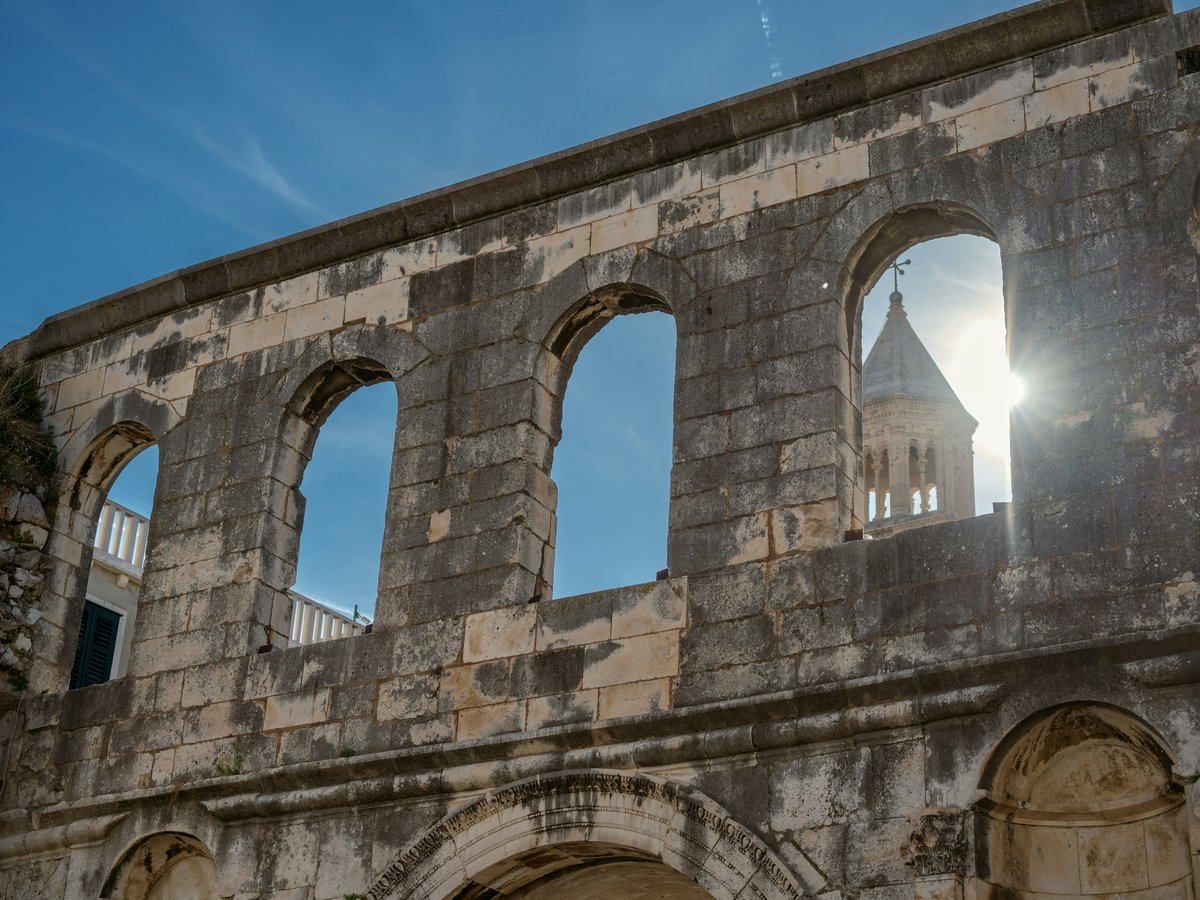
The stonework inside Diocletian's Palace dates to 293. Don't lean against the walls, scratch names into columns, or let children climb on fragments. Croatia's Ministry of Culture can levy fines, and the heritage-protection presence inside the Palace is real. Sitting on the Peristyle steps is fine. Everyone does it, locals and visitors both, often with a cold Karlovačko from the café nearby. Climbing on the Egyptian granite sphinx beside the steps is not. Noise is the other thing that gets visitors in trouble. Residential apartments sit directly above the Palace bars. After 11pm the city's noise ordinance applies, and the people living there enforce it faster than any official. The Palace has been a working residential neighborhood since the 7th century. Those residents have seniority.
Cultural norms
Croatians greet with a firm handshake and direct eye contact. Close acquaintances exchange three kisses on alternating cheeks, starting from the right. "Dobar dan" in shops and restaurants signals a basic courtesy locals notice and appreciate. Conversations run direct, and asking about family is welcome, though the 1990s war is best left for the other person to raise.
When entering the Cathedral of St. Domnius inside Diocletian's Palace, cover shoulders and knees. Staff turn away visitors in swimwear, which catches people off guard since the cathedral sits steps from the Riva promenade where beachwear is everywhere. Split also fines public shirtlessness outside designated beach areas, a rule posted on signs near the Green Market.
On Promet Split buses, validate your ticket at the onboard machine or risk a fine from plainclothes inspectors. At sit-down restaurants, rounding up the bill or leaving around ten percent is standard. Croatia adopted the euro in January 2023, and most places accept cards, though market vendors and small konobas often prefer cash.
The most common visitor mistake is treating the Riva waterfront as a beach extension: walking barefoot, sitting in a wet swimsuit on the stone ledge, or carrying open containers of alcohol. Locals treat the promenade as their social living room, not a boardwalk, and they react to beach behavior there with visible disapproval.
Greetings
"Dobar dan" (good day) before any transaction, in every shop, konoba, and market stall. Handshake for first introductions. Two cheek kisses between acquaintances, left side first, never with strangers. "Hvala" covers thank you, "molim" covers please and you're welcome. Attempt Croatian in residential neighborhoods and the goodwill is visible.
Don't do this
- Touching, leaning on, or scratching the stonework inside Diocletian's Palace. Heritage police patrol and fines apply under Croatian cultural-protection law.
- Walking shirtless or in a bikini top outside beach zones. Split's municipal ordinance prohibits it on the Riva, Marmontova, and inside the Palace walls.
- Climbing on the Egyptian granite sphinx beside the Peristyle steps.
- Entering a shop or konoba without saying "dobar dan" first.
- Using flash photography or tripods inside the Cathedral of Saint Domnius.
- Walking through or blocking feast-day processions. The Feast of Saint Domnius on May 7 draws the largest crowds and closes Palace-area streets.
- Making excessive noise inside the Palace walls after 11pm. Residential apartments sit directly above the bars and restaurants.
Tipping
10% at sit-down restaurants. Round up to the nearest euro at cafés. Taxi drivers don't expect tips, though rounding a 35€ fare to 40€ is appreciated. Hotel porters get 1-2€ per bag. No cover charge at most Split restaurants, unlike across the Adriatic in Italy.
Dress code
Shoulders and knees covered at the Cathedral of Saint Domnius and all churches, including the smaller chapels on Marjan hill. No hats inside. Swimwear is fine at Bačvice and below Marjan's cliffs, but shirtlessness on the Riva or inside the Palace walls risks stares and a possible municipal fine.
Religious norms
Split is Roman Catholic. Sunday Mass is well attended, the bell tower rings from 7am, and services are not tourist events. Stay quiet if you enter during worship and sit near the back. Cathedral admission outside services runs about 7€. No flash, no tripods. The Feast of Saint Domnius on May 7 is the largest procession, closing streets inside the Palace. Stand aside and keep quiet until it passes.
Last verified by automated review (v1.7.2) on . What is automated review?