Compare every Spain city in September →
Stay in Barcelona in September
78 hotels in the Trip.com pool for Barcelona, from US$19 a night.
Opens Trip.com on Fri 25 Sep to Sun 27 Sep 2026; change the dates there.
September in Barcelona is when the city finally exhales. The crush of August tourists starts thinning out around the second week, and locals filter back from their summer escapes. They reopen favorite restaurants, fill the terrace bars along Carrer de Blai in Poble-sec, and reclaim their neighborhoods. You can hear roller shutters going up on shops in Gràcia that were closed all of August. Temperatures settle into a comfortable range around 26°C (78°F) during the day, dropping to about 18°C (65°F) at night. That said, September is also Barcelona's wettest month by a fair margin, with roughly 115mm of rain spread across about ten days. These tend to arrive as sharp, dramatic downpours rather than grey drizzle. The sky goes dark at three in the afternoon and dumps everything it has for forty minutes, then clears to sunshine. You can smell the wet stone drying on the Rambla del Raval within half an hour of the storm passing. You learn to read the clouds.
The real headline for September is La Mercè, Barcelona's biggest street festival, which lands around September 24th and turns the old city into a four-day open-air celebration with fire runs, human towers, and free concerts in parks and plazas. It's the sort of event that changes what Barcelona feels like. Plaça de Sant Jaume packed with people watching castellers build human pyramids eight stories high, sparks from the correfocs bouncing off the cobblestones on Via Laietana. If you've been thinking about visiting, La Mercè week is a strong reason to commit to September specifically.
The shoulder-season pricing hasn't fully kicked in yet, as early September still carries some summer premium, but by mid-month, hotel rates start loosening up. The Mediterranean is still warm enough for swimming, usually around 24-25°C, which is warmer than it was in June. The result is beach weather without peak-season crowds, a major cultural festival, and the first signs of autumn energy returning to the city. By month's end, the plane trees along Passeig de Gràcia are starting to turn.
Why visit in September
- La Mercè festival (around September 24th) is Barcelona's largest annual celebration, with free concerts, correfocs fire runs, castells human towers, and street performances across the Gothic Quarter, Gràcia, and Poble-sec
- Mediterranean sea temperature peaks around 24-25°C in September, warmer than June, making this arguably the best beach month without the August crowds at Bogatell and Mar Bella
- Summer tourist numbers drop noticeably by mid-month as European school holidays end, meaning shorter queues at the Sagrada Família and Park Güell
- Evening temperatures around 18-20°C make outdoor dining comfortable without the sticky heat of July and August. Perfect conditions for long dinners on Plaça del Sol and Plaça de la Virreina in Gràcia
Worth knowing
- September is Barcelona's rainiest month at roughly 115mm across about 10 days, and storms tend to be intense Mediterranean downpours that can flood low-lying streets near Barceloneta
- Early September still carries residual summer pricing and crowd levels; the real shoulder-season value doesn't appear until the second or third week
- The transition weather means some days feel like summer and others like autumn. Packing becomes a guessing game, and you might get a grey, cool stretch that feels nothing like the postcard version
- Some smaller restaurants and shops that closed for August vacations reopen on unpredictable schedules. You'll find the occasional shuttered favorite with a handwritten 'tornem aviat' sign
Best for
Think twice if
September is a genuine transition. Early in the month still feels like summer, with warm afternoons, clear skies, and the occasional day pushing past 28°C. By the final week, you'll notice the shift. Shorter days, cooler mornings, a different quality to the light over the Collserola hills. The average high sits around 25.7°C (78°F) with lows near 18.3°C (65°F), but the real story is the rain. At 115mm across roughly 10 rainy days, September is Barcelona's wettest month. These aren't gentle showers. Mediterranean storms tend to arrive fast and heavy. The sky turns a particular shade of charcoal, thunder rolls in from the sea, and within minutes the gutters along the Eixample grid are running like small rivers. They rarely last more than an hour. Humidity hovers around 76%, which you'll mostly notice in the mornings and right after the rain, when the pavement on the Rambla steams and the air carries that thick, warm smell of wet stone and sea salt. Evenings tend to be pleasant. By 9pm on Plaça del Sol in Gràcia, you can sit outside in a light layer without thinking twice.
Seasonal caution
- Mediterranean storms in September can be intense and sudden. Localized flash flooding occasionally affects low-lying coastal areas like Barceloneta and parts of the Bogatell beachfront. The city's drainage system handles most rain well, but underground metro stations near the port can experience brief disruptions during heavy downpours.
Year-round climate
Averages from the last 5 years.
| Month | Avg high (°C) | Avg low (°C) | Rainfall (mm) |
|---|---|---|---|
| Jan | 14 | 5 | 18 |
| Feb | 15 | 7 | 31 |
| Mar | 16 | 9 | 69 |
| Apr | 18 | 10 | 58 |
| May | 22 | 14 | 59 |
| Jun | 27 | 20 | 34 |
| Jul | 29 | 22 | 50 |
| Aug | 29 | 22 | 47 |
| Sep | 26 | 18 | 115 |
| Oct | 23 | 15 | 68 |
| Nov | 18 | 10 | 51 |
| Dec | 16 | 6 | 48 |
Holidays and festivals in September
Public holidays
- Day of Asturias(Día de Asturias)8 September 2026
- Day of Extremadura(Día de Extremadura)8 September 2026
- National Day of Catalonia(Diada Nacional de Catalunya)11 September 2026
- Feast of Our Lady of Bien Aparecida(Festividad de la Bien Aparecida)15 September 2026
Headline events
La Mercè
Around September 24th, typically spanning 4 days (September 22-25)
Barcelona's largest annual street festival honoring the patron saint Mare de Déu de la Mercè. Four days of free concerts at parks and plazas across the city, correfocs (fire runs) where devil figures run through crowds trailing sparks, castells (human tower competitions) in Plaça de Sant Jaume, gegants (giant parade figures) through the Gothic Quarter, and a massive fireworks display over the Magic Fountain of Montjuïc on the closing night. The whole old city essentially becomes a stage. You'll smell gunpowder from the correfocs mixing with grilled botifarra from street vendors, hear the gralla (traditional Catalan oboe) echoing off medieval stone walls, and find yourself pressed into crowds watching castellers climb eight, nine stories high on nothing but human shoulders.
Best things to do in September
La Mercè correfocs (fire runs)
festivalDevil figures and fire-breathing dragon effigies parade through narrow Gothic Quarter streets while runners in protective clothing dance underneath showers of sparks from handheld fireworks. The heat hits your face, sulfur fills your nose, and the rhythmic drumming doesn't let up. The main correfoc on Via Laietana is the biggest, but smaller neighborhood versions (correfocs infantils for families) happen throughout the week.
La Mercè only happens once a year around September 24th. This is the only time you'll see the full-scale correfocsBooking tipNo booking needed. It's free and open to the public. Arrive at least an hour early for a spot along Via Laietana. Wear long sleeves and closed shoes if you want to get close to the fire.
Beach days at Bogatell and Mar Bella
beachWith sea temperatures around 24-25°C and the August crowds largely gone, September might be the best month for Barcelona's beaches. Bogatell tends to be less packed than Barceloneta, and Mar Bella has a more local, relaxed feel. The sand is warm, the water is comfortable, and you can find space to lay a towel without negotiating with your neighbors.
Sea temperature peaks in September while tourist density drops. The best ratio of warm water to available beach space all yearSunset from the Bunkers del Carmel
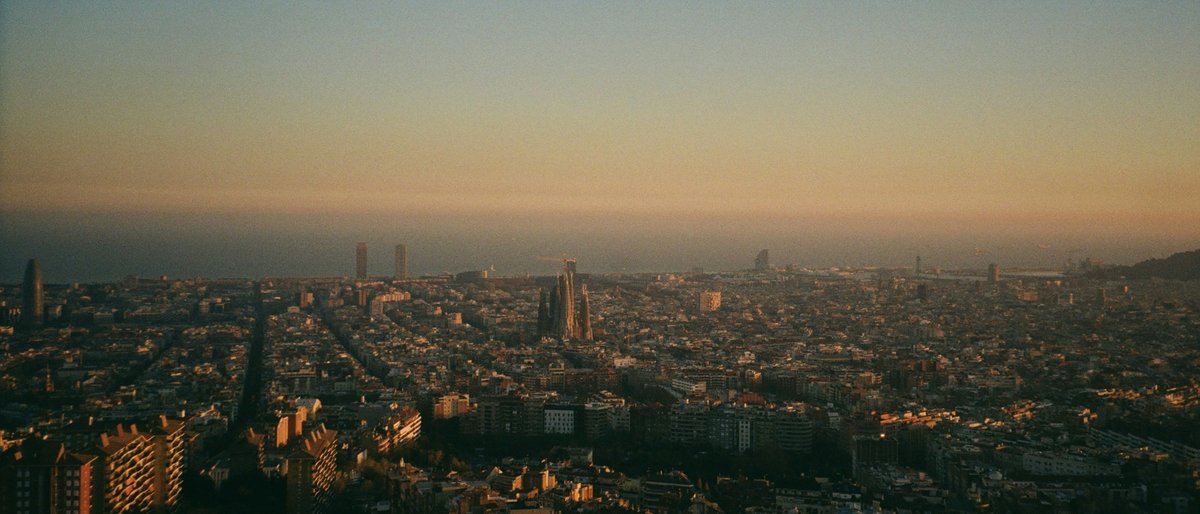
viewpointThe old Civil War-era anti-aircraft bunkers on the hilltop in El Carmel offer a 360-degree view of Barcelona. In September, the sunset hits at a more reasonable hour than midsummer (around 7:30-8pm rather than 9:30pm), and the autumn light casts a warm amber across the city grid, the sea, and Montjuïc. The air tends to be clearer after a rain shower, which in September happens often enough that you'll likely get at least one crystal-clear evening.
September sunsets occur at a comfortable hour, the post-rain air clarity is superb, and the golden autumn light is noticeably different from summer's harsh glareBooking tipArrive 45 minutes before sunset to get a good spot. Bring something to drink. There's usually someone selling cans of beer, but no guarantees.
Catalan wine harvest day trips
day tripSeptember is vendímia (grape harvest) season across Catalonia's wine regions. The Penedès, about an hour south by train from Barcelona, is home to most cava production, and many smaller wineries open for harvest-day visits. Alt Penedès and Priorat are also within reach. The vineyards are heavy with fruit, the smell of fermenting grapes hangs in the air, and you might get to help with a pick if you visit the right bodega.
Grape harvest in Catalonia's wine regions happens in September. The vineyards are at their most active and scenicBooking tipBook winery visits at least a week ahead, especially on weekends. The R4 Rodalies train to Vilafranca del Penedès runs frequently from Passeig de Gràcia.
Evening walks through the Eixample
walkingThe Eixample grid (Gaudí's Casa Batlló, Casa Milà, the Sagrada Família) is at its best when you can walk comfortably. September evenings, with temperatures around 20°C and the golden late-afternoon light catching the modernista facades, are ideal. The chamfered corners of the grid create these little plaza moments at every intersection, and in September, many of them have terraces that are full but not overwhelmingly so.
Evening temperatures drop to a comfortable walking range after the stifling July-August heat, and the lower sun angle highlights the ornate details on modernista buildings that get washed out in harsh summer lightBooking tipIf you want to enter Casa Batlló or La Pedrera, book online at least 3-4 days ahead. But the exterior walk is free and arguably more rewarding.
Market shopping at Mercat de Sant Antoni
foodThe renovated Mercat de Sant Antoni is where locals shop. September brings the first autumn produce alongside the last summer fruits. Figs, late tomatoes, early mushrooms, and pomegranates starting to appear. Sunday mornings, the surrounding streets host a book and coin market that's been running since the 1880s. The building itself, a restored 1882 iron-and-glass market hall that reopened in 2018, is worth seeing beyond the stalls.
The September seasonal overlap (late summer and early autumn produce together) creates the most varied selection of the year at this marketBooking tipGo before 10am on weekdays for the best selection and fewest tourists. The Sunday book market runs from around 8:30am to 2:30pm.
Kayaking or paddleboarding along the coast
water sportsThe Mediterranean is calm enough in September for sea kayaking, and the water is warmer than it's been all year. Paddling from Barceloneta toward the W Hotel gives you a completely different perspective on the waterfront. On clear days, you can see down the coast toward Sitges. The smell of salt and sunscreen, the slap of small waves against the hull. A good way to spend a morning before the afternoon clouds might roll in.
Peak sea temperature combined with generally calmer conditions than open-summer months. September sees fewer of the sudden afternoon winds that can make July paddling trickyBooking tipBook morning sessions. Afternoons are more likely to see weather changes. Several operators along Barceloneta beach rent equipment; weekday mornings tend to have availability without advance booking.
What to eat in September
In season: fruit
Figs (Figues)
Late September brings the second fig harvest, with dark, heavy, split-skinned fruits that taste like honey and jam. You'll find them at the Boqueria and Santa Caterina markets, often served with Manchego or fresh goat cheese as restaurant starters. The texture when they're ripe, soft and almost collapsing, is nothing like the firm, underripe specimens shipped to northern supermarkets.
Moscatell grapes
Small, intensely sweet table grapes that peak in September. Vendors at the Mercat de Sant Antoni pile them high. The flavor is floral and concentrated, closer to wine than to the watery supermarket grapes you might be used to. Locals eat them as afternoon snacks or pair them with cured meats.
On menus now
Escudella d'early autumn
As evenings cool down, some traditional restaurants around Carrer de Blai in Poble-sec and the streets off Rambla del Raval start offering early-autumn versions of Catalan stews. Not yet the full winter escudella i carn d'olla, but lighter variations with seasonal vegetables, botifarra sausage, and white beans. Comfort food that matches the transitional weather.
What to drink
Vermouth (Vermut)
September is when the Sunday vermut tradition really comes back to life after the August exodus. Locals gather at bars in Gràcia and Poble-sec around noon for a glass of house vermouth served over ice with an olive and orange peel, alongside small plates of olives, chips, and conservas. The ritual matters as much as the drink. It's how neighborhoods reconnect after summer. Bar Calders on Carrer del Parlament in Sant Antoni and the bodega bars along Carrer de Blai in Poble-sec are both good starting points.
In markets
Rovellons (wild pine mushrooms)
September rains trigger the first rovellons (Lactarius deliciosus) in the Catalan Pyrenees and pre-coastal ranges. These orange-capped wild pine mushrooms are a seasonal obsession in Catalonia. They start showing up at Santa Caterina and Boqueria market stalls by mid-to-late September, depending on rainfall. Locals grill them cap-down with olive oil, garlic, and a pinch of salt. The texture is meaty and slightly firm, the flavor earthy with a faint pine resin note. Worth asking about at any restaurant with Catalan roots.
Regular events in September
BAM Festival (Barcelona Acció Musical)Free
Free music festival held across multiple venues during La Mercè week, featuring emerging and independent artists from Catalonia, Spain, and internationally. Stages appear in the Fòrum, Plaça dels Àngels, and several smaller venues. The programming leans toward indie, electronic, and experimental, with Catalan and Spanish acts alongside international bookings.
Late September, coinciding with La Mercè (typically September 22-25)Festa Major de la BarcelonetaFree
The Barceloneta neighborhood holds its own festa major in late September or early October, with street decorations, outdoor dinners, sardana dancing, and smaller-scale correfocs through the narrow fisherman's streets. More intimate than La Mercè and deeply local. You'll feel the difference between a city-wide event and a neighborhood celebrating its own identity.
Late September to early October (dates vary)Mostra de Vins i Caves de Catalunya
Wine fair showing Catalan wines and cavas, typically held in a central Barcelona location. Dozens of small producers pour their wines, and the atmosphere tends to be relaxed and educational rather than pretentious. A good way to taste wines you'd never find outside Catalonia.
Mid to late September (dates vary by year)48h Open House BarcelonaFree
Architecture festival where normally closed buildings open their doors to the public for one weekend. Private modernista apartments, industrial spaces, rooftops, architectural studios. It's a chance to see interiors that are off-limits the rest of the year. Registration is usually required and slots fill quickly.
A weekend in October, but some years falls in late SeptemberDiada de Catalunya (Catalan National Day)Free
September 11th is Catalonia's national day, commemorating the fall of Barcelona in 1714. Political demonstrations and cultural events fill the streets. It's a day of deep significance for many Catalans. You'll see senyera flags draped from balconies across the city. Some shops and attractions may close or have reduced hours.
September 11Best places this September
Parc de la Ciutadella
parkThe city's central park feels different in September than in August. Locals reclaim the lawns, the lake has room for a rowboat, and the late-afternoon light filtering through the plane trees has a softer, warmer quality. The Cascada fountain, loosely modeled on Rome's Trevi, is worth a slow look when you're not being jostled by peak-season crowds.
Ciutat VellaEl Born neighborhood
neighborhoodThe narrow medieval streets of El Born are where Barcelona's creative energy concentrates. In September, the galleries and boutiques reopen after summer, new exhibitions launch, and the evening passeig (stroll) along Passeig del Born picks up again. The Mercat del Born cultural center, built around excavated 18th-century ruins visible through the glass floor, is worth an hour on a September afternoon.
El BornMontjuïc
hill/parkThe hill overlooking the port rewards a September visit. The botanical gardens are still lush, the fortress offers panoramic views without summer haze, and you can walk the trails without overheating. Take the cable car up and walk down through the gardens. The Fundació Joan Miró, perched near the top, tends to be less crowded in September than in the peak months.
MontjuïcCarrer de Blai, Poble-sec
food streetThis pedestrian street in Poble-sec is lined with pintxos bars, small Basque-style places where you pick bites on toothpicks at 1-2 euros each. September evenings bring locals back in force after the August lull. The smell of grilled peppers and anchovy drifts from bar to bar, and on a warm September night the street fills by 9pm.
Poble-secPlatja de Bogatell
beachLess chaotic than Barceloneta, Bogatell draws a more local crowd. In September the beach bars (chiringuitos) are still open but not overwhelmed, and the water temperature is at its annual peak around 24-25°C. The stretch between Bogatell and Mar Bella is good for a long walk as the evening light hits the water.
PoblenouMercat de la Boqueria
marketYes, it's famous and yes, tourists know about it. But September is when the Boqueria is at its best for produce. The stalls are piled with figs, late peaches, early pomegranates, and wild mushrooms starting to appear from the Catalan hills. Go before 10am, avoid the central tourist aisle, and head to the stalls along the outer walls where locals shop.
La RamblaGràcia neighborhood plazas
neighborhoodThe plazas of Gràcia (Plaça del Sol, Plaça de la Vila de Gràcia, Plaça de la Virreina) are Barcelona's living rooms. In September, the post-summer return means these squares fill up again with neighbors, kids, dogs, and the sound of conversation bouncing off the building facades. On a September evening, Plaça del Sol fills with locals at the terraces of its half-dozen surrounding bars, the sound carrying across the square.
Gràcia
Your packing checklist
Tick items off as you pack. Your progress saves in this browser.
All packed — have a great trip.
Insider tips
The correfoc during La Mercè is a genuine fire run. People really do get minor burns. If you want to get close, wear a long-sleeved cotton shirt, long trousers, closed shoes, and ideally a hat. Don't wear synthetic fabrics near the sparks. Or watch from a safe distance at a balcony bar along Via Laietana. Several bars on the second floor let you watch from above if you arrive early and order.
September 11th (La Diada) can catch visitors off guard. It's a political day for many Catalans, with large demonstrations. Attractions may have reduced hours, some shops close, and certain metro stations near the demonstration route get very crowded. It's worth seeing (the scale of the turnout is striking) but don't schedule a packed tourist itinerary for that day.
Skip Barceloneta for seafood and head to the restaurants along the Moll de Gregal in the Port Olímpic, or better yet, take the tram to Poblenou and eat at one of the smaller places along Rambla del Poblenou. The fish is the same, the prices are lower, and you'll be eating alongside people who live in the neighborhood.
The Rodalies commuter trains to the beach towns south of Barcelona (Castelldefels, Sitges, Vilanova) are cheap and run frequently. If you get a rainy day in the city but the coast further south looks clear (this happens with localized Mediterranean storms) a 30-minute train ride can salvage your beach day entirely.
For the best view of the La Mercè fireworks finale at the Magic Fountain of Montjuïc, don't fight the crowd at the fountain itself. Walk up to the MNAC steps above. You get the full panorama of the fireworks, the fountain light show below, and the city behind you, with about a quarter of the crowd density.
Avoid these mistakes
- Booking an open-top bus tour or outdoor activity for September 11th without realizing it's La Diada. Parts of the city center will be closed for demonstrations, routes get disrupted, and the atmosphere is solemn rather than festive. Check the date and plan around it.
- Assuming September weather is like August and packing only summer clothes. The rain and cooler evenings catch visitors off guard. People end up buying overpriced emergency rain gear from tourist shops on La Rambla when they could have packed a decent jacket.
- Staying exclusively in Barceloneta or the Gothic Quarter during La Mercè. The festival spreads across the entire city, and some of the best events happen in Gràcia, Poble-sec, and Poblenou. The neighborhood-level celebrations tend to be more intimate and less overwhelming than the central ones.
- Planning a first-week-of-September trip expecting shoulder-season prices. Hotels and flights in early September still carry summer premiums. The real price drop doesn't materialize until the second or third week. If budget matters, push your dates toward mid-to-late September.
Practical tips for September
Book Sagrada Família and Park Güell tickets online at least a week ahead. September still sees substantial visitor numbers, and walk-up availability is unreliable. Restaurant reservations in the Born and Eixample are worth making for weekend dinners, especially during La Mercè week when the city fills up again briefly. The T-casual 10-trip metro card is the best value for getting around; buy it at any metro station. Most museums close on Mondays. Barcelona's siesta rhythm means many smaller shops close from roughly 2pm to 5pm. Don't plan a shopping afternoon in the Gràcia boutiques at 3pm. If you're visiting during La Mercè, check the ajuntament (city council) website for the full program and plan your days around specific events. There's too much happening to catch everything, so pick your priorities. For day trips to Montserrat or Penedès wine country, book early-morning departures to make the most of the day and avoid afternoon storm risk.
FAQ
How does September compare to June or October for a Barcelona trip?
September tends to sit around fourth-best of the twelve months. Compared to June, you get warmer sea temperatures (24-25°C versus roughly 22°C), La Mercè festival, and similar air temperatures, but significantly more rain (115mm versus June's 40mm). Compared to October, September is warmer by about 3-4°C, the sea is still genuinely swimmable at Bogatell and Mar Bella, and La Mercè gives you a reason to be in the city for those specific dates. October is drier and cheaper, with better deals on hotels in the Eixample and Born. The trade-off is whether you want La Mercè's festival energy and 24°C sea temperatures with a rain risk, or October's quieter streets and lower hotel prices with cooler 21°C evenings. Mid-to-late September, after the summer-premium window closes around the 10th, is likely the sweet spot.
Will the September rain ruin a Barcelona trip?
Unlikely, unless you need five consecutive dry days guaranteed. September averages 115mm across about 10 rainy days, making it Barcelona's wettest month by the numbers. But the pattern matters more than the total. These are Mediterranean storms, not London drizzle. A typical September rain event starts with the sky darkening over Tibidabo around mid-afternoon, drops 15-20mm in 30-45 minutes while the gutters on Carrer d'Aragó run like streams, and then clears to sunshine. You might get three perfect days, then a dramatic afternoon downpour, then two more clear days. The mornings are almost always dry. If you carry a compact rain jacket and stay flexible, the rain becomes a minor inconvenience rather than a trip-wrecker. The upside is that post-storm light over the city tends to be clear and golden, especially from the Bunkers del Carmel lookout.
How bad are the queues at Sagrada Família and Park Güell in September?
Noticeably better than July or August, though the first week still feels like summer-crowd territory. By mid-September, European school holidays are over and the city's rhythm shifts. Online-booked tickets for Sagrada Família might show next-day availability midweek, which rarely happens in August. Park Güell's timed-entry system keeps things manageable regardless, but you'll find more open slots. Casa Batlló and La Pedrera on Passeig de Gràcia have shorter lines, and the Picasso Museum on Carrer de Montcada is especially pleasant on a quiet mid-September Tuesday. The exception is La Mercè week around September 24th, when Barcelona fills up again. This time it's mostly locals and Spanish visitors rather than international tourists, so the pressure falls on restaurants and outdoor events more than museum queues. Book Sagrada Família at least a week ahead regardless of when in September you visit.
What should I pack for Barcelona's September rainstorms?
Light, breathable clothing works for daytime. Cotton or linen handles the 25-28°C afternoons well. You'll want a layer for evenings, when temperatures drop to around 18°C and a sea breeze on a rooftop terrace in the Born can feel cool. A proper rain jacket is essential, not a flimsy poncho, but something that can handle a 20-minute downpour without soaking through. Bring shoes that grip wet surfaces. The marble floors inside the Boqueria market and the polished stone in the Gothic Quarter get genuinely slippery after a storm. Sandals are fine for beach days at Bogatell, but keep a pair of closed-toe shoes in your bag for when the clouds roll in. For restaurants, smart-casual is the norm in the Eixample and Born. You won't need formal wear, but shorts and flip-flops will feel out of place at a dinner on Carrer del Parlament or Passeig de Gràcia.
Is La Mercè worth planning a whole Barcelona trip around?
If you have any interest in Catalan culture, yes. La Mercè is Barcelona's largest annual festival, celebrating the city's patron saint around September 24th over four days. The correfocs (fire runs) send devil figures trailing showers of sparks down Via Laietana while the smell of gunpowder hangs in the air. Castells (human tower competitions) in Plaça de Sant Jaume reach eight or nine stories on nothing but human shoulders. Gegants (giant parade figures) wind through the Gothic Quarter. BAM festival puts free live music stages in Plaça dels Àngels and the Fòrum. The closing fireworks at the Magic Fountain of Montjuïc draw tens of thousands. Nearly everything is free. The old city gets packed during peak events, and you'll hear the gralla (Catalan oboe) echoing off medieval walls in every direction. Mind you, if crowds and noise bother you, La Mercè week is specifically when to avoid Barcelona. The festival runs until well past midnight in the Raval and Born.
Things to Do in Barcelona in September
 Free cancellation
 Sagrada Familia Guided Tour with Skip the Line Ticket
City tour: 1.5 hours, free cancellation.
via Viator Free cancellation
 Park Guell Skip-the-Line Guided Tour in Barcelona
City tour: 1 hour, free cancellation.
via Viator Free cancellation
 From Barcelona: Half-Day Montserrat, Tapas & Wine Tour
Day trip: free cancellation.
via Viator Free cancellation
 Montserrat & Cogwheel Train, Gourmet Wine Tasting & Tapas/Lunch
Day trip: free cancellation.
via Viator Free cancellation
 Park Guell and Sagrada Familia Tour with Skip the Line Tickets
Day trip: 4 hours, free cancellation.
via Viator Free cancellation
 Montserrat, Girona & Costa Brava Guided Day Trip from Barcelona
Day trip: 11.5 hours, free cancellation.
via ViatorFind a flight to Barcelona
Live fares to Barcelona appear here once cookies are accepted.
Last verified by automated review (v1.7.2) on . What is automated review?