Compare every Spain city in July →
Stay in Barcelona in July
78 hotels in the Trip.com pool for Barcelona, from US$19 a night.
Opens Trip.com on Fri 2 Jul to Sun 4 Jul 2027; change the dates there.
July in Barcelona is hot, loud, and relentlessly crowded. That's the headline. Daytime temperatures hover around 29°C (84°F), which sounds manageable on paper, but the 70% humidity and the fact that you're sharing La Rambla with what feels like half of Europe changes the equation. This is peak tourist season: hotels charge accordingly, restaurant wait times stretch, and Barceloneta beach turns into a wall of towels and parasols by 11am. If you're the type who wilts in crowds, July will test your patience.
That said, there's a reason people still come. The city operates on summer hours, which means long golden evenings that don't cool down until well past 9pm, rooftop bars running at full capacity, and outdoor cinema screenings in parks. The Mediterranean is finally warm enough for swimming: water temperatures sit around 24-25°C (75-77°F), which is about as good as it gets on this stretch of coast. And the cultural calendar stays active, with open-air concerts, neighborhood festes, and the tail end of Grec Festival filling the evenings.
Mind you, July Barcelona is a different animal from October or March Barcelona. You're trading the ability to wander Gothic Quarter streets in comfortable solitude for beach days and late-night terraza dinners. Whether that trade works for you depends entirely on what kind of trip you're after.
Why visit in July
- Mediterranean water temperature reaches its warmest at 24-25°C: finally comfortable for proper swimming without gasping
- Daylight stretches past 9pm, giving you long evenings for rooftop drinks and passeig along the waterfront without feeling rushed
- Grec Festival brings high-quality performing arts (theater, dance, music) to outdoor venues across the city, many in striking historic settings
- Neighborhood summer festes ( Festa Major de Gràcia in mid-August's lead-up) create block parties with live music, decorated streets, and free events that tourists rarely find
- The chiringuitos (seasonal beach bars) are fully operational, and sitting on the sand with a cold clara at sunset is one of those simple pleasures that's hard to replicate elsewhere
Worth knowing
- Peak tourist season means Sagrada Família tickets sell out days in advance, Park Güell slots fill by morning, and La Boqueria market becomes nearly impassable by midday
- Hotel rates hit their annual high: expect to pay 50-80% more than the November-February average for comparable rooms
- Humidity at 70% makes the 29°C air temperature feel closer to 33-34°C in direct sun, in narrow Ciutat Vella streets where there's no breeze
- Some neighborhood restaurants close for staff holidays, in the second half of July: your carefully bookmarked local spot might have the shutters down
Best for
Think twice if
July brings Barcelona's full summer heat, though it rarely reaches the extreme temperatures you'd find in Madrid or Seville. Expect consistent sunshine with highs around 29°C (84°F) and lows that only drop to about 22°C (72°F) overnight: meaning it stays warm even after dark. The humidity sits around 70%, which adds a sticky quality to the air, in dense neighborhoods away from the seafront. Rain is uncommon but not impossible: you might get around 50mm across roughly 6 days, usually as brief afternoon thunderstorms that roll through quickly and leave the air smelling like wet stone and salt. The sea breeze along the coast offers real relief, which is partly why everyone gravitates to the waterfront.
Seasonal caution
- UV index regularly hits 9-10 through midday, among the highest in Europe: sunburn can happen in under 20 minutes of unprotected exposure
- Occasional heat spikes push temperatures above 35°C (95°F), during inland heat waves that reach the coast: check forecasts and plan museum days around these spikes
- Brief but intense thunderstorms can appear with little warning on some July afternoons, sometimes bringing temporary flash flooding on streets with poor drainage in Raval and parts of Eixample
Year-round climate
Averages from the last 5 years.
| Month | Avg high (°C) | Avg low (°C) | Rainfall (mm) |
|---|---|---|---|
| Jan | 14 | 5 | 18 |
| Feb | 15 | 7 | 31 |
| Mar | 16 | 9 | 69 |
| Apr | 18 | 10 | 58 |
| May | 22 | 14 | 59 |
| Jun | 27 | 20 | 34 |
| Jul | 29 | 22 | 50 |
| Aug | 29 | 22 | 47 |
| Sep | 26 | 18 | 115 |
| Oct | 23 | 15 | 68 |
| Nov | 18 | 10 | 51 |
| Dec | 16 | 6 | 48 |
Holidays and festivals in July
Public holidays
- Santiago Apóstol(Santiago Apóstol)25 July 2027
- Day of the Cantabrian Institutions(Día de las Instituciones de Cantabria)28 July 2027
Headline events
Grec Festival de Barcelona
Late June through late July (roughly 4-5 weeks)
The city's flagship summer performing arts festival, running since 1976. Named after the open-air Teatre Grec amphitheater on Montjuïc where many performances take place, the festival brings together theater, dance, circus, and music acts from Catalonia, Spain, and internationally. Dozens of performances across multiple venues, many outdoors under the stars. The setting (a Greek-style amphitheater carved into the hillside with city views) is special.
Best things to do in July
Evening swimming at Barceloneta and Nova Icària beaches
beachThe Mediterranean water temperature peaks in July at around 24-25°C, making this the most comfortable swimming month. Head to the beach after 6pm when the worst of the crowds thin out and the light goes golden. Nova Icària tends to be slightly less packed than Barceloneta and has better facilities. The water is calm, clean, and warm enough that you don't hesitate at the shoreline.
Water temperature at annual peak: warm enough for extended swimming without the shock factor of JuneBooking tipNo booking needed, but arrive before 7pm to secure a decent spot. Weekdays are noticeably less crowded than weekends.
Grec Festival performances at Teatre Grec
cultureCatching a show at the open-air amphitheater on Montjuïc is one of July's genuine highlights. The theater is built into the hillside with views over the city, and watching dance or theater as the sun sets behind the stage is the kind of experience that sticks with you. The program ranges from Catalan-language theater to international contemporary dance to jazz concerts.
Grec Festival only runs from late June through late July: this is a calendar-specific eventBooking tipPopular performances sell out within days of going on sale. Check the Grec website in May and book early for headline shows. Weeknight performances are easier to get.
Dawn walk through Barri Gòtic and El Born
walkingSet an alarm for 6am: seriously. The Gothic Quarter and El Born before 8am are a completely different city. Empty medieval lanes, the sound of your own footsteps on stone, shop owners hosing down sidewalks, the smell of fresh bread from bakeries opening up. You'll see cathedral facades and Roman walls without a single tour group in frame. By 10am, this window closes entirely.
July heat makes midday walking miserable: early morning is the only comfortable window for exploring dense, shadeless old-city streetsRooftop bar hopping in Eixample
nightlifeBarcelona's rooftop bars come fully alive in July. The warm evenings (still 25°C at 10pm) make outdoor terraces the obvious choice. Several hotel rooftops in Eixample offer views of Gaudí's Casa Milà and Sagrada Família lit up at night. The breeze at elevation makes the humidity bearable, and you can nurse a gin and tonic while watching the city settle into its nighttime rhythm.
July's warm, dry evenings are good for outdoor rooftops: rain rarely interrupts, and temperatures stay comfortable well past midnightBooking tipSome hotel rooftop bars accept reservations; for popular spots, arrive before 8pm on weekends or consider going on a Tuesday or Wednesday.
Montjuïc Font Màgica light show
entertainmentThe Magic Fountain runs its summer schedule in July, with shows on Thursday, Friday, and Saturday evenings. Jets of water choreographed to music with colored lights: it sounds touristy, and it is, but watching it from the steps of the Museu Nacional d'Art de Catalunya with the city spread below is enjoyable. The warm evening air and the mist from the fountain create a natural cooling effect.
Summer schedule means more frequent shows (Thursday-Saturday) compared to the limited weekend-only schedule in cooler monthsBooking tipFree to watch. Arrive 20-30 minutes early for a good viewing spot on the central steps. Later shows (around 9:30-10pm) have better atmosphere as it's darker.
Kayaking along the Barcelona coastline
outdoorPaddling out from Barceloneta and looking back at the city skyline from the water gives you a perspective most visitors never get. July's calm seas and warm water make conditions ideal: the Mediterranean is at its flattest, and if you capsize, the water is warm enough that it's refreshing rather than alarming. Some routes take you past the W Hotel sail and along the breakwater where you can spot fish in the clear water.
Calmest sea conditions of the year combined with warm water temperatures: the Mediterranean is at its most inviting for water sportsBooking tipBook morning slots (before 11am) to avoid the strongest afternoon sun reflecting off the water. Weekday availability is much better.
Late-night tapas crawl through Poble-sec
foodPoble-sec, the neighborhood tucked between Montjuïc and Avinguda del Paral·lel, has quietly become one of Barcelona's best eating streets. Carrer de Blai is lined with pintxos bars where you can eat well for very little. In July, the neighborhood comes alive after 9pm: locals eat late anyway, but summer pushes dinner even later. Eating outside at a small table on a warm night, picking from plates of anchovy toasts and patatas bravas, is Barcelona at its most relaxed.
Summer dining culture means outdoor terrace tables are comfortable until midnight, and the neighborhood festes in surrounding areas add street energyBooking tipMost pintxos bars on Carrer de Blai are walk-in only. Go after 9:30pm to catch the local dinner crowd rather than the tourist rush.
What to eat in July
In season: fruit
Síndria (Watermelon)
Locally grown watermelon floods the markets in July. Ice-cold wedges sold from market stalls and beach vendors become a daily habit. The Catalan varieties tend to be red with thin rinds: look for them at Mercat de Sant Antoni or any neighborhood mercat.
Peaches and nectarines from Lleida
The inland province of Lleida produces some of Spain's best stone fruit, and July is the heart of the harvest. At La Boqueria and other markets, you'll find peaches so ripe they bruise if you look at them wrong: fragrant, dripping with juice, and cheap by the kilo. Flat peaches (paraguayos) are good this time of year.
On menus now
Fideuà
While available year-round, fideuà: the short pasta cousin of paella, cooked in fish stock with prawns, squid, and monkfish: hits differently when eaten seaside in July. The seafood is fresh from the Mediterranean morning catch, and every chiringuito along Barceloneta offers some version. The crispy socarrat bottom is what you're after.
Escalivada
Roasted red peppers, eggplant, and onions: charred slowly until silky and sweet, then dressed with olive oil. It appears more often on menus in summer when the vegetables are at their peak. Served cold or at room temperature, which suits the heat well. The smoky char against the natural sweetness of late-summer peppers is hard to beat.
What to drink
Granissat de llimona
Lemon slush, essentially: crushed ice blended with fresh lemon juice and sugar. You'll find it at horchaterías and market stalls across the city. In the July heat, it's the kind of drink that makes you close your eyes for a second when the cold hits. Simple, tart, and exactly what the temperature demands.
In markets
Tomàquet de penjar
The hanging tomatoes used for pa amb tomàquet reach their peak ripeness in July. You'll find the bread-rubbed-with-tomato served at practically every meal, but the summer versions (made with these small, intensely flavored tomatoes) have a sweetness and acidity that the off-season imports can't match. The smell of ripe tomato on warm bread is essentially the scent of Catalan summer.
Regular events in July
Grec Festival de Barcelona (ongoing)
The main summer arts festival continues through July with theater, dance, music, and circus performances at venues across the city. While the marquee shows happen at Teatre Grec, smaller performances pop up in unexpected spaces: courtyards, parks, and converted warehouses.
Late June through late JulySala Montjuïc outdoor cinema
Open-air film screenings on the grounds of Montjuïc Castle, pairing movies with short concerts beforehand. You bring a blanket, buy food from vendors on-site, and watch films projected against the castle walls with city lights below. The program mixes classics with recent independent films, often in original language with Spanish subtitles.
Wednesdays and Fridays through July and AugustFesta Major del RavalFree
The Raval neighborhood holds its annual festa major in mid-July, filling the streets around MACBA and Rambla del Raval with concerts, kids' activities, gegants (giant puppet processions), and community meals. It's one of those local celebrations that tourists stumble into by accident and end up remembering as a highlight.
Mid-July (varies, typically a weekend)Brunch in the Park
Electronic music festival held on Sunday afternoons in a park setting, running through the summer. Local and international DJs play open-air sets while people dance, picnic, and generally enjoy the warm weather. It draws a young, local crowd more than tourists.
Sundays through the summerBarcelona Beach Festival
A large-scale music festival held directly on the beach, typically featuring international pop and electronic acts. The setting (sand underfoot, Mediterranean behind the stage) is the draw as much as the lineup.
Mid-July (single day, varies annually)Best places this July
Parc de la Ciutadella
parkThe city's central park becomes an essential refuge in July. The lake with rowboats, the mature tree canopy providing actual shade, and the monumental fountain all offer relief from the heat. Locals spread blankets under the trees after work. The difference in temperature between the sun-baked streets of El Born and the interior of this park is immediately noticeable: feels like a 3-4 degree drop.
Ciutat Vella / El BornBunkers del Carmel
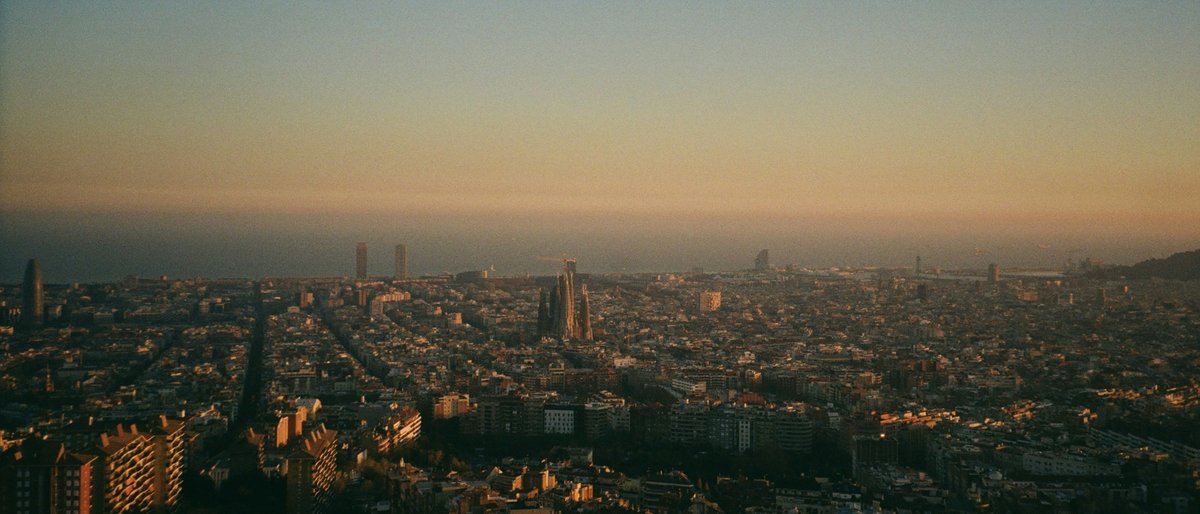
viewpointThe old anti-aircraft battery position on the Turó de la Rovira hill offers what might be the single best panoramic view of Barcelona: better than Tibidabo, arguably better than Montjuïc, and free. In July, go at sunset. The light turns the city pink and gold, Sagrada Família catches the last rays, and the sea glitters. It's a steep walk up, so bring water. The warmth of the concrete under your hands as you sit and watch the light change is one of those quietly memorable sensations.
El CarmelBarceloneta neighborhood
neighborhoodBeyond just the beach, the old fishing quarter itself is worth wandering in the early evening. Narrow streets, laundry hanging between buildings, the faint smell of grilled fish from restaurants prepping for dinner service. The neighborhood still has traces of its working-class maritime roots despite the tourist pressure. Plaça de la Barceloneta fills with families and older residents playing cards in the evening warmth.
BarcelonetaMercat de Sant Antoni
marketReopened after a long renovation, this iron-and-glass market hall is both gorgeous and functional. The food section inside is air-conditioned: a legitimate reason to visit in July heat. Sunday mornings bring a book and coin market around the perimeter that's been running for over a century. The produce stalls in July are piled with stone fruit, tomatoes, and peppers at their absolute peak.
Sant AntoniJardins de Mossèn Costa i Llobera
gardenA cactus garden on the slopes of Montjuïc that most tourists never find. Over 800 species of cacti and succulents, many in bloom during July. The Mediterranean views from the terraces are excellent, and the garden itself has a strange, almost alien beauty: all spines and thick leaves against the blue sea background. Barely anyone is here even in peak season.
MontjuïcEl Born Centre de Cultura i Memòria
museumA converted 19th-century iron market building with archaeological ruins from 1700 visible beneath a glass floor. The building itself is beautifully cool inside: the high iron-and-glass ceiling creates natural ventilation. It's a good midday escape from the heat that also happens to be historically significant, showing the layers of the city beneath your feet.
El BornPlatja de la Mar Bella
beachFurther northeast along the coast from Barceloneta, this beach is noticeably less crowded and has a more local character. There's a chiringuito with decent food, a section that's clothing-optional, and the sand is cleaner because fewer people means less foot traffic. The water is the same warm July temperature, but you can find space to put your towel down.
Poblenou
Your packing checklist
Tick items off as you pack. Your progress saves in this browser.
All packed — have a great trip.
Insider tips
The beach gets all the attention, but the municipal swimming pools are where locals go to cool off. Piscines Bernat Picornell on Montjuïc (the 1992 Olympic pool) is open to the public with a day pass and has an outdoor deck with city views. Fraction of the beach crowd, and the water is clean.
If you're eating on La Rambla or Passeig de Gràcia, you're paying a 30-40% tourism tax on mediocre food. Walk one block off any major tourist artery and the quality jumps while prices drop. Carrer del Parlament in Sant Antoni and Carrer de Torrijos in Gràcia are both lined with spots where locals eat.
The metro gets unpleasant in July: stations are underground ovens with minimal ventilation, and packed trains during rush hour feel punishing. If you're going short distances, consider walking along shaded streets or taking the bus, which at least has air conditioning. The T-Casual card works on both.
Supermarkets like Mercadona and BonPreu sell excellent pre-made gazpacho in cartons for a couple of euros. Keeping one cold in your accommodation means you always have a refreshing, cheap meal option after a long day when the thought of sitting in another warm restaurant sounds exhausting.
Many museums offer free entry on the first Sunday of the month and Thursday evenings. In July, this is a strategic move: you get culture and air conditioning simultaneously. MACBA, MNAC, and the Picasso Museum all participate, though the Picasso Museum line can be long even for free entry.
Avoid these mistakes
- Scheduling major outdoor sightseeing between noon and 4pm: this is when heat and UV peak. The locals disappear indoors for good reason. Plan museums, lunch, and rest for this window, and save walking tours for morning or evening. Sagrada Família is brutal in the afternoon when the interior greenhouse effect adds degrees.
- Assuming Barceloneta beach represents all of Barcelona's beaches: it's the most famous but also the most packed and least clean in July. Walking 15-20 minutes northeast to Bogatell or Mar Bella dramatically reduces crowd density. The water and sand are the same; the experience is noticeably better.
- Not booking Sagrada Família tickets in advance: in July, walk-up tickets simply don't exist most days. The same goes for Park Güell's monumental zone. Buy tickets online at least a week ahead, ideally two. First-morning and late-afternoon time slots tend to have slightly better availability.
- Wearing brand-new sandals for a full day of walking on cobblestones: break them in before the trip. Blisters in July heat, combined with sand and sweat, turn painful fast and can ruin walking days. The Barri Gòtic's uneven stones are harder on feet than they look.
Practical tips for July
Book accommodation and major attraction tickets 6-8 weeks ahead minimum: July availability tightens fast and last-minute options are either overpriced or poorly located. Sagrada Família, Park Güell, and Casa Batlló all require advance timed-entry tickets. Restaurant reservations for dinner are wise at popular spots, on Friday and Saturday nights, though the tapas bar culture remains largely walk-in.
Siesta culture is real in July even in Barcelona, which is more commercially active than southern Spain. Some smaller shops, in Gràcia and Poble-sec, close between 2pm and 5pm. Don't plan a shopping afternoon and find shuttered storefronts: check hours or focus on department stores and the Passeig de Gràcia brands, which stay open through.
Dress codes matter for churches and some upscale restaurants. Bare shoulders and very short shorts will get you turned away at the Cathedral and Sagrada Família. Smart-casual works everywhere in the evening: Barcelona is fashion-conscious and locals dress up even in summer.
The T-Casual metro card (10 trips) is the best transit value. Taxis are reasonable by European standards and all use meters. Ride-share apps operate but standard green-and-black taxis are plentiful and honest. Airport bus (Aerobús) runs frequently and is the most reliable airport transfer.
Stay hydrated aggressively: the combination of heat, humidity, walking, and possibly alcohol catches people off guard. Pharmacies (look for the green cross) are well-stocked and pharmacists can advise on heat-related issues without a doctor visit.
FAQ
Is July a good time to visit Barcelona?
It depends on what you want. July delivers warm beach weather, long evenings, outdoor cultural events like Grec Festival, and peak summer energy. But it also brings the year's biggest crowds, highest hotel prices, and uncomfortable midday heat with 70% humidity. If you love beach cities in full summer swing and don't mind paying premium prices, July works. If you prefer quieter streets, comfortable walking weather, and better value, May, June, or October would serve you better.
What is the weather like in Barcelona in July?
Hot and humid but not extreme by Mediterranean standards. Average highs reach about 29°C (84°F) with lows around 22°C (72°F), so it stays warm even at night. Humidity hovers around 70%, which makes the heat feel stickier than the numbers suggest: in narrow old-city streets without breeze. Rain is infrequent, with roughly 50mm spread across about 6 days, usually as short afternoon thunderstorms that clear quickly. Expect strong sunshine and UV levels of 9-10 at midday.
Is Barcelona crowded in July?
Yes: July is one of the two peak tourist months alongside August. Sagrada Família, Park Güell, La Boqueria market, and the Gothic Quarter are all noticeably more congested than in spring or autumn. Barceloneta beach fills to capacity on weekends. Restaurant waits are longer, metro trains are fuller, and you'll encounter tour groups at most major sites. Early morning (before 9am) and late evening (after 8pm) are your best windows for experiencing popular areas without the worst of the crowds.
Is it too hot to walk around Barcelona in July?
Midday, honestly, yes: walking from noon to 4pm on exposed streets like the Eixample grid or along the waterfront is draining and the UV exposure is risky. Mornings before 10am and evenings after 6pm are comfortable for walking. The Gothic Quarter's narrow streets offer some shade, and the sea breeze helps along the coast. Plan museum visits, long lunches, and rest for the hottest hours. Carry water and use sunscreen regardless of what time you go out.
What should I book in advance for Barcelona in July?
At minimum: your hotel (6-8 weeks ahead for decent options), Sagrada Família tickets (1-2 weeks ahead, earlier for preferred time slots), Park Güell monumental zone entry, and Casa Batlló if you plan to visit. Popular restaurants merit reservations for dinner, on weekends. Grec Festival headline performances sell out quickly: check their website in May if you have specific shows in mind. Day trips to Montserrat are fine to book a few days ahead, but airport transfers on weekend mornings fill up.
Things to Do in Barcelona in July
 Free cancellation
 Sagrada Familia Guided Tour with Skip the Line Ticket
City tour: 1.5 hours, free cancellation.
via Viator Free cancellation
 Park Guell Skip-the-Line Guided Tour in Barcelona
City tour: 1 hour, free cancellation.
via Viator Free cancellation
 From Barcelona: Half-Day Montserrat, Tapas & Wine Tour
Day trip: free cancellation.
via Viator Free cancellation
 Montserrat & Cogwheel Train, Gourmet Wine Tasting & Tapas/Lunch
Day trip: free cancellation.
via Viator Free cancellation
 Park Guell and Sagrada Familia Tour with Skip the Line Tickets
Day trip: 4 hours, free cancellation.
via Viator Free cancellation
 Montserrat, Girona & Costa Brava Guided Day Trip from Barcelona
Day trip: 11.5 hours, free cancellation.
via ViatorFind a flight to Barcelona
Live fares to Barcelona appear here once cookies are accepted.
Last verified by automated review (v1.7.1) on . What is automated review?