Compare every Spain city in August →
Stay in Barcelona in August
78 hotels in the Trip.com pool for Barcelona, from US$19 a night.
Opens Trip.com on Fri 6 Aug to Sun 8 Aug 2027; change the dates there.
August in Barcelona is hot, crowded, and expensive, and half the city has left town. That's the single most important thing to understand about visiting right now. Many local businesses shut their doors for the entire month as Catalans head to the coast or the mountains for their summer holidays. You'll find hand-written signs reading "tancat per vacances" (closed for holidays) on neighborhood restaurants, small shops, and family-run bakeries across the Eixample and Gràcia. The tourists, meanwhile, arrive in full force. Temperatures hover around 29°C (85°F) during the day and rarely dip below 22°C (71°F) at night, with a sticky 72% humidity that makes the Gothic Quarter feel like a slow cooker by mid-afternoon.
That said, there's a strange charm to August Barcelona if you calibrate your expectations. The beaches are packed but the energy is festive, during the Festes de Gràcia in the first half of the month, when residents of that neighborhood spend weeks decorating their streets in elaborate, competitive displays. La Mercè doesn't arrive until September, but Gràcia's festa is arguably more intimate and more fun. The light lasts until nearly 9pm, the sea is at its warmest, and the city takes on a slower, more permissive rhythm. You'll eat dinner at 10pm and nobody will blink.
But let's be direct: if you have flexibility on timing, May, June, or October will give you a better Barcelona experience with fewer crowds, lower prices, and more of the city open for business. August works if beach time and street festivals are your priority. Otherwise, you might want to shift your dates.
Why visit in August
- The Mediterranean is at its warmest: sea temperatures reach 25-26°C (77-79°F), making Barcelona's beaches swimmable rather than just scenic
- Festes de Gràcia transforms an entire neighborhood into an open-air art installation for about a week, with live music, communal dinners, and streets competing for the best decorations
- Extended daylight until nearly 9pm means you can visit Park Güell or Montjuïc in golden hour light without rushing, and evening paseos along the waterfront feel unhurried
- Many cultural institutions like MACBA and the Fundació Joan Miró run extended summer hours, and outdoor cinema screenings pop up at venues like Sala Montjuïc
Worth knowing
- Peak tourist season means La Rambla, the Sagrada Família, and Park Güell are at maximum capacity: expect long queues even with timed tickets, and pickpockets are at their most active
- A significant number of neighborhood restaurants, owner-operated spots in Gràcia, Sant Antoni, and Poble-sec, close for two to four weeks, limiting your authentic dining options
- The humidity compounds the heat in a way that raw temperature doesn't capture: 29°C at 72% humidity feels closer to 34°C, and the narrow streets of the Barri Gòtic trap warm air with little breeze
- Hotel and Airbnb prices hit their annual peak, often 50-70% above shoulder season rates, and last-minute availability in desirable neighborhoods is scarce
Best for
Think twice if
August is tied with July as Barcelona's hottest month. Daytime highs sit around 29°C (85°F), though the real story is the humidity: at 72%, the air feels heavier than the thermometer suggests. Nights offer limited relief, with lows around 22°C (71°F), which means sleeping without air conditioning tends to be uncomfortable. Rainfall is modest at 47mm across roughly 6 days, usually arriving as brief late-afternoon thunderstorms that clear within an hour. These storms can be dramatic (sudden downpours with thunder echoing off the Eixample's grid) but they pass quickly and the pavement dries before dinner. The sea breeze along Barceloneta provides some respite, though it fades once you move a few blocks inland.
Seasonal caution
- Heat index regularly exceeds 33°C (91°F) due to the combination of high temperatures and 72% humidity: limit midday outdoor activity, walking tours through shadeless areas like the waterfront or Montjuïc
- Occasional heat waves push temperatures above 35°C (95°F) for several consecutive days, typically triggered by hot air masses from North Africa: check forecasts and plan indoor activities during these spells
Year-round climate
Averages from the last 5 years.
| Month | Avg high (°C) | Avg low (°C) | Rainfall (mm) |
|---|---|---|---|
| Jan | 14 | 5 | 18 |
| Feb | 15 | 7 | 31 |
| Mar | 16 | 9 | 69 |
| Apr | 18 | 10 | 58 |
| May | 22 | 14 | 59 |
| Jun | 27 | 20 | 34 |
| Jul | 29 | 22 | 50 |
| Aug | 29 | 22 | 47 |
| Sep | 26 | 18 | 115 |
| Oct | 23 | 15 | 68 |
| Nov | 18 | 10 | 51 |
| Dec | 16 | 6 | 48 |
Holidays and festivals in August
Public holidays
- Assumption(Asunción)15 August 2027
Headline events
Festes de Gràcia (Festa Major de Gràcia)
August 15-21
The residents of Gràcia neighborhood spend months secretly designing and building elaborate street decorations, then unveil them all at once. Each street competes for best design, with themes ranging from underwater worlds to political satire, all built from recycled materials. Live music stages, communal meals, and dancing fill the decorated streets from afternoon until the early hours. It's one of those events that feels local even though tourists have caught on: the scale of craft and community effort is hard to fake.
Best things to do in August
Beach hopping along the Barceloneta to Bogatell stretch
outdoorBarcelona's city beaches run for several kilometers, and each has its own character. Barceloneta is the busiest: packed towels, volleyball games, vendors selling mojitos from coolers. Walk ten minutes north and Bogatell tends to be calmer, with a slightly older crowd and more space to spread out. The water is warm enough to swim in, not just wade.
Sea temperatures peak at 25-26°C in August, the warmest you'll get all year. Every other month involves some degree of bracing yourself.Booking tipArrive before 10am to claim a decent spot, on weekends. By noon, Barceloneta is standing room only.
Evening stroll through the decorated streets of Gràcia
culturalDuring Festes de Gràcia, walking the narrow streets of this neighborhood becomes a kind of open-air gallery tour. Residents transform entire blocks with handmade decorations: think papier-mâché sea creatures suspended overhead, or an entire street reimagined as a coral reef. The craft is impressive, and the competitive spirit between streets adds an edge. Live music drifts from small stages tucked into intersections.
The festival only happens once a year, typically the week around August 15. Outside this window, the streets are just regular streets.Booking tipNo booking needed, just show up. Evenings from about 7pm onward have the best atmosphere, when the heat drops slightly and the stages warm up.
Outdoor cinema at Sala Montjuïc
entertainmentAn open-air film series on the hillside of Montjuïc castle, with views over the city and the port. Films tend to be a mix of recent releases and classics, shown in original language with subtitles. The setting (stone walls of a 17th-century fortress, city lights below) is what makes it special. People bring picnic blankets and wine.
The series runs through the summer months, but August nights are the warmest and most reliably dry, so you're less likely to get rained out.Booking tipTickets sell out for popular screenings. Check the schedule and buy online in advance rather than hoping to walk up.
Day trip to Sitges
day_tripThis coastal town about 40 minutes south by train has a change of pace from Barcelona's intensity. The beaches are slightly less crowded, the old town is walkable and photogenic, and the seafood restaurants along the waterfront serve fresh catches with less tourist markup. The vibe is relaxed and slightly bohemian: Sitges has long been popular with artists and the LGBTQ+ community.
When Barcelona's beaches feel overwhelming, Sitges offers warm water and sand without quite the same density of bodies. The Cercanías train runs frequently and the ride itself hugs the coast.Booking tipTake the R2 Sud train from Passeig de Gràcia or Sants. No reservation needed, just tap your T-Casual card or buy a ticket at the station.
Late-night tapas crawl through El Born
foodEl Born stays lively in August because it caters heavily to visitors, but the quality of the bars hasn't suffered the way La Rambla's has. The narrow medieval streets are cooler after dark, and you can wander between small plates of patatas bravas, croquetas, and anchovy pintxos without a plan. The neighborhood doesn't really get going until 9pm, which suits August's shifted schedule.
The heat makes daytime eating feel heavy, so Barcelona's natural summer rhythm pushes dining later. By 10pm the streets are full of people doing exactly this.Booking tipMost tapas bars don't take reservations, just walk in. If you want a sit-down meal at a specific restaurant, book a few days ahead.
Sunrise kayaking along the coast
outdoorSeveral outfitters run early-morning kayak sessions that launch from Barceloneta beach before the crowds arrive. You paddle along the breakwater, past the W Hotel, and sometimes out toward the Forum area. The sea is glassy at dawn, the city is still quiet, and you get a perspective on Barcelona's waterfront that walking doesn't offer.
Calm seas and warm water make August ideal, no wetsuit needed, and conditions are predictable. The early start also means you're done before the heat peaks.Booking tipBook at least a day or two in advance, for weekend sessions. Most tours launch around 7am.
What to eat in August
In season: fruit
Figs (Figues)
Late summer brings Catalan figs to their peak: dark-skinned, honey-sweet, and soft enough to split open with your thumb. You'll find them at the Mercat de la Boqueria and neighborhood markets, often paired with local goat cheese or served with thin slices of fuet.
On menus now
Escalivada
This smoky roasted vegetable dish: typically eggplant, red peppers, and onions charred over open flame, then peeled and dressed with olive oil: is a summer staple that feels right in the August heat. Served at room temperature, it works as a starter or a side, and the best versions have that deep, almost caramelized sweetness from slow roasting.
What to drink
Granissat de Llimona
Barcelona's answer to the slushie, but far more dignified. Crushed ice blended with fresh lemon juice and just enough sugar: you'll see locals ordering these at beach chiringuitos and old-school granjas alike. The tartness cuts through the August humidity in a way that cold water simply doesn't.
In markets
Tomàquet de Montserrat
These large, ridged tomatoes from the Montserrat area hit their stride in August. Irregularly shaped and almost ugly, they're the tomatoes Catalans use for pa amb tomàquet: rubbed raw onto toasted bread with a drizzle of olive oil and salt. The flavor is concentrated and slightly acidic, nothing like the pale supermarket variety.
Regular events in August
Sala Montjuïc open-air cinema
Weekly outdoor film screenings at the Montjuïc castle, combining cinema with live music and food trucks. The program runs through the summer and wraps up in early August.
Early August (final screenings)Música als ParcsFree
Free open-air concerts in Barcelona's public parks, organized by the city council. Genres range from jazz to classical to flamenco, and the settings (shaded gardens, fountains) make for pleasant summer evenings.
Throughout AugustCircuit Festival
One of Europe's largest LGBTQ+ festivals draws tens of thousands of visitors to Barcelona in August, with pool parties, club nights, and cultural events spread across the city over roughly ten days.
Early to mid-AugustBest places this August
Mercat de la Boqueria
marketBarcelona's most famous food market is heaving in August, but early morning visits (before about 10am) still let you browse the stalls of seasonal fruit, jamón, and fresh seafood without too much jostling. The vendors at the back of the market, away from the tourist-facing juice bars, tend to be more authentic.
La RamblaBunkers del Carmel
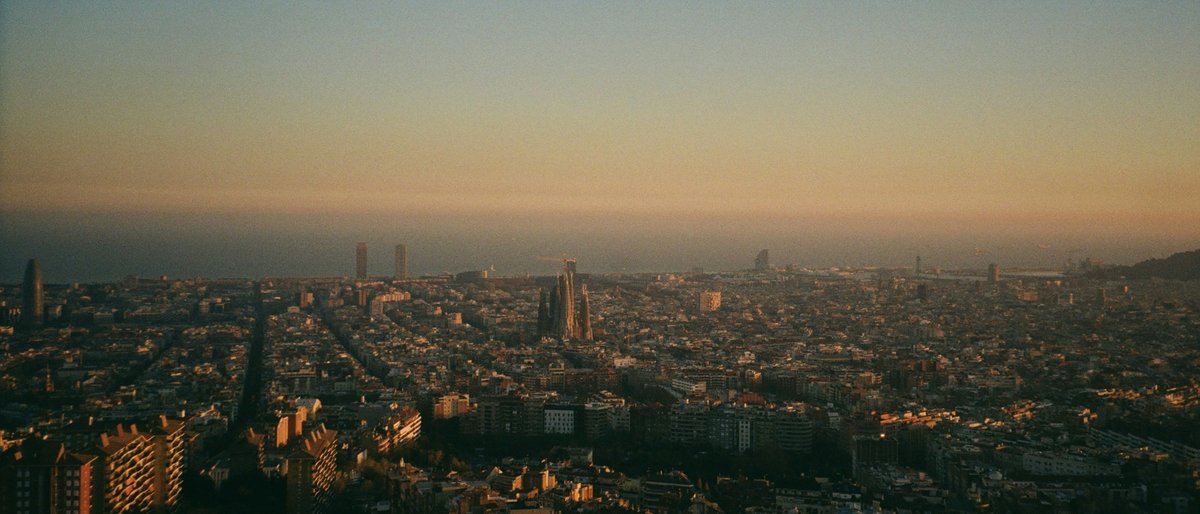
viewpointThe remains of anti-aircraft batteries from the Spanish Civil War sit on a hilltop in the Carmel neighborhood, offering what might be the best panoramic view of Barcelona. It's become popular with locals for sunset drinks, so August evenings draw a crowd, but the 360-degree vista of the city, sea, and Tibidabo is worth the walk up.
El CarmelBarceloneta Beach
beachThe closest beach to the old city and therefore the most packed in August. The atmosphere is more party than peaceful: music, beach bars, volleyball games, swimmers. It's not the prettiest beach, but it's where the energy is. The chiringuitos along the boardwalk serve cold beer and simple seafood.
BarcelonetaPark Güell
landmarkGaudí's mosaic-covered park on the hillside is best visited in the late afternoon in August, when the light softens and the worst of the heat has passed. Timed tickets are mandatory for the monumental zone, and even with them you'll share the space with plenty of other visitors. The free areas of the park, higher up, offer quieter trails.
GràciaMACBA (Museu d'Art Contemporani de Barcelona)
museumThe contemporary art museum in Raval runs extended summer hours and provides air-conditioned relief from the August heat. The collection rotates frequently, and the broad plaza out front is a gathering spot for skaters and locals: its own kind of free show.
El RavalMontjuïc
parkThe hill overlooking the port holds gardens, the Joan Miró foundation, the Olympic stadium, and the castle. In August, it's one of the cooler spots in the city thanks to elevation and tree cover. The cable car ride up offers good views, though the line can be long in peak season.
Montjuïc
Your packing checklist
Tick items off as you pack. Your progress saves in this browser.
All packed — have a great trip.
Insider tips
The Gràcia festival streets are announced a few days before the festa begins: locals follow the neighborhood association's social media for the reveal. Knowing which streets are competing lets you plan a route rather than wandering randomly.
Barcelona's tap water is technically safe but tastes strongly of chlorine. Most locals drink filtered or bottled water. If you're filling a reusable bottle, the Font de Canaletes on La Rambla is famous, but any filtered public fountain will taste better than the tap.
Metro and bus passes work on the Rodalies commuter train to Sitges, Castelldefels, and other coastal towns, no need to buy a separate ticket if you have a T-Casual loaded for zone 1-6.
Many of the restaurants that stay open in August are the tourist-oriented ones. For better food, look for places in Poblenou and Sant Martí, neighborhoods where the holiday exodus is less total and some good kitchens keep running.
The Magic Fountain of Montjuïc runs free light-and-music shows on summer evenings, typically Thursday through Sunday. It's touristy, sure, but the choreography against the backdrop of the Palau Nacional is pretty, and it costs nothing.
Avoid these mistakes
- Planning a food-focused trip without checking restaurant closures: showing up to find your carefully researched list of neighborhood spots shuttered is a common August disappointment. Call ahead or check social media before walking across town.
- Underestimating the humidity factor: 29°C sounds manageable until you add 72% humidity and realize your body can't cool itself efficiently. Visitors from dry-heat climates are often caught off guard.
- Booking Sagrada Família tickets for midday: the interior is spectacular but the queue area has limited shade. Morning slots before 10am get softer light through the stained glass and shorter waits.
- Spending all your time in the Gothic Quarter and La Rambla: these areas are at their worst in August, overcrowded and overpriced. Branch out to Poblenou, Sant Antoni, or the upper reaches of Gràcia for a more representative Barcelona experience.
- Assuming the beach is the only way to cool down: Barcelona has excellent public pools, air-conditioned museums, and shaded parks on Montjuïc and Tibidabo that offer relief without the sand-in-everything situation.
Practical tips for August
Book accommodation and major attraction tickets well in advance: August availability in central neighborhoods disappears fast, and prices climb as dates approach. For the Sagrada Família and Park Güell, timed-entry tickets should be purchased at least two weeks ahead; same-day availability is unlikely. Keep hydrated throughout the day, as the humidity masks how much you're sweating. The city's rhythm shifts dramatically in summer: shops and smaller museums may close between 2pm and 5pm, restaurants don't fill up until after 9:30pm, and nightlife doesn't start until midnight at the earliest. Public transport runs reliably, and the metro is air-conditioned, making it the most comfortable way to move around the city during peak heat hours. If you're visiting during Festes de Gràcia, expect the neighborhood's streets to be closed to traffic and extremely crowded in the evenings: this is by design, and navigating by metro to the Fontana station is easier than trying to approach by bus or taxi.
FAQ
Is August a good time to visit Barcelona?
It's workable but far from ideal. The beaches and festivals are at their peak, but so are the crowds, prices, and heat. If your schedule allows flexibility, shoulder months like May, June, or October tend to offer a fuller Barcelona experience with more restaurants open, shorter queues, and more comfortable temperatures. August works best if beach time and Festes de Gràcia are your priorities.
How hot does Barcelona get in August?
Daytime highs typically sit around 29°C (85°F), but the humidity (usually around 72%) makes it feel several degrees warmer. The heat index regularly pushes past 33°C (91°F). Nights stay warm at around 22°C (71°F), which means you'll want air conditioning for sleeping. Occasional heat waves driven by North African air masses can push temperatures above 35°C for several days running.
Are restaurants open in Barcelona in August?
Many are, but a meaningful number of neighborhood and family-run restaurants close for two to four weeks during August as owners take their summer holidays. The closures hit hardest in residential neighborhoods like Gràcia, Poble-sec, and Sant Antoni. Tourist-oriented restaurants in the Gothic Quarter and along the waterfront generally stay open, and neighborhoods like Poblenou tend to have better options than the old city during this month.
What should I wear in Barcelona in August?
Light, breathable clothing in natural fabrics: cotton and linen work best in the humidity. Comfortable walking shoes or sandals that can handle cobblestones are a must. Bring a light layer for air-conditioned spaces, which can feel shockingly cold compared to the street. Swimwear is worth having on hand since the beaches are at their most inviting, and a hat or cap helps with sun exposure during midday hours.
Is the sea warm enough for swimming in August?
This is the best month for swimming in Barcelona. Mediterranean sea temperatures reach 25-26°C (77-79°F), which is warm, no gasping when you wade in. The water stays comfortable well into the evening. By contrast, spring and autumn sea temperatures sit closer to 15-18°C, which most people find too cold for more than a quick dip.
Things to Do in Barcelona in August
 Free cancellation
 Sagrada Familia Guided Tour with Skip the Line Ticket
City tour: 1.5 hours, free cancellation.
via Viator Free cancellation
 Park Guell Skip-the-Line Guided Tour in Barcelona
City tour: 1 hour, free cancellation.
via Viator Free cancellation
 From Barcelona: Half-Day Montserrat, Tapas & Wine Tour
Day trip: free cancellation.
via Viator Free cancellation
 Montserrat & Cogwheel Train, Gourmet Wine Tasting & Tapas/Lunch
Day trip: free cancellation.
via Viator Free cancellation
 Park Guell and Sagrada Familia Tour with Skip the Line Tickets
Day trip: 4 hours, free cancellation.
via Viator Free cancellation
 Montserrat, Girona & Costa Brava Guided Day Trip from Barcelona
Day trip: 11.5 hours, free cancellation.
via ViatorFind a flight to Barcelona
Live fares to Barcelona appear here once cookies are accepted.
Last verified by automated review (v1.7.1) on . What is automated review?