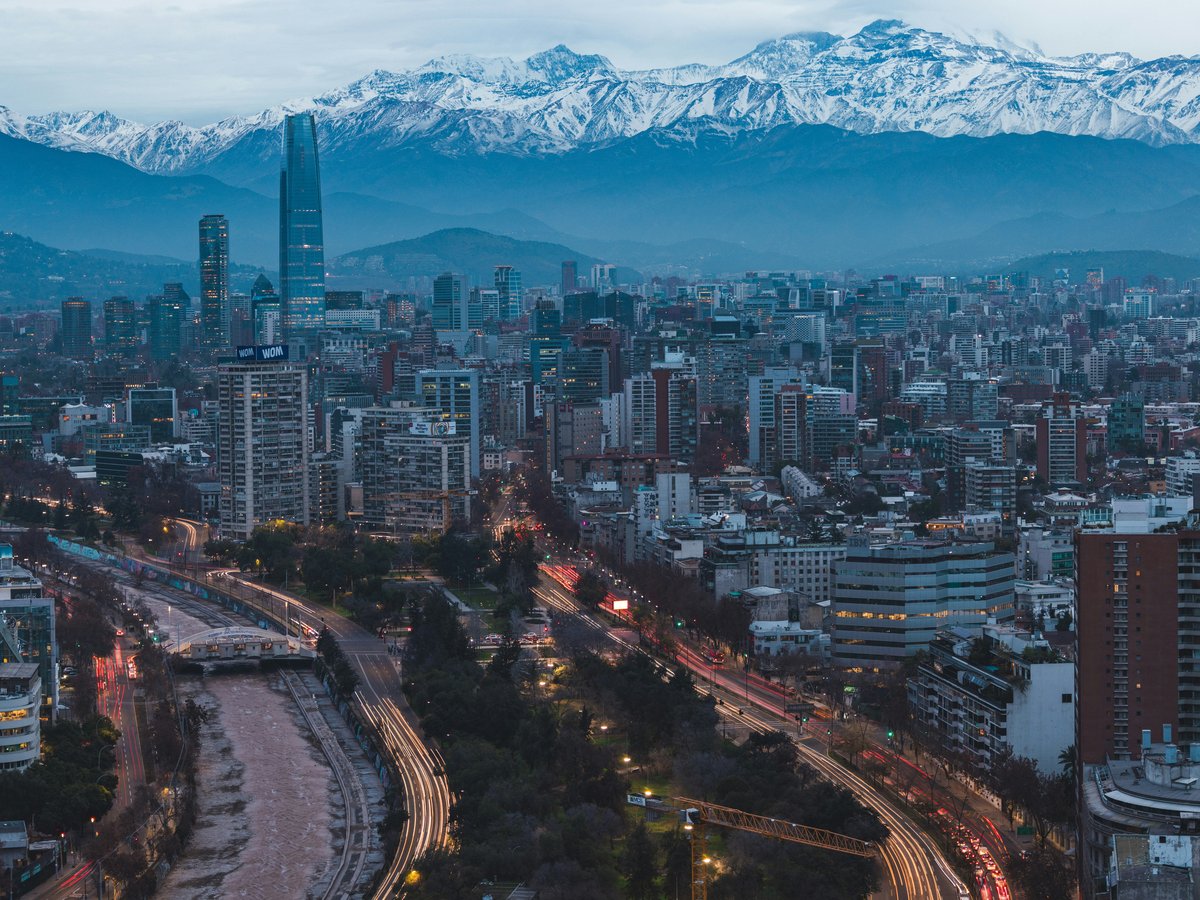
Is Santiago LGBTQ-friendly?
Santiago scores 7.5/10 for LGBTQ+ friendliness, sourced from TTDI's editorial rubric, and same-sex couples can marry here. Holding hands in Barrio Lastarria or Providencia draws a glance at most. The scene runs from the bars on Pío Nono in Bellavista to the old clubs on Avenida Santa María, though outer comunas and Pío Nono late at night call for more care.
Base yourselves in Barrio Lastarria, not Las Condes. Lastarria's streets around Cerro Santa Lucía are the city's most relaxed for two men or two women walking arm in arm, and Bellavista's bars are a 15-minute walk across the Mapocho. The Singular Santiago on Merced has a rooftop bar that looks onto the hill, and you can smell the jasmine on its terrace in spring. Hotel Magnolia on Huérfanos is the better-value pick, though its entry-level rooms are tight for two people with two suitcases, so ask for a deluxe. Staff at both hotels see same-sex couples every week and won't ask about the double bed.
Split the day if one of you is into food and the other into history. The history buff should take Metro Line 5 to Quinta Normal for the Museum of Memory and Human Rights: entry is free, it closes on Mondays, and the dictatorship-era archive deserves three hours. Then walk past Parque San Borja near Metro Universidad Católica, where Daniel Zamudio was beaten in 2012 and Chile's anti-discrimination law carries his name. The foodie can spend the same morning at La Vega Central in Recoleta, where the stalls hiss with sopaipillas frying and mote con huesillo sells for about CLP 1,500 a cup. Meet at the Hidalgo Castle terrace on Cerro Santa Lucía for the last light over the Andes, and bring a jacket because it's cool once the sun drops.
Book dinner for 9pm, which is early by Santiago standards. Peumayén on Constitución in Bellavista serves a tasting of Mapuche, Rapa Nui and Atacameño dishes, the basket of ancestral breads arrives warm, and a full dinner runs about CLP 35,000 a head, roughly USD 36. Bocanáriz on Lastarria is the better choice for two wine people: ask the staff for a three-glass Carménère flight and sit at the counter, not the street tables. One honest warning about Pío Nono, the street Bellavista's queer bars share with student pubs: on Fridays and Saturdays it fills with despedidas de soltera wearing sashes and plastic tiaras, and the reggaeton gets loud. For a quieter late drink, stay on Constitución or go back to Lastarria.
Composite of legal status, social acceptance, and visible scene.
Legal status
Same-sex relations are legal
Same-sex sexual activity has been legal in Chile since 1999, and same-sex couples have been able to marry and adopt since 10 March 2022, following civil unions available from 2015. The 2012 Zamudio law bans discrimination based on sexual orientation, gender identity and gender expression, and such motives are an aggravating factor in crimes. A majority of Chilean society supports LGBTQ rights.
Verified against equaldex.com and en.wikipedia.org .
The scene
Barrio Bellavista is the centre. Bokhara on Pío Nono runs drag and dance nights until about 5am, and Club Fausto at Avenida Santa María 0832 in Providencia has been drawing gay crowds since 1979. Blondie at Alameda 2879, near Metro Unión Latinoamericana, mixes queer pop nights with indie crowds. The Marcha del Orgullo usually fills the Alameda in late June. Opening nights change often, so check each venue's Instagram before you go.
Safety notes
Providencia, Lastarria, Bellavista and Ñuñoa are the easy zones for public affection. After midnight on weekends, Pío Nono draws plenty of pickpockets, so keep phones zipped and order an Uber or Cabify home. Protests still form around Plaza Baquedano and can end in tear gas. In outer comunas like Puente Alto, a same-sex kiss on the Metro will get stares, so keep it low-key there.
Last verified by automated review (v1.7.2) on . What is automated review?