Stay in Buenos Aires in March
93 hotels in the Trip.com pool for Buenos Aires, from US$9 a night.
Opens Trip.com on Fri 5 Mar to Sun 7 Mar 2027; change the dates there.
March in Buenos Aires is, above all else, the rainiest month of the year. That's the thing you need to sit with before booking. At 191mm of rainfall spread across roughly 10 days, you're looking at nearly triple what January gets, and when those storms roll in off the Río de la Plata, they tend to be proper downpours, not gentle drizzle. The air carries that particular thickness of late summer, still warm at 25.5°C (78°F) during the day but cooling to around 18.9°C (66°F) at night, which honestly feels like a relief after the January and February furnace. The humidity sits at about 74%, enough that you'll notice your shirt sticking to you on the Subte but not quite the oppressive wall of December.
That said, March has a quality that January and February lack: the city wakes back up. Porteños return from their beach holidays in Mar del Plata and the Atlantic coast. Theaters reopen their seasons. Restaurants that shuttered for vacation start firing up the grills again. The cultural calendar shifts from sleepy to full. You'll find the city has its working rhythm back, which means the tango milongas are packed with regulars rather than tourists, the weekend ferias have their full roster of vendors, and the parrillas in Palermo aren't half-empty on a Tuesday night.
To be fair, the rain is a real trade-off. You'll likely lose at least two or three days to storms heavy enough to alter plans. But the days between those downpours tend to be gorgeous: warm golden light, those enormous porteño skies, and temperatures that let you walk the city without wilting. If you're flexible with your itinerary and don't mind ducking into a café when the sky opens up, March rewards you with a Buenos Aires that feels lived-in rather than performed for tourists.
Why visit in March
- Summer crowds have thinned: January's tourist peak is over, and you'll share the city with returning locals rather than tour groups
- Temperatures have dropped from the January-February heat into a comfortable 25-26°C range that makes walking the city pleasant
- The cultural season restarts in force: theater premieres, gallery openings, and the full tango milonga calendar resume after the summer break
- Late summer produce is at its peak, with figs, grapes, and early quinces filling the markets in San Telmo and Belgrano
Worth knowing
- The highest rainfall of any month at 191mm: expect at least two or three days where heavy storms disrupt outdoor plans entirely
- Humidity at 74% means the warmth has a sticky quality that can wear you down during afternoon walks, in dense neighborhoods like Microcentro
- Some businesses and restaurants still operate on reduced summer hours through early March before fully resuming
- Mosquitoes are still active in parks and along the river: the warm, wet conditions are exactly what they thrive in
Best for
Think twice if
Late summer sliding into early autumn. Days are warm but no longer punishing: you'll get stretches of clear skies with temperatures reaching 25-26°C, broken up by periods of heavy rain. The storms tend to be theatrical: dark skies, dramatic thunder, rain that pounds the pavement for an hour or two and then clears. Mornings often start pleasant before the humidity builds through the afternoon. Nights cool down enough that you might want a light layer if you're sitting outside at a sidewalk café past midnight. The wind off the Río de la Plata can drop the perceived temperature a few degrees, in Puerto Madero and La Boca along the waterfront.
Seasonal caution
- March is the wettest month of the year at 191mm: nearly triple January's rainfall. Individual storms can dump 30-50mm in a single afternoon, temporarily flooding low-lying streets in La Boca and parts of Barracas. Check drainage conditions if staying in ground-floor accommodations in these neighborhoods.
Year-round climate
Averages from the last 5 years.
| Month | Avg high (°C) | Avg low (°C) | Rainfall (mm) |
|---|---|---|---|
| Jan | 29 | 21 | 69 |
| Feb | 28 | 20 | 100 |
| Mar | 26 | 19 | 191 |
| Apr | 21 | 15 | 100 |
| May | 17 | 10 | 84 |
| Jun | 15 | 8 | 27 |
| Jul | 14 | 8 | 42 |
| Aug | 16 | 9 | 77 |
| Sep | 19 | 11 | 69 |
| Oct | 22 | 14 | 63 |
| Nov | 25 | 17 | 105 |
| Dec | 28 | 19 | 67 |
Holidays and festivals in March
Public holidays
- Day of Remembrance for Truth and Justice(Día Nacional de la Memoria por la Verdad y la Justicia)24 March 2027
- Good Friday(Viernes Santo)26 March 2027
Headline events
Lollapalooza Argentina
Mid to late March (typically a 3-day weekend)
The South American edition of the Lollapalooza festival draws major international and Latin American acts to Buenos Aires, typically held at the Hipódromo de San Isidro. It's become one of the defining cultural events of the Argentine calendar, pulling crowds from across the continent. Think 100,000+ attendees across a multi-day weekend. The lineup tends to mix global headliners with Argentine and regional acts, and the atmosphere has a distinctly local energy: more mate thermoses in the crowd than you'd see at the Chicago edition.
Best things to do in March
Explore the reopened theater season
cultureBuenos Aires has more theaters per capita than almost any city on earth, and March is when the new season kicks off. Avenida Corrientes (the city's Broadway) lights up with new productions after the summer hiatus. You'll find everything from independent theater in Abasto to major productions at the Teatro San Martín. The ticket prices remain reasonable compared to equivalent shows in New York or London.
The theater season officially opens in March after the January-February summer break, offering premiere performances and the freshest productions of the year.Booking tipCheck the Alternativa Teatral website for listings. Weekend shows sell out faster: book midweek for better availability and a more local crowd.
Sunday San Telmo feria
shoppingThe San Telmo antiques fair runs every Sunday along Defensa street, but March is when it returns to full strength. In January and February, many vendors take vacation and the stalls thin out. By March, the full roster is back: silverwork, vintage soda siphons, leather goods, old tango records. The street performers return too. Arrive before 11am to browse before the crowds build, and work your way south from Plaza Dorrego.
The fair returns to full vendor capacity after the summer lull, with the complete range of antiques dealers and artisans back from vacation.Booking tipNo booking needed, but arrive by 10:30am to see the stalls setting up and get first pick. The southern end near Parque Lezama is less crowded.
Tango milongas with the regulars
cultureThe milonga circuit in Buenos Aires runs year-round, but the character changes dramatically by season. In March, the regulars return from their beach holidays and the milongas fill with practiced dancers rather than summer tourists. Places like Salón Canning, La Viruta, and La Catedral have their full weekly schedules back. The energy shifts: the dancing gets sharper, the cabeceo (the nod-based invitation system) is used properly, and you can feel the difference in the room.
The regular milonga community reconvenes after the summer exodus, bringing back the full social dance culture that defines Buenos Aires tango.Booking tipMany milongas operate on a first-come basis. Arrive 30-45 minutes after the listed start time: that is when the room fills and the serious dancing begins.
Tigre Delta kayaking (on clear days)
outdoorThe Paraná Delta at Tigre, about an hour north of central Buenos Aires by train, has a network of waterways through islands of willows and fruit trees. March is the last month where the water temperature is comfortable for kayaking and the vegetation is still lush and green. The rivers are quiet on weekday mornings, just you, the water, and the occasional river taxi passing by. Mind you, this is strictly a fair-weather activity in March given the rain risk.
Water temperatures are still warm enough to be comfortable, the delta vegetation is at full late-summer density, and the tourist crowds that pack Tigre in January have thinned considerably.Booking tipCheck the weather forecast the morning of: postpone if rain is likely. Several operators rent kayaks by the hour from the Tigre boat station area.
Wine tasting in Palermo wine bars
food and drinkMarch coincides with the grape harvest in Mendoza and other Argentine wine regions. Palermo Soho and Palermo Hollywood have a concentration of wine bars (places like Pain et Vin, Aldo's, and numerous unnamed corner spots) where you can try new vintage Malbecs and Torrontés alongside cheese and charcuterie boards. The sommeliers in these places tend to be knowledgeable and passionate, and the prices remain a fraction of what equivalent tastings cost in European or American wine cities.
Vendimia (grape harvest) is underway in Mendoza, and Buenos Aires wine bars begin featuring early-release wines and harvest-themed tastings. The sommelier community is energized by the new vintage.Booking tipWeeknight tastings are easier to walk into. Friday and Saturday evenings at popular spots may require a reservation.
Catch an early-season fútbol match
sportsThe Argentine Primera División season is in full swing by March. Catching a match at La Bombonera (Boca Juniors) or the Monumental (River Plate) in March means the season still has competitive tension without the end-of-season fixture congestion. The atmosphere in Argentine stadiums is something else entirely: the hinchadas (fan groups) sing for the full 90 minutes, the drums never stop, and the stands bounce. The sensory overload is genuine.
The league season is actively running with competitive matches. Early-season games tend to have high attendance as fans return from summer holidays eager to support their clubs.Booking tipBuy tickets through the club's official website or at the stadium box office. Avoid third-party resellers. For Boca-River derbies, you'll need a club membership: regular matches are more accessible.
Photography walks in La Boca and Barracas
outdoorThe late-summer light in Buenos Aires has a warmth that photographers chase: long golden hours, dramatic cloud formations rolling in before storms, and that particular quality of light bouncing off the corrugated metal walls of La Boca's conventillos. Barracas, the adjacent neighborhood, has some of the best street art in the city and far fewer tourists. The post-rain light, when it comes, is good: wet cobblestones reflecting Caminito's painted facades.
The late-summer golden hour lasts longer, storm clouds create dramatic skies, and the post-rain light on wet streets produces striking images. Tourist density is lower than in peak summer, making clean compositions easier.Booking tipGo early morning or in the last two hours before sunset for the best light. Barracas is best explored with a local guide for the first visit: the street art locations shift.
What to eat in March
In season: fruit
Higos frescos (fresh figs)
March is peak fig season in the Buenos Aires region. You'll find them piled high at the Mercado de San Telmo and neighborhood verdulerías: dark-skinned, heavy with juice, splitting slightly at the base when they're at their best. Eat them with a slice of queso criollo for the classic Argentine combination.
Uvas (late harvest grapes)
Table grapes from Mendoza and San Juan hit their stride in March. The Torrontés grapes in particular have a floral, almost perfumed sweetness. You'll see vendors selling them by the kilo at the weekend ferias, and they pair with the last warm evenings of summer.
On menus now
Membrillo (quince paste)
Quince season begins in late March, and artisanal dulce de membrillo starts appearing at specialty shops and market stalls. The fresh version (still slightly grainy, aromatic, a burnt-orange color) bears little resemblance to the industrial blocks sold year-round. Traditionally served with manchego-style cheese as postre vigilante.
Asado de tira
Short ribs on the parrilla are a year-round staple, but March marks the return of the full Sunday asado culture as families come back from vacation. The neighborhood parrillas fire up properly again: the smell of quebracho charcoal and rendering fat drifting through Palermo and Villa Crespo on Sunday afternoons. The meat tends to be better quality as supply chains normalize after the holiday disruption.
What to drink
Fernet con Coca
Technically year-round, but the last warm evenings of summer see fernet consumption peak at bars and boliches across the city. The bitter, herbal bite of Fernet Branca cut with Coca-Cola over ice is the Argentine national drink in everything but name. March nights are still warm enough to sit outside and order rounds.
Regular events in March
Día Nacional de la Memoria por la Verdad y la JusticiaFree
March 24 is a solemn national public holiday commemorating the victims of the 1976-1983 military dictatorship. Large marches proceed to Plaza de Mayo, and cultural events, film screenings, and art installations take place across the city. Many businesses and museums close or operate on reduced hours. The atmosphere is reflective rather than celebratory: it is an important day in Argentine civic life.
March 24 (fixed date)Buenos Aires Fashion Week (BAFWEEK)
The Argentine fashion industry's main event typically lands in March, showing local designers at venues across Palermo and Puerto Madero. Some runway shows and pop-up events are open to the public, though the main shows require invitations or press credentials. The surrounding parties and events give the Palermo bar scene an extra charge.
Mid-March (varies by year)Feria del Libro AntiguoFree
An antiquarian book fair held in the Recoleta cultural center, featuring rare books, first editions, maps, and vintage prints from Argentine and South American publishers. It's a smaller, quieter event that draws bibliophiles and collectors. The prices for vintage editions of Borges and Cortázar can still be surprisingly reasonable compared to international dealers.
Varies, typically mid to late MarchCosquín Rock (overflow events in BA)
While the main Cosquín Rock festival takes place in Córdoba province, satellite events and after-parties often pop up in Buenos Aires venues through early March, bringing Argentine and Latin American rock and indie acts to stages in Palermo and San Telmo.
Early MarchBest places this March
Jardín Botánico Carlos Thays
parkThe botanical garden in Palermo is at its most lush in March: the late-summer growth means the subtropical greenhouse section is dense and fragrant, and the outdoor paths are shaded by mature trees still carrying their full canopy. The Roman, French, and Asian-style garden sections each have a different character. Worth noting: the resident cats of the Botánico are a minor institution in themselves.
PalermoReserva Ecológica Costanera Sur
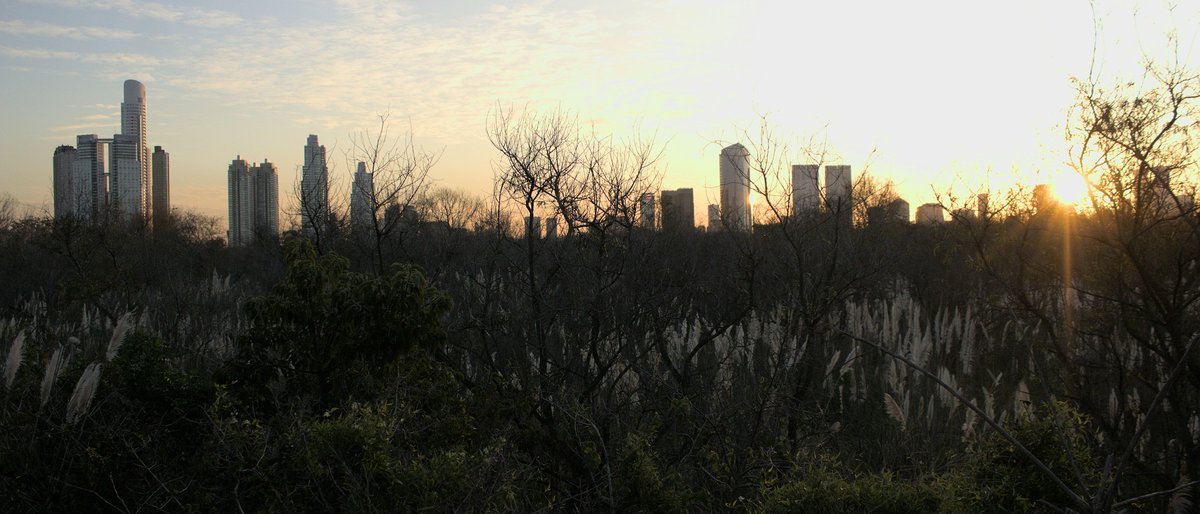
nature reserveThis ecological reserve along the waterfront is one of the best-kept secrets in the city center. In March, the wetland areas are full from recent rains, drawing herons, coots, and other water birds. The walking paths run through grassland and forest along the Río de la Plata, and on clear mornings the light across the water toward Uruguay is lovely. Mosquito repellent is non-negotiable here in March.
Puerto MaderoMercado de San Telmo
marketThe covered market in San Telmo is a sensory experience in March: late summer fruits piled on vendor stalls, the smell of freshly cut provoleta cheese, coffee roasters working overtime. The interior food court has expanded in recent years with stands serving everything from Peruvian ceviche to proper Argentine empanadas. The building itself, with its iron and glass roof structure, stays cool even on humid afternoons.
San TelmoParque Tres de Febrero (Bosques de Palermo)
parkThe large park system in Palermo starts showing the first hints of autumn color in late March: the edges of the tipas and plátanos beginning to turn. The rose garden (Rosedal) still has late blooms. Rent a rowboat on the lake in the afternoon, or walk the paths that wind past the Japanese Garden. Weekend mornings bring runners, mate-drinking groups on the grass, and an easy sense of the city at its most relaxed.
PalermoCementerio de la Recoleta
landmarkThe famous cemetery is worth visiting in March specifically because the tourist crowds thin after summer. You can walk the narrow lanes between mausoleums (Evita's tomb, the Sarmiento family vault, the ornate Paz crypt) without being in a tour group queue. The late afternoon light filtering through the cypresses gives the marble and bronze a particular warmth.
RecoletaCalle Lanín (street art corridor)
street artIn Barracas, the artist Marino Santa María painted entire house facades along Calle Lanín in a project that has made the block one of the most photographed streets in the city. March, with fewer tourists and good light, is a calm time to visit. The surrounding blocks of Barracas have their own evolving street art that changes month to month.
BarracasPlaza Dorrego
plazaThe heart of San Telmo and the anchor point of the Sunday feria. On non-Sunday days in March, the plaza is quiet: old men playing chess, tango dancers practicing in the shade, café tables spilling onto the cobblestones. The surrounding blocks have antique shops and old-style bars worth exploring without the Sunday crowd pressure.
San Telmo
Your packing checklist
Tick items off as you pack. Your progress saves in this browser.
All packed — have a great trip.
Insider tips
The best exchange rate is still often found at cuevas (informal exchange houses) rather than banks or ATMs, but the gap has narrowed. Ask your hotel or a local you trust for a current recommendation: the landscape shifts regularly and what was true six months ago may not hold. Never change money with random people who approach you on Florida street.
March 24 is the Día de la Memoria: a significant day. Many restaurants and shops close, and large marches fill the streets around Plaza de Mayo and Avenida de Mayo. It is not a celebration; it commemorates the victims of the dictatorship. Be respectful, stay out of the march route if you're not participating, and don't treat it as a photo opportunity.
Dinner in Buenos Aires starts late: late. Restaurants don't fill up until 9:30 or 10pm, and showing up at 7pm marks you as a tourist more than almost anything else. If you want a table at a popular Palermo restaurant on a Friday or Saturday, plan for 9pm at the earliest.
The 'A' line of the Subte (the oldest subway line in South America) uses beautifully preserved wooden carriages on certain runs. The stations along Avenida de Mayo (Peru and Piedras) still have their original tile work from 1913. Worth riding just for the history, even if you don't need to go anywhere on that line.
For coffee, avoid the tourist-oriented cafés on Plaza de Mayo and seek out the specialty roasters that have opened in Villa Crespo and Chacarita in recent years. The traditional café experience (a cortado at a marble-topped table) is best at the old-guard places like Café Tortoni, but go on a weekday morning when the line is short and the atmosphere is calm rather than performative.
Avoid these mistakes
- Planning a full day of outdoor sightseeing without checking the weather forecast. March storms arrive fast and can dump enormous amounts of rain in a short period. Always have a backup indoor plan (a museum, a covered market, a long lunch) for when the sky turns dark.
- Scheduling a tight itinerary around March 24 without realizing it's a major public holiday. Museums, shops, and many restaurants close. Public transit runs on reduced schedules. Streets in the center may be blocked by marches. Build flexibility into your plans for the days around it.
- Wearing flip-flops or smooth-soled shoes on Buenos Aires sidewalks. The tiles used on porteño veredas become slippery when wet, and many are cracked or uneven. Combine March rain with these surfaces and you're asking for a twisted ankle, or worse.
- Assuming that because it's warm, you won't need any layers. The gap between the humid 25°C streets and the aggressive air conditioning inside malls, Subte cars, and restaurants can be a 10-degree swing. That temperature whiplash catches people off guard, if your clothes are already damp from rain or sweat.
Practical tips for March
Book accommodation with flexibility: given March's unpredictable rain, having a centrally located hotel or apartment where you can easily return and regroup between storms matters more than scoring the cheapest rate in a distant neighborhood. Palermo, San Telmo, and Recoleta all put you within walking distance of indoor alternatives when weather forces a plan change. The Subte (subway) is the fastest way around the city center but runs on reduced frequency on weekends and holidays: March 24. Download the BA Cómo Llego app for real-time transit information. Restaurants in popular areas like Palermo Soho fill up on Friday and Saturday nights; make reservations for those evenings but walk in freely midweek. Tipping is typically 10% at sit-down restaurants: it's not obligatory the way it is in the US, but it's expected and appreciated. For the Subte, load a SUBE card (available at kioscos near any station) rather than buying individual tickets. If you're attending Lollapalooza, book accommodation well in advance: hotels near the Hipódromo de San Isidro fill early, and Uber or taxi availability after the event can be limited.
FAQ
Is March a good time to visit Buenos Aires?
March is a solid but imperfect time. The temperatures are comfortable (around 25°C (78°F) during the day) and the city comes back to life after the summer vacation exodus. The cultural calendar restarts, restaurants reopen fully, and crowds are thinner than in peak summer. The catch is rain: March is the wettest month at 191mm, and the storms can be intense. If you're flexible and don't mind adjusting plans around weather, it's a good month. If you need guaranteed sunshine for every day, look at October or November instead.
What is the weather like in Buenos Aires in March?
Late summer transitioning to early autumn. Average highs around 25.5°C (78°F), lows around 18.9°C (66°F), with 74% humidity that makes the warmth feel stickier than the numbers suggest. Expect around 191mm of rainfall across roughly 10 rainy days. The storms tend to be dramatic: heavy rain for an hour or two, then clearing. Between storms, you'll get stretches of warm, pleasant weather with golden light.
Is Buenos Aires crowded in March?
Less so than December through February, when the city fills with summer tourists and visiting Argentines from the provinces. March sees a dip in tourist volume as the summer season wraps up. The exception is if Lollapalooza falls in your travel window: the festival draws large crowds and affects hotel availability in certain areas. Day-to-day, though, you'll find shorter lines at museums, easier restaurant reservations, and a less tourist-heavy atmosphere at popular spots like San Telmo and Recoleta.
Do I need to worry about safety in Buenos Aires in March?
The same general precautions apply year-round: watch for pickpockets in crowded areas like the Subte and Florida street, don't flash expensive electronics in unfamiliar neighborhoods, and take registered taxis or use ride-hailing apps rather than hailing random cars. March doesn't present any particular additional safety concerns compared to other months, though the March 24 marches can create large, dense crowds in the city center: stay aware of your surroundings and avoid carrying valuables during these events.
What should I budget per day for Buenos Aires in March?
Argentina's economic situation means prices can shift, but as of recent years Buenos Aires remains significantly cheaper than comparable cities in Europe or North America for food, transport, and entertainment. A mid-range traveler might spend the equivalent of USD 80-120 per day including accommodation, meals at good restaurants, and activities. Budget travelers staying in hostels and eating at neighborhood spots can manage on less. March is shoulder season pricing: you won't get the deep discounts of winter (June-August) but you'll pay less than the December-January peak.
Things to Do in Buenos Aires in March
 Free cancellation
 Buenos Aires City Private Tour with Local Guide
Day trip: 4 hours, free cancellation.
via Viator Free cancellation
 Buenos Aires Small-Group City Tour
Day trip: free cancellation.
via Viator Free cancellation
 Argentine Cooking, Wine & Beef Tasting at Argentine Experience
Cooking class: 3 hours, free cancellation.
via Viator Free cancellation
 Cooking Class with Empanadas Steak & Flan by Argentine Experience
Cooking class: 3 hours, free cancellation.
via Viator Free cancellation
 Bike Tour: Half-Day City Highlights of Buenos Aires
City tour: 4 hours, free cancellation.
via Viator Free cancellation
 Gaucho Small-Group Full Day at a Farm in Buenos Aires
Day trip: 9 hours, free cancellation.
via ViatorFind a flight to Buenos Aires
Live fares to Buenos Aires appear here once cookies are accepted.
Last verified by automated review (v1.7.1) on . What is automated review?