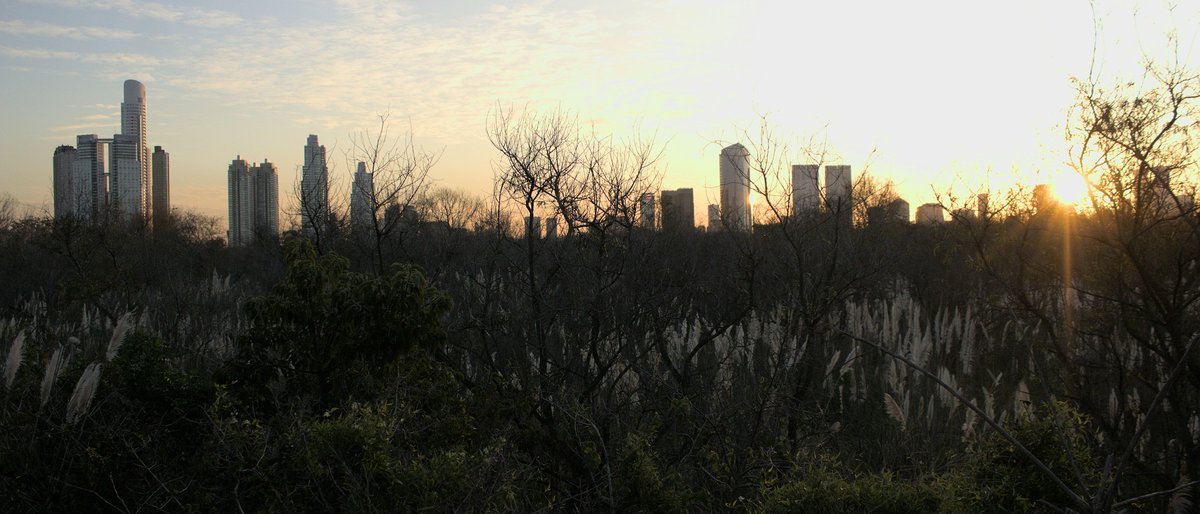
Stay in Buenos Aires in February
93 hotels in the Trip.com pool for Buenos Aires, from US$9 a night.
Opens Trip.com on Fri 5 Feb to Sun 7 Feb 2027; change the dates there.
February in Buenos Aires is the tail end of summer, and the heat is the headline. Daytime temperatures sit around 28°C (82°F), but the humidity (hovering near 69%) makes it feel heavier than the number suggests. The kind of sticky warmth where your shirt clings to your back by mid-morning. This is also the month when half the city seems to disappear. Porteños with the means to do so flee to the Atlantic coast, Mar del Plata and Pinamar, leaving certain neighborhoods noticeably quieter than usual. Restaurants you had your eye on might be shuttered behind metal curtains with a handwritten sign reading 'Volvemos en marzo.'
That said, February has a genuine draw: Carnival. Buenos Aires Carnival is not Rio (let's be clear about that) but the murga parades that wind through neighborhoods like San Telmo, Barracas, and Abasto are raw, loud, and distinctly porteño. Drumlines, face paint, satirical lyrics mocking politicians. It's street theater with real teeth. The Monday and Tuesday before Lent are public holidays, and the weekend corsos (street parades) run through several barrios on consecutive Saturdays.
The practical reality is that February sits in an awkward spot. It's hotter than most visitors expect, wetter than January, and a chunk of the city's cultural life is on pause. But if you can handle the heat and want to see a less polished, more local side of Buenos Aires: murga rehearsals in parks, neighbors dragging chairs onto sidewalks at dusk, ice cream shops doing brisk trade at midnight: there's something honest about the city in February that the peak tourist months don't quite capture.
Why visit in February
- Carnival murga parades offer a distinctly porteño cultural experience you won't find any other month: raw, political, and performed for locals rather than tourists
- Fewer tourists and lighter crowds at major attractions like Recoleta Cemetery, MALBA, and the Sunday San Telmo fair
- Hotel rates drop from the December-January holiday peak, with solid deals available at 3- and 4-star properties in Palermo and San Telmo
- Long summer evenings mean outdoor dining extends past 11pm, and many restaurants set up sidewalk tables that aren't available in winter
- Stone fruit season peaks: peaches, nectarines, and plums at the ferias are some of the best you'll taste anywhere
Worth knowing
- Sustained heat and humidity make midday walking tours uncomfortable, in neighborhoods with limited shade like La Boca
- Many owner-operated restaurants, boutiques, and cultural spaces close for summer vacation, in the first two weeks
- Afternoon thunderstorms can be sudden and intense: 100mm of rain over roughly 8 days, sometimes dumping heavily in a single hour
- The city feels somewhat hollowed out as porteños leave for the coast, which dampens the social energy Buenos Aires is known for
Best for
Think twice if
Full summer heat. Expect daytime highs around 28°C (82°F) and overnight lows near 20°C (68°F), with humidity averaging 69%. The heat is persistent rather than extreme: you won't hit 40°C, but the combination of warmth and moisture means you'll feel it. Afternoons tend to build toward thunderstorms, sometimes impressive ones. Rain falls on roughly 8 days across the month, totaling about 100mm (4 inches), often arriving in short, intense downpours rather than all-day drizzle. Mornings are typically the most pleasant time to be outdoors. By mid-afternoon the air feels thick, and smart locals are indoors or under shade.
Seasonal caution
- UV index frequently reaches 8-10 during midday hours: sunburn happens fast, even on overcast days. Wear sunscreen and reapply after sweating.
- Afternoon thunderstorms can produce brief but intense downpours with occasional strong wind gusts. Check radar before heading to open-air venues like La Boca or the Costanera Sur reserve.
Year-round climate
Averages from the last 5 years.
| Month | Avg high (°C) | Avg low (°C) | Rainfall (mm) |
|---|---|---|---|
| Jan | 29 | 21 | 69 |
| Feb | 28 | 20 | 100 |
| Mar | 26 | 19 | 191 |
| Apr | 21 | 15 | 100 |
| May | 17 | 10 | 84 |
| Jun | 15 | 8 | 27 |
| Jul | 14 | 8 | 42 |
| Aug | 16 | 9 | 77 |
| Sep | 19 | 11 | 69 |
| Oct | 22 | 14 | 63 |
| Nov | 25 | 17 | 105 |
| Dec | 28 | 19 | 67 |
Holidays and festivals in February
Public holidays
- Carnival(Carnaval)9 February 2027
Headline events
Carnaval Porteño
Saturdays in February, culminating the weekend before Ash Wednesday
Buenos Aires has its own take on Carnival, centered around murga: neighborhood troupes with bass drums, cymbals, satirical songs, and elaborate face paint. The corsos (street parades) roll through different barrios on consecutive Saturday evenings in February, with the biggest in San Telmo, Boedo, and Barracas. It's loud, sweaty, and political in a way that feels grassroots. Not Rio's spectacle: more like a block party with teeth. The Carnival Monday and Tuesday are national holidays.
Best things to do in February
Watch a murga rehearsal in the park
cultureBefore the official corsos, murga troupes rehearse in public parks and plazas across the city. Parque Lezama and Parque Centenario are common spots. You'll hear the bass drums from blocks away. The rehearsals tend to be looser, more chaotic, and more intimate than the parades themselves: performers working out choreography, kids tagging along, neighbors stopping to watch.
Murga rehearsals ramp up in the weeks before Carnival, making February the only month you'll reliably catch them.Booking tipNo booking needed. Just follow the sound of the bombo drums.
Evening stroll along Costanera Sur
natureThe Costanera Sur ecological reserve stretches along the waterfront and feels like a different world from the city center. In February evenings, the heat starts to break around 7pm and the reserve fills with joggers, mate-drinkers, and couples watching the sun drop behind the river. The birding is decent too: herons and coots along the lagoons.
Long summer daylight means the reserve stays pleasant well past 8pm, and the slight breeze off the Río de la Plata cuts through the humidity.Booking tipFree entry. Bring mosquito repellent: the lagoons breed them.
Sunday Feria de San Telmo
shoppingThe weekly antiques and crafts market stretches along Defensa street from Plaza de Mayo down to Parque Lezama. In February, with fewer tourists, you can browse without being shoulder-to-shoulder. Tango dancers still perform at Plaza Dorrego, street musicians line the cobblestones, and the surrounding cafés spill out onto the sidewalk.
Lower February crowds mean a more relaxed experience at one of South America's best-known street markets.Booking tipArrive before 11am to beat the heat and get first pick from vendors.
Night swimming at a rooftop pool
leisureSeveral hotels in Palermo and Puerto Madero open their rooftop pools to non-guests for day passes or evening sessions during summer. Floating above the city lights with a cold drink while the heat finally loosens its grip is one of February's quiet pleasures.
February's sustained heat makes pool access feel less like a luxury and more like survival. Most hotel pools stay open until late.Booking tipCheck directly with hotels about guest policies: availability for non-guests varies by property and often requires booking ahead.
Catch an outdoor milonga
cultureTango doesn't stop for summer. Outdoor milongas set up in parks and plazas: the one at the Glorieta de Barrancas de Belgrano on weekend evenings is a classic. Dancers of all levels on a round bandstand under the trees, with onlookers circling the edges. The warm air and informal setting make it more approachable than the formal indoor milongas.
Summer evenings are warm enough to dance outside comfortably, and the outdoor milongas tend to attract a more relaxed, mixed-level crowd.Booking tipFree to watch and join. Bring shoes with smooth soles if you want to dance.
Day trip to Tigre and the Delta
day_tripThe Paraná Delta just north of Buenos Aires is an escape valve from the city heat. Take the Tren de la Costa or the commuter train from Retiro to Tigre, then hop a lancha (motorboat) into the network of islands and channels. River breezes, the smell of wet earth and eucalyptus, and casual waterfront restaurants serving grilled fish. The water is brown but the scenery is lush.
February heat makes the river breeze and shade of the delta islands feel like a rescue mission. The boat rides themselves are cooling.Booking tipLanchas run regular routes from the Estación Fluvial in Tigre. No reservation needed for the public boats.
Browse the ferias and farmers' markets
foodBuenos Aires runs dozens of neighborhood ferias (open-air markets) throughout the week. In February, the fruit stalls are stacked with summer stone fruit, and you'll find vendors selling fresh pasta, regional cheeses, and jarred preserves. The Feria de Mataderos on Sundays also features gaucho culture: folk music, horse demonstrations, and locro stew.
Peak summer fruit season means the produce selection is at its best, and the ferias are less crowded than during the tourist high season.Booking tipFeria de Mataderos runs on Sundays; most neighborhood ferias operate on set weekday schedules posted by the city government.
Visit MALBA with breathing room
cultureThe Museo de Arte Latinoamericano de Buenos Aires houses one of the continent's best modern art collections: Frida Kahlo, Xul Solar, Antonio Berni. In February, you might have entire galleries to yourself. The building's air conditioning alone is worth the visit on a hot afternoon. The café in the courtyard is a quiet spot to cool down.
Tourist numbers drop in February, and locals are on vacation: you'll see the collection without fighting for sightlines.Booking tipCheck the museum website for current hours, as some institutions adjust schedules in summer.
What to eat in February
In season: fruit
Duraznos (peaches)
Argentine peaches peak in February: small, intensely fragrant, and dripping with juice. You'll find them piled at every feria and fruit stand, often sold by the kilo for next to nothing. Eat them over a sink.
Sandía (watermelon)
Watermelon is at its cheapest and sweetest in February. Street vendors sell sliced wedges near parks and plazas, and you'll see whole melons stacked outside verdulerías. The go-to fruit for beating the heat at any outdoor gathering.
On menus now
Helado artesanal
Ice cream season reaches its peak in February. Porteño heladerías take their craft seriously: dulce de leche granizado, sambayón, and seasonal fruit flavors like durazno rotate in. Lines form outside places like Cadore and Rapanui after 9pm on hot nights.
Empanadas de humita
Corn is still in season in February, and empanadas stuffed with humita (a creamy filling of fresh corn, onion, and sometimes a bit of goat cheese) show up on menus and at corner takeaway spots. A lighter alternative to the standard beef empanada when it's too hot for heavy food.
What to drink
Fernet con Coca
Argentina's unofficial national drink hits different when it's 28°C. The bitter herbal liqueur mixed with Coca-Cola over ice is everywhere: at asados, at bars, at Carnival street parties. February is when you'll see it consumed most aggressively.
Regular events in February
Corsos de CarnivalFree
Saturday evening street parades in different barrios: each neighborhood's murga gets its moment. The corsos in Boedo and San Telmo tend to be the largest, with food vendors, beer stands, and entire families staking out curbside spots.
Consecutive Saturdays in FebruaryFeria de San TelmoFree
The weekly Sunday antiques and crafts market along Calle Defensa. Runs year-round but has a different character in February: fewer tourists, more locals, and a slightly slower pace in the heat.
Every SundayBuenos Aires Tango Festival (late summer events)Free
While the main festival runs in August, smaller tango-related events and milongas pop up throughout February in plazas and cultural centers. The city government sponsors free outdoor performances as part of the summer cultural calendar.
Various dates throughout FebruaryNoches de Buenos Aires (Summer Nights)Free
The city government organizes free open-air concerts, film screenings, and cultural events in parks across Buenos Aires during summer. Programming varies year to year but typically includes Argentine rock, folk, and cumbia acts in Parque Centenario, Parque Rivadavia, and other green spaces.
Weekends throughout FebruaryBest places this February
Parque Lezama
parkA hilly, tree-shaded park in San Telmo where murga troupes rehearse, families picnic, and the onion-domed Russian Orthodox church rises behind the treeline. In February, the shade here is currency. One of the better spots to feel the local rhythm of a summer evening.
San TelmoRecoleta Cemetery
landmarkThe famous necropolis of marble mausoleums and narrow alleyways: Evita's tomb, of course, but also just an extraordinarily atmospheric place to wander. February means fewer tour groups blocking the narrow passages. The jacaranda and palo borracho trees provide some shade, though the marble still radiates heat.
RecoletaCostanera Sur Ecological Reserve
natureA reclaimed nature reserve along the waterfront, surprisingly wild for being minutes from Puerto Madero's glass towers. Walking trails wind through wetlands and grasslands, with decent birding along the lagoons. The slight river breeze makes it more bearable than the city streets in February heat.
Puerto MaderoEl Ateneo Grand Splendid
landmarkA former theater converted into a bookstore: the ornate ceiling, the balcony seating areas, and the stage-turned-café all remain. February's lighter foot traffic means you can sit in one of the old theater boxes and browse without being jostled. The air conditioning is also a draw.
RecoletaMercado de San Telmo
marketA covered market with iron framework dating to the 1890s, now housing a mix of traditional butcher stalls, produce vendors, and newer food counters. The shade of the covered hall makes it a natural refuge from the afternoon sun. Good spot for a coffee and a medialunas break.
San TelmoJardín Botánico
parkA quiet, shaded garden in central Palermo, home to dozens of cats and a surprisingly dense collection of plant species. In February, the subtropical sections are lush and the Roman, French, and Oriental garden areas offer green respite from the concrete heat of the surrounding streets.
PalermoMuseo Nacional de Bellas Artes
museumArgentina's premier fine art museum, with a strong collection spanning European masters to Argentine modernists. Free admission and mercifully air-conditioned: a smart pick for a sweltering February afternoon when the idea of walking another block feels punishing.
RecoletaLa Boca and Caminito
neighborhoodThe colorful corrugated-metal houses of Caminito are a tourist fixture, but the neighborhood beyond the painted strip has a rough, genuine character. February heat can make the shadeless streets brutal, so come in the morning. The Fundación Proa gallery nearby is worth a stop for contemporary art.
La Boca
Your packing checklist
Tick items off as you pack. Your progress saves in this browser.
All packed — have a great trip.
Insider tips
The corsos (Carnival street parades) are free, but the best viewing spots go early. Bring a folding chair or blanket and claim a curb by 7pm. The parades typically start around 8-9pm and run past midnight.
Many porteños take vacation for the first two weeks of February specifically. If your trip is flexible, the second half of the month tends to have more shops and restaurants open as people trickle back.
SUBE cards (the transit card for subte, buses, and trains) can be loaded at kioscos throughout the city. The subte is air-conditioned and a lifeline in the heat: use it instead of walking long distances midday.
For the best helado, look for heladerías that make their own: places like Cadore in Palermo or Nonna Bianca in Caballito. Chains are fine but the artisanal spots use real fruit and dairy you can taste.
The Tren de la Costa to Tigre is scenic but slow. For a faster trip, take the Mitre line from Retiro station: it gets you to Tigre in under an hour, then walk to the river terminal for delta boats.
Siesta culture is real in February. Between roughly 1pm and 5pm, the streets empty out and many smaller shops close. Plan indoor activities or rest during this window: the city comes alive again after sunset.
Avoid these mistakes
- Walking through La Boca outside the Caminito tourist strip at midday: the neighborhood has limited shade, the heat is punishing, and the area beyond the painted block warrants more caution with belongings.
- Assuming all restaurants will be open: always check ahead in February, in the first half of the month. A quick social media search for the restaurant's name usually reveals if they've posted vacation dates.
- Skipping sunscreen because it's overcast. The UV index stays high even when clouds roll in, and the humidity makes you less aware of how much sun you're absorbing until the burn sets in.
- Planning exclusively outdoor activities without a rain backup. February storms tend to hit in the afternoon and pass within an hour or two, but they can be heavy enough to strand you if you're in an exposed area.
- Wearing heavy jeans or dark colors for daytime sightseeing. You'll be miserable within an hour. Light, loose, pale-colored clothing makes a real difference in perceived comfort.
Practical tips for February
February is Buenos Aires at its most languid: the pace slows, the streets thin out, and the rhythm shifts toward evenings and weekends. Plan your days around the heat: mornings for walking and sightseeing, afternoons for museums and air-conditioned spaces or a long lunch, evenings for outdoor dining and cultural events. Restaurants that are open tend to seat later than usual, with 9:30 or 10pm being normal for dinner. Book restaurants a day or two ahead if you have your heart set on a specific spot, since reduced capacity means fewer available tables even with fewer visitors. The subte (metro) runs air-conditioned trains and covers the main tourist areas: use it liberally to avoid melting on the sidewalk. Carnival parades happen on designated Saturdays and the city publishes schedules a few weeks in advance on the Buenos Aires government website. For day trips, Tigre runs regular boat service into the delta and requires no advance booking. Keep a light rain layer accessible every afternoon: storms blow in fast, drop hard, and clear within a couple of hours.
FAQ
Is February a good time to visit Buenos Aires?
It's a fair month, not the best, not the worst. The heat and humidity are the main drawbacks, and a good portion of the city's restaurants and cultural venues close for summer vacation. But you get Carnival, lighter crowds, lower hotel rates, and a more local atmosphere. If you can handle the heat, there's a genuine, unpolished side of Buenos Aires that shows itself in February.
How hot does Buenos Aires get in February?
Expect highs around 28°C (82°F) with humidity averaging 69%. It rarely hits extreme temperatures, but the combination of heat and moisture makes it feel heavier than the numbers suggest. Mornings are the most comfortable; by mid-afternoon the air gets thick and sticky. Air conditioning is your friend.
What is Carnival like in Buenos Aires?
Nothing like Rio. Buenos Aires Carnival centers on murga: neighborhood troupes that parade through the streets with bass drums, cymbals, face paint, and satirical songs that mock politicians and public figures. The corsos (street parades) happen on Saturday evenings in different barrios, with the biggest in San Telmo, Boedo, and Barracas. It's grassroots, loud, and distinctly political. The Monday and Tuesday before Lent are public holidays.
Are restaurants open in Buenos Aires in February?
Some are, some aren't. Many owner-operated spots and smaller neighborhood restaurants close for two to three weeks of summer vacation, in the first half of February. Larger restaurants and those in tourist-heavy areas like Puerto Madero and Palermo Soho tend to stay open. Check social media or call ahead for any specific place you want to visit.
Does it rain a lot in February in Buenos Aires?
Rain falls on roughly 8 days during the month, totaling about 100mm. It tends to come in sharp afternoon thunderstorms rather than all-day drizzle: a heavy downpour for an hour or two, then clearing skies. Mornings are usually dry. Carry an umbrella in the afternoon and have an indoor backup plan, and you'll manage fine.
What should I pack for Buenos Aires in February?
Light, breathable fabrics: linen and cotton over synthetics. A compact umbrella for the afternoon storms. High-SPF sunscreen and a hat, since the UV index runs high. A light layer for aggressively air-conditioned indoor spaces. Comfortable sandals for daytime, closed shoes for evening restaurants. And mosquito repellent if you plan to visit parks or the Tigre delta.
Things to Do in Buenos Aires in February
 Free cancellation
 Buenos Aires City Private Tour with Local Guide
Day trip: 4 hours, free cancellation.
via Viator Free cancellation
 Buenos Aires Small-Group City Tour
Day trip: free cancellation.
via Viator Free cancellation
 Argentine Cooking, Wine & Beef Tasting at Argentine Experience
Cooking class: 3 hours, free cancellation.
via Viator Free cancellation
 Cooking Class with Empanadas Steak & Flan by Argentine Experience
Cooking class: 3 hours, free cancellation.
via Viator Free cancellation
 Bike Tour: Half-Day City Highlights of Buenos Aires
City tour: 4 hours, free cancellation.
via Viator Free cancellation
 Gaucho Small-Group Full Day at a Farm in Buenos Aires
Day trip: 9 hours, free cancellation.
via ViatorFind a flight to Buenos Aires
Live fares to Buenos Aires appear here once cookies are accepted.
Last verified by automated review (v1.7.1) on . What is automated review?