Stay in Buenos Aires in January
93 hotels in the Trip.com pool for Buenos Aires, from US$9 a night.
Opens Trip.com on Fri 1 Jan to Sun 3 Jan 2027; change the dates there.
January in Buenos Aires is high summer, and the single most important thing to know is that the city partially empties out. Porteños (the locals) flee to the Atlantic coast and Uruguay by the hundreds of thousands. Whole blocks in residential neighborhoods go quiet. Some of your favorite restaurants will have a handwritten sign on the door: "Nos vemos en febrero." See you in February. Daytime temperatures sit around 28.9°C (84°F) with lows that barely dip below 21°C (70°F) at night, and the humidity (around 65%) makes everything feel a few degrees warmer than the thermometer suggests. It's the kind of sticky heat where you learn to plan your day around shade and air conditioning between roughly noon and four.
That said, the exodus works in your favor in some ways. The subte is less packed. Tables open up at places that normally require reservations. Hotel rates, while not at their lowest, aren't at the brutal peaks you'd see in October or November when conference season collides with spring weather. You'll share the city mostly with other travelers and the porteños who stayed behind: many of whom seem pleased to have their city feel a bit more spacious.
The catch is the heat. If you've traveled through Southern European summers, you'll manage. But if you're coming from a northern winter expecting mild weather, recalibrate. January afternoons can push past 33°C (91°F) on bad days, and the occasional summer thunderstorm rolls through with real force: dramatic skies, hard rain for forty minutes, then it clears. These storms are one of the more memorable parts of a Buenos Aires summer, watched from a café window with a cold Quilmes in hand.
Why visit in January
- Many popular restaurants and attractions are noticeably less crowded since a large portion of the local population leaves for coastal holidays
- Longest daylight hours of the year: sunset after 8pm means extended evenings for walking neighborhoods like San Telmo and Palermo
- Summer thunderstorms clear the air and drop temperatures, and the city looks dramatic under those towering cumulonimbus clouds
- Parks and green spaces like Bosques de Palermo and Reserva Ecológica Costanera Sur are at peak lushness with full tree canopy
- Fresh summer produce (stone fruits, tomatoes, berries) is at its peak in markets and restaurants
Worth knowing
- Sustained heat and humidity make midday walking tours and outdoor sightseeing uncomfortable between noon and 4pm
- A meaningful number of smaller restaurants, shops, and cultural venues close for annual vacation through mid-to-late January
- The Río de la Plata basin humidity can feel oppressive, if you're not accustomed to subtropical summers: nights don't cool down much
- Some cultural programming (theater seasons, gallery openings) goes on hiatus until March, so the arts calendar is thinner than usual
Best for
Think twice if
Full summer. Expect warm, humid days with temperatures that hover around 29°C (84°F) and rarely drop below 21°C (70°F) at night. Humidity sits around 65%, which is noticeable but not Southeast Asia-level oppressive. Rain comes mainly as afternoon or evening thunderstorms: short, intense downpours that tend to clear within an hour. You'll likely see about 8 rainy days across the month, totaling roughly 69mm of rainfall. Mornings are often the best part of the day: warm but still relatively fresh before the heat builds. By mid-afternoon, you'll understand why the siesta tradition exists in this part of the world.
Seasonal caution
- UV index reaches 10-11 on clear January days: significantly stronger than Northern Hemisphere summer equivalents at similar temperatures. Sunburn happens fast, even on overcast days.
- Occasional heat waves push temperatures to 35-38°C (95-100°F) for 2-4 day stretches, typically once or twice in January. Air-conditioned refuge becomes essential, not optional, during these spells.
Year-round climate
Averages from the last 5 years.
| Month | Avg high (°C) | Avg low (°C) | Rainfall (mm) |
|---|---|---|---|
| Jan | 29 | 21 | 69 |
| Feb | 28 | 20 | 100 |
| Mar | 26 | 19 | 191 |
| Apr | 21 | 15 | 100 |
| May | 17 | 10 | 84 |
| Jun | 15 | 8 | 27 |
| Jul | 14 | 8 | 42 |
| Aug | 16 | 9 | 77 |
| Sep | 19 | 11 | 69 |
| Oct | 22 | 14 | 63 |
| Nov | 25 | 17 | 105 |
| Dec | 28 | 19 | 67 |
Holidays and festivals in January
Public holidays
- New Year's Day(Año Nuevo)1 January 2027
Best things to do in January
Evening walks through half-empty Palermo Soho
walkingThe cobblestone streets of Palermo Soho take on a different character in January. With fewer locals and most boutiques keeping summer hours, the neighborhood feels almost Mediterranean: warm evenings, quieter sidewalks, tables spilling onto streets. The graffiti and street art seem more present without the usual crowds blocking the view.
The combination of warm summer evenings, extended daylight past 8pm, and reduced foot traffic from the January exodus makes this a uniquely relaxed experience you won't find in busier months.Reserva Ecológica Costanera Sur in early morning
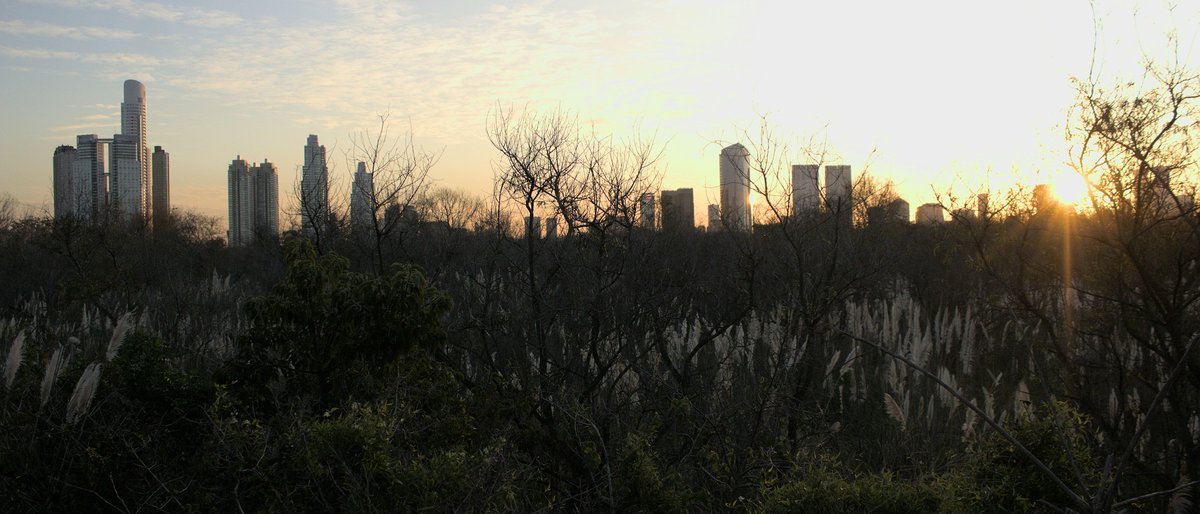
natureThis 350-hectare nature reserve on the waterfront is at peak biodiversity in summer. Birdlife is most active, the lagoons are full, and the vegetation is dense and green. Get there before 9am to beat the heat and catch the best light. The contrast between the wild reserve and the Puerto Madero skyline right behind it is striking.
Summer brings migratory birds, full lagoons, and lush vegetation. Morning temperatures in the low 20s make it comfortable before the midday heat builds.Booking tipFree entry. Bring water and insect repellent: mosquitoes are aggressive near the lagoons in summer.
Nighttime milonga hopping
cultureBuenos Aires tango milongas run year-round, but January shifts the energy. Some of the more formal milongas take a break, while informal summer milongas pop up: sometimes outdoors in parks or on rooftops. The crowd skews toward dedicated dancers and international tango tourists, and the atmosphere tends to be warmer and more welcoming to newcomers.
Summer milongas have a looser, more social atmosphere. Outdoor pop-up milongas only happen in warm months. The reduced local crowd means less intimidation for visitors wanting to try.Booking tipCheck Hoy Milonga or Tangauta listings week by week: summer schedules shift frequently and some regular milongas close for vacation.
Day trip to Tigre and the Delta
day tripThe Paraná Delta town of Tigre is about an hour north by train, and in January the delta is at its most alive: thick green vegetation, full waterways, locals swimming off wooden docks. Take the Tren de la Costa or the regular Mitre line, rent a kayak or take a lancha colectiva through the channels.
Summer water levels make the delta navigable and swimmable. The shade from overhanging trees along the channels provides relief from the city heat. Fruit stands along the waterways sell fresh summer produce.Booking tipTake the Mitre line from Retiro (cheaper and faster than Tren de la Costa). Weekdays are significantly less crowded than weekends.
Swimming at outdoor pools and the Costanera
recreationBuenos Aires has several public and private outdoor pools that fill up in January. The parque norte complex and various club pools open to non-members offer genuine relief. The Costanera Norte waterfront, while not swimmable, has a string of parrillas and bars where you can sit waterside with cold drinks.
Outdoor pools only operate from roughly November through March. January's consistent heat makes them feel like necessities rather than luxuries.Booking tipPublic pools get crowded on weekends after 11am. Weekday mornings are the sweet spot.
Weekend ferias (street markets)
marketsThe Feria de San Telmo on Sundays and the Feria de Mataderos on weekends continue through January. With fewer locals, you'll be able to browse the San Telmo antiques without being shoulder-to-shoulder. Mataderos, farther from the center, has folk dancing, gaucho culture, and empanada stands that feel local rather than tourist-oriented.
The January crowd thinning transforms San Telmo from a packed tourist gauntlet into something more browsable. Mataderos is comfortably warm rather than cold, which matters since it's entirely outdoors.Booking tipSan Telmo runs every Sunday rain or shine, roughly 10am to 5pm. Arrive before noon for the best selection and smallest crowds.
Rooftop bars and terrazas in Palermo
nightlifeBuenos Aires rooftop bar culture comes alive in summer. Several hotels and restaurants in Palermo and Puerto Madero open their terraces for the season, and the warm nights make drinking outdoors pleasant rather than aspirational. Sunset views over the low-rise city skyline are worth timing your evening around.
Rooftop venues only operate fully in warm months. January's late sunsets mean golden-hour drinks around 8pm, and the warm nights keep terraces comfortable well past midnight.Booking tipThursday through Saturday nights fill up. Arriving before 9pm usually avoids waits. Some terraces take reservations: worth checking.
What to eat in January
In season: fruit
Durazno (white peach)
Argentine white peaches hit their peak in January: fragrant, dripping with juice, and sold at every feria for almost nothing. The flavor is noticeably more floral than yellow peaches. You'll find them in market stalls piled in loose pyramids, and in restaurants as simple desserts with cream.
Sandía and melón
Watermelon and cantaloupe are everywhere in January: sliced at corner kioscos, blended into licuados, piled at markets. Street vendors set up with half-watermelons and plastic cups near parks. The cold, sweet crunch after a hot afternoon walk is hard to beat.
On menus now
Asado al aire libre
January is prime outdoor grilling season. Sunday asados (the long, sociable Argentine barbecue) move fully outdoors into patios, parks, and terraces. The ritual slows down even further in summer: more salads, more cold beer, slower cooking. Parque Saavedra and Costanera Norte fill with smoke on weekend afternoons.
Street food peaks
Helado artesanal
Argentine ice cream peaks in January for obvious reasons. But this isn't generic soft-serve: Buenos Aires heladerías use Italian techniques with local ingredients. Dulce de leche granizado, sambayón, and seasonal fruit flavors like maracuyá rotate in. Lines form at places in Palermo and Caballito after 9pm on hot nights.
What to drink
Fernet con Coca
Technically year-round, but fernet and Coca-Cola becomes the default social drink in summer. Served tall over ice, it's bitter, herbal, and oddly refreshing in the heat. Every asado and every gathering has a bottle of Branca making the rounds. January is when you'll see it consumed in the greatest volumes.
In markets
Tomate platense
This wrinkled, irregular heirloom tomato is a Buenos Aires obsession. January is peak season, and the difference between a January platense and a winter hothouse tomato is staggering: sweet, dense, almost jammy. Look for them at weekend ferias in Palermo and Belgrano.
Regular events in January
Feria de San TelmoFree
The famous Sunday antiques and crafts market along Defensa Street continues through January, stretching from Plaza de Mayo to Parque Lezama. Tango dancers perform at various corners, and the surrounding bars and cafés pull tables onto the sidewalks.
Every Sunday, roughly 10am-5pmCarnaval porteño (early preparations)Free
Buenos Aires carnival murgas (neighborhood percussion and dance troupes) begin rehearsing openly in parks and streets in January ahead of February's official celebrations. You might stumble onto a rehearsal in Parque Centenario or on a Boedo side street, complete with drums, dancing, and spray foam. It's loose, joyful, and completely free to watch.
Weekends throughout January, informal scheduleCine de Verano (Summer Cinema)Free
Outdoor film screenings pop up in various parks and cultural centers across the city during January. The programming tends toward Argentine and Latin American cinema, and the atmosphere is relaxed: bring a blanket, buy garrapiñada from a street vendor, settle in.
Various dates throughout January, typically after sunset (around 9pm)Festival Buenos Aires Danza Contemporánea
Contemporary dance festival that typically programs performances in various theaters and outdoor stages during the summer months. Programming varies year to year, but it regularly draws regional choreographers and companies.
Mid-to-late January, varies by yearBest places this January
Bosques de Palermo (Palermo Woods)
parkThe large park system in Palermo is at full green canopy in January. The rosedal (rose garden) is still in bloom, the lake has paddle boats, and the shade under the massive tipas and jacarandá trees provides genuine relief. Early morning runners and late afternoon mate-drinkers give it a local feel even in tourist season.
PalermoReserva Ecológica Costanera Sur
nature reserveThis reclaimed nature reserve along the waterfront feels impossibly wild for being minutes from downtown. In January, summer birdlife peaks: herons, coots, and occasionally a caiman if you're patient. The trails through the dense vegetation feel ten degrees cooler than the exposed streets.
Puerto MaderoCementerio de la Recoleta
landmarkThe famous cemetery is worth visiting in January specifically because the crowds thin enough that you can photograph the ornate mausoleums without a tour group in every frame. Go early before the marble starts radiating heat. The surrounding cafés on Junín street have shaded terraces.
RecoletaPuerto Madero waterfront
waterfrontThe renovated docklands along the water stay a few degrees cooler than inland neighborhoods due to the river breeze. The Puente de la Mujer is photogenic at sunset, and the string of restaurants (while somewhat touristy) offer pleasant waterside seating on summer evenings.
Puerto MaderoParque Centenario and the Museo de Ciencias Naturales
parkThis Caballito park feels local: weekend ferias, families, and murga rehearsals in January. The natural sciences museum on the park edge offers air-conditioned respite and a surprisingly good collection. The surrounding neighborhood is full of affordable cafés and pizzerías.
CaballitoSan Telmo side streets (away from Defensa)
neighborhoodSkip the main tourist drag on Defensa and wander the parallel streets: Bolívar, Perú, Chacabuco. In January, you'll find quieter cafés, antique shops with open doors, and crumbling colonial architecture without the weekend market crowds. The neighborhood's texture reveals itself better when it's not packed.
San TelmoJardín Japonés
gardenThe Japanese Garden in Palermo is a pocket of calm year-round, but in January the koi ponds are active, the vegetation is thick, and the on-site tea house offers cold matcha and pastries in air conditioning. It's a good midday escape when the heat peaks.
Palermo
Your packing checklist
Tick items off as you pack. Your progress saves in this browser.
All packed — have a great trip.
Insider tips
Porteño dinner time starts at 9pm at the earliest, and many restaurants don't fill up until 10pm or later: in January when the heat discourages early eating. If you show up at 7pm, you'll eat alone and the kitchen might still be in prep mode. Adjust your body clock or plan a big merienda (afternoon tea) around 5pm to bridge the gap.
The subte (metro) is air-conditioned and significantly more comfortable than buses in January heat. Lines B and D connect most tourist-relevant areas. A SUBE card is essential: you can't pay cash on public transit, and the card works on subte, buses, and the commuter trains to Tigre.
For the best exchange rate, bring US dollars in cash and use a cueva (informal exchange house) or the Western Union rate rather than ATMs. The official rate and the parallel (blue dollar) rate have historically diverged significantly, and this can effectively halve your costs. Ask your hotel for current guidance: the situation shifts.
January is when porteños who stayed in the city become surprisingly social with strangers. The usual reserve softens. If you speak even basic Spanish, you'll find people more willing to chat, recommend their favorite heladería, or invite you to a weekend asado than they might be in busier months.
The free outdoor murga rehearsals happening across the city in January are more authentic and enjoyable than many paid cultural experiences. Follow the sound of drums in parks like Centenario or Rivadavia on weekend afternoons: these are neighborhood traditions, not tourist shows.
Avoid these mistakes
- Scheduling outdoor walking tours or open-air activities between noon and 4pm. The midday heat in January is no joke, and guided tours through La Boca or San Telmo under full sun lead to exhaustion and sunstroke. Morning and late afternoon are the only sensible windows for extended time outdoors.
- Assuming all restaurants and shops will be open. January closures catch visitors constantly: that parrilla with rave reviews might have a 'cerrado por vacaciones' sign up until February. Check social media or call ahead for any place you've specifically planned to visit.
- Exchanging money at the airport or using international ATMs without researching the current exchange rate situation. Argentina's currency dynamics are complex and shift frequently. Even fifteen minutes of research before arrival can save you a meaningful percentage on every transaction.
- Packing only summer clothes and forgetting about the aggressive indoor air conditioning. The thermal whiplash between the street and any indoor commercial space is dramatic. People who skip a light layer end up buying an emergency sweater at a tourist shop in Florida Street.
Practical tips for January
Book accommodations in Palermo or Recoleta for the best combination of walkability, restaurant density, and tree-shaded streets: the canopy cover matters more than you think when it's 30°C. Reserve restaurant seats for Friday and Saturday nights, even in January, since the places that stay open tend to absorb demand from the closed ones. The subte runs reduced hours on Sundays: check the Metrovías schedule. Siesta culture is real in summer: expect many smaller shops to close between 1pm and 4pm or 5pm, and plan museum visits for the air-conditioned midday hours when you'd want to be indoors anyway. If you're planning a day trip to Tigre, go on a weekday: weekend trains and the delta itself get noticeably busier. Keep small bills on hand; while card acceptance has improved dramatically, some ferias, kioscos, and older cafés remain cash-oriented. Download the BA Cómo Llego app for real-time transit routing: it works well and accounts for summer schedule changes.
FAQ
Is January a good time to visit Buenos Aires?
It's a solid but not ideal time. You get warm weather, long days, and thinner crowds, which can improve the experience at popular spots. But the heat is real, some places close for vacation, and the cultural calendar thins out. If you handle summer heat well and prioritize food, tango, and neighborhood wandering over performing arts and packed nightlife, January works. For the absolute best conditions, October and November tend to be the sweet spot: spring weather, full cultural programming, everything open.
What is the weather like in Buenos Aires in January?
Hot and humid. Average highs around 29°C (84°F) with lows near 21°C (70°F), so nights don't offer much relief. Humidity hovers around 65%. Rain comes as afternoon thunderstorms: dramatic but usually brief, totaling about 69mm across 8 rainy days. Occasional heat waves push temperatures into the mid-30s (95°F+) for a few days at a stretch. Mornings before 10am and evenings after 6pm are the most comfortable times to be outdoors.
Is Buenos Aires crowded in January?
Less crowded than you'd expect. It's a peculiar dynamic, while international tourists arrive, a huge portion of the local population leaves for beach vacations. The result is medium crowd levels: tourist areas like San Telmo and La Boca stay busy, but residential neighborhoods in Palermo, Belgrano, and Caballito feel noticeably emptier. Public transit is less packed, restaurant waits are shorter, and the overall pace slows down.
Are things open in Buenos Aires in January?
Most major attractions, museums, and established restaurants stay open, but expect a meaningful number of smaller businesses (independent restaurants, boutique shops, neighborhood cafés) to close for annual vacation, typically for two to four weeks. This is true in the first half of January. Always check social media or Google Maps for current hours before making a special trip to a specific spot.
Do I need to speak Spanish to visit Buenos Aires in January?
You can get by without it in tourist areas, major restaurants, and hotels. But Buenos Aires is not Bangkok or Barcelona for English prevalence. Basic Spanish (ordering food, asking directions, numbers) dramatically improves the experience and opens up the non-tourist restaurants and neighborhoods that make the city special. In January, with a more local-feeling city, a few phrases go a long way.
Things to Do in Buenos Aires in January
 Free cancellation
 Buenos Aires City Private Tour with Local Guide
Day trip: 4 hours, free cancellation.
via Viator Free cancellation
 Buenos Aires Small-Group City Tour
Day trip: free cancellation.
via Viator Free cancellation
 Argentine Cooking, Wine & Beef Tasting at Argentine Experience
Cooking class: 3 hours, free cancellation.
via Viator Free cancellation
 Cooking Class with Empanadas Steak & Flan by Argentine Experience
Cooking class: 3 hours, free cancellation.
via Viator Free cancellation
 Bike Tour: Half-Day City Highlights of Buenos Aires
City tour: 4 hours, free cancellation.
via Viator Free cancellation
 Gaucho Small-Group Full Day at a Farm in Buenos Aires
Day trip: 9 hours, free cancellation.
via ViatorFind a flight to Buenos Aires
Live fares to Buenos Aires appear here once cookies are accepted.
Last verified by automated review (v1.7.2) on . What is automated review?