Stay in Buenos Aires in May
93 hotels in the Trip.com pool for Buenos Aires, from US$9 a night.
Opens Trip.com on Fri 7 May to Sun 9 May 2027; change the dates there.
May in Buenos Aires is autumn settling in for real. The summer crowds are long gone, the plane trees along Avenida de Mayo have turned copper and gold, and there's a crispness in the air that makes the city feel like it belongs to the people who live here. Daytime temperatures hover around 17°C (63°F), dropping to about 10°C (51°F) at night: cool enough for a proper jacket, warm enough that you're not miserable. The light fades earlier now, and that shift changes the rhythm of the city. Porteños move indoors, which means the milongas fill up, the parrillas get crowded at dinner, and the café culture that Buenos Aires is known for hits its stride.
To be fair, May won't knock you sideways with spectacle. There's no carnival, no spring bloom, no jacaranda canopy turning the streets purple. What you get instead is a quieter, more honest version of the city: one where you can walk into a restaurant in Palermo on a Friday night without a reservation, where museum galleries aren't shoulder-to-shoulder, and where the prices reflect that most tourists have gone home. The big date on the calendar is May 25, Revolución de Mayo, Argentina's most important patriotic holiday. Plaza de Mayo fills with flags, there are military parades and cultural events, and nearly everyone eats locro, a thick Andean stew that's essentially the national comfort food. It's not a spectacle on the scale of Carnival, but it gives you a genuine window into how Argentines relate to their own history.
The trade-off is real, though. Days are noticeably short (sunset comes before 6 PM by month's end) and you'll get a handful of grey, drizzly days that can stretch into two or three in a row. If you're picturing yourself sipping wine on a sunny rooftop terrace every evening, that's a March or April trip, not a May one. But if you're drawn to a city that feels lived-in rather than performed for tourists, and you don't mind layering up, May rewards you with one of the most authentic windows into Buenos Aires life you can find.
Why visit in May
- Autumn foliage transforms parks and boulevards: the plane trees along Avenida de Mayo and in Parque Tres de Febrero turn rich gold and amber, making the city photogenic in a way that's different from spring
- Tourist crowds thin out dramatically after Easter, meaning shorter lines at places like Museo Nacional de Bellas Artes and MALBA, and walkable sidewalks in San Telmo on weekends
- Hotel rates and Airbnb prices drop to near their annual lows: you'll likely pay 30-40% less than peak season (October-December) for the same room
- Tango season intensifies as the city moves indoors; milongas are packed with locals rather than tourist-oriented shows, and you can take classes without fighting for floor space
- The weather is comfortable for walking: cool but not cold, with none of the punishing summer humidity that makes January sidewalks feel like saunas
Worth knowing
- Daylight hours are noticeably shorter: the sun sets before 6 PM by late May, limiting time for outdoor sightseeing and photography
- Expect several grey, overcast stretches where drizzle hangs around for two or three consecutive days, which can dampen plans for outdoor markets and park visits
- Some rooftop bars and outdoor dining spots either close for the season or shift to reduced hours, limiting the al fresco experience
- The Río de la Plata waterfront and costanera areas get a damp, biting wind off the river that feels colder than the thermometer suggests: 12°C with that wind can feel like 7°C
Best for
Think twice if
May brings proper autumn weather to Buenos Aires. Highs sit around 17.1°C (63°F) and lows dip to 10.4°C (51°F), which feels cooler than it sounds when the wind picks up off the Río de la Plata. Rainfall averages about 84mm across roughly 5 rainy days, not a washout by any means, but enough that you'll likely encounter at least one grey stretch. Humidity holds at around 78%, which can make overcast days feel clammy even if it's not raining. Mornings tend to be the coldest part, and you might see fog rolling off the river in the early hours. By mid-afternoon on a clear day, it warms up enough to be pleasant in a sweater, though the sun loses its warmth quickly once it dips.
Year-round climate
Averages from the last 5 years.
| Month | Avg high (°C) | Avg low (°C) | Rainfall (mm) |
|---|---|---|---|
| Jan | 29 | 21 | 69 |
| Feb | 28 | 20 | 100 |
| Mar | 26 | 19 | 191 |
| Apr | 21 | 15 | 100 |
| May | 17 | 10 | 84 |
| Jun | 15 | 8 | 27 |
| Jul | 14 | 8 | 42 |
| Aug | 16 | 9 | 77 |
| Sep | 19 | 11 | 69 |
| Oct | 22 | 14 | 63 |
| Nov | 25 | 17 | 105 |
| Dec | 28 | 19 | 67 |
Holidays and festivals in May
Public holidays
- Labour Day(Día del Trabajador)1 May 2027
- May Revolution(Día de la Revolución de Mayo)25 May 2027
Best things to do in May
Autumn foliage walks through Bosques de Palermo
natureThe large parklands of Palermo (Parque Tres de Febrero, the Rosedal, the lake paths) are lined with plane trees, oaks, and tipas that turn deep gold and rust in May. The fallen leaves pile up along the paths in a way that's more atmospheric than manicured. Early morning walks here, when the fog is still burning off the lake, are striking.
May is peak autumn color for Buenos Aires. The deciduous trees in Palermo's parks hit their richest tones before dropping bare in June.Milonga hopping in traditional tango halls
cultureAs the weather cools, Buenos Aires's tango scene moves firmly indoors and the milongas fill with regulars. Places like Salón Canning, La Viruta, and Confitería Ideal get a different energy in autumn: less performative, more communal. Even if you don't dance, sitting at a table with a glass of malbec and watching experienced dancers navigate the floor is absorbing. The sound of bandoneón in a warm, crowded room while it's cold and drizzly outside is something you'll remember.
The autumn-to-winter transition pushes the tango community indoors, filling milongas with serious local dancers rather than summer tourist crowds.Booking tipMost milongas don't take reservations: arrive 30-45 minutes after the listed start time when the floor is lively but not yet packed.
Revolución de Mayo celebrations at Plaza de Mayo
cultural eventMay 25 marks the anniversary of the 1810 revolution against Spanish rule. The main celebrations center on Plaza de Mayo and the Casa Rosada, with military parades, folk music, traditional dance performances, and food stalls selling locro and empanadas. The atmosphere is patriotic but relaxed: families, flags, face paint. It gives you a sense of Argentine national identity that you won't get from a museum.
May 25 is Argentina's most significant patriotic date, and Buenos Aires is the epicenter of celebrations.Booking tipNo booking needed. Arrive by mid-morning to get a good vantage point near the Casa Rosada. Public transport is the best option as streets around the plaza close to traffic.
Exploring the Feria de San Telmo without the crush
shoppingThe Sunday antiques market along Defensa street in San Telmo runs year-round, but in May you can browse at a comfortable pace. The stalls selling vintage soda siphons, old tango records, silverware, and leather goods are the same ones that get swarmed in October. You might have a conversation with a vendor, haggle a bit, and discover something interesting rather than being swept along by foot traffic.
Tourist numbers drop sharply after Easter, turning the normally packed market into something you can enjoy rather than endure.Booking tipThe market runs from roughly 10 AM to 5 PM on Sundays. Go before noon for the best selection and thinnest crowds.
Café culture deep dive
food and drinkBuenos Aires has some of the finest historic cafés in South America (Café Tortoni, Las Violetas, El Federal) and May is when they feel most alive. The cool weather makes sitting inside with a cortado and a medialuna feel natural rather than like a tourist exercise. Watch the older porteños reading the paper, arguing about politics, nursing a single coffee for an hour. That's the real Buenos Aires rhythm.
Cooler temperatures make lingering indoors feel natural, and the absence of tourist queues means you can get a seat at places like Café Tortoni without a 30-minute wait.Teatro Colón opera and ballet season
performing artsBuenos Aires's excellent opera house is in full swing during May, with opera, ballet, and orchestral performances running regularly. The building itself (seven tiers of red velvet and gilt) is worth seeing regardless of what's on stage. The acoustics are considered among the top five in the world. Even if you're not an opera person, a single evening here changes your understanding of what a performance venue can be.
The main performance season runs from March through December, but May sits in the sweet spot before the most popular winter productions sell out.Booking tipBook tickets 2-3 weeks ahead through the official website. Budget seats in the upper galleries run surprisingly cheap. Guided tours of the building run daily if you just want to see the architecture.
Day trip to Tigre delta
day tripThe river delta town of Tigre, about an hour north by train, takes on a different character in autumn. The waterways are quieter, the weekend crowds thin out, and the trees along the canals are turning. Take a lancha colectiva (water bus) through the delta islands, stop at a riverside restaurant for a fish lunch, and watch the brown water slide past. The damp, earthy smell of the delta in autumn (wet wood, fallen leaves, river mud) is distinctive.
Autumn colors along the delta waterways and significantly fewer weekend day-trippers than in summer months.Booking tipTake the Mitre line from Retiro to Tigre station. No advance booking needed for the lanchas: they run on a regular schedule from the Estación Fluvial.
What to eat in May
In season: fruit
Mandarina criolla
May is peak season for Argentina's native mandarins. They show up at every frutería and corner kiosk, often sold in loose bags. They're smaller and seedier than the imported varieties but the flavor is sharper and more aromatic: the kind of citrus smell that clings to your fingers.
On menus now
Locro
A thick, hearty stew of white corn, beans, squash, and pork that's practically mandatory eating on May 25 for Revolución de Mayo. Every household and restaurant has their own version. The smell of it slow-cooking (smoky pork, earthy beans) drifts out of apartment windows across the city. Look for it at traditional parrillas and bodegones, where it's often served with a spoonful of quiquirimichi, a spicy salsa.
Guiso de lentejas
Lentil stew that appears on restaurant menus and in home kitchens as soon as the weather turns. It's simple (lentils, chorizo colorado, potato, carrot) but it's the sort of warming one-pot meal that makes a cold May evening feel manageable. Bodegones in San Telmo and Boedo do good versions.
What to drink
Chocolate submarino
A bar of dark chocolate dropped into a glass of hot, steaming milk and stirred until it dissolves. This is Buenos Aires's cold-weather drink of choice and May is when it starts appearing on every café menu. The ritual of watching the chocolate melt is half the appeal. Cafés in Recoleta and San Telmo tend to use better chocolate than chain spots.
In markets
Dulce de membrillo
Quince paste hits peak freshness in autumn as the fruit comes into season. You'll find it paired with cheese on dessert plates across the city: the classic postre vigilante is a slab of quince paste with a slice of semi-hard cheese. The texture is dense and grainy, the flavor intensely sweet-tart.
Regular events in May
Revolución de Mayo (May 25)Free
Argentina's most important national holiday, commemorating the 1810 revolution. Government ceremonies at Casa Rosada, military parades, folk performances, and food stalls around Plaza de Mayo. A public holiday: banks, government offices, and many shops close.
May 25 (fixed date)Día del Trabajador (Labour Day)Free
May 1 is a public holiday with union-organized marches and rallies, along Avenida de Mayo and around Plaza de Mayo. Most businesses close. Worth knowing about mainly so you don't plan a shopping day around it.
May 1 (fixed date)Buenos Aires International Independent Film Festival (BAFICI)
One of Latin America's most respected independent film festivals, typically spanning about two weeks in April and sometimes extending into early May. Screenings at venues across the city, with a focus on Argentine and Latin American independent cinema. Check dates each year as they shift.
Late April to early May (dates vary)Feria del Libro (tail end)
The Buenos Aires International Book Fair, one of the largest in the Spanish-speaking world, typically runs from late April into mid-May at La Rural convention center in Palermo. Hundreds of publishers, author talks, and book signings. Even if you don't read Spanish, the scale of it (and how seriously Argentines take their literature) is impressive.
Late April through mid-May (dates vary annually)Gallery nights in PalermoFree
The Palermo gallery circuit holds periodic open-night events where galleries in Palermo Hollywood and Palermo Soho stay open late with free wine and new exhibition openings. The autumn season often brings fresh shows as artists wrap up summer projects.
Varies: typically one evening per month, check local listingsBest places this May
Parque Tres de Febrero (Bosques de Palermo)
parkThe large green heart of Palermo transforms in May as plane trees and oaks turn gold. The Rosedal rose garden is past peak bloom but the surrounding paths, scattered with fallen leaves, have a quiet beauty. The lake reflects autumn colors on still mornings.
PalermoCementerio de la Recoleta
landmarkThe famous cemetery is atmospheric year-round, but the slanted autumn light filtering through the narrow passages between mausoleums gives it an extra layer of mood. Fewer tourists mean you can linger at the ornate family tombs without being herded along.
RecoletaSan Telmo cobblestone streets
neighborhoodThe oldest residential neighborhood in Buenos Aires is at its most walkable in May. The cool air, the sound of tango drifting from open doorways, the antique shops and corner cafés: it all feels more genuine without the summer tourist density. Wander Defensa, Bolívar, and the side streets.
San TelmoReserva Ecológica Costanera Sur
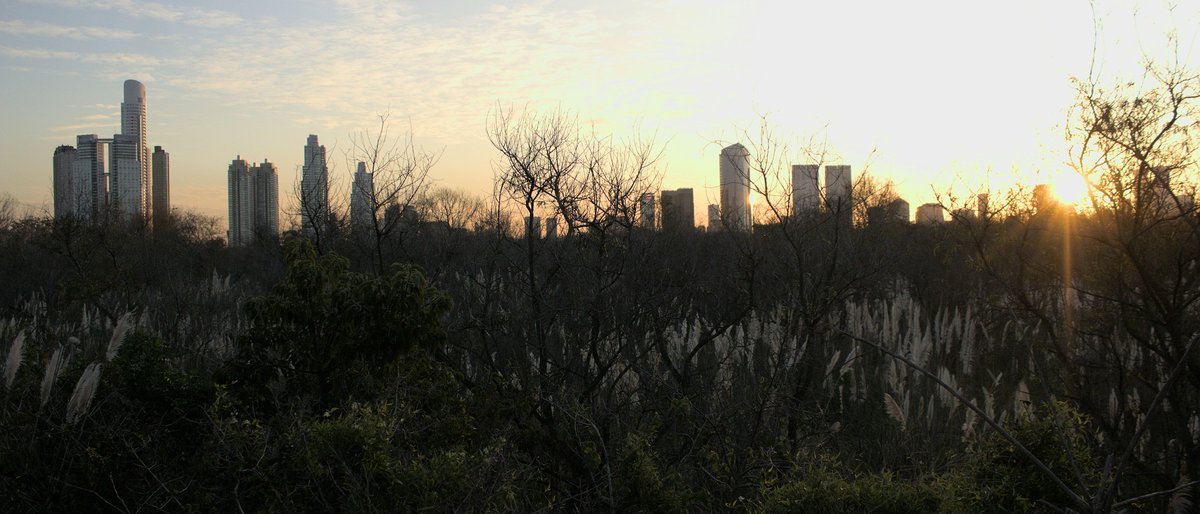
nature reserveThis urban nature reserve along the waterfront is surprisingly good for birdwatching in autumn. Migratory species pass through, and the cooler weather keeps mosquitoes down: a real improvement over the summer experience. Bring binoculars and a windbreaker for the river breeze.
Puerto MaderoMercado de San Telmo
marketThe covered market is always worth a visit, but May's cooler weather makes browsing the food stalls (empanadas, fresh pasta, spice vendors, cheese counters) more comfortable than sweating through it in January. The interior stays dry on rainy days, making it a reliable plan B.
San TelmoMuseo Nacional de Bellas Artes
museumArgentina's premier art museum, free to enter, and in May you can stand in front of a painting without someone's selfie stick in your peripheral vision. The collection includes Rodin, Monet, and a strong showing of Argentine artists. The building sits next to the Floralis Genérica sculpture.
RecoletaBarrio de Boedo
neighborhoodA working-class neighborhood that most tourists skip entirely. In May, the local bodegones (old-school restaurants) serve autumn stews and milanesas to regulars. The tango connection runs deep here: Boedo was one of the birthplaces of the genre. Avenida Boedo itself has an honest, unreconstructed character.
Boedo
Your packing checklist
Tick items off as you pack. Your progress saves in this browser.
All packed — have a great trip.
Insider tips
The parallel exchange rate for foreign currency (the 'blue dollar' or MEP rate) still exists and can make Buenos Aires dramatically cheaper than the official rate suggests. Research current rates before you arrive and bring US dollars or euros in cash: many hotels and even some restaurants will give you a better rate than any ATM.
For locro on May 25, skip the restaurants in tourist zones and look for neighborhood social clubs (clubes de barrio) or union halls that cook enormous pots for the holiday. Parroquias and cultural centers in Boedo and Almagro often sell portions for a fraction of restaurant prices, and the quality is usually better because someone's abuela is running the kitchen.
The Subte (metro) gets noticeably less crowded in May compared to the summer months, but service still stops around 10:30 PM on weeknights. Plan your evening returns around this: a taxi or rideshare from a milonga at 2 AM is the norm, not the exception.
If you're buying leather goods (jackets, bags, belts) May is when shops in Villa Crespo along Avenida Aguirre offer the best deals. Tourist season is over, inventory from the summer collection needs to move, and shopkeepers are more open to negotiation than they would be in November.
MALBA (Museo de Arte Latinoamericano de Buenos Aires) does reduced-price or free admission on certain weekdays. Check their current schedule, but it tends to be Wednesday evenings. In May, you can walk in without a line and spend real time with the collection.
Avoid these mistakes
- Packing only for the average temperature and forgetting the wind chill factor. The thermometer might say 15°C, but the wet wind off the river can make exposed waterfront areas like Puerto Madero feel closer to 8°C. People who only bring a light sweater end up buying emergency jackets at inflated tourist-area prices.
- Planning a full day of outdoor activities without a backup. May's rainy days tend to cluster: you might get three grey days in a row. If your entire itinerary is parks and walking tours with no museum or indoor alternatives, you'll lose whole days to weather.
- Arriving on May 25 or May 1 expecting normal business hours. These are genuine public holidays, not just bank holidays. Shops, supermarkets, and many restaurants close entirely. Stock up on supplies the day before and check restaurant opening plans if you have dinner reservations.
- Assuming Buenos Aires is warm because it's in South America. This catches more visitors than you'd expect. May in Buenos Aires is equivalent to November in southern Europe: autumnal, grey, cool. Pack accordingly, not for the Buenos Aires you've seen in summer travel photos.
Practical tips for May
Book accommodation in Palermo or San Telmo for the best combination of walkability, restaurant access, and atmosphere. In May, you can often negotiate better rates for stays longer than a week on Airbnb: hosts are eager to fill empty apartments. Two public holidays fall in May (the 1st and 25th), and if they land near a weekend, Argentines create long weekends called 'fines de semana largos': domestic tourism spikes during these bridge weekends, so book those specific nights earlier. Restaurant reservations are generally unnecessary in May except at the most popular Palermo spots on Friday and Saturday nights. Dress code is casual-smart for most places: jeans and a nice sweater are fine nearly everywhere, though Teatro Colón performances warrant something a step up. Tipping is typically 10% at restaurants. The Subte runs from 5 AM to about 10:30 PM weeknights, later on weekends. For late-night returns from milongas or bars, the rideshare apps Cabify and Uber both operate reliably, though some taxi drivers still prefer cash. The city's bus system (colectivos) is excellent and runs 24 hours, but you'll need a SUBE card: pick one up at any Subte station or kiosk when you arrive.
FAQ
Is May a good time to visit Buenos Aires?
May is a solid time to visit if you prioritize culture, food, and lower costs over warm weather. You'll get autumn foliage, thinner crowds, low prices, and a city that feels like it's running for its residents rather than its visitors. The trade-off is shorter days, cooler temperatures around 17°C (63°F), and the occasional multi-day stretch of grey drizzle. It's not the single best month (that's likely October or November when spring is in full swing) but it's a good one for the right traveler.
What is the weather like in Buenos Aires in May?
Expect autumn weather: average highs around 17°C (63°F), lows near 10°C (51°F), and about 84mm of rain spread across roughly 5 days. Humidity sits around 78%, which can make overcast days feel clammy. The wind off the Río de la Plata adds a chill that makes exposed areas feel colder than the temperature suggests. You'll get some clear, sunny days that are pleasant for walking, mixed with grey stretches where drizzle lingers. Pack layers and a waterproof jacket.
Is Buenos Aires crowded in May?
Not at all by Buenos Aires standards. May is firmly low season for international tourism. The Feria de San Telmo, which can feel overwhelming on a January Sunday, is manageable. Museums are quiet. The exception is the days immediately around May 25 (Revolución de Mayo) and any long weekends created by the public holidays, when domestic tourists from other Argentine provinces fill hotels and restaurants. Outside those few days, the city is noticeably calm.
What should I wear in Buenos Aires in May?
Think layers. A typical May day might start at 10°C with a chilly, damp morning, warm to 16-17°C by early afternoon, then cool down quickly after sunset. A medium-weight jacket or coat is necessary for evenings. During the day, a sweater or fleece over a long-sleeve shirt works well. Waterproof shoes with decent grip matter: Buenos Aires sidewalks collect puddles and loose tiles get slippery. A scarf earns its place in your bag for windy days near the river.
Are there any major holidays or events in Buenos Aires in May?
Two public holidays: Día del Trabajador (Labour Day) on May 1 and Revolución de Mayo on May 25. The latter is the bigger deal: it's Argentina's foundational national holiday with parades, cultural events, and the tradition of eating locro. Both days see widespread business closures. The Buenos Aires International Book Fair (Feria del Libro) typically extends into early-to-mid May, and BAFICI (the independent film festival) sometimes overlaps with early May as well. None of these are on the scale of a Carnival or New Year, but they add texture to a visit.
Things to Do in Buenos Aires in May
 Free cancellation
 Buenos Aires City Private Tour with Local Guide
Day trip: 4 hours, free cancellation.
via Viator Free cancellation
 Buenos Aires Small-Group City Tour
Day trip: free cancellation.
via Viator Free cancellation
 Argentine Cooking, Wine & Beef Tasting at Argentine Experience
Cooking class: 3 hours, free cancellation.
via Viator Free cancellation
 Cooking Class with Empanadas Steak & Flan by Argentine Experience
Cooking class: 3 hours, free cancellation.
via Viator Free cancellation
 Bike Tour: Half-Day City Highlights of Buenos Aires
City tour: 4 hours, free cancellation.
via Viator Free cancellation
 Gaucho Small-Group Full Day at a Farm in Buenos Aires
Day trip: 9 hours, free cancellation.
via ViatorFind a flight to Buenos Aires
Live fares to Buenos Aires appear here once cookies are accepted.
Last verified by automated review (v1.7.1) on . What is automated review?