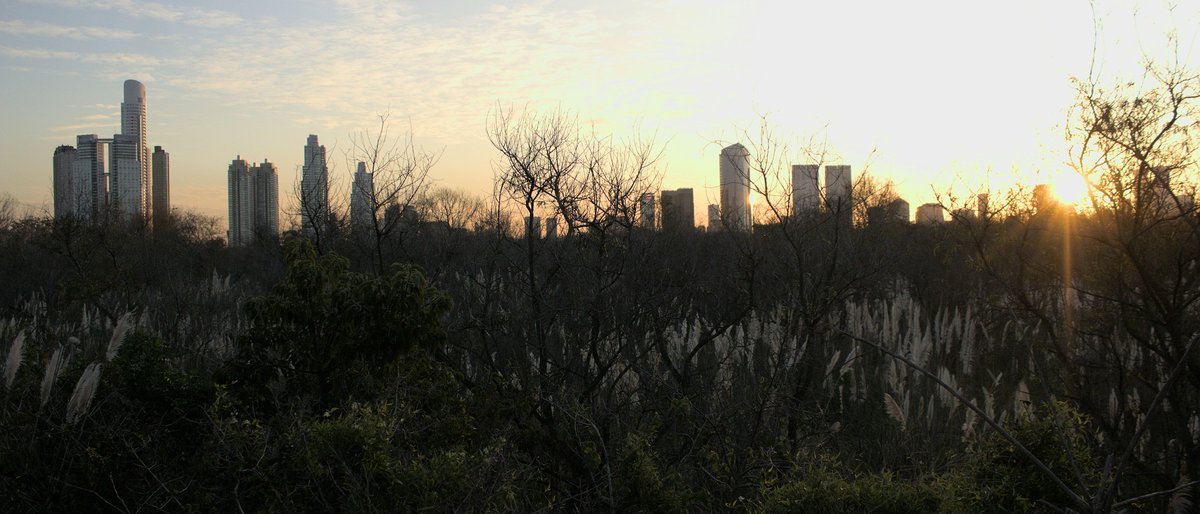
Stay in Buenos Aires in June
93 hotels in the Trip.com pool for Buenos Aires, from US$9 a night.
Opens Trip.com on Fri 4 Jun to Sun 6 Jun 2027; change the dates there.
June in Buenos Aires is winter, full stop. Days get dark by 6 PM, morning temperatures hover around 8°C (46°F), and the damp cold off the Río de la Plata tends to settle into your bones in a way that 14°C (58°F) highs don't quite prepare you for. This is not the Buenos Aires of sun-soaked plazas and late-night sidewalk dining. It's the Buenos Aires of wool scarves, steaming cafés, and tango halls where the warmth comes from bodies pressed close on the dance floor.
That said, there's a strong case for visiting now. June is the driest month of the year (just 27mm of rain) and hotel prices drop considerably from the autumn and spring peaks. The city's legendary indoor culture peaks in winter: theater season is in full swing along Avenida Corrientes, milongas run every night of the week, and the cafés that feel like tourist stops in October become cozy refuges when it's gray and cold outside. You'll share these spaces with porteños rather than tour groups.
Mind you, this isn't a month for someone chasing warm weather or outdoor adventures. But if your idea of a good trip involves lingering over a cortado, catching a play you can't fully understand but somehow feel, and eating stews that could fuel a small army: June might suit you better than you'd expect.
Why visit in June
- Driest month of the year at just 27mm of rainfall: you'll rarely need to change plans because of weather
- Hotel and Airbnb prices drop 30-50% below spring peak rates, making premium neighborhoods affordable
- Theater season along Avenida Corrientes is at its peak, with dozens of productions running nightly
- Fewer international tourists means shorter museum lines and easier restaurant reservations across the board
- The indoor tango scene is at its most authentic: milongas fill with locals who dance for themselves, not for audiences
Worth knowing
- Daylight is limited to roughly 10 hours, with sunset around 5:50 PM; afternoon sightseeing gets cut short
- The damp cold at 78% humidity makes 14°C feel noticeably colder than the number suggests, near the river
- Many rooftop bars and outdoor terraces close for the season or operate on reduced winter hours
- Some day-trip destinations like Tigre's riverside restaurants run on limited winter schedules
Best for
Think twice if
Buenos Aires in June sits firmly in winter. Average highs reach about 14.5°C (58°F) and lows dip to 7.9°C (46°F), though the 78% humidity makes both ends feel a few degrees colder than the numbers suggest. Rainfall is minimal at 27mm across roughly 6 rainy days: this is the driest month of the year. When rain does come, it tends to be light and brief rather than drenching. Fog occasionally rolls in from the river in the early morning, usually burning off by mid-morning. The cold here is a damp, penetrating kind rather than a crisp, dry cold: think London in November rather than Denver in January.
Seasonal caution
- The Sudestada: a persistent southeast wind pattern that can bring several days of continuous cold rain and significantly lower temperatures: occasionally hits Buenos Aires in winter. These events are hard to predict more than a few days out and can drop wind chill close to freezing.
Year-round climate
Averages from the last 5 years.
| Month | Avg high (°C) | Avg low (°C) | Rainfall (mm) |
|---|---|---|---|
| Jan | 29 | 21 | 69 |
| Feb | 28 | 20 | 100 |
| Mar | 26 | 19 | 191 |
| Apr | 21 | 15 | 100 |
| May | 17 | 10 | 84 |
| Jun | 15 | 8 | 27 |
| Jul | 14 | 8 | 42 |
| Aug | 16 | 9 | 77 |
| Sep | 19 | 11 | 69 |
| Oct | 22 | 14 | 63 |
| Nov | 25 | 17 | 105 |
| Dec | 28 | 19 | 67 |
Holidays and festivals in June
Public holidays
- General Manuel Belgrano Memorial Day(Paso a la Inmortalidad del General Manuel Belgrano)20 June 2027
- Anniversary of the Passing of General Martín Miguel de Güemes(Paso a la Inmortalidad del General Martín Miguel de Güemes)21 June 2027
Best things to do in June
Attend a milonga
cultureBuenos Aires' tango dance halls run year-round, but winter is when the local scene feels most alive. The halls fill with porteños who dance because they want to, not because tourists are watching. La Viruta, Salón Canning, and dozens of neighborhood milongas hold regular events. Even if you don't dance, sitting at a table watching experienced dancers navigate the floor while sipping wine is worth the evening.
Local attendance at milongas peaks in winter when outdoor nightlife options decline: the ratio of dancers to spectators shifts heavily toward genuine practitioners.Booking tipMost milongas don't require reservations on weeknights. Weekend events at popular venues can fill up: arrive 30 minutes before the listed start time to secure a table.
Catch a show on Avenida Corrientes
entertainmentBuenos Aires' answer to Broadway runs along Avenida Corrientes, with dozens of theaters offering everything from serious drama to comedy revues. Winter is peak theater season, and you'll find shows running every night. Even without strong Spanish, the physical comedy and musical productions are accessible. The neon-lit avenue on a winter night, with theater marquees glowing and people spilling out of cafés between shows, has a specific atmospheric pull.
Theater season is at full capacity from May through September: the most acclaimed productions premiere in this window and the selection of running shows is at its widest.Booking tipCartelera Baires booths sell last-minute discount tickets for many theaters. Check availability same-day for 30-50% off.
Museum circuit on a cold day
cultureBuenos Aires has a serious museum scene that goes well beyond the obvious MALBA and Bellas Artes. The Museo de Arte Decorativo in Recoleta occupies a former mansion worth visiting for the building alone. MACBA in San Telmo focuses on geometric abstraction. On a cold, gray June day, moving between museums with café stops in between is one of the best ways to spend your time.
Winter's short days and cold temperatures make full-day outdoor sightseeing impractical: museums become the natural anchor of the day rather than a rainy-day backup plan.Booking tipSeveral museums offer free admission on Wednesdays. Check individual museum websites for current schedules.
Explore the used bookstores on Avenida Corrientes
cultureBetween Callao and Avenida 9 de Julio, Corrientes is lined with used bookshops that stay open until midnight or later. In winter, browsing these warm, cramped shops while cold air seeps under the door feels like stepping into someone's private library. Even if you don't read Spanish, the photography, art, and architecture sections reward browsing.
The late-night bookshop culture comes into its own on cold winter evenings: shops are warm, unhurried, and the contrast between the cold street and the lit interior is part of the experience.Café-hopping through the Bares Notables
food & drinkBuenos Aires has designated over 70 bars and cafés as Bares Notables: historically significant establishments protected by the city. In winter, these places make sense in a way they simply don't in summer. Sitting for an hour over a cortado and medialunas in a century-old café with marble tables and wood paneling, watching the street through fogged windows: this is peak Buenos Aires. Café Tortoni draws the tourists, but places like El Federal in San Telmo or La Biela in Recoleta have their own distinct character.
Cold weather transforms café visits from a quick stop into the main event: porteños linger longer, the steam catches the light, and the smell of espresso and warm pastry feels like it belongs to the season.Sunday antiques market at San Telmo
shoppingThe Feria de San Telmo runs along Defensa street every Sunday regardless of weather. In June, the crowds thin out considerably, making it easier to browse the antique stalls, chat with vendors, and duck into the indoor galleries along the route. The surrounding streets fill with tango performances and food vendors. Dress warmly: you'll be outside for a couple of hours at least.
Winter means significantly smaller crowds compared to October through March: you can examine items, negotiate with vendors, and move at your own pace rather than being swept along.Booking tipThe market runs from about 10 AM to 4 PM, but the best selection falls between 11 AM and 2 PM.
Winter wine bar evenings
food & drinkArgentine Malbec and winter are natural partners. The city's wine bars (the concentration in Palermo Soho and Palermo Hollywood) tend to do their best business in the colder months. Many offer guided tastings paired with small plates. Sitting at a bar with a flight of Mendoza reds while it's already dark outside at 6 PM is a particular kind of contentment.
Full-bodied winter reds feel most appealing when temperatures drop: many wine bars shift to richer selections and winter-specific pairing menus during June through August.Booking tipWeeknight tastings rarely need reservations. Friday and Saturday evening tastings at popular spots should be booked a day or two ahead.
What to eat in June
In season: fruit
Mandarinas
Argentine mandarins hit their peak in June. Street vendors sell bags of them on nearly every corner, and the sharp citrus fragrance of someone peeling one on the Subte is a reliable winter scent. Sweet, slightly tart, and far better than anything imported.
On menus now
Locro
A thick, slow-cooked stew of white corn, beans, beef, chorizo, and pork: Argentina's national comfort dish, closely tied to winter and patriotic holidays. Restaurants across the city add it to menus from May through August. The best versions have been simmering since dawn, and the smell alone warms you up from the doorway.
Guiso de lentejas
Lentil stew with chorizo, potatoes, and whatever vegetables the cook had on hand. Every porteño household has its own recipe. You'll find it on bodegón menus throughout the city, served with crusty bread for soaking up the broth.
Carbonada criolla
A beef stew built around butternut squash, corn, dried peaches, and potatoes: sometimes served inside a hollowed-out squash. This traditional winter dish appears on restaurant menus from June through August, bringing a slightly sweet depth that pairs well with a glass of Malbec.
Street food peaks
Tortas fritas
Flat rounds of fried dough, traditionally made on cold, rainy days. Street vendors sell them dusted with sugar near train stations and plazas. The smell of frying dough on a gray winter afternoon is one of the most distinctly porteño seasonal experiences.
What to drink
Submarino
A bar of chocolate dropped into a glass of steaming hot milk: you stir as it melts. This is Buenos Aires' signature winter drink, and cafés serve it with a long spoon and sometimes a small cookie on the side. Far richer than standard hot chocolate, with a texture that shifts as the chocolate dissolves.
Regular events in June
Día de la Bandera (Flag Day)Free
National holiday on June 20th commemorating Manuel Belgrano, creator of the Argentine flag. Expect flag ceremonies, school events, and some business closures. It's a patriotic observance rather than a celebration, but it has a window into Argentine national identity.
June 20Winter theater premieres on Avenida Corrientes
June marks the heart of Buenos Aires' theater season, with new productions premiering across the Corrientes theater district. The programming ranges from serious drama to musical comedy, with many shows running through the winter season.
Throughout JuneAntiquarian book fairsFree
Rare and secondhand book fairs appear at cultural centers around the city during winter months. Collectors and casual browsers find vintage editions, old maps, and historical prints. Locations rotate between venues like Centro Cultural Borges and similar spaces.
Varies, check local listingsBest places this June
Teatro Colón
landmarkOne of the world's great opera houses, and winter is when the performance season runs at full capacity. Even if you don't catch a show, the guided tours reveal the acoustics, the gilt-and-red-velvet interior, the sheer scale of the place. On a cold June day, stepping into the heated grand hall is a sensory shift that catches you off guard.
San NicolásRecoleta Cemetery and surroundings
landmarkThe elaborate mausoleums of Recoleta Cemetery are striking in any season, but in winter the bare trees, low-angled light, and thin crowds give the place an atmospheric weight that gets diluted in warmer months. Combine it with a cortado at La Biela across the street and a walk through the weekend artisan fair if you're there Saturday or Sunday.
RecoletaEl Ateneo Grand Splendid
bookshopA 1919 theater converted into a bookshop: the painted dome ceiling, the stage turned into a reading café, the old theater boxes repurposed as browsing nooks. In winter, when the pull toward indoor spaces is strong, this place earns every bit of its reputation. Go in the morning on a weekday to avoid the crowds that persist even in low season.
RecoletaMercado de San Telmo
marketThis covered market holds old-school butchers, produce vendors, and a growing cluster of food stalls. In winter, the indoor market hums in a way the outdoor options don't: warm empanadas, fresh pasta being rolled, cups of café con leche. It's a working market that also happens to photograph well.
San TelmoPalermo Soho and Palermo Hollywood
neighborhoodMuch of the city's dining and drinking scene concentrates here. In June, the emphasis shifts from terrace seating to candlelit interiors and warm lighting. The density of restaurants, wine bars, and cafés within walking distance means you can eat, drink, and wander without getting too cold between stops.
PalermoMuseo Nacional de Bellas Artes
museumArgentina's premier fine arts museum, free to enter, with a collection that includes Rodin sculptures, Impressionist paintings, and a strong Argentine art wing that tends to get overlooked. A winter afternoon here, followed by a bundled-up walk through the nearby parks, is a solid use of a June day.
RecoletaParque Tres de Febrero (Bosques de Palermo)
parkThe large park system in Palermo takes on a different character in winter. The rose garden is dormant, but the Japanese Garden still has structure and the lakes reflect the gray skies in a way that photographers tend to appreciate. A midday walk when temperatures peak around 14°C is pleasant enough with proper layers.
Palermo
Your packing checklist
Tick items off as you pack. Your progress saves in this browser.
All packed — have a great trip.
Insider tips
The Sunday Feria de San Telmo on Defensa gets the attention, but the side streets (Carlos Calvo and Estados Unidos) have smaller antique shops with better prices and none of the tourist markup. Wander a block off the main drag and you'll find the same things for less.
Porteño dinner starts at 9 PM at the earliest. If you show up at a restaurant at 7 PM, you'll eat alone in an empty dining room. For the actual atmosphere (the noise, the energy, the feeling of the city eating together) arrive after 9:30 on weeknights, 10 PM on weekends.
For tango, skip the dinner-show packages marketed at visitors. Instead, look up the schedule at established milongas like La Viruta or Salón Canning. The entry fee is a fraction of the show price, the dancing is real, and you'll see how tango lives in this city rather than how it's performed.
The exchange rate situation in Argentina is complicated and shifts frequently. Check the current state of official versus parallel rates before you arrive: the difference can significantly affect your spending power. Many places still prefer cash, so plan accordingly.
The Subte is the fastest way around the central city but stops running around 11 PM on weeknights. After that, use official radio taxis or a ride-hailing app: don't hail unmarked cars from the street, late at night.
Avoid these mistakes
- Packing for mild European autumn instead of damp South American winter. The 78% humidity makes 8°C mornings feel considerably colder than the number suggests: visitors from dry climates are often caught off guard by how the cold sticks to you here.
- Planning full outdoor itineraries as if it were spring. Days are short, the sun sets before 6 PM, and spending extended time outside after 4 PM gets uncomfortable fast. Build your days around indoor anchors (museums, cafés, theaters) with outdoor walks between them.
- Assuming everything runs on a Northern Hemisphere schedule. June is winter here, not summer vacation. Some tour operators, river excursion companies, and outdoor attractions run reduced hours or close entirely for the season.
- Ignoring the Sudestada forecast. This southeast wind pattern can bring days of continuous cold rain and drop temperatures well below the seasonal average. Check weather forecasts a few days ahead and keep indoor backup plans ready: getting caught in a Sudestada without a plan B makes for a miserable day.
Practical tips for June
Book accommodations in Palermo or Recoleta for the best concentration of restaurants, cafés, and nightlife within walking distance: minimizing time outside in the cold between stops matters in June. Most museums keep standard hours but some close on Mondays or Tuesdays, so plan accordingly. Theater tickets along Avenida Corrientes can often be purchased same-day, but popular productions sell out on weekends: check Plateanet or Alternativa Teatral for online booking. The Subte runs from roughly 5:30 AM to 11 PM on weekdays with reduced weekend service. Download a ride-hailing app before you arrive for late-night transport. Restaurant reservations are rarely needed on weeknights in June, but Friday and Saturday dinner at popular Palermo spots still warrants booking ahead. Tipping is typically 10% at sit-down restaurants. Keep small bills on hand for taxis and street vendors. Winter hours at some attractions mean earlier closing times: always verify before building afternoon plans around a specific museum or gallery.
FAQ
Is June a good time to visit Buenos Aires?
It's a fair time, not the best, not the worst. June is winter, so expect cool temperatures around 14°C (58°F) during the day and 8°C (46°F) at night. The trade-off is real: you get the driest month of the year, the lowest hotel prices, the fewest tourists, and peak theater and tango seasons. But you lose daylight, outdoor dining, and the general warmth that makes the city's street life so appealing in spring and autumn. If you're drawn to Buenos Aires for its indoor culture (food, tango, theater, cafés, museums) June delivers well. If you want sunshine and rooftop drinks, come in October or November instead.
What is the weather like in Buenos Aires in June?
Cool and relatively dry. Average highs sit around 14.5°C (58°F) and lows around 7.9°C (46°F). Rainfall is just 27mm spread across about 6 days, making June the driest month of the year. Humidity stays around 78%, which makes the cold feel more penetrating than you might expect from the numbers alone. Gray, overcast skies are common but not constant. Snow is extremely rare: it's happened only a handful of times in the city's recorded history. Pack proper winter layers, for mornings and evenings.
Is Buenos Aires crowded in June?
No. June is low season for international tourism and you'll notice the difference immediately. The Sunday market in San Telmo is manageable rather than packed. Museum lines are short or nonexistent. Restaurants in tourist-heavy areas have plenty of open tables. That said, Buenos Aires is a city of over 3 million people: local crowds at popular restaurants and milongas on weekends are still a factor. You're avoiding the tourist increase, not the city's normal rhythm.
What should I wear in Buenos Aires in June?
Dress in warm layers. A proper winter coat or insulated jacket is necessary for mornings and evenings. During the day, a good sweater under a wind-resistant outer layer handles most conditions. Porteños tend to dress well (jeans, boots, wool coats) and you'll feel more comfortable matching that general standard. For theater evenings or milongas, smart casual is the norm. Bring water-resistant shoes with decent grip for the cobblestone streets, in the older neighborhoods.
Are there any major festivals or events in Buenos Aires in June?
June doesn't have a headline event on the scale of Carnival or the Tango World Championship (that's in August). The main calendar date is Día de la Bandera on June 20th: a national holiday with flag ceremonies and some business closures, but it's a patriotic observance rather than a party. The real draw in June is the broader winter cultural season: peak theater programming along Avenida Corrientes, active milonga schedules every night of the week, and film retrospectives at cinemas across the city. No single event defines the month, but the cultural calendar stays full.
Things to Do in Buenos Aires in June
 Free cancellation
 Buenos Aires City Private Tour with Local Guide
Day trip: 4 hours, free cancellation.
via Viator Free cancellation
 Buenos Aires Small-Group City Tour
Day trip: free cancellation.
via Viator Free cancellation
 Argentine Cooking, Wine & Beef Tasting at Argentine Experience
Cooking class: 3 hours, free cancellation.
via Viator Free cancellation
 Cooking Class with Empanadas Steak & Flan by Argentine Experience
Cooking class: 3 hours, free cancellation.
via Viator Free cancellation
 Bike Tour: Half-Day City Highlights of Buenos Aires
City tour: 4 hours, free cancellation.
via Viator Free cancellation
 Gaucho Small-Group Full Day at a Farm in Buenos Aires
Day trip: 9 hours, free cancellation.
via ViatorFind a flight to Buenos Aires
Live fares to Buenos Aires appear here once cookies are accepted.
Last verified by automated review (v1.7.1) on . What is automated review?