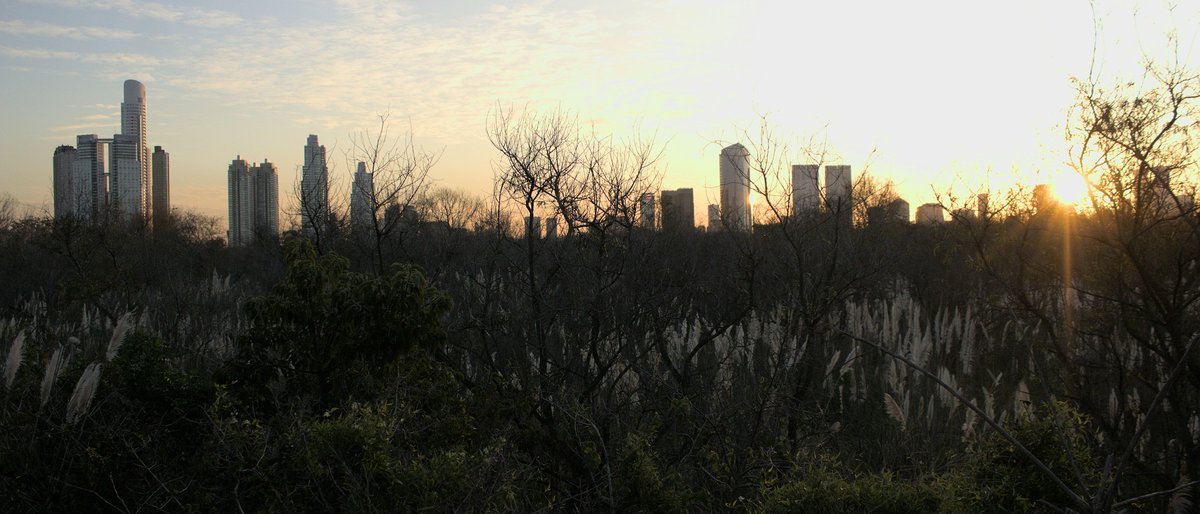
Stay in Buenos Aires in July
93 hotels in the Trip.com pool for Buenos Aires, from US$9 a night.
Opens Trip.com on Fri 2 Jul to Sun 4 Jul 2027; change the dates there.
July is the dead of winter in Buenos Aires, and the single most important thing to know is this: the cold here is deceptive. At 14°C (58°F) during the day and 7–8°C (45–46°F) at night, the numbers look manageable on paper. They're not. Buenos Aires sits on the Río de la Plata estuary, and the humidity (hovering around 79%) turns a mild chill into something that seems to settle in your joints. Most buildings lack central heating. Your hotel room might have a space heater. The café you're sitting in might not have anything at all. It's the kind of cold that catches foreign visitors off guard because it never looks that bad outside.
That said, July has a particular charm if you're prepared for it. Argentine Independence Day falls on July 9th, and the city takes it seriously: expect flag-draped balconies along Avenida de Mayo, locro vendors on every other corner, and a genuine sense of civic pride that feels less performative than most national holidays. The second half of the month brings vacaciones de invierno, the winter school break, which fills museums and theaters with families and gives the cultural calendar a noticeable boost.
This is not a month for rooftop bars or long walks through Palermo's parks. It's a month for ducking into a milonga at midnight, lingering over a three-hour steak dinner in San Telmo, and discovering that Buenos Aires has one of the strongest theater scenes in the Spanish-speaking world. If you're the type who'd rather have a city's culture than its weather, July might work for you.
Why visit in July
- Theater season is in full swing: Buenos Aires has more theaters per capita than nearly any city on earth, and July is when the winter programming peaks with new productions along Avenida Corrientes
- Independence Day celebrations on July 9th bring traditional food, live folk music, and patriotic events that give you a window into Argentine identity you won't see in peak tourist months
- Hotel rates for international visitors drop noticeably from the October–December peak, and you can often negotiate upgrades at boutique hotels in Palermo and Recoleta
- Tango milongas thrive in winter: the intimate, heated dance halls feel more authentic when it's cold and dark outside, and regulars outnumber tourists on the floor
- No crowds at major attractions: you can walk through the Museo Nacional de Bellas Artes or the Recoleta Cemetery without fighting for space
Worth knowing
- The damp cold penetrates more than the temperature suggests: 14°C with 79% humidity and no central heating in most buildings feels uncomfortable if you're not dressed for it
- Daylight hours are short, with sunset around 5:50 PM, which limits outdoor sightseeing and makes late afternoon feel like evening
- Some restaurants and shops in tourist-oriented areas like Puerto Madero keep reduced winter hours or close for renovations during the slow season
- Parks and outdoor markets lose much of their appeal: the famous Sunday Feria de San Telmo still runs but the cold thins the crowd and the vendor selection
Best for
Think twice if
July is the coldest month alongside June. Expect overcast skies more often than not, with the kind of persistent gray that makes Buenos Aires feel like a different city from its sunny summer self. Rain comes in short spells rather than all-day downpours: you'll likely see about 6 rainy days across the month, usually clearing within a few hours. Morning fog along the river is common. The humidity doesn't make you sweat the way it does in summer, but it makes the cold feel like it's coming from inside the walls. Wind off the estuary adds a bite, in exposed neighborhoods like Puerto Madero.
Year-round climate
Averages from the last 5 years.
| Month | Avg high (°C) | Avg low (°C) | Rainfall (mm) |
|---|---|---|---|
| Jan | 29 | 21 | 69 |
| Feb | 28 | 20 | 100 |
| Mar | 26 | 19 | 191 |
| Apr | 21 | 15 | 100 |
| May | 17 | 10 | 84 |
| Jun | 15 | 8 | 27 |
| Jul | 14 | 8 | 42 |
| Aug | 16 | 9 | 77 |
| Sep | 19 | 11 | 69 |
| Oct | 22 | 14 | 63 |
| Nov | 25 | 17 | 105 |
| Dec | 28 | 19 | 67 |
Holidays and festivals in July
Public holidays
- Independence Day(Día de la Independencia)9 July 2027
Best things to do in July
Catch a show on Avenida Corrientes
cultureBuenos Aires's Broadway equivalent runs at full throttle in July. The winter theater season brings new premieres, with everything from experimental independent works in tiny salas to major productions in historic venues like the Teatro San Martín and Teatro Metropolitan. Ticket prices are a fraction of what you'd pay in London or New York for comparable quality.
Winter is peak theater season: new productions premiere, established shows hit their stride, and the cold weather drives both locals and visitors indoors. The concentration of talent on stage in July is noticeably higher than in summer months when productions thin out.Booking tipBuy tickets directly at the theater box office rather than online resellers. Many theaters offer 2-for-1 deals on Wednesday and Thursday nights.
Attend a traditional milonga
cultureBuenos Aires is the birthplace of tango, and winter is when the milongas feel most genuine. Heated dance halls across the city (from the storied Salón Canning in Palermo to Confitería Ideal in the microcentro) fill with regulars who've been dancing for decades. The ratio of locals to tourists shifts heavily toward locals in July, which changes the atmosphere entirely.
Fewer tourists means milongas revert to their local character. Regulars are more approachable, the music selection tends toward more traditional orchestras, and the overall experience feels less like a performance and more like a living tradition. Cold nights and warm dance floors are a natural pairing.Booking tipMost milongas don't require reservations, but arrive early (before 11 PM on weekends) for a good table. Dress smartly; porteños take milonga dress codes seriously even in winter.
Explore the city's café culture
food and drinkBuenos Aires has a café tradition that rivals Paris, and July is when it makes the most sense. The city's cafés notables (designated historic cafés protected by law) include places like Café Tortoni, La Biela, and El Federal. Settle in with a cortado and a medialuna and watch the rain through century-old windows. The pace of café life slows even further in winter.
Cold, gray days make lingering over coffee feel natural rather than indulgent. Cafés that have lines out the door in October are comfortably half-full. You can sit at the best table in Café Tortoni without a 40-minute wait.Visit the Museo Nacional de Bellas Artes
cultureArgentina's premier fine art museum houses an unexpectedly strong collection: Rodin sculptures, Impressionist paintings, and Latin American modern art that holds its own against any major museum. It's free. In winter, you can move through the galleries at your own pace without the usual jostle of school groups and tour buses.
Summer crowds disappear, and the museum often schedules special winter exhibitions. The building's interior feels warm and grand on a cold July day. Pair it with a walk through the adjacent Plaza Francia and Recoleta Cemetery.Eat your way through a multi-course parrilla dinner
food and drinkArgentine steak culture is at its most appealing in winter. A proper parrilla meal: starting with provoleta and chorizo, moving through entraña, ojo de bife, and vacío, finishing with something sweet: can stretch three hours. In July, that pace feels right. Neighborhoods like San Telmo, Palermo, and La Boca all have strong options.
The heavy, protein-rich food that defines Argentine cuisine suits cold weather far better than the sweltering heat of January. Restaurants are less rushed, waiters more attentive, and you'll have your pick of tables at places that require bookings in peak season.Booking tipFriday and Saturday nights at well-known parrillas still benefit from a reservation, even in winter. Weeknights are walk-in friendly.
Wander the Recoleta Cemetery
sightseeingThe ornate mausoleums and narrow lanes of Recoleta Cemetery take on a different character on a cool, overcast winter day: quieter, moodier, and more atmospheric than the sun-bleached summer version. The elaborate marble and bronze work stands out more sharply against gray skies. Look for the tomb of Evita Perón, but don't skip the dozens of equally striking monuments nearby.
Thin crowds mean you can photograph the intricate architecture without other visitors in every frame. The winter light, low and diffused, is better for the details of the stone and metalwork. It's one of the few outdoor activities that improves in cold weather.Booking tipFree to enter. Go mid-morning on a weekday for the emptiest experience. The weekend craft fair outside the cemetery still operates in July, though with fewer stalls.
See a football match at La Bombonera or El Monumental
sportsArgentine football doesn't stop for winter. The professional league plays through July, and attending a match at Boca Juniors' La Bombonera or River Plate's El Monumental is one of the most intense sporting experiences on earth. The atmosphere in the stands (chanting, drums, flags) runs hot regardless of the temperature outside.
Mid-season matches in July often carry significant table implications, which raises the intensity. Cold weather keeps casual tourists away, meaning the crowd is overwhelmingly local and the energy is raw. A winter night match under floodlights at La Bombonera is something you'll remember.Booking tipBuy tickets through the official club sites or at the stadium box office. Avoid street resellers. For the safest and most comfortable experience, sit in the platea (seated sections) rather than the popular standing terraces.
Browse Feria de Mataderos
cultureThis weekend folk fair in the Mataderos neighborhood, on the city's western edge, features gaucho culture, folk music, traditional dances, and some of the best empanadas and choripán you'll find anywhere. It feels nothing like the tourist-oriented San Telmo market: this is where porteños go to connect with Argentine rural traditions.
The winter version of the fair moves indoors, making it weather-proof. The emphasis shifts toward warming foods like locro and tortas fritas, live folk music performances, and craft demonstrations. It's less crowded than in warmer months, and the indoor setting concentrates the atmosphere.Booking tipFree entry. Runs Sundays from around 11 AM to early evening. Take the 55 or 126 bus: it's far from the tourist center, which is part of the appeal.
What to eat in July
In season: fruit
Mandarinas
Argentine mandarins peak in winter. Street vendors and fruit stands sell them by the kilo for next to nothing, and the flavor is noticeably sweeter and more intense than what you'd find in summer months. Locals peel them on the subway like it's nothing.
On menus now
Locro
A thick, hearty stew of white corn, beans, squash, and pork or beef: the traditional dish of Argentine patriotic holidays. On July 9th, Independence Day, restaurants and street vendors across the city serve it. The best versions simmer for hours and come topped with a spoonful of smoky salsa criolla. You'll smell it before you see it.
Guiso de lentejas
Lentil stew simmered with chorizo, potatoes, and whatever vegetables the cook has on hand: a winter staple in porteño homes and increasingly on restaurant menus. Bodegones in neighborhoods like Boedo and Almagro serve the most traditional versions, often with crusty bread on the side.
Carbonada
A slow-cooked beef stew with dried peaches, sweet corn, and squash: slightly sweet, savory, and entirely a winter phenomenon. Some restaurants in San Telmo serve it inside a hollowed-out squash, which is both traditional and theatrical.
Street food peaks
Churros con chocolate caliente
Winter is churro season in Buenos Aires. The fried dough tubes, filled with dulce de leche and dunked into thick hot chocolate, appear at cafés and street carts across the city. The chocolate here tends to be denser than European-style: closer to melted chocolate than cocoa.
What to drink
Mate cocido
While mate from a gourd is year-round, mate cocido (brewed like tea and served in a cup, sometimes with milk) becomes the default warming drink in July. Cafés serve it and locals drink it at home on cold mornings. It pairs well with medialunas.
Regular events in July
Día de la IndependenciaFree
July 9th marks Argentine independence from Spain, declared in 1816. The main ceremonies take place along Avenida de Mayo and at the Cabildo. Expect street food vendors selling locro, empanadas, and tortas fritas, plus folk music performances in plazas across the city. Government buildings fly flags and many locals take the day off.
July 9Vacaciones de Invierno activities
Argentina's two-week winter school break falls in the second half of July. Museums, theaters, and cultural centers ramp up children's programming: puppet shows, workshops, interactive exhibits. The Centro Cultural Kirchner and Centro Cultural Recoleta run strong programs. Expect more domestic tourists and families at kid-friendly venues.
Mid to late July, dates shift slightly each yearBuenos Aires Jazz Festival
When scheduled in the winter window, this multi-venue jazz festival brings Argentine and international musicians to clubs and theaters across the city. Venues in San Telmo and Palermo host the bulk of performances, with some free shows at cultural centers.
Varies year to year: check the Buenos Aires city culture calendar for confirmed datesLa Noche de los Museos (winter edition)Free
While the main Noche de los Museos typically runs in November, select museums and galleries in Buenos Aires open their doors for free winter evening events during July school holidays. It's smaller in scope than the flagship event but draws a loyal local crowd.
One evening during vacaciones de invierno, varies by yearBest places this July
Teatro Colón
cultureOne of the world's finest opera houses, and July is peak season for its performance calendar. Even if you skip a show, the guided tour of the interior (all red velvet, gilded balconies, and a ceiling painted by Raúl Soldi) is worth the visit. The acoustics are famously on par with La Scala and the Vienna Staatsoper.
San NicolásEl Ateneo Grand Splendid
cultureA former theater converted into a bookstore, with the original stage, balconies, and painted ceiling dome intact. On a cold July afternoon, grab a coffee at the stage-turned-café and browse. The building alone is worth seeing: it's one of those places that photographs well but feels even better in person.
RecoletaMercado de San Telmo
food and shoppingThe covered market in San Telmo keeps its appeal year-round, but the cold weather makes the indoor food stalls (serving everything from fresh pasta to oysters to Argentine wine by the glass) inviting. The antique vendors tucked into the market's corners have more time to chat when business slows in winter.
San TelmoCentro Cultural Kirchner
cultureThis repurposed post office building is now one of the largest cultural centers in Latin America. Free concerts, art exhibitions, and winter holiday programming for kids make it a strong rainy-day option. The building's interior, La Ballena Azul concert hall, is architecturally striking.
RetiroPalermo Soho and Palermo Hollywood
neighborhoodThese adjacent neighborhoods are the city's design and dining hub. In July, the tree-lined streets are quieter than usual, and the concentration of wine bars, independent restaurants, and vintage shops makes for good indoor-focused exploring. The cobblestone streets around Plaza Serrano are photogenic in the winter light.
PalermoCafé Tortoni
caféThe most famous café in Buenos Aires, open since 1858. In summer you might wait half an hour for a table. In July, you can likely walk in and sit down. Order a submarino (a glass of hot milk with a bar of chocolate dropped in) and take in the wood-paneled interior. There are tango shows in the back room most evenings.
MonserratMALBA
cultureLatin American contemporary art in a clean, modern building in Palermo. The permanent collection includes Frida Kahlo, Diego Rivera, and Tarsila do Amaral. Winter exhibitions tend to be strong, and the museum café with its park view is a calm retreat on a gray day.
PalermoLa Boca beyond Caminito
neighborhoodMost tourists see only the colorful Caminito street and leave. In winter, with thinner crowds, it's easier to explore the broader neighborhood: the Fundación Proa contemporary art museum, the riverside walk along Vuelta de Rocha, and the old corrugated-iron houses that give La Boca its character beyond the postcard version.
La Boca
Your packing checklist
Tick items off as you pack. Your progress saves in this browser.
All packed — have a great trip.
Insider tips
The 2-for-1 theater ticket deals on Avenida Corrientes are real and widely used by locals: check the cartelera outside each theater or ask at the box office. Wednesday and Thursday nights are the most common discount nights, and the quality of discounted shows is no different from full-price performances.
For locro on Independence Day, skip the touristy restaurants on Florida Street and head to any bodegón in Boedo or Almagro. These neighborhood joints cook it the way it's supposed to taste: thick, smoky, and served in portions that could feed a family. Locals line up from mid-morning.
Buenos Aires runs on a late schedule even in winter. Dinner before 9 PM will land you in an empty restaurant and likely a limited menu. Restaurants hit their stride around 10 PM. Milongas don't warm up until midnight. Adjust your internal clock before arrival or you'll miss the best of the city.
The Subte stops running around 11 PM on weeknights. After that, porteños use ride-hailing apps or the colectivo bus network, which runs 24 hours. The SUBE transit card is worth buying at any kiosko on your first day: it works on the Subte, buses, and the commuter rail.
If you want to experience the Sunday Feria de San Telmo without the cold thinning your patience, go between noon and 2 PM when both the crowd and the vendors are at their peak. The antique dealers at the far southern end of Defensa Street, past the main market building, tend to have more interesting pieces and fewer tourists.
Avoid these mistakes
- Packing only for the average temperature: 14°C (58°F) sounds mild, but with 79% humidity and wind off the river, it can feel closer to 5°C (41°F) in exposed areas. Visitors from warm climates routinely underpack for Buenos Aires winter and spend their first day buying emergency layers at a shopping mall.
- Booking outdoor-focused activities for the first half of the trip without checking the forecast: a bike tour of the Reserva Ecológica or a day trip to Tigre's river delta in the rain is miserable. Schedule outdoor plans for clear days and fill rainy ones with museums, theaters, and restaurants.
- Trying to eat dinner at 7 PM like you would in North America or Northern Europe. The restaurant might technically be open, but the kitchen is often still in prep mode and you'll be dining alone. The late schedule is part of the culture, not an inconvenience.
- Skipping neighborhoods beyond the usual tourist loop. San Telmo, Palermo, and Recoleta are well-trodden. In winter, with more flexible schedules and less pressure to be outdoors, it's worth venturing to Boedo for its tango history, Colegiales for its quieter café scene, or Chacarita for its emerging restaurant strip.
Practical tips for July
Book theater tickets in person at the box office when possible: online platforms charge significant service fees. The SUBE card is essential for transit and costs very little; buy it at any kiosko and load it with credit. Tipping at restaurants is typically around 10%, left in cash even if you pay by card. Many shops and restaurants still prefer cash, though card acceptance has improved in tourist areas. Winter hours can be unpredictable: check Google Maps or call ahead before visiting smaller shops and galleries, as some shift to reduced hours or close for a week or two for renovations during the slow season. If you're catching a flight out, note that Aeroparque handles domestic and some regional flights and sits within the city, while Ezeiza handles international flights and is roughly 40 minutes to an hour south: budget extra time on rainy days when traffic worsens. For winter school holiday programming, the Buenos Aires city government's culture website publishes a full schedule of free and paid events in early July. Dress in layers rather than one heavy coat: you'll be moving between heated interiors and cold streets constantly, and overheating indoors is as common a complaint as freezing outdoors.
FAQ
Is July a good time to visit Buenos Aires?
It depends on what draws you. If you want warm weather, outdoor dining, and long park strolls, no: July is the coldest month with highs around 14°C (58°F) and short days. But if you're drawn to Buenos Aires for its culture (tango, theater, museums, food) July is surprisingly solid. Crowds thin out, prices drop, and the city's indoor life comes into sharp focus. It's not the best month overall, but it's far from the worst if you're prepared for the cold and you're the type who'd rather be in a milonga than on a park bench.
What is the weather like in Buenos Aires in July?
Cold and damp by the city's standards, though mild compared to a Northern Hemisphere winter. Average highs sit around 14°C (58°F) and lows around 7.5°C (46°F). Humidity hovers near 79%, which makes the cold feel more penetrating than the numbers suggest. Expect about 42mm of rain spread across roughly 6 days: usually light showers rather than all-day downpours. Overcast skies are common, and the wind off the estuary can make exposed areas feel noticeably colder. Frost is rare but possible on the coldest nights.
Is Buenos Aires crowded in July?
Not by international tourist standards: this is the lowest period for foreign visitors. However, the second half of July brings vacaciones de invierno, the winter school break, which means more domestic tourists, families. You'll notice the difference at kid-friendly museums and theaters, but you won't experience the kind of crowding that shows up in October and November. Restaurants and major attractions remain comfortably manageable throughout the month.
Do I need to speak Spanish to get around Buenos Aires in July?
Having some Spanish helps more than most travelers expect. Buenos Aires is not as English-friendly as, say, Barcelona or Amsterdam: taxi drivers, shopkeepers, and restaurant staff outside the main tourist areas often speak limited English. In winter, with fewer tourists around, the default language environment leans even more heavily Spanish. A few key phrases and a translation app on your phone will get you through most situations. Hotel staff at mid-range and higher properties typically speak English well enough.
What should I definitely not miss if I visit Buenos Aires in July?
Three things stand out: a tango milonga, where the winter crowd is more local and the atmosphere more intimate than in peak season; a night at the theater on Avenida Corrientes, where the winter programming is strong and tickets are cheap; and a proper multi-course parrilla dinner in San Telmo or Palermo, because the food of Buenos Aires suits cold weather well. If you're in town on July 9th, seek out a bowl of locro at a neighborhood bodegón: it's the taste of Argentine independence celebrations and satisfying on a cold day.
Things to Do in Buenos Aires in July
 Free cancellation
 Buenos Aires City Private Tour with Local Guide
Day trip: 4 hours, free cancellation.
via Viator Free cancellation
 Buenos Aires Small-Group City Tour
Day trip: free cancellation.
via Viator Free cancellation
 Argentine Cooking, Wine & Beef Tasting at Argentine Experience
Cooking class: 3 hours, free cancellation.
via Viator Free cancellation
 Cooking Class with Empanadas Steak & Flan by Argentine Experience
Cooking class: 3 hours, free cancellation.
via Viator Free cancellation
 Bike Tour: Half-Day City Highlights of Buenos Aires
City tour: 4 hours, free cancellation.
via Viator Free cancellation
 Gaucho Small-Group Full Day at a Farm in Buenos Aires
Day trip: 9 hours, free cancellation.
via ViatorFind a flight to Buenos Aires
Live fares to Buenos Aires appear here once cookies are accepted.
Last verified by automated review (v1.7.1) on . What is automated review?