Stay in Buenos Aires in September
93 hotels in the Trip.com pool for Buenos Aires, from US$9 a night.
Opens Trip.com on Fri 25 Sep to Sun 27 Sep 2026; change the dates there.
September in Buenos Aires is the city shaking off winter. You'll notice it in the way porteños start lingering at outdoor café tables again, in the first tentative blooms along the jacaranda-lined streets of Palermo, and in the light, which shifts from that flat gray of July and August to something warmer, more golden, by late afternoon. Temperatures sit around 18.5°C (65°F) during the day and drop to about 11°C (52°F) at night, which means you're looking at jacket weather rather than anything close to the humid summer heat that makes January miserable. It's early spring, and the city feels like it's waking up.
To be fair, September is still transitional. Some days feel properly spring-like (clear skies, a slight warmth on your face by midday) while others drag you right back into winter with a damp south wind off the Río de la Plata that cuts through layers. The month's big cultural moment is Día de la Primavera on September 21, which doubles as Student Day, and the parks fill with young people, picnics, and mate circles in a way that gives you a genuine taste of how Buenos Aires socializes. It's not a polished tourist event. It's thousands of university students sprawled across Parque de Palermo with thermoses and guitars.
Pricing-wise, you're in shoulder season territory. The big international tourist wave doesn't hit until October and November, so hotel rates are reasonable and restaurant reservations are easy to come by. The trade-off is that some outdoor attractions (rooftop bars, river excursions) are still operating on reduced winter schedules or haven't fully reopened yet. But if you want to explore Buenos Aires without fighting crowds, September gives you room to breathe.
Why visit in September
- Spring weather arrives mid-month: comfortable walking temperatures between 11-18°C without the brutal summer humidity that makes January and February exhausting
- Shoulder season pricing means hotel rates run noticeably below the October-December peak, with fewer tourists competing for tables at popular parrillas
- Día de la Primavera on September 21 offers an authentic, non-touristy glimpse of porteño social culture: the parks become an open-air party
- Cultural season ramps up with theater premieres and gallery openings along the Palermo circuit, many at lower ticket prices than the summer festival season
- Jacaranda trees begin their first flush of purple blooms in late September, giving you an early preview before the full canopy explosion of November
Worth knowing
- Weather is inconsistent: a warm 20°C afternoon can be followed by a 9°C morning with cutting wind from the south, and you'll need to dress in layers daily
- Several outdoor venues and rooftop bars still operate on abbreviated winter hours or remain closed until October, limiting nightlife options
- The Río de la Plata waterfront areas (Costanera Norte, Puerto Madero boardwalk) can feel exposed and chilly on overcast days, which you'll get perhaps a third of the month
- Rain is moderate at 69mm across roughly 6 days, but when it rains in Buenos Aires it tends to be heavy and sudden, not the gentle drizzle you can walk through
Best for
Think twice if
September marks Buenos Aires's transition from winter to spring. Early in the month still feels like late winter: overcast mornings, a damp chill that clings to the stone buildings of San Telmo. By the third week, though, you'll start getting those first properly warm afternoons where the sun has genuine strength. Mornings tend to be cool enough for a jacket, but by 2pm you might be carrying it. Wind off the river is the wild card: a south-facing day along Puerto Madero can feel five degrees colder than a sheltered street in Recoleta. Rain comes in short, sharp bursts rather than all-day drizzle, typically clearing within an hour or two.
Year-round climate
Averages from the last 5 years.
| Month | Avg high (°C) | Avg low (°C) | Rainfall (mm) |
|---|---|---|---|
| Jan | 29 | 21 | 69 |
| Feb | 28 | 20 | 100 |
| Mar | 26 | 19 | 191 |
| Apr | 21 | 15 | 100 |
| May | 17 | 10 | 84 |
| Jun | 15 | 8 | 27 |
| Jul | 14 | 8 | 42 |
| Aug | 16 | 9 | 77 |
| Sep | 19 | 11 | 69 |
| Oct | 22 | 14 | 63 |
| Nov | 25 | 17 | 105 |
| Dec | 28 | 19 | 67 |
Best things to do in September
Tango milongas in traditional venues
cultureSeptember is one of the best months for authentic milonga experiences. The tourist-heavy summer months thin out the local crowd at classic venues, but by September the regulars have the floor back. Salón Canning in Palermo, La Viruta, and the Tuesday milonga at Confitería Ideal all have strong attendance from serious dancers rather than spectators.
Milongas are full of locals rather than tourists, creating a more authentic atmosphere. Prices haven't risen to summer tourist rates, and getting a table doesn't require arriving an hour early.Booking tipMost milongas don't take reservations: arrive 30 minutes before the listed start time for a good seat. Dress code matters more at traditional venues: closed-toe shoes, no jeans at the fancier spots.
Walking tours of San Telmo and La Boca
sightseeingThe mild temperatures (hovering around 16-18°C by midday) make September good for the kind of long, slow neighborhood walking that Buenos Aires rewards. San Telmo's cobblestone streets, antique shops, and faded colonial facades are best appreciated on foot, and you won't be drenched in sweat like you would in January.
Walking temperatures are close to perfect. The summer heat that makes La Boca's Caminito feel like an oven is months away, and the winter chill that rushes you past storefronts is fading.Booking tipFree walking tours run on reduced schedules compared to summer: check availability for weekday tours, as some only operate weekends in September.
Día de la Primavera picnics in Parque Tres de Febrero
cultural eventOn September 21, Buenos Aires celebrates the arrival of spring with massive outdoor gatherings, in the parks of Palermo. Parque Tres de Febrero fills with students, families, and friend groups sharing mate, grilling on portable parrillas, and playing music. It's chaotic and joyful in a way that feels local.
This happens once a year, on September 21. It coincides with Student Day, which means the energy skews young and festive. The Rosedal and surrounding green spaces become an impromptu festival without any formal organization.Booking tipNo booking needed, just bring a blanket, a thermos of hot water, mate, and something to eat. Arrive before noon to claim a spot with shade.
Exploring the Feria de San Telmo
shoppingThe Sunday antiques market along Calle Defensa stretches for blocks through San Telmo, selling everything from vintage soda siphons and silver mate gourds to old tango records and leather goods. In September, you can browse without the shoulder-to-shoulder crush of high season.
Fewer tourists mean you can stop, examine things, and negotiate without being pushed along by the crowd. Vendors are more willing to chat and offer better prices during shoulder season.Booking tipGet there by 10am for the best selection. The market officially starts earlier but many vendors are still setting up. Bring cash: most stalls don't take cards.
Evening performances along Avenida Corrientes
cultureBuenos Aires's Broadway equivalent kicks into high gear in September as the teatro season launches new productions. Avenida Corrientes from Callao to the Obelisco is lined with theaters ranging from major productions to tiny independent spaces showing experimental work.
September marks the start of the spring theater season, with premieres and new productions launching before the end-of-year rush. Ticket availability is better and prices are lower than during the tourist-heavy months.Booking tipCheck Alternativa Teatral for listings across independent theaters. Many offer discounted tickets for midweek shows. Performances typically start at 9pm or later: this is Buenos Aires, after all.
Cycling through the Reserva Ecológica Costanera Sur
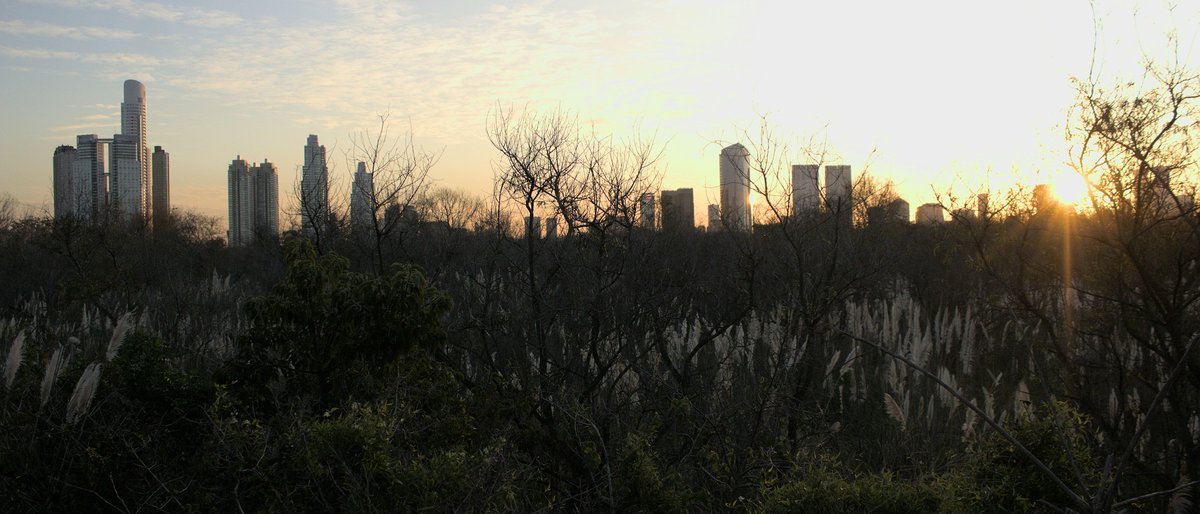
outdoorThis 350-hectare nature reserve sits right on the waterfront behind Puerto Madero, and September's mild weather makes it comfortable for the 8km loop trail. You'll see coypus along the lagoons, migratory birds returning for spring, and surprisingly wild landscapes just minutes from downtown skyscrapers.
Migratory bird species start arriving in September, making it one of the better months for birdwatching. The trails are dry enough to ride comfortably, and the temperature is good for cycling without overheating.Booking tipRent bikes from the stations in Puerto Madero. The reserve is free to enter but closes at sunset: check the day's closing time, which shifts as days get longer through September.
Coffee and bookshop crawling in Palermo
cultureBuenos Aires has a literary café culture that rivals Paris, and September's cool-but-not-cold weather makes hopping between bookshops and cafés in Palermo Soho and Palermo Hollywood pleasant. Places like Libros del Pasaje combine a curated bookshop with a café, and the tradition of spending a full afternoon over a single cortado is alive and well.
The weather is cool enough that sitting inside a warm café with a book feels like a treat rather than an obligation. Many bookshops host author readings and small events as the cultural calendar picks up in spring.What to eat in September
In season: fruit
Citrus fruits: mandarinas and naranjas
Late winter citrus is still at its peak in September. Street vendors along Avenida Corrientes and in the Mercado de San Telmo sell bags of mandarinas that are intensely sweet and easy to peel. Fresh-squeezed orange juice appears at every café counter.
On menus now
Empanadas de vigilia
As the Lenten and winter comfort food season winds down, these fish and seafood empanadas are still on many bakery menus in September. Look for them at traditional panaderías in Boedo and Almagro: filled with atún or merluza, they're a different animal from the typical carne empanada.
Locro
This hearty corn and white bean stew with pork, chorizo, and squash is technically a cold-weather dish, and September's still-cool mornings keep it on restaurant menus. You'll find it at traditional bodegones in San Telmo and Constitución. The texture is thick, almost porridge-like, and it warms you from the inside on a damp spring morning.
Street food peaks
Tortas fritas
These fried dough rounds are a rainy-day tradition in Buenos Aires: when it rains, street vendors and bakeries start frying them up. September's scattered rain days mean you'll likely encounter them, dusted with sugar, sold from small carts near bus stops and train stations. The smell of frying dough in damp air is distinctly porteño.
In markets
Alcauciles (artichokes)
September is peak artichoke season in the Buenos Aires region. You'll find them grilled whole at parrillas, braised in white wine at Italian-Argentine trattorias, and fried as a tapa. The local variety tends to be smaller and more tender than what you'd find in California or Southern Europe.
Regular events in September
Día de la Primavera / Día del EstudianteFree
September 21 marks both Spring Day and Student Day in Argentina. Parks across Buenos Aires (Palermo's green spaces) fill with young people celebrating with picnics, music, and mate. It's the city's unofficial outdoor party and one of the best days to experience how porteños spend their free time.
September 21Día del Maestro (Teacher's Day)Free
September 11 is Teacher's Day in Argentina, a national observance. Schools are closed, and many teachers receive gifts and recognition. For visitors, the main impact is that some family-oriented attractions may be busier than usual as children are off school.
September 11Buenos Aires International Festival of Independent Cinema (BAFICI) pre-events
While the main BAFICI festival typically runs in April, September often sees pre-screenings, retrospective cycles, and related film events at venues like the Sala Lugones in the Teatro San Martín and independent cinemas in Palermo and Belgrano.
Various dates throughout SeptemberFeria de MataderosFree
This traditional fair in the Mataderos neighborhood shows folk music, gaucho culture, regional food, and artisan crafts. It operates on Sundays and gives a window into Argentine traditions beyond the typical tango-and-steak tourist circuit. September's pleasant weather makes the outdoor setting comfortable.
Sundays throughout SeptemberGallery nights in PalermoFree
Palermo's gallery circuit holds monthly openings, typically on the last Thursday or Friday. September's openings tend to feature new exhibitions launching for the spring season, and you can walk between galleries while stopping for wine at each one.
Last Thursday or Friday of SeptemberBest places this September
Parque Tres de Febrero (Bosques de Palermo)
parkThe large park complex in Palermo is at its best in September as the first spring blooms appear. The Rosedal (rose garden) starts showing color by mid-month, and the lake is pleasant for rowing now that the winter gray is lifting. On September 21, this is ground zero for Día de la Primavera celebrations.
PalermoJardín Botánico Carlos Thays
gardenThis botanical garden in Palermo is a quiet counterpoint to the larger parks. In September, the greenhouse collections are appealing on cooler days, and the outdoor grounds show early spring growth. The Art Nouveau iron-and-glass conservatory alone is worth the visit.
PalermoSan Telmo streets south of Plaza Dorrego
neighborhoodMost tourists cluster around Plaza Dorrego and the main stretch of Defensa. Head a few blocks south and the crowds thin dramatically. You'll find smaller antique shops, traditional cafés that haven't been renovated for Instagram, and streets with crumbling grandeur that photograph well in September's angled light.
San TelmoCementerio de la Recoleta
landmarkThe elaborate mausoleums of Recoleta Cemetery are striking in any season, but September's overcast days and low-angle afternoon light create a particular atmosphere: less harsh shadows than summer, and the aged marble takes on a warmer tone. Go on a weekday morning to avoid tour groups.
RecoletaMercado de San Telmo
marketThe covered market on Calle Bolívar is a good September destination precisely because it's indoors: on a damp morning, you can browse cheese stalls, sample empanadas, and drink cortados without worrying about the weather. The upper level has vintage shops worth exploring.
San TelmoCostanera Sur at golden hour
waterfrontThe eastern waterfront promenade behind Puerto Madero faces the river and catches the setting sun. In September, as days lengthen, golden hour moves later into the evening and the light across the river is soft and warm. Walk south past the nature reserve entrance for the quieter stretch.
Puerto MaderoCalle Lanín in Barracas
street artThis short residential street was painted by artist Marino Santa María in bold geometric patterns. It's not well-known outside Buenos Aires and rarely crowded. September's soft light, without harsh summer glare, is arguably the best time to photograph the facades.
Barracas
Your packing checklist
Tick items off as you pack. Your progress saves in this browser.
All packed — have a great trip.
Insider tips
The subte (metro) gets uncomfortably packed during rush hour (roughly 7:30-9:30am and 5:30-7:30pm) and September's return-to-routine energy after winter makes it worse. Walk or take a bus during those windows if your route allows it. Colectivos (city buses) use a SUBE card, same as the subte, and many routes are faster anyway.
For the best exchange rate, bring US dollars in cash and change them at a cueva (informal exchange house): ask your hotel or Airbnb host where the nearest reliable one is. The official bank rate and what you'll get at a cueva can differ substantially, and nearly every local and long-term expat uses them. ATM withdrawal fees and rates are notably unfavorable.
Dinner in Buenos Aires starts late. Restaurants begin filling around 9pm and peak at 10:30pm. If you show up at 7pm expecting to eat, you'll find empty rooms or kitchens that aren't fully operational yet. Adjust your internal clock or you'll spend your first two nights eating alone in confused silence.
The weekend Feria de Mataderos in the Mataderos neighborhood is a far more authentic folk market than the tourist-oriented craft stalls you'll find in San Telmo or La Boca. It's a bus ride from the center, but worth it for regional food, live folk music, and gaucho demonstrations. September weather makes the outdoor setting comfortable.
Café culture runs deep here, and the cortado is the default order, not a latte or cappuccino. Sit at the bar for faster service and lower prices at traditional cafeterías. The old-school spots: Café Tortoni gets all the guidebook ink, but Bar El Federal in San Telmo and Los Galgos in Tribunales have the same atmosphere without the tourist markup.
Avoid these mistakes
- Packing only for spring weather and getting caught by a cold snap: September can still drop below 10°C with wind chill, in the first two weeks. The warm afternoons fool people into leaving layers at the hotel, then they're miserable by 7pm when the temperature drops sharply after sunset.
- Planning outdoor activities for September 21 without knowing it's Día de la Primavera: the parks, Palermo, become so packed that casual strolling is nearly impossible. If you want a quiet park day, go any other day. If you want the celebration, arrive early and commit to the chaos.
- Relying on credit cards everywhere: many smaller restaurants, cafés, and market vendors in Buenos Aires still prefer cash, and the credit card exchange rate is typically worse than what you'd get exchanging dollars. Carry pesos for daily transactions and save cards for larger purchases at established businesses.
- Scheduling a tight itinerary that doesn't account for Buenos Aires's late rhythms: shops open at 10am, many museums close on Mondays or Tuesdays, and restaurants don't serve dinner before 8:30pm at the earliest. Building a 9-to-5 sightseeing schedule will leave you standing in front of closed doors repeatedly.
Practical tips for September
September sits in a scheduling gap where some attractions are transitioning from winter to spring hours, so check opening times before heading anywhere: the Museo de Arte Latinoamericano de Buenos Aires (MALBA), Fundación Proa in La Boca, and several Palermo galleries adjust their schedules in September. Book accommodation in Palermo Soho or San Telmo for walkability to restaurants, nightlife, and cultural sites. The SUBE card is essential for public transit: buy one at a subte station kiosk and load it with credit. Uber operates in Buenos Aires alongside the traditional radio taxis and remises, though cabbies may express opinions about ride-sharing apps. For milongas, check the Hoy Milonga website or app for current schedules, as venues shift nights and times seasonally. September weather means you should always have a backup indoor plan: a sudden afternoon rain can derail an outdoor itinerary, but Buenos Aires has enough museums, bookshops, and covered markets to fill the gap. Note that many porteños take short spring vacations around September 21 when it aligns with weekends, so some smaller neighborhood businesses may close for a long weekend.
FAQ
Is September a good time to visit Buenos Aires?
September is a solid choice, if you prefer mild weather and smaller crowds. It's early spring, so temperatures are comfortable for walking (around 18°C (65°F) during the day) without the oppressive humidity of summer. The trade-off is some weather unpredictability and a city that hasn't fully switched to spring mode yet. Some outdoor venues and rooftop spots operate on reduced schedules. That said, the cultural calendar is picking up, prices are below peak-season rates, and you'll share the city with locals rather than tour groups. It likely ranks in the top half of months for visiting, but October and November edge it out for consistently warmer weather and the full jacaranda bloom.
What is the weather like in Buenos Aires in September?
Expect average highs around 18.5°C (65°F) and lows near 11°C (52°F). Rainfall is moderate at about 69mm spread across roughly 6 rainy days, though when it rains it tends to come in heavy bursts rather than steady drizzle. Humidity sits around 73%. The main thing to prepare for is variability: a sunny 20°C afternoon might follow a gray, windy 12°C morning. Layers are more important than any single heavy coat. Wind off the Río de la Plata can make exposed areas feel noticeably colder than sheltered streets.
Is Buenos Aires crowded in September?
No, September is one of the quieter months for international tourism. You're between the winter low season and the spring-to-summer peak that builds from October through December. Popular sites like Recoleta Cemetery, the San Telmo Sunday market, and Palermo's restaurants are all noticeably less crowded than they would be in November or December. The one exception is September 21, when Día de la Primavera fills the parks with locals, but that's a different kind of crowd, and arguably a highlight rather than a drawback.
What should I wear in Buenos Aires in September?
Dress in layers. Mornings and evenings call for a jacket or sweater: something warm enough for 11°C but not so heavy that you're overheating by midday. Porteños tend to dress well, so smart-casual is the baseline in most neighborhoods. For evening outings (milongas, theater, dinner in Palermo) step it up a notch from daytime wear. Bring closed-toe shoes that can handle wet pavement, and keep a compact umbrella on you. A scarf is useful for windy waterfront areas.
What happens on September 21 in Buenos Aires?
September 21 is Día de la Primavera (Spring Day) and Día del Estudiante (Student Day) rolled into one. It's essentially Buenos Aires's biggest outdoor gathering of the year outside of major protests or football celebrations. The parks of Palermo (Parque Tres de Febrero and the Rosedal) fill with thousands of mostly young people having picnics, sharing mate, playing music, and generally celebrating the end of winter. It's free, unstructured, and fun to experience. Just know that getting around Palermo that day is slow, and the parks are standing-room-only by early afternoon.
Things to Do in Buenos Aires in September
 Free cancellation
 Buenos Aires City Private Tour with Local Guide
Day trip: 4 hours, free cancellation.
via Viator Free cancellation
 Buenos Aires Small-Group City Tour
Day trip: free cancellation.
via Viator Free cancellation
 Argentine Cooking, Wine & Beef Tasting at Argentine Experience
Cooking class: 3 hours, free cancellation.
via Viator Free cancellation
 Cooking Class with Empanadas Steak & Flan by Argentine Experience
Cooking class: 3 hours, free cancellation.
via Viator Free cancellation
 Bike Tour: Half-Day City Highlights of Buenos Aires
City tour: 4 hours, free cancellation.
via Viator Free cancellation
 Gaucho Small-Group Full Day at a Farm in Buenos Aires
Day trip: 9 hours, free cancellation.
via ViatorFind a flight to Buenos Aires
Live fares to Buenos Aires appear here once cookies are accepted.
Last verified by automated review (v1.7.1) on . What is automated review?