Stay in Buenos Aires in November
93 hotels in the Trip.com pool for Buenos Aires, from US$9 a night.
Opens Trip.com on Fri 6 Nov to Sun 8 Nov 2026; change the dates there.
November in Buenos Aires is the month the city turns purple. Tens of thousands of jacaranda trees burst into bloom across every barrio, lining avenues with canopies of lavender flowers that shed petals onto sidewalks and parked cars like confetti after a parade. It's worth the trip for that alone. Daytime temperatures sit around 25°C (77°F) with lows near 17°C (62°F): warm enough for outdoor dining but not the punishing humidity that arrives in January and February. That said, November is one of the rainier months, with roughly 105mm spread across about nine days. The showers tend to come on fast, dump hard for twenty or thirty minutes, and clear out. You'll learn to keep one eye on the sky.
This is late spring, and the city has a particular energy right now. After months of cooler weather, portenos are back on terraces and in parks. Palermo's sidewalk cafés fill up again. The Costanera gets runners and mate drinkers in the late afternoon light. Prices haven't yet hit the December-January peak, and international tourist crowds are still manageable. To be fair, you won't have the place to yourself (Argentines themselves are out enjoying the weather) but you won't be fighting for restaurant tables either.
Mind you, the jacarandas alone set November apart from nearly every other month. If you've seen photos of Buenos Aires draped in purple and wondered when to go, this is it. The blooms typically peak in the first three weeks of November, though timing shifts a bit year to year depending on spring temperatures. By early December, most trees have dropped their flowers and leafed out green.
Why visit in November
- Jacaranda season transforms the city: entire avenues canopied in purple blooms that peak in the first three weeks of November
- Warm spring weather (25°C / 77°F highs) without the oppressive summer humidity that makes January and February exhausting
- Shoulder-season pricing on hotels and flights before the December-January peak, with rates typically 15-25% below summer highs
- Outdoor culture returns in full force: terrace dining, park picnics, open-air milongas, and weekend markets all benefit from the longer, warmer days
Worth knowing
- November rainfall (105mm across ~9 days) is one of the highest of the year: expect sudden afternoon downpours that can soak you if you're caught without cover
- UV radiation in the Southern Hemisphere spring is deceptively strong, and the ozone layer is thinner at these latitudes: sunburn sneaks up on visitors who underestimate it
- Some spring storms (sudestadas) bring strong southeast winds off the Río de la Plata, occasionally flooding low-lying areas near La Boca and the Costanera
Best for
Think twice if
Late spring warmth settles in properly during November. Days reach around 25°C (77°F), which feels comfortable: warm enough for a t-shirt at midday, cool enough that you won't be dripping. Evenings drop to about 17°C (62°F), and you'll want a light layer if you're eating outdoors after dark. Humidity sits around 65%, noticeable but not oppressive. The catch is rain: 105mm across roughly nine days, mostly arriving as sharp afternoon thunderstorms that roll through fast. Mornings tend to be clear and sunny. The air has a particular freshness after those storms: the smell of wet jacaranda petals on warm pavement is one of those sensory details that sticks with you.
Seasonal caution
- Spring UV levels in Buenos Aires are deceptively high: the Southern Hemisphere ozone layer is thinner at these latitudes, and visitors from the Northern Hemisphere frequently underestimate sun exposure, on overcast days when UV still penetrates cloud cover
- Sudestada storms occasionally hit in November, bringing sustained southeast winds off the Río de la Plata with heavy rain lasting 24-48 hours: these can cause localized flooding in low-lying neighborhoods near the waterfront
Year-round climate
Averages from the last 5 years.
| Month | Avg high (°C) | Avg low (°C) | Rainfall (mm) |
|---|---|---|---|
| Jan | 29 | 21 | 69 |
| Feb | 28 | 20 | 100 |
| Mar | 26 | 19 | 191 |
| Apr | 21 | 15 | 100 |
| May | 17 | 10 | 84 |
| Jun | 15 | 8 | 27 |
| Jul | 14 | 8 | 42 |
| Aug | 16 | 9 | 77 |
| Sep | 19 | 11 | 69 |
| Oct | 22 | 14 | 63 |
| Nov | 25 | 17 | 105 |
| Dec | 28 | 19 | 67 |
Holidays and festivals in November
Public holidays
- National Sovereignty Day(Día de la Soberanía Nacional)23 November 2026
When is Christmas season in 2026?
27 November to 26 December 2026
Christmas season is a major cultural celebration in Buenos Aires. In 2026 it runs from 27 November to 26 December 2026.


Headline events
Jacaranda Season
Late October through late November, peak usually first three weeks of November
Buenos Aires has over 20,000 jacaranda trees, and November is when they peak. Entire avenues (Avenida Santa Fe, Avenida Figueroa Alcorta, the streets around Plaza San Martín) turn into purple tunnels. Petals carpet the sidewalks and pile up along curbs. Photographers come from across South America specifically for this, and social media floods with overhead shots of purple-canopied streets. The bloom typically peaks in the first two to three weeks of November, though it varies by a week or so depending on spring temperatures.
Día de la Tradición
November 10 and surrounding weekend
Argentina's celebration of gaucho culture and rural heritage, centered around November 10 (the birthday of poet José Hernández, author of the gaucho epic Martín Fierro). The main festivities happen in San Antonio de Areco, a town about 110km from Buenos Aires that's reachable by bus in under two hours. Expect folk music, horseback displays, traditional craft markets, and more asado than you can possibly eat. Within Buenos Aires itself, the Feria de Mataderos hosts gaucho-themed events and traditional dance.
Best things to do in November
Jacaranda walking routes through Palermo and Recoleta
sightseeingThe jacaranda bloom turns Buenos Aires into an open-air gallery. Some of the best concentrations are along Avenida Santa Fe between Callao and 9 de Julio, around Plaza San Martín in Retiro, and throughout the residential streets of Palermo Chico. Walking under the canopy on a sunny morning, with purple petals drifting down and sticking to the wet pavement from the previous night's rain, is one of those sensory experiences that photographs only half capture. The smell is faintly sweet and a little earthy.
Jacarandas bloom once a year and peak in the first two to three weeks of November: by December the flowers are largely gone and leaves take overBooking tipNo booking needed, just walk. Early morning light (before 9am) is best for photography when the streets are quieter and the light is softer.
Day trip to San Antonio de Areco for Día de la Tradición
culturalThis small town northwest of Buenos Aires is the spiritual home of gaucho culture, and around November 10 it hosts Argentina's biggest celebration of rural traditions. You'll see gaucho horsemanship displays, folk dancing, silversmith workshops, and enormous communal asados where whole animals roast over open pits. The smell of wood smoke and roasting meat carries across the town plaza. The town itself has cobblestone streets, a pretty river, and several estancias (ranches) that open to visitors.
Día de la Tradición falls on November 10, with festivities spanning the surrounding weekend: this event only happens once a yearBooking tipBuses run regularly from Retiro station (about 2 hours), but if you want to stay overnight at an estancia, book at least two weeks ahead: they fill up fast around the holiday.
Outdoor milongas in the parks
culturalTango danced outdoors, under trees, on warm spring evenings. The milongas at the Glorieta de Belgrano and in Parque Centenario pick up again in November after the winter hiatus. Watching is free. The dancers range from elderly couples who've been dancing together for decades to younger performers practicing nuevo tango. The sound of bandoneón from portable speakers drifting through warm evening air, the shuffle of feet on concrete: it's a different experience entirely from the stage shows marketed to tourists.
Outdoor milongas resume or expand their schedules in November as spring evenings become warm enough (17°C lows) for open-air dancingBooking tipJust show up. The Glorieta de Belgrano milonga typically runs Saturday and Sunday evenings. Arrive by 7pm for a good viewing spot.
Tigre Delta boat excursion
outdoorThe Paraná Delta north of Buenos Aires is a maze of river channels lined with wooden houses on stilts, rowing clubs, and fruit orchards. In November, the vegetation is lush and green from spring rains, and the water levels are comfortable for exploring by boat. You can take a commuter launch (lancha colectiva) from Tigre's Estación Fluvial and hop between islands, stopping at riverside restaurants (recreos) for lunch. The air out on the delta is noticeably fresher than in the city: you can smell the river and the wet vegetation.
Spring warmth makes the delta comfortable for a full day on the water without the extreme heat and mosquito intensity of January-FebruaryBooking tipTake the Tren de la Costa or the Mitre line to Tigre station. No need to pre-book the lanchas colectivas: they run on regular schedules from the dock.
Evening wine tasting on Palermo terraces
food_drinkNovember's warm evenings bring the terrace wine scene back to life across Palermo Hollywood and Palermo Soho. Several wine bars and vinotecas set up outdoor tastings featuring Malbec and Torrontés from Mendoza and Salta. The temperature at night (around 17-20°C) is good for sitting outside with a glass. You can often find guided tastings for a fraction of what they'd cost in Mendoza's own wine country.
The first month where evening temperatures are consistently warm enough (17°C+) for comfortable outdoor terrace dining and wine tasting after the cooler winter monthsBooking tipWalk-ins work for most casual wine bars, but the more curated tasting events at dedicated vinotecas tend to fill weekend slots: check their Instagram for schedules.
Costanera Sur Ecological Reserve birdwatching
natureThis 350-hectare nature reserve sits right on the waterfront in Puerto Madero, and November is prime time for migratory bird species arriving for the southern spring. You might spot herons, cormorants, and coots among the lagoons and wetlands. The reserve is surprisingly wild for something within walking distance of downtown: thick reedbeds, unpaved trails, and the sound of frogs and birdsong instead of traffic. Early morning visits offer the best wildlife activity and the coolest temperatures.
Spring migratory birds arrive in November, and the wetland vegetation is at peak green from recent rains: the best overlap of birdlife and comfortable walking weather before summer heat sets inBooking tipFree entry. Go early on a weekday morning for the fewest people and most active wildlife. Bring binoculars.
San Telmo Sunday market and antiques browsing
shoppingThe Feria de San Telmo runs every Sunday along Defensa Street and is worth visiting year-round, but November's weather makes it considerably more enjoyable than the winter edition. You can linger at outdoor stalls selling antique silverware, vintage soda siphons, leather goods, and old tango records without freezing your hands. Street performers (tango dancers, living statues, folk musicians) line the route. The cobblestones, the old buildings, the warm air carrying the smell of choripán from corner grills. Good stuff.
Spring temperatures (25°C highs) make the outdoor market comfortable for extended browsing: a different experience from shivering through the winter months when the market contractsBooking tipArrive before 11am to beat the afternoon crowds. The market runs roughly 10am to 5pm, but the antiques dealers in the indoor market at Defensa 1179 keep their own hours.
What to eat in November
In season: fruit
Frutillas (strawberries)
Argentine strawberries hit their absolute peak in November: smaller and more intensely flavored than the giant commercial varieties. You'll find them at every feria (street market), piled high in wooden boxes. Eaten fresh, blended into licuados, or layered into the meringue-and-cream dessert called pavlova that appears on restaurant menus right around now.
On menus now
Humita
Fresh corn season means humita is everywhere: a pre-Columbian dish of grated fresh choclo (corn) mixed with onion, spices, and sometimes cheese, wrapped in corn husks and steamed or baked. The texture is creamy and slightly grainy, with a sweetness that only fresh seasonal corn delivers. Worth seeking out at traditional restaurants in San Telmo.
Cordero de primavera (spring lamb)
Spring lamb appears on parrilla menus in November, typically younger and more tender than what you'll find in winter. Slow-roasted over open flame in the Patagonian style, the fat renders down and the meat takes on a subtle smokiness from the wood. Some restaurants in Palermo and Las Cañitas run spring lamb specials through the month.
Street food peaks
Helado artesanal
Buenos Aires takes its ice cream seriously (the Italian immigrant tradition runs deep here) and the heladerías start humming again as the weather warms. November flavors tend to feature the season's fresh fruits: frutilla, durazno (peach), and the occasional fig. The texture in a good Buenos Aires heladería is denser and less airy than American-style ice cream, closer to proper gelato.
What to drink
Clericó
Argentina's version of sangria but lighter, made with white wine and piled with fresh spring fruit: peaches, strawberries, grapes, apples. It starts showing up at outdoor gatherings and restaurant terraces in November as the weather turns warm enough for cold drinks in the evening. Each household and bar seems to have their own recipe.
Regular events in November
Feria de MataderosFree
A weekly folk fair in the Mataderos neighborhood celebrating Argentine rural traditions with gaucho displays, folk music, traditional food stalls, and craft markets. It expands for Día de la Tradición week with extra programming and larger crowds. A more authentic and less touristy alternative to the San Telmo market.
Sundays throughout November, expanded programming around November 10Buenos Aires Photo
An annual photography fair and exhibition that typically runs in November, featuring Argentine and international photographers across multiple galleries and cultural centers. Shows are spread across venues in Palermo, Recoleta, and San Telmo.
Mid-November, dates vary by yearNoche de los MuseosFree
Buenos Aires opens dozens of museums, galleries, and cultural spaces for free on a single Saturday night, typically in late October or November. Lines form outside popular venues like MALBA and the Museo Nacional de Bellas Artes, but smaller galleries in La Boca and San Telmo are less crowded and often more interesting. The whole city takes on a festive, late-night energy.
One Saturday in late October or early November, announced annuallyArgentine Polo Open Championship
The Campeonato Argentino Abierto de Polo at the Campo Argentino de Polo in Palermo runs from mid-November through mid-December. Argentina is the world capital of polo, and this is the sport's most prestigious tournament. Even if polo isn't normally your thing, the atmosphere and the skill on display are striking. General admission tickets are affordable.
Mid-November through mid-DecemberBest places this November
Plaza San Martín
parkOne of the most concentrated jacaranda displays in the city. The plaza sits on a gentle slope in Retiro, with mature jacarandas forming a purple ceiling over the paths. In November, the ground is carpeted in fallen petals. The contrast against the Beaux-Arts architecture of the surrounding buildings is striking.
RetiroJardín Botánico Carlos Thays
gardenThe botanical garden in Palermo is at its showiest in November, with spring roses, native flowers, and subtropical species all blooming at once. The Art Nouveau greenhouse is worth ducking into. Resident cats wander the paths: a quirky local detail. Free entry.
PalermoParque Tres de Febrero (Bosques de Palermo)
parkThe large park complex in Palermo comes alive in November. Portenos spread out on the grass with mate and facturas, joggers circle the lakes, and the rose garden (Rosedal) is in peak bloom. Rent a paddleboat on the lake or just find a bench under a jacaranda and watch the city enjoy spring.
PalermoCostanera Sur Ecological Reserve
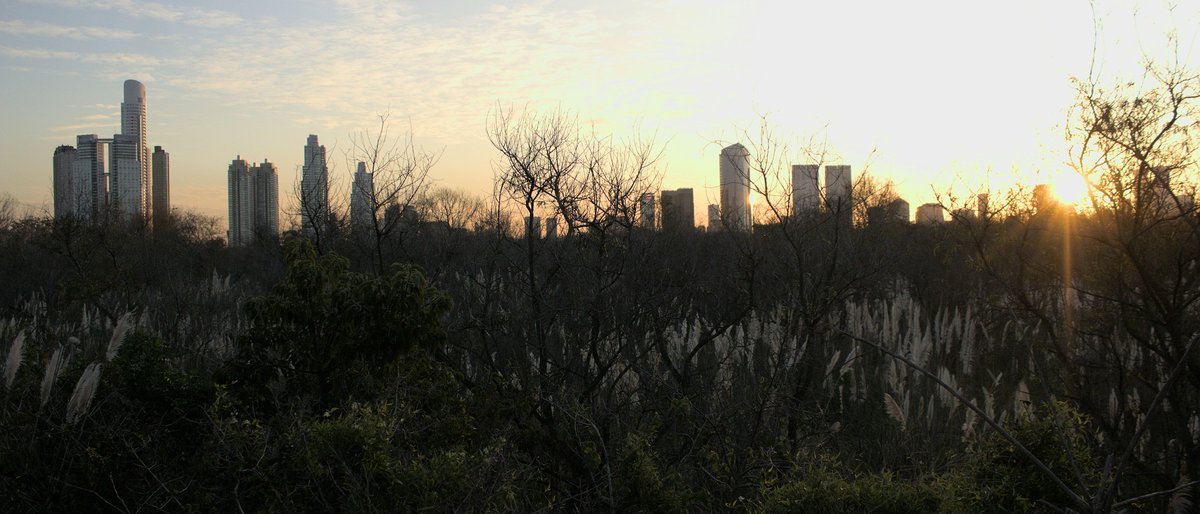
natureThree hundred fifty hectares of reclaimed wetland along the Río de la Plata waterfront, right behind Puerto Madero. In November, the trails are green and the migratory birds are arriving. The contrast between the glass towers of Puerto Madero visible through the reeds and the wild landscape of the reserve is surreal. Best visited early morning.
Puerto MaderoCaminito and La Boca
neighborhoodLa Boca's colorful conventillos (tenement houses) are a well-known sight, but November's warm weather and long daylight make exploring the surrounding streets (beyond the tourist strip) more comfortable and safer. The neighborhood has a gritty, artistic energy. Stick to daytime visits and the main streets.
La BocaCampo Argentino de Polo
sportsIf the Argentine Polo Open is running during your visit, the polo grounds in Palermo are worth an afternoon. The field is immaculate, the horses are spectacular, and the crowd mixes old-money Argentine families with international visitors. General admission is inexpensive and the atmosphere is surprisingly relaxed.
PalermoPalermo Soho
neighborhoodThe tree-lined streets of Palermo Soho (roughly bounded by Avenida Santa Fe, Avenida Córdoba, and the rail line) are at their most enjoyable in November. Independent boutiques, design shops, cafés with sidewalk seating, and street art on every other wall. The jacarandas here mix with plane trees to create dappled shade on the cobblestone streets.
Palermo
Your packing checklist
Tick items off as you pack. Your progress saves in this browser.
All packed — have a great trip.
Insider tips
The jacarandas on Avenida Figueroa Alcorta between Recoleta and Palermo Chico tend to bloom slightly earlier than those downtown: if you arrive in late October or very early November, head there first for the best color
For Día de la Tradición, skip the bus to San Antonio de Areco and instead visit the Feria de Mataderos on the same weekend: you get the gaucho culture, folk music, and traditional food without the two-hour bus ride and the massive crowds that descend on Areco
The best heladerías are not in tourist zones: locals in Caballito and Belgrano will argue passionately about their neighborhood favorites, and the prices are noticeably lower than Palermo equivalents for the same quality
Avoid changing money at the airport or at any cambio on Florida Street. The rates are significantly worse. Ask your hotel or Airbnb host where locals change: the blue dollar rate can make a meaningful difference to your budget, though the gap has narrowed in recent years
The Subte (metro) gets noticeably warmer in November as spring heats up the underground stations: during rush hour it can feel ten degrees warmer than the street. Walk or take buses for short hops when you can.
Avoid these mistakes
- Planning a full outdoor itinerary without checking the forecast: November rain comes on fast and can dump 20-30mm in an hour, turning a pleasant walking tour into a soggy retreat to the nearest café. Check the radar each morning and front-load outdoor plans for the earlier, drier part of the day.
- Underestimating UV exposure because the temperature feels mild: 25°C doesn't trigger the same sun-protection instinct as 35°C, but the UV index in Buenos Aires in November regularly hits 8-10. Visitors from the Northern Hemisphere are vulnerable since their spring is six months offset.
- Assuming Buenos Aires shuts down for siesta like smaller Argentine cities: the capital runs on a different rhythm. Shops and restaurants in tourist areas stay open through the afternoon, but if you're venturing into residential neighborhoods, some smaller businesses still close from roughly 1pm to 4pm.
- Trying to cram La Boca, San Telmo, Recoleta, and Palermo into a single day: these neighborhoods each deserve at least a half day. Buenos Aires is a large city and distances between barrios are longer than they look on a map. Pick two per day maximum and enjoy them.
Practical tips for November
Book accommodations two to three weeks ahead for November: it's not peak season but the combination of jacaranda tourism and pleasant weather means popular Palermo and San Telmo rentals fill up, on weekends around Día de la Tradición (November 10). Restaurants in Palermo and Recoleta are generally walkable without reservations on weeknights, but Friday and Saturday dinner after 9pm (which is when portenos eat) often requires booking a day ahead. The Subte runs until around 11pm on weeknights and later on weekends, but ride-hailing apps are the practical option for late nights. Dress in layers: mornings can start at 17°C and afternoons hit 25°C, and if rain rolls in the temperature can drop quickly. If you're visiting the Polo Open, matches at the Campo Argentino start in the afternoon: bring sun protection and water, as seating in general admission has limited shade. November 20 is Día de la Soberanía Nacional, a national holiday when some businesses and banks close, so plan accordingly if you need to handle any official business.
FAQ
Is November a good time to visit Buenos Aires?
November is one of the better months to visit. You get warm spring weather (25°C / 77°F highs), the spectacular jacaranda bloom that turns the city purple, and shoulder-season prices before the December-January peak. The main trade-off is rain: November averages about 105mm across nine days, mostly in sudden afternoon thunderstorms. If you can handle carrying an umbrella and adjusting plans around showers, it's a strong choice.
What is the weather like in Buenos Aires in November?
Late spring warmth. Average highs around 25°C (77°F), lows around 17°C (62°F), with humidity at about 65%. It's comfortable during the day in light clothing, but you'll want a layer for evenings. Rain is the main variable: expect roughly 105mm over nine days, usually as short, intense afternoon thunderstorms rather than all-day drizzle. Mornings are typically sunny and clear.
Is Buenos Aires crowded in November?
Moderately. It's not the peak tourist season (that's December through February), but international visitors are arriving for the spring weather and jacarandas, and portenos themselves are out enjoying the parks and terraces after winter. You won't face the kind of crowds that make a city unpleasant, but popular spots like San Telmo's Sunday market and the Rosedal in Palermo will be busy. Restaurants are generally accessible without long waits except on weekend evenings.
When do the jacarandas bloom in Buenos Aires?
Jacaranda season in Buenos Aires typically runs from late October through late November, with the peak bloom usually falling in the first two to three weeks of November. The exact timing shifts a bit each year depending on spring temperatures: a warmer September can push the bloom earlier by a week. By early December, most trees have dropped their flowers and leafed out green. If seeing the jacarandas is a primary goal, aim for the first or second week of November for the best odds.
What should I pack for Buenos Aires in November?
Light layers are key: cotton or linen for daytime warmth, a light sweater or cardigan for evenings when temperatures drop to around 17°C. A compact rain jacket or umbrella is essential given the frequent afternoon showers. High-SPF sunscreen is more important than most visitors realize, as Southern Hemisphere UV is notably strong in spring. Comfortable walking shoes with good grip (wet jacaranda petals on sidewalks are slippery), sunglasses, and at least one smart-casual outfit for evening dining since portenos tend to dress up.
Things to Do in Buenos Aires in November
 Free cancellation
 Buenos Aires City Private Tour with Local Guide
Day trip: 4 hours, free cancellation.
via Viator Free cancellation
 Buenos Aires Small-Group City Tour
Day trip: free cancellation.
via Viator Free cancellation
 Argentine Cooking, Wine & Beef Tasting at Argentine Experience
Cooking class: 3 hours, free cancellation.
via Viator Free cancellation
 Cooking Class with Empanadas Steak & Flan by Argentine Experience
Cooking class: 3 hours, free cancellation.
via Viator Free cancellation
 Bike Tour: Half-Day City Highlights of Buenos Aires
City tour: 4 hours, free cancellation.
via Viator Free cancellation
 Gaucho Small-Group Full Day at a Farm in Buenos Aires
Day trip: 9 hours, free cancellation.
via ViatorFind a flight to Buenos Aires
Live fares to Buenos Aires appear here once cookies are accepted.
Last verified by automated review (v1.7.1) on . What is automated review?