Is Venice family-friendly?
Venice scores 5.8/10 for families (see the TTDI Family-Friendliness Index). Over 400 stepped bridges make strollers nearly useless, and open canals without guardrails demand constant vigilance with toddlers. Kids age 6 and up tend to love vaporetto rides, Murano glass-blowing demos, and the Lido's sandy beach. Bring a structured carrier, not wheels.
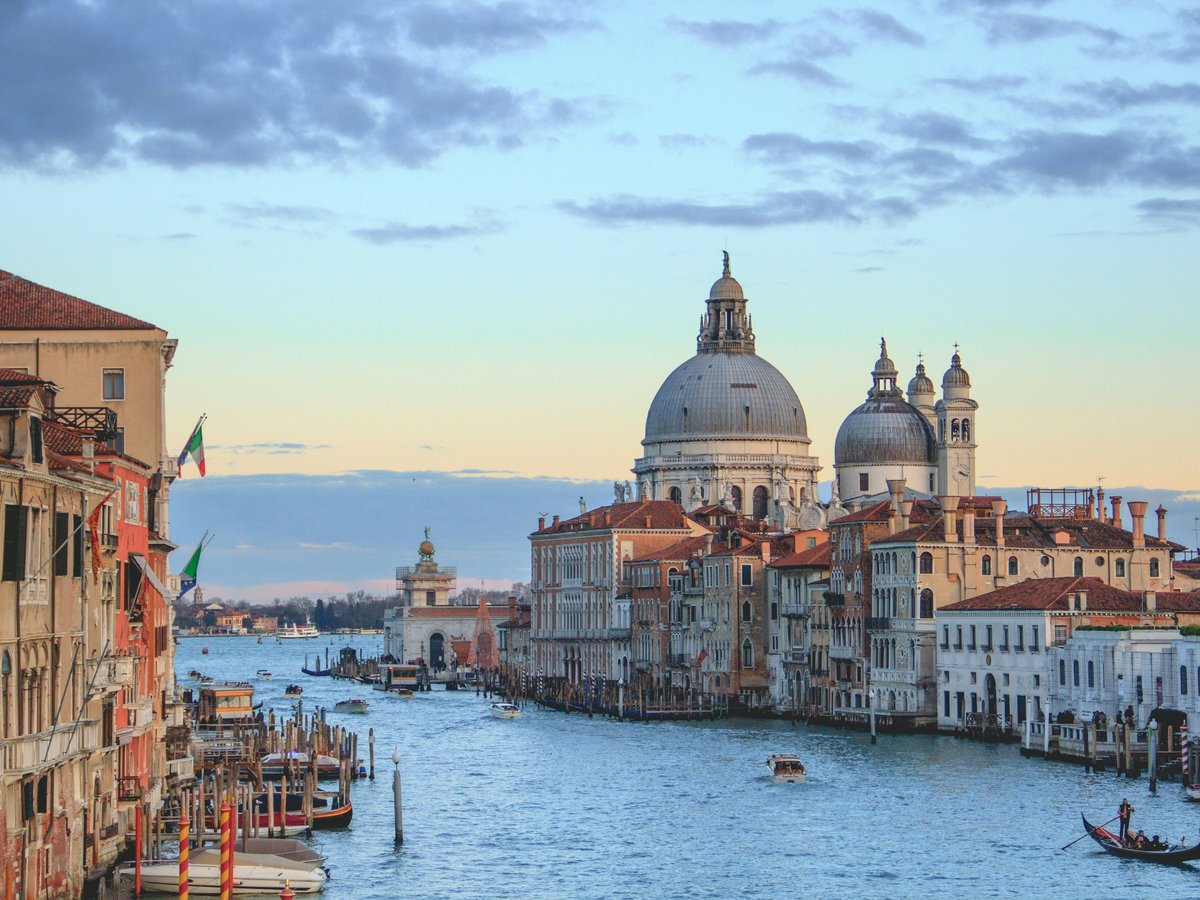
Venice has roughly 400 bridges, and nearly every one requires climbing stone steps with no ramp. Your lightweight umbrella stroller is dead weight anywhere past Piazzale Roma. Bring a structured baby carrier for kids under 3 and expect children aged 3-5 to walk about 6,000 steps per day on stone pavement that gets slick when wet. The vaporetto water bus system replaces city buses, and boarding involves stepping across a 15-30 cm gap between a floating dock and a rocking boat while holding a child. Line 1 from Piazzale Roma to San Marco takes 45 minutes and costs €9.50 per adult, with kids under 6 riding free. That ride along the Grand Canal, with engine-diesel smell mixing with lagoon salt air, might be the best 45 minutes of your trip for a 4-year-old. Mind you, peak-season vaporetti between 9 am and 11 am are packed shoulder-to-shoulder, so aim for the 7:30 am departure or wait until after lunch.
Piazza San Marco still draws kids under 10, mostly for the pigeons and the fact that it's one of the few flat, open spaces in the entire city. The Basilica (founded 828) has a strict no-backpack, no-bare-shoulders policy and enforces a 10-minute visit limit during peak hours. Skip the interior with anyone under 7. St Mark's Campanile, rebuilt after its 1902 collapse, has an elevator to the top at 99 m, and the 360-degree lagoon view holds a 5-year-old's attention for about 8 minutes. Tickets run €10 adult, €5 ages 6-18. Murano island is a 20-minute vaporetto ride from Fondamente Nove, and the glass-blowing demonstrations at smaller fornaci run about 15 minutes. Kids stare at orange-hot molten glass being shaped into tiny horses and fish. Free to watch. The Lido di Venezia is the family escape valve. A 15-minute vaporetto from San Zaccaria drops you at a flat, walkable island with a sandy beach, and the free public section near the stop has shallow water warm enough for wading by mid-June.
Feeding picky eaters in Venice is simpler than you might expect. Pizza al taglio runs €2.50-4 per slice and appears every 200 m in Dorsoduro and San Polo. Plain pasta at any trattoria runs €8-12 if you ask for "pasta al burro." Tramezzini, the triangular crustless sandwiches stacked in bar windows across the city, come in tuna, egg, or prosciutto for €1.50-2.50. Suso near Campo San Luca does proper fruit sorbets at €2.50 per scoop, and a cone buys you 15 minutes of cooperative forward motion with a 4-year-old. Public toilets, though, are a different story. They cost €1.50, they're scattered, and the queue at the Piazza San Marco facilities can hit 15 minutes. Changing tables are rare outside the 3 or 4 major museums. The Doge's Palace (dating from 1340) has a ground-floor accessible restroom with a fold-down changing surface. Caffè Florian, 50 metres away, does not. Plan restroom stops around museums, because the gaps between public options can stretch 500 m in quieter sestieri like Castello.
A workable Venice day with kids aged 3-8 follows a simple rhythm. Start at 8 am with one attraction, like the Campanile or the vaporetto to Murano. The quieter calli of Cannaregio are best in the morning, when the stone is still cool underfoot and the canal smell hasn't baked in the heat. Lunch by 12:30 at a campo with outdoor seating. Campo Santa Margherita in Dorsoduro has a flat open square where kids can run while you eat at one of 6 surrounding restaurants. By 2 pm, head back to the apartment for nap time, because you need an apartment, not a hotel. Venice hotel rooms average 14-18 sqm. A family of four in a standard double means someone sleeps on a cot wedged against the bathroom door. Book a Dorsoduro or Cannaregio apartment with a washing machine instead. Expect €150-250 per night for a 2-bedroom in shoulder season, late September through mid-November. Summer rates climb past €300. That washing machine earns its place fast. Your toddler will step into canal-adjacent puddle water at least once, and the briny grime does not rinse out easily.
Most smaller canals in Venice have no railing between the fondamenta walkway and water that drops 1-2 metres to murky, cold, tidal current. You cannot let a toddler run ahead on any fondamenta. Acqua alta flooding hits low-lying areas between October and March. The ground around the Basilica goes first, sometimes under 30 cm of standing water, and the raised passerelle are narrow, slippery wooden platforms not designed for small feet. The July heat, currently around 27°C, compounds the bridge-climbing exhaustion. Shade is scarce in larger campi like Campo San Polo and Campo Santa Maria Formosa. A sun hat and water bottle per child are non-negotiable from May through September. For mid-afternoon cool-down stops, the Gallerie dell'Accademia (founded 1750) and Ca' d'Oro (built 1424) both have air-conditioned galleries at roughly €12 and €6 adult admission. EU residents under 18 get in free to both, which takes some sting out of using a 500-year-old palazzo as a climate-controlled rest stop.
Streets are uneven; baby carriers travel better than strollers.
Kid-friendly attractions
- Piazza San Marco
- St Mark's Campanile
- Murano glass-blowing demonstrations
- Lido di Venezia (Spiaggia Pubblica beach)
- Burano island
- Museo di Storia Naturale di Venezia
- Campo Santa Margherita
- Vaporetto Line 1 Grand Canal ride
- Libreria Acqua Alta
- Doge's Palace
Child safety notes
Most Venice canals lack guardrails between walkway and water, with a 1-2 metre drop into tidal current. Hold toddlers' hands on every fondamenta. Acqua alta flooding between October and March creates slippery raised walkways. Summer heat above 30°C compounds bridge-climbing fatigue. Carry water, minimum 500 ml per child.
Last verified by automated review (v1.7.2) on . What is automated review?