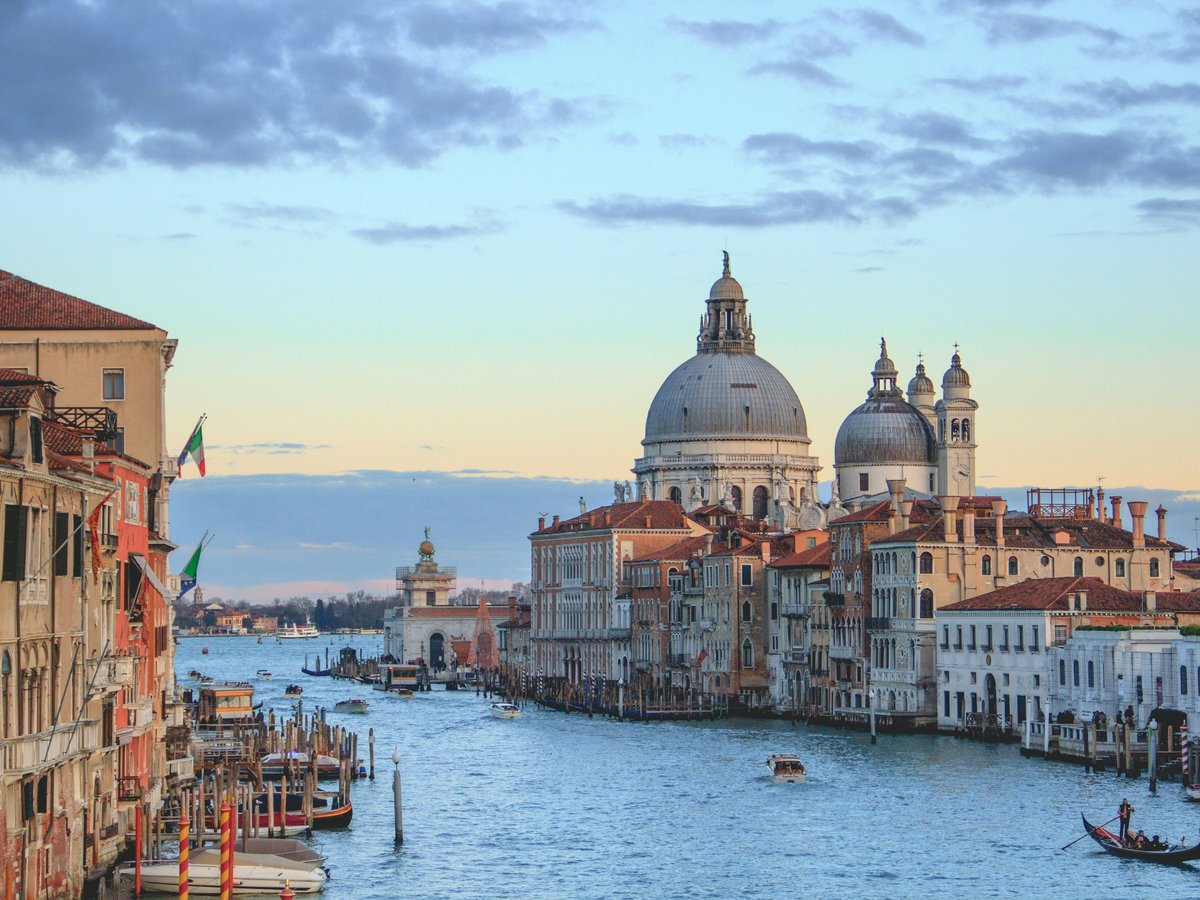
Where should I stay in Venice?
San Polo or Dorsoduro for a first visit to Venice. San Polo puts you 5 minutes from the Rialto Market and 15 from Piazza San Marco on foot, with mid-range hotels running $150-280 per night. Dorsoduro is quieter, sits near the Accademia, and costs $120-250. Skip Mestre. The mainland commute eats 30 minutes per day.
San Polo for first-timers. This sestiere sits between the Rialto Bridge and the Frari church (founded 1250), and the morning fish market on the Grand Canal runs Tuesday through Saturday until around noon. You'll smell brine and hear vendors calling prices at the Pescheria stalls by 8am. Hotels here tend to run $150-280 per night for a clean double with air conditioning, which matters when July temperatures currently sit around 27°C and the stone streets hold the heat well past sundown. The walk to Piazza San Marco takes 15 minutes through narrow calli where laundry hangs overhead and cats sleep on windowsills. The vaporetto stop at San Silvestro connects you to Santa Lucia train station in 12 minutes. To be fair, San Polo gets foot traffic during the day, but by 9pm most day-trippers have left and the campo bars fill with people who live here.
Dorsoduro works if you want a slower pace and don't mind being 20 minutes on foot from San Marco. The Gallerie dell'Accademia (opened 1750) anchors one end, and the wide Zattere waterfront faces Giudecca island across a stretch of lagoon that catches afternoon light in a way that stops conversation mid-sentence. Ca' Foscari university students keep the bars and cicchetti spots along Campo Santa Margherita busy until midnight, which gives the neighborhood a lived-in energy that central San Marco lost decades ago. Budget $120-250 per night for a mid-range hotel or apartment rental. The one catch is the Accademia Bridge, which funnels all foot traffic between Dorsoduro and San Marco into a single bottleneck during peak hours. That said, the 10pm walk along the Zattere, when the air cools and lagoon water laps against the fondamenta, might be the best free thing in Venice.
Cannaregio is where Venice keeps its prices honest. The neighborhood stretches from Santa Lucia train station north toward the Fondamente Nove vaporetto stops, and it contains the world's first ghetto (the Venetian word 'geto' gave every language the term, established 1516). Hotels run $90-180 per night, sometimes $70 in shoulder season. The Strada Nova, the widest pedestrian street in Venice, connects you to the Rialto area in about 20 minutes of flat walking. Ca' d'Oro (built 1424) sits right on the Grand Canal here, and the neighborhood has some of the better-value trattorias in the city. Mind you, the first 5 minutes of walking from the station feel transitional, with rolling suitcases everywhere. Walk 10 minutes deeper and the noise drops. You'll hear bells from San Geremia and the slap of canal water against stone.
Skip Mestre. It sits on the mainland, costs $60-100 per night, and people recommend it to save money, but the 15-minute train ride across the Ponte della Libertà adds 30 minutes round trip to every day plus about €3.50 in transit fares each way. The savings evaporate by day 2, and you lose the 6am walk through empty streets when lagoon fog turns everything soft and grey. The area directly around Piazza San Marco is the other trap. Hotels there charge $300-600 per night for the address, but the square fills with tour groups by 10am, and restaurant prices within 200 meters of St Mark's Basilica (founded 828) run 30-50% above the city average. Book in San Polo or Dorsoduro instead, and walk over before 9am. Venice is small. The entire historic center measures roughly 3 kilometers east to west.
Book 6-8 weeks ahead if you're visiting between April and October. The city introduced a €5 day-tripper entry fee in 2024, but overnight guests are exempt and your hotel provides the exemption QR code at booking. July and August bring humidity that thickens the air, and acqua alta flooding is most common between October and January, though it rarely affects upper floors. Apartment rentals through local agencies tend to run 15-20% cheaper than hotels at the same comfort level, and they give you a kitchen, which matters when a sit-down dinner for two in Venice averages €70-90. Venice has no cars, no bicycles, no scooters. Your suitcase will cross every one of the city's 400-plus bridges on your back, and many have steps with no ramps. Pack light or ship bags ahead through the luggage service at Santa Lucia station for about €25.
Recommended neighborhoods
San Polo
Between the Rialto Market and the Frari. Central without the San Marco markup. Morning fish stalls, evening campo bars, and a 15-minute walk to Piazza San Marco.
Dorsoduro
University quarter near the Accademia and the Zattere waterfront. Quieter than San Polo, slightly cheaper, with the best late-night cicchetti scene at Campo Santa Margherita.
Cannaregio
North of the Grand Canal, near Santa Lucia train station. The most affordable sestiere in the historic center, with rooms from $70 in shoulder months and a 20-minute walk to the Rialto.
Castello
East of San Marco, past the main tourist flow. Residential and quiet, close to the Arsenale and Biennale grounds. Limited dining options but strong on local atmosphere.
Skip these areas
- Mestre (mainland): Hotels cost $60-100, but the daily train commute across Ponte della Libertà adds 30 minutes round trip and about €7 in fares. Budget the transit cost against the room savings before booking.
- Piazza San Marco (immediate area): Hotels charge $300-600 for the address. The square fills with tour groups by 10am and nearby restaurants inflate prices for the foot traffic. Book a 15-minute walk away and come in early.
Top-rated hotels in Venice
Highly rated stays you can book on Trip.com. Prices are indicative: tap through for live availability and the current rate.
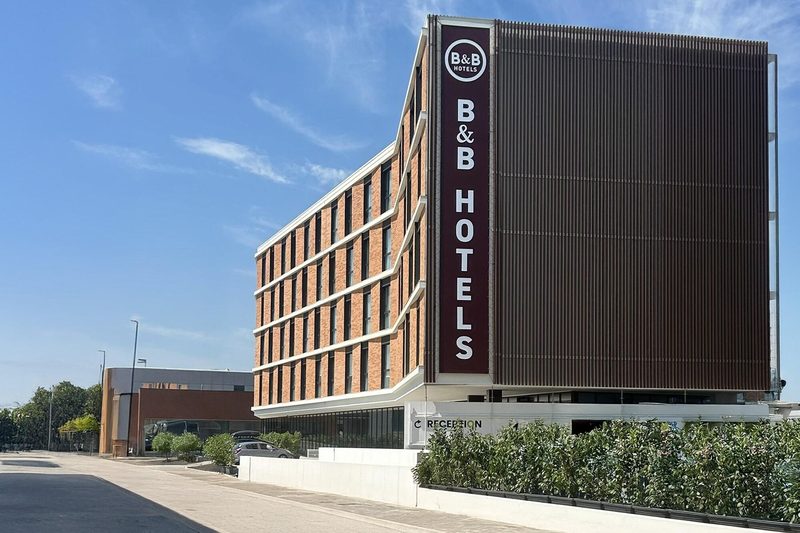
B&B HOTEL Venezia Laguna
from $199/night View deal
NH Venezia Santa Lucia
from $356/night View deal
Angelica Home
from $64/night View deal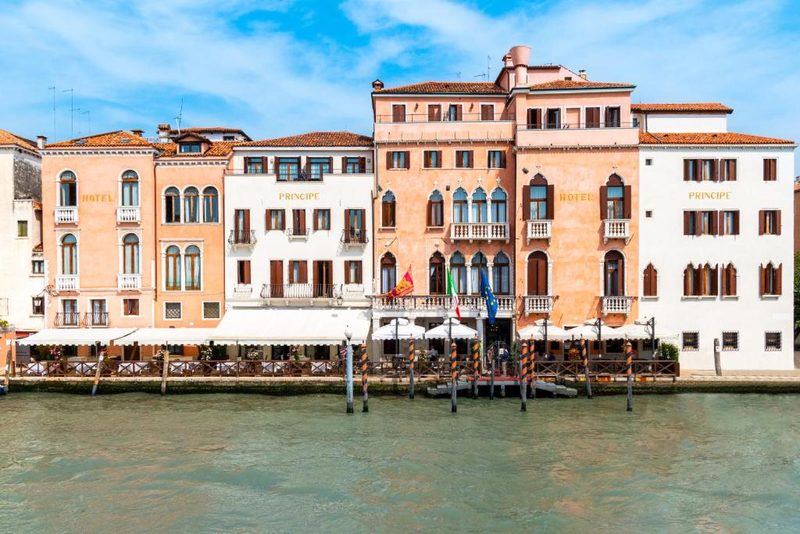
Hotel Principe
from $193/night View deal
Hotel Papadopoli Venezia - MGallery
from $385/night View deal
Carnival Palace - Venice Collection
from $254/night View deal
Hotel Centrale
from $64/night View deal
Palazzo Veneziano - Venice Collection
from $361/night View deal
TTDI earns a commission on bookings made through these links, at no extra cost to you. We never accept payment for placement.
Last verified by automated review (v1.7.2) on . What is automated review?