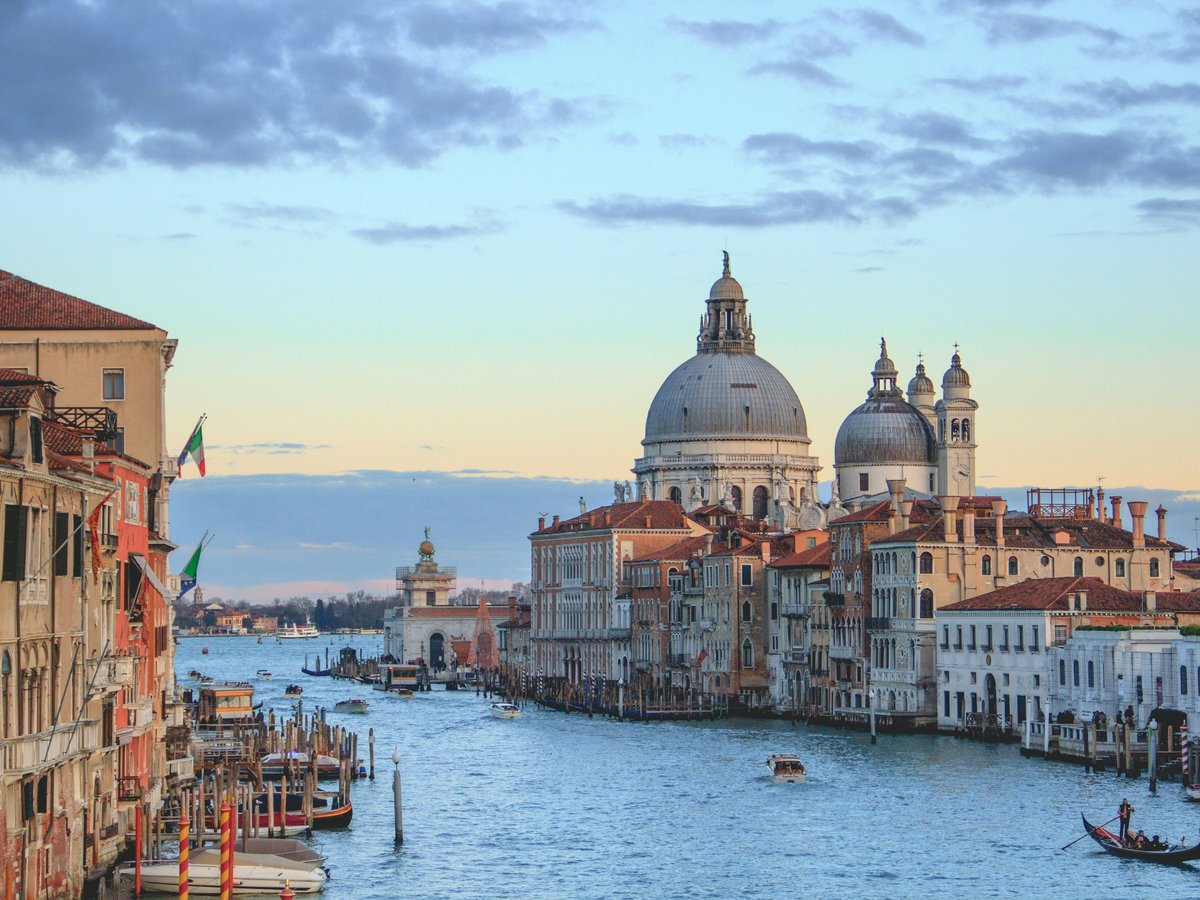
Venice has been a trading city for over 1,000 years, and the impulse to buy and sell still runs through it like the tide through the Grand Canal. The city is known for a handful of crafts that you won't find done the same way anywhere else. Murano glass, Burano lace, handmade masks for Carnevale, marbled paper, and leather goods. That said, Venice also has a serious counterfeit problem. Cheap glass from China fills the stalls near San Marco, and factory-made masks from Southeast Asia sit alongside handmade ones with no clear labeling. The genuine article tends to cost 3 to 10 times more than the knockoff, and knowing where to look matters. Worth noting, the city's retail geography is unusual. There are no malls, no big-box stores, and no wide commercial boulevards. Shopping here means ducking into small storefronts, following hand-painted signs down narrow calli, and occasionally getting lost in sestieri you hadn't planned to visit. Most shops are still family-run. The Venetian retail footprint has been shrinking for decades as residents leave the historic center. The population of the centro storico dropped below 50,000 around 2022. The shops that remain tend to be either high-end specialists or tourist-oriented souvenir sellers, with a thinning middle ground between them.
Shopping districts
-
San Marco and Calle Larga XXII Marzo
luxuryThe area around Piazza San Marco is where the luxury brands cluster. Calle Larga XXII Marzo runs southwest from the square and holds Prada, Louis Vuitton, Fendi, and several high-end Italian jewelers. The Procuratie Vecchie on the north side of the piazza reopened after renovation in 2022 and added more upscale retail. You'll notice the foot traffic here is almost entirely tourists, and the prices reflect that. A Murano glass pendant from one of the branded shops near the piazza might run 80 to 300 euros, roughly double what you'd pay in Dorsoduro for comparable quality. The architecture is the draw here, the shopping is secondary for most visitors. Mind you, the cafes along the piazza charge 6 to 12 euros for a coffee if the orchestra is playing.
Best for: Designer fashion, branded Murano glass, high-end jewelry
-
Rialto Bridge Area and Ruga degli Orefici
mid-range to expensiveThe streets radiating from the Rialto Bridge have been commercial since the 1100s. Ruga degli Orefici, the old goldsmiths' street, still has jewelry shops along its length, though they now compete with leather stalls and mask vendors. The area between the bridge and Campo San Polo is densely packed with small shops selling leather bags, scarves, and Venetian-themed prints. Prices sit in the mid-range. A leather wallet might cost 30 to 70 euros, a silk scarf 40 to 90. The crowds peak around midday when cruise ship passengers arrive. If you walk even 2 minutes off the main flow toward San Polo, the shops get more interesting and the prices drop noticeably.
Best for: Leather goods, gold jewelry, silk accessories, Venetian prints
-
Strada Nuova (Cannaregio)
budget to mid-rangeStrada Nuova runs from the train station at Santa Lucia toward Rialto and functions as the closest thing Venice has to a normal shopping street. It's wide by Venetian standards. You'll find a Coin department store partway along, plus pharmacies, shoe shops, bookstores, and a few affordable clothing boutiques. Locals shop here for everyday goods. Prices are noticeably lower than San Marco. The side streets branching off Strada Nuova, especially toward the Jewish Ghetto, hide some good artisan workshops. The Ghetto area has been a center of Venetian life since 1516 and currently holds several bookshops and Judaica dealers.
Best for: Everyday shopping, books, affordable clothing, pharmacy supplies
-
Dorsoduro and Campo Santa Margherita
mid-rangeDorsoduro tends to attract a younger crowd. The Ca' Foscari university campus sits nearby, and the neighborhood still feels residential. Campo Santa Margherita is the social hub, ringed by bars and small shops. The streets between the campo and the Accademia bridge hold some of Venice's best independent artisan shops. Marbled paper, hand-bound journals, printmaking studios. A handmade journal from one of the Dorsoduro paper shops might cost 25 to 60 euros. The atmosphere is quieter than San Marco. You can hear your own footsteps on the stone. The area around the Peggy Guggenheim Collection has a few contemporary design shops too.
Best for: Artisan paper goods, contemporary art, hand-printed textiles, university-district browsing
-
Murano Island
mixed, from budget souvenirs to luxury art glassMurano sits about 10 minutes by vaporetto from Fondamente Nove. The island has been the center of Venetian glassmaking since 1291, when the Republic moved the furnaces there to reduce fire risk in the main city. The Fondamenta dei Vetrai is the main commercial strip, lined with glass showrooms and workshops. Prices vary wildly. A small glass animal figurine might cost 5 to 15 euros. A serious art-glass vase from a named maestro can reach several thousand. The Museo del Vetro gives context on what distinguishes real craftsmanship from factory work. To be fair, some of the showrooms on Murano are themselves selling imported glass, so the island name alone isn't a guarantee of authenticity. Look for the Vetro Artistico Murano trademark, a registered certification that has been in use since 1994.
Best for: Murano glass of all types, from affordable keepsakes to serious collector pieces
-
Burano Island
budget for machine lace, luxury for genuine handmadeBurano is about 40 minutes by vaporetto from Fondamente Nove. The island is famous for two things. The candy-colored houses, which fishermen supposedly painted in bright shades so they could spot home through the fog, and lace. Burano lace has been produced here since the 1500s. Real handmade Burano lace is rare now. The Scuola dei Merletti closed its teaching program, and only a handful of older women on the island still practice the punto in aria technique. A genuine handmade lace tablecloth can cost 500 to several thousand euros and takes months to complete. Most of what you'll see in the shops is machine-made or imported from Asia, priced at 10 to 50 euros. The lace museum on Piazza Galuppi shows the difference clearly.
Best for: Lace goods, brightly colored island atmosphere, photography
Markets
-
Rialto Market (Mercato di Rialto)
foodThe Rialto Market has operated on the same spot near the Grand Canal for over 900 years. The Erberia sells fruit and vegetables, and the Pescheria next door is the fish market, housed under a neo-Gothic loggia built in 1907. Early morning is when the fishmongers lay out the catch from the Adriatic. You'll see cuttlefish, soft-shell crabs called moeche in season (spring and autumn), razor clams, and small shrimp from the lagoon. The smell of brine and wet stone hits you before you see the stalls. Locals still shop here, especially the restaurant cooks who arrive before 8 AM. The produce side has seasonal Veneto specialties. White asparagus from Bassano in spring, radicchio di Treviso in winter. Prices are fair by Venetian standards.
Tuesday through Saturday, roughly 7:30 AM to 1 PM. The fish market is closed on Mondays. Some produce stalls open Monday but selection is thin.
-
Mercatino dell'Antiquariato di Campo San Maurizio
antiques and fleaThis antiques and collectibles market sets up in Campo San Maurizio, between San Marco and the Accademia, roughly 5 or 6 times a year. It typically runs for a long weekend. The stalls sell old Murano glass, vintage jewelry, antique prints, silverware, and sometimes old navigational instruments or Venetian maps. Prices range from 10 euros for a small print to several hundred for a quality piece of antique glass. The atmosphere is calm. You can browse without the pressure you'd feel in a shop. The campo itself is a quiet square with a deconsecrated church.
Approximately 5-6 weekends per year, dates vary. Check locally or look for posters around the San Marco and Dorsoduro sestieri.
-
Mercatino di Natale (Christmas Markets)
seasonalVenice's Christmas market typically runs from late November through early January, with stalls appearing in Campo Santo Stefano and sometimes near the Rialto area. The stalls sell holiday ornaments, Murano glass decorations, artisanal candles, spiced wines, and Venetian seasonal sweets like pandoro and fritole. The scale is modest compared to markets in Vienna or Strasbourg. You might spend 30 minutes browsing. But the setting is atmospheric. Fog often rolls in off the lagoon in December, and the strings of lights reflect in the wet paving stones.
Late November through early January, typically open daily from late morning to evening.
-
Lido Market
general and foodThe Lido, the long barrier island east of the main city, has a weekly market that Venetians use for bulk grocery shopping. Stalls sell clothing, household goods, fresh produce, cheese, and cured meats at prices lower than the centro storico. It's not picturesque. It feels like any Italian town market, which is exactly the point. If you're staying on the Lido or want to see how Venetians provision themselves away from the tourist infrastructure, it's worth the vaporetto ride. The Lido is also where the Venice Film Festival runs each September at the Palazzo del Cinema.
Runs weekly, typically on Wednesdays and Saturdays, mornings only.
Souvenirs worth bringing home
The souvenirs worth bringing home from Venice are the ones still made by hand in the city or on its islands. Murano glass is the headliner. Small items like glass beads, pendants, and drinking glasses travel well and start around 10 to 30 euros for simple pieces. Look for the Vetro Artistico Murano trademark sticker. Marbled paper is another strong choice. Several workshops in Dorsoduro and San Polo still paste and comb the patterns by hand using techniques that arrived in Venice from the Ottoman Empire in the 1600s. A sheet of quality marbled paper costs 3 to 8 euros. Bound notebooks run 20 to 60. Carnevale masks are everywhere, but the genuine papier-mache ones, built on clay molds and painted by hand, cost 40 to 200 euros and up. The cheap plastic ones from the stalls near San Marco run 5 to 15. The difference is obvious when you hold them. The handmade ones have weight, texture, visible brushstrokes. For food, consider a bottle of prosecco from the Veneto (the DOCG Conegliano Valdobbiadene designation is the quality tier), a bag of risi e bisi risotto rice, or a jar of the lagoon's salt-harvested at Cervia, south along the coast. Burano lace is meaningful only if you can verify it's hand-done. A small handmade doily might start around 100 euros. Venetian leather goods are well-made but not uniquely Venetian the way glass or paper are. One genuinely local food souvenir is bussolai, the butter cookies from Burano, sold in bakeries on the island for around 8 to 12 euros per bag.
Practical tips
- Bargaining
- Fixed prices are the norm in Venice's shops and market stalls alike. Italy doesn't have a bargaining culture the way Turkey or Morocco does. That said, if you're buying multiple pieces of Murano glass from the same vendor, especially on Murano itself, asking for a small discount on a combined purchase is reasonable and sometimes successful. Antiques at Campo San Maurizio are slightly more flexible. Don't expect more than 10 to 15 percent off, and don't push hard.
- Tax Refunds (Tax Free Shopping)
- Non-EU residents can claim a VAT refund on purchases over 154.94 euros from a single store in a single day. Ask the shop for a Tax Free form at the time of purchase. You'll need to show your passport. At the airport (Marco Polo, or if you're departing from elsewhere in Italy), get the form stamped at customs before checking your bags, then process the refund at the Tax Free counter. The refund is typically 11 to 14 percent of the purchase price after the service fee. Keep the goods unused and in your carry-on until the stamp is done.
- Opening Hours
- Most Venetian shops open around 9:30 or 10 AM and close by 7 or 7:30 PM. Many still close for a lunch break, roughly 12:30 to 3:30 PM, though tourist-area shops increasingly stay open through. Sunday closures are common for non-tourist shops. Monday mornings are often closed too. The Rialto fish market closes by early afternoon, and Mondays are dark entirely. Museum shops follow museum hours. In summer, some shops stay open later, especially around San Marco.
- Payment Methods
- Credit and debit cards are widely accepted in Venice's shops, though very small purchases under 5 to 10 euros may get a request for cash at some vendors. Contactless payment works in most established shops. Market stalls at Rialto and the antiques market are more likely to be cash-preferred. ATMs are scattered through the city but charge variable fees. The ones inside bank branches tend to have lower surcharges than the freestanding machines near the station or San Marco.
- Carrying Purchases Home
- Murano glass is fragile, and the shops know it. Most established glass sellers on Murano and in the centro storico offer professional packing and international shipping, typically for 30 to 80 euros depending on weight and destination. If you're carrying glass in your luggage, ask the shop to bubble-wrap it. For hand luggage on flights, wrapped glass items generally pass through airport security without issue, but bulky pieces may need to go in checked bags.
- Navigating to Shops
- Venice has no cars and no straight streets. Google Maps works reasonably well for pedestrian navigation, but it will sometimes route you to a dead end at a canal. The yellow directional signs posted on building corners point toward major landmarks like Rialto, San Marco, Piazzale Roma, and Ferrovia. Use these as anchors. Shops on Murano and Burano require a vaporetto ride. The ACTV 72-hour pass costs around 40 euros and covers unlimited rides on the water buses, which makes island-hopping practical.
FAQ
How can I tell if Murano glass is genuine or fake?
Look for the Vetro Artistico Murano trademark, a registered label introduced in 1994 by the Consorzio Promovetro. Genuine pieces often come with a certificate of origin. The glass itself tends to have slight irregularities in thickness and color because it's hand-blown. Perfectly uniform, lightweight glass with no bubbles or variations is likely machine-made. Buying directly on Murano from a workshop where you can see the furnace helps, though even on Murano some shops sell imports. Prices below 5 euros for anything other than simple beads should raise suspicion.
Is Venice expensive for shopping compared to other Italian cities?
Generally yes. Rents in the centro storico are high, and most goods arrive by boat, which adds transport costs. Identical leather goods or clothing brands tend to run 10 to 20 percent more in Venice than in Florence or Milan. The exception is Murano glass, which is cheaper in Venice (especially on Murano) than in other Italian cities, because you're buying at the source. Everyday goods on Strada Nuova or at the Lido market are priced closer to mainland Italian norms.
What are the best areas to avoid tourist-trap souvenir shops?
The highest concentration of low-quality souvenir stalls runs along the main pedestrian route from Santa Lucia train station to San Marco. Once you step off this corridor, quality tends to improve. Dorsoduro south of Campo Santa Margherita has good artisan shops. The streets around Campo Santa Maria Formosa in Castello feel residential and hold several genuine craft workshops. San Polo west of the Rialto Market is another area where locals outnumber tourists and shops cater accordingly.
Can I watch artisans making glass or masks in Venice?
Yes. Several glass furnaces on Murano offer live demonstrations, typically lasting 15 to 20 minutes. Some are free (with an expectation that you'll browse the showroom after), while others charge a small fee of 5 to 10 euros. For masks, a few workshops in Dorsoduro and San Polo allow visitors to watch the papier-mache layering process. These are small operations, and it's worth asking at the door if viewing is possible that day. The glassblowing demonstrations tend to run throughout the morning hours.
Are there outlet stores or discount shopping near Venice?
The Noventa di Piave Designer Outlet sits about 40 minutes east of Venice by car or shuttle bus. It has around 150 brand shops offering 30 to 70 percent off retail prices on Italian and international labels. A shuttle service runs from Piazzale Roma. On the mainland in Mestre, you'll find more conventional retail with a Nave de Vero shopping center. Neither location has the character of shopping in the historic center, but the prices are substantially lower for fashion and accessories.
What food items can I bring back from Venice through customs?
Within the EU, there are no restrictions on food items between member states. For travelers returning to the US, hard and cured cheeses, dried pasta, olive oil, vinegar, packaged cookies like bussolai, and sealed bottles of wine or prosecco all clear customs without issue. Fresh produce, fresh meats, and soft unpasteurized cheeses are generally prohibited. UK rules post-Brexit restrict most meat and dairy imports. Check your home country's customs website before buying perishables. Vacuum-sealed cured meats from the Rialto Market are a gray area for US customs and may be confiscated.
Last verified by automated review (v1.7.2) on . What is automated review?