What cultural etiquette should I know for Venice?
Venice fines visitors for sitting on the ground near Piazza San Marco, swimming in canals, or feeding pigeons. Churches including St Mark's Basilica enforce dress codes with attendants at the door. The coperto on most restaurant bills means tipping stays minimal. Greet shopkeepers and waiters with 'buongiorno' before asking anything.
Venice runs on a politeness code that catches most first-timers. Walk into any shop near the Rialto or a bacaro in Cannaregio without greeting the person behind the counter, and you've already made it harder on yourself. Venetians tend to be more reserved than Romans or Neapolitans, and roughly 30 million annual visitors pressing against a resident population below 50,000 sharpens that reserve. You'll sense it in the narrow calli near San Marco, where a local shouldering past your group isn't being rude. They live here. Stay right on bridges, keep single file on anything narrower than 2 meters, and step into a sotoportego to check your phone. That said, even a clumsy 'permesso' when passing someone on the Strada Nova tends to soften the interaction. Venetians respond to effort, not fluency.
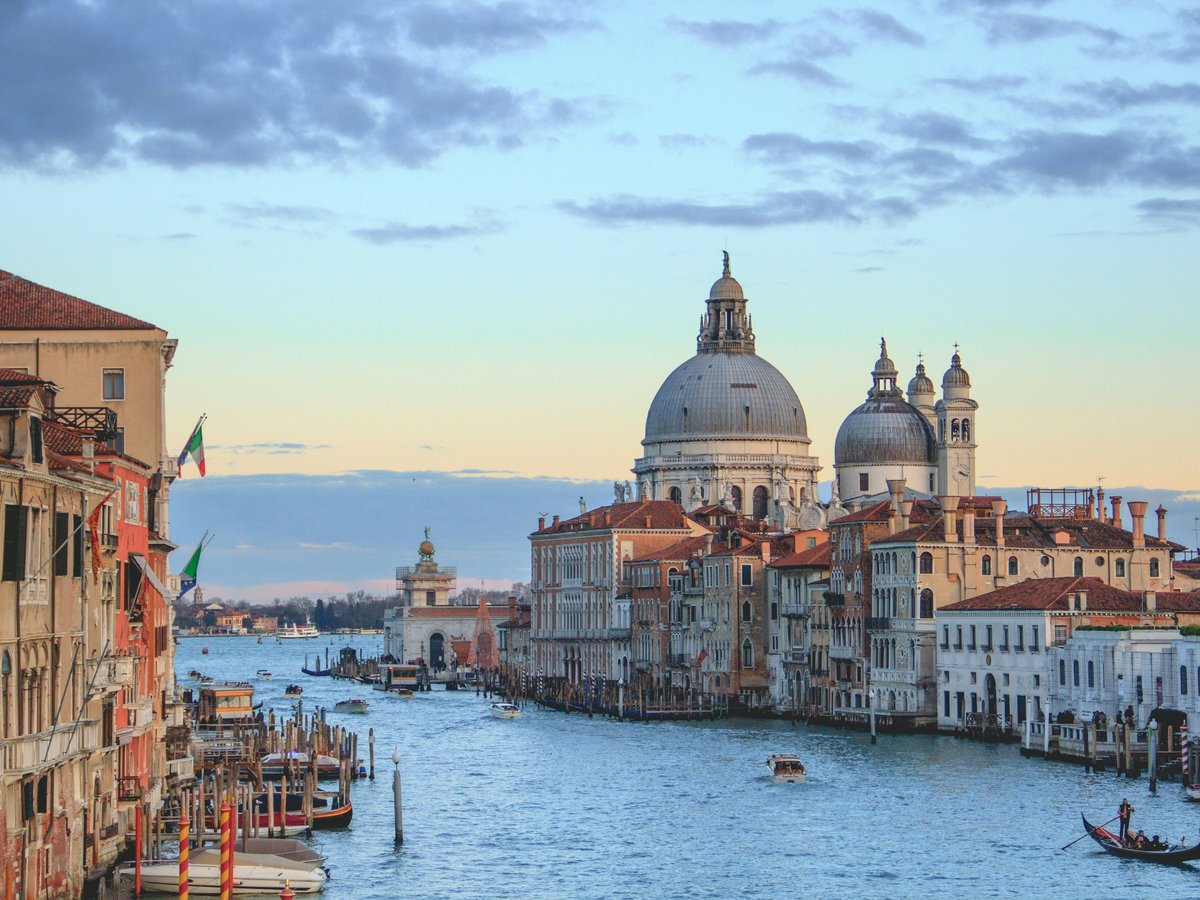
St Mark's Basilica, founded in 828, stations attendants at its entrance who will turn you away for dress-code violations. No exceptions. The same holds at Santa Maria Gloriosa dei Frari and Santa Maria della Salute (built from 1631). A €5 scarf from a vendor near the Accademia bridge solves the problem. Inside the Frari, keep your voice low enough to hear your own footsteps on the worn stone floor. Photography without flash is usually tolerated in the nave at most Venetian churches but forbidden in side chapels during active prayer. At the Basilica, bags larger than a small backpack go to the free luggage drop on Calle San Basso, about 30 meters left of the main entrance. That bag-drop queue moves in 5 minutes. The Basilica queue on a July morning might take 45.
Venice's bacari (small wine bars) have their own rhythm. You stand at the counter in places like Cantina Do Spade near San Polo or All'Arco by the Rialto fish market, point at the cicheti behind the glass (salt cod on bread, fried artichoke hearts, folded prosciutto), and order an ombra. A small glass of house wine runs €2-3. The air in a good bacaro at 6pm smells like frying oil and cold prosecco. Sitting down at a table triggers a higher price, sometimes 30-40% more. That markup is legal under Italian consumer law and posted near the door, but easy to miss if you sit first. Most restaurant bills already include a cover charge per person, so there's little reason to add much beyond rounding up. At a bacaro, dropping coins in the dish by the register is the local move.
The Comune di Venezia has gotten aggressive about visitor behavior since the €5 day-tripper entry fee launched in April 2024. Sitting on the ground in Piazza San Marco or along the Riva degli Schiavoni draws fines that start at €100 and climb to €500. Swimming in the Grand Canal carries a separate €350-500 fine and a police escort to the questura. Feeding pigeons in the piazza has been banned since 2008. Vendors still sell birdseed near the Campanile to tourists who don't know this. Don't buy it. The no-picnic ordinance covers most of central Venice, so eat your takeaway panino on a bench rather than church steps or the Ponte dell'Accademia parapet. Worth noting, the vigili urbani patrol the San Marco area most heavily from May through September.
Cultural norms
Italians greet with a handshake on first meeting and move to two cheek kisses, left cheek first, once familiar. "Buongiorno" before midday and "buonasera" from late afternoon carry more weight than a generic "ciao," which reads as overly casual with strangers. Conversations run warmer and closer than most anglophone visitors expect; stepping back during an exchange can signal coldness rather than politeness.
Entering the Basilica di San Marco or any church in Venice requires covered shoulders and knees for all genders; staff at San Marco will turn people away in tank tops or shorts. Venetians dress with more care than most tourist cities warrant, and sandals or sportswear mark you immediately. On the vaporetto, give up front seats to elderly passengers and avoid blocking the gangway with luggage. Eating or sitting on church steps, bridges, or the pavement near Piazza San Marco can draw a fine under the city's decorum ordinances.
Tipping is not expected the way it is in North America. A euro or two left on the table at a café is generous; service is already folded into the coperto, the cover charge listed on every restaurant bill. Pay in cash at smaller bacari. The single rudest thing tourists do in Venice is dragging wheeled suitcases across stone bridges at peak hours: locals will tell you so directly.
Greetings
Say 'buongiorno' before noon and 'buonasera' after to anyone you approach, whether a shopkeeper in Dorsoduro or a waiter in Castello. In shops and restaurants, this greeting before any request is non-negotiable. A nod and 'permesso' when squeezing past in a narrow calle is the polite Venetian reflex.
Don't do this
- Sitting or lying on the ground in Piazza San Marco or along the Riva degli Schiavoni.
- Swimming in any canal, including the Grand Canal.
- Feeding pigeons anywhere in Piazza San Marco.
- Buying birdseed from vendors near the Campanile di San Marco.
- Walking shirtless or in swimwear outside Lido di Venezia beaches.
- Picnicking on church steps, bridge parapets, or the ground in central Venice.
- Playing music from portable speakers on vaporetti or in campi.
- Stopping in groups in narrow calli. Venetians commute on foot and the walkways are their streets.
- Entering churches with bare shoulders or shorts above the knee.
Tipping
Minimal. The coperto (€1.50-3.50 per person) is already on most restaurant bills. Rounding up or leaving €1-2 is generous. Water taxi drivers don't expect tips but won't refuse €2-3 for luggage help at the Marco Polo dock.
Dress code
St Mark's Basilica and most Venetian churches turn away bare shoulders, shorts above the knee, and tank tops. Attendants enforce this at the door. Away from Lido di Venezia's beaches, walking shirtless or in swimwear draws stares and sometimes vigili fines in the San Marco and Rialto areas.
Religious norms
Venice has over 100 churches, many holding active services. During Mass at the Frari or Salute, sit quietly rather than walking the nave. No video recording inside St Mark's Basilica. Avoid touching altarpieces. The Pala d'Oro treasury requires a separate €5 entry and silence. During the Festa del Redentore in July, a pontoon bridge to Giudecca opens for a procession rooted in 1577.
Last verified by automated review (v1.7.2) on . What is automated review?