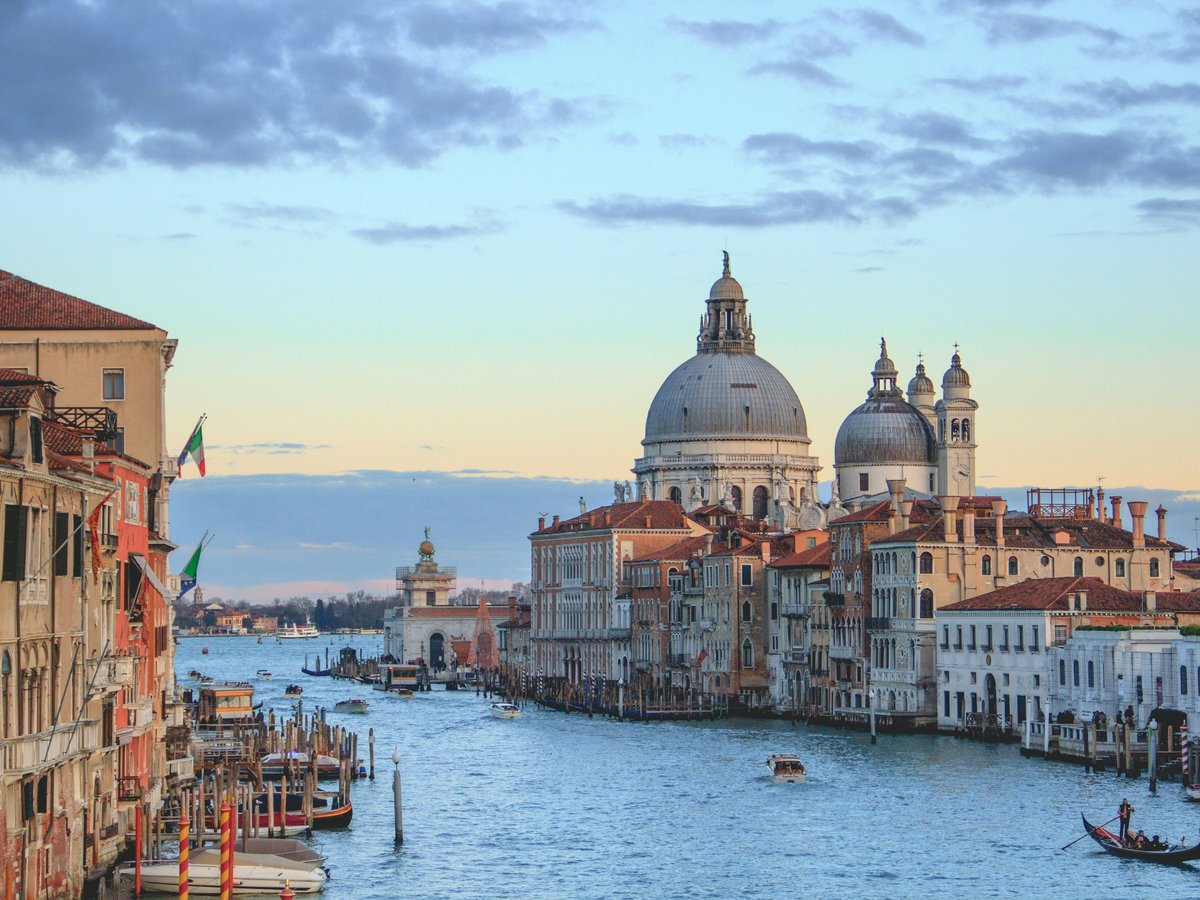
Venice is not a late-night city. That needs saying up front, because visitors expecting Berlin or Barcelona will find themselves standing in an empty campo at 1 AM wondering where everyone went. Most bars close by midnight, and the historic centro storico has maybe two proper clubs on a good day. What Venice does have is the aperitivo. The ritual 6-to-9 PM window when locals crowd canal-side bars for Spritz Aperol at 3 to 4 euros, plates of cicchetti (small bites, usually crostini topped with baccalà or sarde in saor), and unhurried conversation is the real nightlife here. The drinking culture tilts toward wine and low-ABV cocktails, not bottle service. Thursdays and Fridays tend to be the liveliest nights in the centro storico, while Saturdays often see locals heading to Mestre or the Lido for something louder. The student population from Ca' Foscari and IUAV keeps a few pockets of the city going past midnight during the academic year, roughly October through May. In summer, things shift. Temporary bars pop up along the Lido beaches, and the Biennale crowd brings a different energy in odd-numbered years. Mind you, even at its busiest, Venice after dark has a quality no other city can match. The sound of water lapping against stone, the faint clink of glasses echoing down a narrow calle, the amber glow of a bacaro's interior spilling across the pavement. It is a city that rewards a slow drink more than a fast one.
Bacari, Cocktail Bars, and Wine by the Canal
The backbone of Venetian drinking is the bacaro, a traditional wine bar serving ombre (small glasses of house wine, typically 1.50 to 2.50 euros) and cicchetti at a standing counter. You'll find clusters of them around Rialto, particularly along the Erbaria and in the alleys between Campo San Polo and the bridge. The routine is to move between 3 or 4 in an evening. You order at the counter, eat standing up, and drift on. The experience is closer to Basque pintxo-hopping than anything in the British pub tradition. Cocktail bars are a more recent arrival and still fairly thin on the ground. The area around Campo Santa Margherita has a few that lean toward creative drinks in the 8 to 12 euro range, though the crowd there tends to favor Spritz and beer over anything shaken. The hotel bars offer more polished cocktail programs, and a Bellini (prosecco and white peach puree, created at Harry's Bar in 1948) at its birthplace on Calle Vallaresso currently runs around 22 euros. That said, you're paying for the history and the view of San Giorgio Maggiore, not for a cutting-edge cocktail menu. Rooftop bars are scarce in a city without many tall buildings, but a handful of hotels along the Grand Canal and near San Marco operate terraces with canal views. Expect to pay 15 to 20 euros per drink at these spots, sometimes with a minimum spend. The views of the Basilica di Santa Maria della Salute at dusk, all pink stone and pale sky, are genuinely worth the markup at least once. Wine bars beyond the traditional bacaro model have been growing since the early 2010s, with a few natural-wine-focused spots appearing in Dorsoduro and Cannaregio. Glasses of Veneto wines (Soave, Valpolicella, Prosecco from the Conegliano-Valdobbiadene DOCG) tend to start around 4 to 6 euros. Friuli whites from across the regional border show up frequently too. Worth noting, the house wine at most bacari comes from the Veneto and is often surprisingly good for the price.
Clubs in a City Built on Water
Venice is not a clubbing destination. That is not a criticism, it is a geographic fact. The centro storico's narrow streets, residential density, and noise ordinances make large-scale club operations nearly impossible. Most venues that could be called clubs are on the mainland in Mestre or Marghera, or out on the Lido in summer. Mestre, about 10 minutes by train from Venezia Santa Lucia station, has a handful of mid-size venues that draw a mix of house, techno, and commercial dance music. The last trains back to Venice run around 11:30 PM on most nights, which creates a logistical problem. Night buses (line N1 and N2) operate limited service, and a taxi from Mestre to Piazzale Roma runs 20 to 35 euros depending on the hour. On the Lido, summer (June through September) brings temporary open-air venues along the beachfront near the Palazzo del Cinema area. These tend to peak during the Venice Film Festival in late August and early September, when pop-up parties multiply and the crowd turns more international. Dress codes at most of these lean smart-casual. Trainers are generally fine, but beachwear after dark is not. In the centro storico itself, a few smaller venues operate as bar-clubs, where the music gets louder and the furniture gets pushed aside after 11 PM, mostly around Campo Santa Margherita and in parts of Cannaregio. Entry is typically free or 5 to 10 euros with a drink included. Things rarely get going before 11:30 PM, and 2 AM is a late night by Venetian standards. During Carnevale (February, dates shift annually), the normal rules bend. Temporary venues open across the city, and the campi fill with costumed crowds well past midnight. That is likely the closest Venice gets to a traditional clubbing atmosphere.
Jazz on the Water and Classical in the Churches
Venice has a serious classical music heritage, and that shapes the live scene more than pop or rock do. The Teatro La Fenice, rebuilt after its 1996 fire and reopened in 2003, runs an opera and concert season from roughly September through June, with tickets starting around 30 euros for upper gallery seats. The Interpreti Veneziani, a chamber ensemble, perform Vivaldi and other Baroque repertoire in the Chiesa di San Vidal near the Accademia Bridge most evenings, with tickets typically around 29 euros. Jazz has a quieter but genuine presence. The Venice Jazz Club in Dorsoduro has been running since 2002 and hosts live sets most nights of the week in a small, low-ceilinged room that holds maybe 50 people. Cover tends to run around 20 euros including a drink. Sets start at 9 PM. The sound in there is intimate, almost claustrophobic. You can hear the musicians breathing between phrases. Rock, indie, and electronic acts tend to play on the mainland. Mestre has a few mid-capacity venues that book touring acts, and the Riviera area near Marghera occasionally hosts larger events. The Lido beaches see DJ sets in summer, particularly around the Pachuka and other seasonal beach bar setups near Malamocco. During the Biennale (odd years, roughly May through November), the collateral events program often includes sound installations and experimental music performances scattered across venues in Castello and the Arsenale area. These are not traditional gigs, but they draw a musically curious crowd and most are free with a Biennale ticket. Check the week's programming at the Biennale website, since the schedule changes constantly. Sunday through Tuesday tends to be quieter for live music everywhere. Wednesday through Saturday is more reliable. Carnival season brings street musicians to every major campo, though the quality ranges from conservatory-trained to barely rehearsed.
Nightlife neighborhoods
-
Campo Santa Margherita, Dorsoduro
The closest Venice gets to a student quarter. Ca' Foscari University students fill the campo's benches from late afternoon, drinking from plastic cups and eating pizza al taglio from the surrounding shops. The bars around the square's edges serve cheap Spritz (2.50 to 3.50 euros) and stay open until midnight or later on weekends. The noise bounces off the buildings and creates a lively, slightly chaotic sound bowl. In summer the campo stays busy until well past 1 AM. During exam periods (January and June) it gets noticeably quieter.
- Best for
- Students, budget drinking, meeting people under 30, Thursday and Friday nights during the academic term
-
Rialto and Erbaria, San Polo
The classic bacaro crawl territory. The streets between the Rialto Bridge and Campo San Polo are packed with traditional wine bars, many of them tiny, counter-only rooms that haven't changed much in decades. The crowd is mixed, locals and tourists, usually standing outside in the calle with a glass of wine and a few cicchetti. The smell of fried seafood and aged cheese drifts between the bars. Things peak between 6 and 9 PM for aperitivo, and most places close by 10 or 11.
- Best for
- Aperitivo, cicchetti crawls, wine lovers, early evening (6 to 9 PM)
-
Fondamenta della Misericordia, Cannaregio
A long, canal-side fondamenta lined with bars and restaurants that attracts a slightly older, more local crowd than Santa Margherita. The atmosphere is calmer. Couples and small groups sit along the water's edge. The bars here tend to stay open a bit later, and a few double as informal late-night spots on weekends. The water reflects the warm light from the bar fronts, and the sound of footsteps on stone carries clearly in the quiet. This area has been gaining popularity since the mid-2010s, and on warm Friday nights the fondamenta fills up quickly.
- Best for
- Locals and residents, relaxed canal-side drinking, couples, Friday and Saturday evenings
-
Piazza San Marco and Calle Vallaresso
The most expensive drinks in the city, full stop. The historic cafes on the piazza, Caffè Florian (open since 1720) and Gran Caffè Quadri (since 1775), charge a surcharge of 6 to 8 euros per person when the live orchestra plays, on top of already steep drink prices. A coffee can run 12 euros, a cocktail 20 or more. The crowd is almost entirely tourists, particularly in summer. That said, hearing live chamber music in a square built in the 9th century while sipping a Bellini has a certain weight to it that's hard to find elsewhere.
- Best for
- A one-time splurge, history-soaked atmosphere, tourists with deep pockets, early evening before 9 PM
-
Lido di Venezia
A different world from the centro storico, especially in summer. The Lido's beachfront bars and clubs feel more like a normal Italian seaside resort than car-free Venice. Beach clubs open late, music skews commercial house and pop, and the crowd trends younger on weekends. The Venice Film Festival (late August to early September) transforms the area around the Palazzo del Cinema into a temporary party zone. In winter, the Lido is quiet enough to hear the Adriatic.
- Best for
- Summer beach parties, Film Festival season, dancing, anyone wanting a break from the old city's pace
-
Mestre (Mainland)
Where Venetians go when they want a proper night out. Mestre has more venue options, later closing times (some spots go until 3 or 4 AM), and none of the centro storico's space constraints. The area around Via Piave and Via Cappuccina has bars and small clubs. It lacks Venice's beauty, obviously, but it has parking, later trains, and lower drink prices. A beer runs 4 to 5 euros at most spots.
- Best for
- Late-night dancing, locals who live on the mainland, anyone who missed the last vaporetto back
Safety after dark
Venice is one of the safest cities in Italy after dark, partly because the absence of cars removes a whole category of risk. Violent crime is rare in the centro storico. The main concerns are pickpocketing (particularly in crowded areas around San Marco and Rialto during Carnevale and high summer), drink-related scams at tourist-trap bars near the piazza, and simply getting lost. Getting lost deserves emphasis. Venice's calli are poorly lit in many areas, signage is inconsistent, and GPS can struggle with the narrow passages between buildings. Offline maps help. Download the area before you go out.
The vaporetto (water bus) network runs night services on the N line, with boats roughly every 20 minutes between midnight and 5 AM on the Grand Canal and out to the Lido. A single ride costs 9.50 euros (2024-2025 pricing, subject to increase), though a 24-hour pass at 25 euros or a 72-hour pass at 45 euros makes more sense for visitors. Water taxis are available but expensive, typically 50 to 100 euros or more for a short trip, depending on the hour and distance.
Drink spiking is not commonly reported in Venice, but standard precautions apply. Keep your drink in sight, particularly in crowded bars around Santa Margherita and during festival periods. Some tourist-facing bars near San Marco have been known to present inflated bills or add items not ordered. Check the price list (which legally must be displayed) before ordering, and review your bill before paying.
If you end up on the mainland in Mestre after the last train (around 11:30 PM on weekdays, slightly later on weekends), night buses connect back to Piazzale Roma, though they run infrequently. A taxi from Mestre to Piazzale Roma typically costs 20 to 35 euros. From Piazzale Roma you still need to walk or catch a night vaporetto to your accommodation.
Practical tips
- Cover charges
- Most bars in Venice charge no cover. The few bar-clubs in the centro storico that do typically charge 5 to 10 euros with a drink included on weekends. Mainland clubs in Mestre or Marghera may charge 10 to 20 euros for special events or guest DJs, usually with 1 to 2 drink tokens included. Always ask at the door before entering if a charge is not posted.
- Tipping
- Tipping is not expected at bars in Italy. A coperto (cover charge for table service) of 1 to 3 euros per person is standard at sit-down venues and is listed on the bill. Rounding up by a euro or two is appreciated at bacari but not customary. At hotel bars or upscale cocktail spots, leaving 1 to 2 euros on a high-end drink is a kind gesture, not an obligation.
- When to go out
- Aperitivo runs from roughly 6 PM to 9 PM and is the social peak of the Venetian evening. Post-dinner drinks start around 10 PM. Most bacari close between 10 and 11 PM. The bars around Campo Santa Margherita and Fondamenta della Misericordia stay open until midnight or 1 AM on weekends. Thursday is the main student night. Friday and Saturday draw the broadest crowd.
- What to order
- The Spritz Aperol (prosecco, Aperol, soda, served over ice with an olive or orange slice) is the default drink in the Veneto. A Spritz al Select uses the Venetian bitter Select instead of Aperol, which has a slightly more bitter, herbaceous flavor and is considered more local. An ombra (a small glass of house wine, usually red or white from the Veneto) at a bacaro costs 1.50 to 2.50 euros and is the cheapest drink in town.
- Noise ordinances and closing times
- Venice enforces noise restrictions after 11 PM in residential areas, and the police do patrol, particularly around Campo Santa Margherita where noise complaints from residents are common. Many bars close by midnight as a condition of their license. Drinking in the streets after hours is technically restricted in parts of San Marco and Rialto, with fines around 100 to 350 euros posted on signs. Enforcement varies, but it is not purely theoretical.
- Seasonal differences
- Winter (November through February, excluding Carnevale) is the quietest period. Many bars reduce their hours or close entirely on Monday and Tuesday. Summer extends evening activity, with outdoor seating filling the campi until late. Carnevale (February, about 2 weeks, dates shift with Lent) is the peak. The Biennale in odd-numbered years (May through November) brings gallery openings with free drinks and a more international after-dark crowd, particularly in Castello.
FAQ
How late do bars stay open in Venice?
Most traditional bacari close between 10 and 11 PM. Bars around Campo Santa Margherita and Fondamenta della Misericordia stay open until midnight or 1 AM on Fridays and Saturdays. Bars in Mestre on the mainland can run until 2 or 3 AM. Venice is an early city by Italian standards.
Is there a club scene in Venice?
The centro storico has almost no proper clubs due to space and noise restrictions. A few bar-clubs push tables aside and turn up the music after 11 PM, mainly around Santa Margherita, but these are small. For anything resembling a real club night, most people head to Mestre or Marghera on the mainland, or to the Lido beachfront in summer.
What is the typical cost of a night out in Venice?
At bacari around Rialto, you can drink ombre (small wines) for 1.50 to 2.50 euros each and eat cicchetti for 1 to 3 euros per piece. A Spritz at a campo-side bar runs 3 to 5 euros. Hotel bars and Piazza San Marco venues charge 15 to 22 euros per drink. A moderate evening of 3 to 4 bacari stops, a few glasses of wine, and some cicchetti might run 20 to 30 euros.
How do I get back to my hotel after midnight?
The ACTV night vaporetto line N runs roughly every 20 minutes along the Grand Canal and to the Lido between midnight and 5 AM. A single ride costs 9.50 euros, or use a multi-day pass. Water taxis are available but start around 50 euros. From Mestre, night buses connect to Piazzale Roma, and taxis cost 20 to 35 euros. Walking is often the simplest option within the centro storico, though carry a charged phone for navigation.
What should I wear for a night out in Venice?
Venice nightlife is casual by Italian city standards. Clean jeans and a decent top are fine for bacari and most bars. Smart-casual is appropriate for hotel bars, the Piazza San Marco cafes, and any venue on the Lido during Film Festival season. Comfortable shoes matter more than fashion. The city is all stone, all walking, often wet. Cobblestones and bridges are slippery after rain.
Is Venice safe to walk around at night?
Venice is generally very safe after dark. The absence of cars means no traffic danger, and violent crime in the centro storico is rare. The main risks are pickpocketing in tourist-heavy areas, overcharging at some San Marco bars, and getting lost in poorly lit alleys. Carry an offline map, keep valuables secure, and stick to lit routes if you are unfamiliar with the area.
Last verified by automated review (v1.7.2) on . What is automated review?