Compare every Italy city in February →
Stay in Rome in February
80 hotels in the Trip.com pool for Rome, from US$31 a night.
Opens Trip.com on Fri 5 Feb to Sun 7 Feb 2027; change the dates there.
February in Rome is the city at its quietest, and its cheapest. The tourist hordes that pack the Colosseum and Trevi Fountain in summer are mostly gone, and you'll find yourself sharing the Pantheon with maybe a few dozen people instead of a few thousand. That said, this is winter. Expect daytime highs around 15°C (59°F) that feel colder when the tramontana wind cuts through the streets, and lows near 5°C (41°F) after dark. It rains, though not constantly: roughly 7 days of the month see real precipitation, and the grey skies between showers can hang around for days at a stretch.
To be fair, there's something appealing about Rome in February if you're the right kind of traveler. The light is softer, the piazzas feel like they belong to you, and restaurant owners have time to talk. Hotel rates sit at their annual low, and you can walk into places that require reservations three months out in June. Carnevale brings some color to the tail end of the month, with costumed kids flooding Piazza del Popolo and pastry shops stacking frappe and castagnole in their windows.
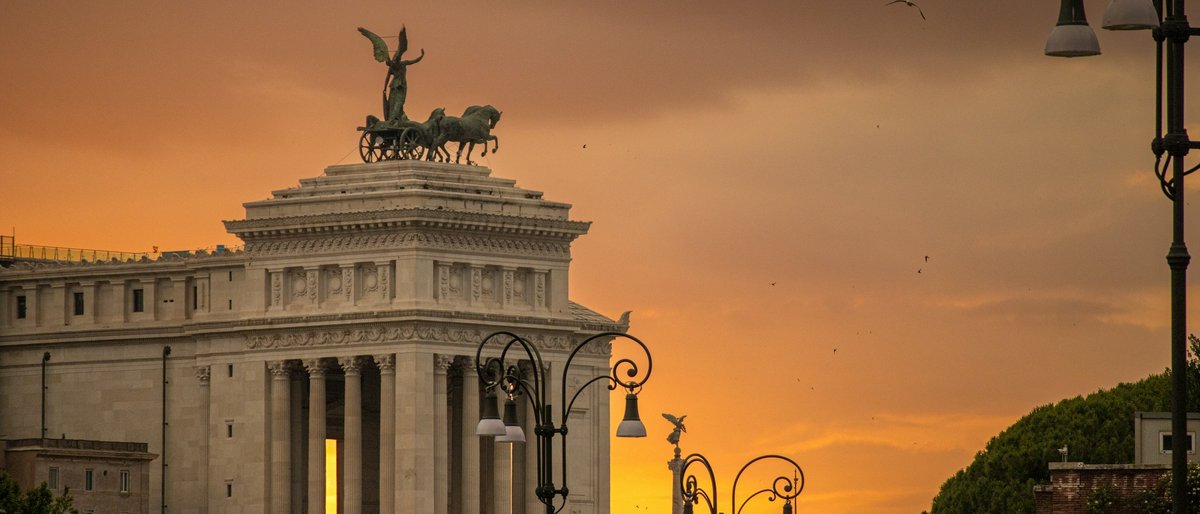
But let's be honest: if your vision of Rome involves lingering over aperitivo on a sunny terrace while the golden hour stretches across the Forum, February is not your month. The days are short, the evenings are cold, and you'll spend more time in museums and trattorias than you might have planned. That's not necessarily a bad thing: it's just a different Rome.
Why visit in February
- Shortest queues of the year at major sites: you can walk into the Vatican Museums in under 20 minutes on a Tuesday, compared to 2-3 hours in July
- Hotel rates drop 30-50% below the annual average, with four-star hotels near the centro storico going for a fraction of their summer prices
- Carnevale brings festive energy to the final week of the month, with street parades and traditional pastries appearing in every bakery window
- Restaurant staff are relaxed and attentive: this is when you get the Rome dining experience that travel writers romanticize
- Seasonal artichokes (carciofi alla romana and carciofi alla giudia) hit peak quality at trattorias across the Jewish Ghetto and Testaccio
Worth knowing
- Daylight hours are limited: the sun sets before 6pm, cutting into late-afternoon sightseeing and golden-hour photography at the Forum or Pincian Hill
- The damp cold is deceptive. 5°C with Roman humidity and wind feels harsher than the number suggests, if you're walking cobblestones all day
- Some smaller churches and seasonal attractions keep reduced winter hours or close entirely on weekdays
- Grey, overcast skies are common and can persist for several consecutive days, which dulls the warm ochre tones Rome is known for
Best for
Think twice if
February sits in the tail end of Roman winter. Days tend to start cold and damp, often with mist hanging over the Tiber in the early morning. By midday, temperatures typically climb to around 15°C (59°F), which feels pleasant enough in direct sunlight but noticeably chilly in shade or when the tramontana blows down from the north. Nights drop to around 5°C (41°F), and you'll want a proper coat for evening walks. Rainfall averages 67mm spread across about 7 days, usually arriving as steady drizzle rather than dramatic downpours. Humidity hovers around 78%, which gives the cold a penetrating quality. You'll get stretches of clear blue sky (when they arrive, the light on travertine and ochre walls is beautiful) but count on grey days outnumbering sunny ones.
Year-round climate
Averages from the last 5 years.
| Month | Avg high (°C) | Avg low (°C) | Rainfall (mm) |
|---|---|---|---|
| Jan | 13 | 5 | 76 |
| Feb | 15 | 5 | 67 |
| Mar | 17 | 7 | 98 |
| Apr | 19 | 9 | 64 |
| May | 24 | 13 | 83 |
| Jun | 31 | 19 | 38 |
| Jul | 34 | 22 | 18 |
| Aug | 33 | 21 | 45 |
| Sep | 28 | 18 | 104 |
| Oct | 23 | 14 | 79 |
| Nov | 18 | 9 | 151 |
| Dec | 14 | 6 | 104 |
Headline events
Carnevale Romano
Week leading up to Shrove Tuesday (dates shift with Easter: usually mid to late February)
Rome's revival of its historic Carnival tradition fills the streets around Piazza del Popolo and Via del Corso with costumed parades, horse-drawn carriages, and confetti. It's not Venice (the scale is more neighborhood-festive than grand spectacle) but the energy is genuine, on the final weekend before Lent. Kids in elaborate costumes pour out of every neighborhood, bakeries overflow with frappe and castagnole, and there's a looseness to the city that's infectious. The festivities concentrate in the week leading up to Martedì Grasso.
Best things to do in February
Vatican Museums without the crowds
cultureFebruary is one of the few months when the Vatican Museums feel like an actual museum rather than a crowded corridor. You can stand in front of the Raphael Rooms and study the frescoes without being pushed along by a human current. The Sistine Chapel, while still busy, has enough breathing room that you might get to sit on the benches and look up.
Visitor numbers drop sharply in winter: weekday mornings in February are among the quietest of the year.Booking tipBook online a day or two ahead to skip the ticket line, but don't stress about booking weeks out like you would in summer.
Explore the Jewish Ghetto at artichoke season
foodThe streets around Via del Portico d'Ottavia come alive in February as artichoke season opens. Walk through the small piazzas, duck into trattorias for carciofi alla giudia straight from the fryer, and browse the neighborhood's history: it's one of the oldest Jewish communities in Europe, and the layers of history here are thick.
February marks the start of the cimarolo artichoke season, and the Ghetto's restaurants build their menus around it.Borghese Gallery visit
cultureThe Borghese Gallery limits entry to 360 people every two hours year-round, but in February you can typically book a slot just a few days ahead instead of the usual weeks. Bernini's Apollo and Daphne in soft winter light from the skylights is something else entirely. The surrounding Villa Borghese gardens are bare but peaceful for a post-visit walk.
Booking pressure eases substantially in low season: slots that sell out weeks ahead in summer are often available with short notice.Cooking class for winter Roman dishes
foodFebruary is the perfect month for a hands-on cooking class focused on Roman winter cuisine: think pasta alla gricia, cacio e pepe, and braised artichokes. The smaller class sizes in low season mean more personal attention, and you'll learn techniques you can replicate at home. Several cooking schools operate in Trastevere and near Campo de' Fiori.
Winter ingredients like artichokes, broccoli romanesco, and puntarelle are at their peak, and class sizes tend to be smaller.Booking tipBook a couple of days ahead: most schools run even with small groups in February.
Carnevale street celebrations
festivalThe final days before Lent bring costume parades, confetti fights, and a general sense of mischief to the streets around Piazza del Popolo and Via del Corso. It's fun if you're traveling with children: Italian kids go all out with their costumes, and the atmosphere is warm despite the weather. Stop into any pasticceria for frappe and castagnole while you watch.
Carnevale falls in February most years, with the biggest celebrations on the weekend before Shrove Tuesday.Day trip to Ostia Antica
historyThe ancient port city of Ostia Antica is Rome's lesser-known archaeological site, and in February you might have entire streets of Roman ruins to yourself. The mosaics, apartment blocks, and theater are remarkably well preserved, and without summer heat or crowds, you can spend hours wandering at your own pace. The on-site café is basic but warm.
Near-empty conditions make it feel like a private archaeological dig. No heat, no crowds, no rush.Booking tipTake the Roma-Lido train from Piramide station: it's a 30-minute ride and runs frequently.
Aperitivo crawl through Trastevere
nightlifeFebruary evenings in Trastevere have a cozy, locals-only feel. The cobblestone streets are quieter than usual, and bars that cater to tourists in summer revert to their neighborhood character. Grab a spritz or a glass of Frascati at a few spots along Via della Lungaretta and Piazza di Santa Maria in Trastevere: the cold air makes ducking into a warm bar feel welcome.
Without tourist overflow, Trastevere's bars feel more authentically Roman. Staff have time to chat, and you'll hear more Italian than English.What to eat in February
On menus now
Carciofi alla Giudia
Deep-fried whole artichokes, crispy as a chip on the outside and tender within, from the Jewish-Roman tradition. February is when Roman artichokes (the round, thornless cimarolo variety) first arrive in markets, and trattorias in the Ghetto neighborhood compete fiercely over who fries them best. The leaves should shatter when you bite into them.
Carciofi alla Romana
The braised counterpart to the fried version: artichokes stuffed with mentuccia (wild mint) and garlic, then slow-cooked in olive oil until completely tender. Every trattoria in Testaccio runs these as a seasonal staple from February through April. The flavor is gentler and more herbal than the Giudia preparation.
In markets
Puntarelle
A type of chicory with crunchy, curling shoots that gets tossed raw in an anchovy-and-garlic dressing. It's bitter and briny and completely addictive: one of those Roman winter salads that sounds strange on paper but makes total sense once you taste it alongside a plate of tonnarelli cacio e pepe.
Festival food
Frappe
Thin, crispy ribbons of fried dough dusted with powdered sugar, appearing in every bakery and pasticceria during Carnevale season. They're light enough that you'll eat a dozen before you realize it. Also called chiacchiere elsewhere in Italy, but in Rome they're frappe, and locals have strong opinions about whose are best.
Castagnole
Small, round fried dough balls: some filled with custard or ricotta, some plain and sugar-dusted. They show up alongside frappe in every Roman bakery during Carnevale, warm and slightly chewy in the center. The ricotta-filled ones from a good pasticceria are worth seeking out specifically.
Regular events in February
Valentine's Day in Rome
Rome leans into Valentine's Day with candlelit dinners, special tasting menus, and the occasional organized event at historic venues. Restaurants across the centro storico offer prix fixe menus for the occasion, and the city's natural romanticism (narrow streets, fountain-lit piazzas, church bells at dusk) does most of the work. Worth noting that Roman couples tend to celebrate with a nice dinner out rather than grand gestures.
February 14Rome Chamber Music Festival events
Several churches and small concert venues host chamber music performances through the winter season. The acoustics in Rome's older churches are notable, and a candlelit recital in a 16th-century nave on a cold February evening is the kind of experience that sticks with you. Programs vary year to year but typically feature Italian and Baroque composers.
Throughout FebruaryFeast of Sant'AgataFree
Celebrated on February 5th, this minor feast day brings small processions and special masses in churches dedicated to the saint. It's not a spectacle, but if you happen to be near one of these churches, the candles, flowers, and quiet devotion offer a glimpse into Rome's living religious traditions that most tourists never see.
February 5Best places this February
Pantheon
landmarkIn February, you might walk in and find yourself nearly alone under the oculus. When it rains, the water falls straight through the opening and drains through the barely perceptible slope of the floor: something you'd never notice in a crowded summer visit. The marble interior stays cool year-round, so the temperature difference from outside is less jarring than in other months.
Centro StoricoCapitoline Museums
museumRome's oldest public museum collection, perched on Capitoline Hill with views across the Forum. In February, you can linger over the Dying Gaul and the equestrian Marcus Aurelius without anyone blocking your sightline. The connected underground gallery linking the two buildings (the Tabularium) frames a view of the Forum that's atmospheric on grey winter days.
CampitoglioTrastevere
neighborhoodThis neighborhood across the Tiber is at its most authentic in February. The ivy on the ochre walls has gone bare, the cobblestones gleam with rain, and the trattorias are full of Romans rather than tour groups. Wander without a map: the best discoveries here happen by accident. The basilica of Santa Maria in Trastevere, with its gold mosaics, is worth ducking into for warmth and wonder both.
TrastevereGalleria Doria Pamphilj
museumA private palace that still belongs to the family, tucked behind an unassuming facade on Via del Corso. The gallery is rarely crowded even in high season, and in February it's practically empty. The Velázquez portrait of Pope Innocent X alone is worth the visit: Bernini reportedly said it was too truthful. The audio guide, narrated by a family member, adds a personal touch that larger museums can't match.
Centro StoricoCampo de' Fiori morning market
marketThe daily market in this piazza runs all winter, though the produce stalls shift to seasonal roots, greens, and citrus. February mornings here smell like clementines and fresh herbs, and the vendors are chatty when they're not overwhelmed. Pick up puntarelle, blood oranges, or a wedge of aged pecorino. By afternoon the market packs up and the piazza turns into a quiet square: a contrast to its rowdy summer nightlife personality.
Centro StoricoAppian Way (Via Appia Antica)
historical siteRome's ancient highway stretching south through cypress-lined countryside. In February, the tourist buses largely vanish, and you can walk or cycle the original basalt stones past crumbling tombs and aqueduct fragments in near solitude. The catacombs of San Callisto and San Sebastiano along the route keep winter hours but are still open for visits. Dress warmly: the open landscape catches the wind.
Appio-Latino
Your packing checklist
Tick items off as you pack. Your progress saves in this browser.
All packed — have a great trip.
Insider tips
The first Sunday of the month means free entry to state museums: in February, this includes the Colosseum, Forum, Borghese Gallery, and several others. Lines form early but move fast in winter.
For the best carciofi alla giudia, look for places where the kitchen smells like hot olive oil by noon. If a restaurant in the Ghetto has a line of Romans waiting, that's your answer: follow the locals, not the TripAdvisor sticker.
The 40 bus from Termini to Trastevere crosses the Tiber on Ponte Garibaldi: sit on the right side for a view of St. Peter's dome framed against the winter sky. It's the kind of thing you'd miss in a taxi.
Many Roman churches close between noon and 3:30pm. If you're planning a church crawl, start early or time your visits for late afternoon when they reopen.
The Roma Pass covers public transport and museum entries, and in February you'll get far more value from it since you can walk into partner sites without queuing. It currently covers 48 or 72 hours: check which version suits your itinerary.
February is truffle season in Lazio. Several restaurants near Piazza Navona and in Monti feature fresh black truffle shaved over pasta: it's not Umbria prices, but the quality is still strong.
Avoid these mistakes
- Underdressing for the cold: 5°C with Roman humidity and wind off the Tiber cuts right through a light jacket. Layer properly, for evening outings.
- Assuming everything keeps summer hours. Many sites switch to winter schedules with earlier closing times. Check before you trek across the city to a museum that shuts at 4:30pm.
- Skipping the centro storico at night because it's cold. Winter evenings are when the Trevi Fountain, Spanish Steps, and Piazza Navona are at their most atmospheric: lit up, uncrowded, and quiet enough to hear the fountains.
- Eating only in the tourist triangle between the Pantheon and Piazza Navona. In February, the best food is in neighborhood trattorias in Testaccio, Prati, and Monti where chefs are cooking for locals, not tour groups.
- Not carrying an umbrella because the morning looked clear. Roman winter weather shifts quickly: a blue sky at breakfast can turn to drizzle by lunch.
Practical tips for February
Rome's public transport runs on the same schedule year-round, but in February you'll find buses and the metro noticeably less packed. Buy a multi-day travel pass if you're staying more than two days: it covers the metro, buses, and trams within the city zone. Most major museums and archaeological sites switch to winter hours starting in November, typically closing 30-60 minutes earlier than summer. The Colosseum, Forum, and Palatine Hill close around 4:30pm in February, so plan visits for the morning. Restaurant reservations are rarely necessary outside Valentine's Day weekend, but it's still worth booking a day ahead at popular spots in Trastevere and the Ghetto, for Friday and Saturday dinners. Rome's tap water is safe and excellent: the nasoni (public drinking fountains shaped like big noses) run year-round, so carry a refillable bottle. For day trips, trains to Ostia Antica and Tivoli run regularly, but check return times since the last trains come earlier in winter than you might expect.
FAQ
Is February a good time to visit Rome?
It depends on what you're after. February is Rome's deep low season, which means the lowest hotel rates, the shortest lines at major sites, and a quieter, more local feel to the city. The trade-off is short days, cold weather, and grey skies that can linger for several days running. If you're primarily interested in museums, food, and history, February is rewarding. If you're hoping for long sunny days and outdoor dining, you'll likely be disappointed.
How cold does Rome get in February?
Daytime highs typically sit around 15°C (59°F), which feels comfortable in direct sunlight but chilly in shade or wind. Nights drop to around 5°C (41°F), occasionally a degree or two colder. Snow is extremely rare: it happens maybe once a decade and never sticks for long. The real issue is the damp, penetrating quality of the cold, which makes it feel harsher than the temperature alone suggests.
Does it rain a lot in Rome in February?
Rome averages about 67mm of rain over roughly 7 days in February, making it one of the drier winter months. Rain tends to arrive as steady drizzle rather than heavy storms. You'll likely get a few consecutive grey days, but extended all-day downpours are uncommon. A compact umbrella and waterproof jacket should handle it.
What should I wear in Rome in February?
Layers are your friend. A medium-weight waterproof jacket, a warm scarf, and comfortable waterproof shoes with good grip for cobblestones cover the essentials. Roman buildings (churches and museums) can be cold inside, so a sweater you can keep on indoors is practical. You won't need heavy winter gear like you would in northern Europe, but a light jacket alone won't cut it either.
Are the main tourist sites open in February?
All major sites (the Colosseum, Vatican Museums, Pantheon, Borghese Gallery, and the Forum) are open in February, though most operate on winter schedules with earlier closing times. Smaller churches and some private galleries may keep reduced hours or close on certain weekdays. It's worth checking specific opening times before visiting, for sites outside the main tourist circuit.
Is Carnevale worth seeing in Rome?
Rome's Carnevale is a modest but charming affair, concentrated around Piazza del Popolo and Via del Corso in the days leading up to Shrove Tuesday. Don't expect Venice-level spectacle: it's more neighborhood festivity, with costumed children, confetti, street performers, and bakeries piled high with frappe and castagnole. If you happen to be in town, it's a fun bonus. Planning a trip specifically around it might leave you wanting more, unless you also factor in the low-season benefits.
Things to Do in Rome in February
 Free cancellation
 Rome 3 in 1 Cooking Class: Fettuccine, Ravioli & Tiramisu
Cooking class: 3 hours, free cancellation.
via Viator Free cancellation
 Pompeii, Amalfi Coast and Positano Day Trip from Rome
Day trip: 13 hours, free cancellation.
via Viator Free cancellation
 Pompeii from Rome with Optional Mt. Vesuvius & Pizza Lunch
Day trip: 12 hours, free cancellation.
via Viator Free cancellation
 Rome Pasta and Tiramisu Class: Ravioli, Fettuccine & Fine Wine 5*
Cooking class: 3 hours, free cancellation.
via Viator Free cancellation
 Learn to Make Pasta & Tiramisu with Wine and Limoncello Included
Cooking class: 2 hours, free cancellation.
via Viator Free cancellation
 Rome on a Golf Cart Semi-Private Tour Max 6 with Private Option
City tour: 3 hours, free cancellation.
via ViatorFind a flight to Rome
Live fares to Rome appear here once cookies are accepted.
Last verified by automated review (v1.7.2) on . What is automated review?