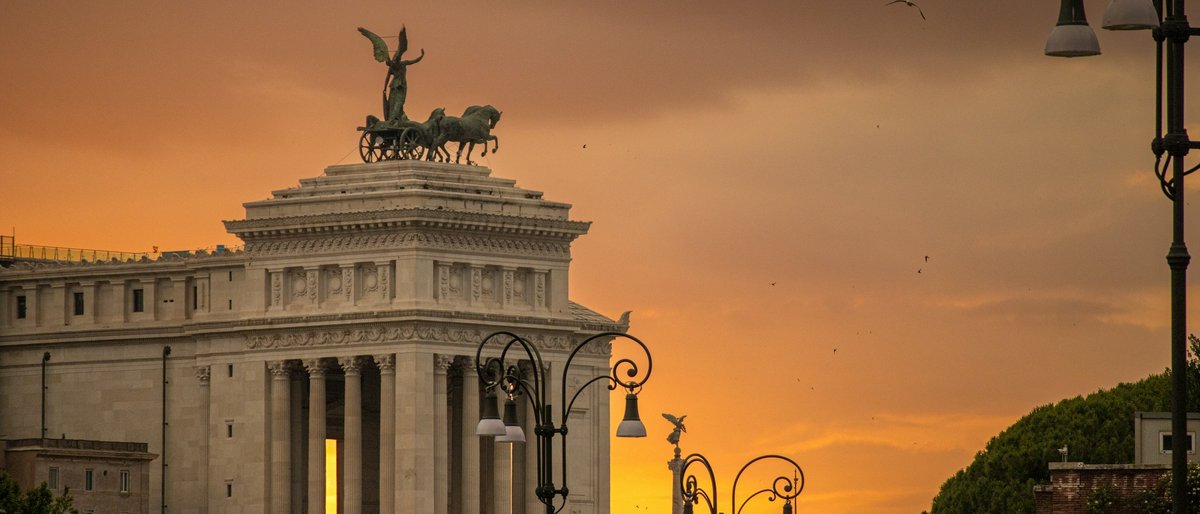
Rome isn't really a shopping city in the way Milan or Paris might be. It's more that shopping happens to you while you're there: you turn a corner in Trastevere and catch the smell of fresh leather from an artisan's workshop, or you wander past a window display of hand-marbled paper and suddenly you're inside spending forty minutes watching someone bind a journal. The city has its luxury corridors, sure, and the big fashion houses all have flagship stores near the Spanish Steps. But what makes buying things in Rome feel different is the persistence of small, family-run botteghe: workshops where someone is still making things by hand the way their grandfather did. Leather goods, ecclesiastical vestments, handmade pasta, ceramic work, vintage prints of Roman ruins. The craft tradition here is deep, not performed for tourists. That said, you do have to know where to look. The streets closest to the major monuments tend to sell the same mass-produced souvenirs you'd find anywhere. Move a few blocks in any direction and the character shifts completely. Romans themselves shop in neighborhood markets, at specific alimentari they've been going to for decades, and increasingly in the small independent boutiques popping up in districts like Monti and Pigneto. The rhythm of shopping here still follows older patterns: many places close for a long lunch, Sunday is largely dead outside the centro storico, and the relationship between shopkeeper and customer tends to be warmer and slower than what you might be used to.
Shopping districts
-
Via dei Condotti and the Tridente
luxuryThe triangle formed by Via dei Condotti, Via Frattina, and Via Borgognona radiating from Piazza di Spagna is Rome's luxury core. Valentino, Bulgari, Gucci, Fendi: they're all here, housed in beautiful palazzi with polished marble floors. The streets are narrow enough that you can feel the wealth pressing in from both sides. Worth noting: Fendi's headquarters at Palazzo della Civiltà Italiana in EUR is a destination in itself if high fashion interests you, but the Condotti flagship is where most visitors end up. Even if you're not buying, the window displays are artful. The side streets off Via del Corso toward the Tridente tend to have slightly more accessible price points: still designer, but you might find last-season pieces or younger Italian labels mixed in.
Best for: High fashion, Italian designer labels, jewelry, and luxury leather goods
-
Via del Corso
budget to mid-rangeThe long, straight artery running from Piazza del Popolo to Piazza Venezia is where Roman teenagers and twenty-somethings shop. Zara, H&M, Bershka, and a handful of Italian mid-range chains like OVS and Calzedonia line both sides. It gets packed on Saturday afternoons: shoulder-to-shoulder packed, the kind where you're moving at the speed of the crowd whether you want to or not. The buildings themselves are gorgeous, which creates this odd contrast between fast fashion and Renaissance architecture. A few independent shops still hang on between the chains, mostly closer to the Popolo end. Not where you'd go for anything uniquely Roman, but it's useful if you need practical clothes or forgot to pack something.
Best for: High-street fashion chains, practical shopping, and people-watching
-
Monti
mixedThis might be Rome's most interesting shopping neighborhood right now. The area around Via del Boschetto and Via Panisperna has filled up with small independent boutiques, vintage clothing shops, and young Italian designers selling their own work. The vibe is more Berlin than Rome in some ways: concrete floors, exposed brick, hand-lettered signs. You'll find one-off jewelry pieces, reworked vintage leather jackets, locally designed stationery, and small-batch ceramics. Prices vary wildly: a vintage dress might run you next to nothing, while a handmade leather bag from a local designer could cost several hundred euros. The neighborhood still has its old-guard residents, so between the boutiques you'll pass hardware shops and alimentari that have been there since the 1960s. That mix is what gives Monti its texture.
Best for: Vintage clothing, independent designers, handmade jewelry, and one-of-a-kind finds
-
Trastevere
mid-rangeTrastevere's shopping is a bit of a split personality. The main drag along Viale di Trastevere and the streets nearest Piazza di Santa Maria have gone fairly touristy: gelato shops, souvenir stands, the usual. But push deeper into the smaller streets, toward Via della Scala and the quieter corners closer to the Gianicolo hill, and you'll find leather workshops, small bookshops, and artisan studios that still feel like neighborhood places. There's a particular concentration of handmade leather goods here: belts, bags, sandals made while you wait. The cobblestones are uneven, the buildings lean slightly, and the light filters through hanging laundry. Shopping here is less about efficiency and more about stumbling into something you weren't looking for.
Best for: Handmade leather goods, artisan workshops, bookshops, and browsing without a plan
-
Via Cola di Rienzo (Prati)
mid-rangeIf Romans from the nicer neighborhoods need to buy things (a good pair of shoes, kitchenware, a winter coat) many of them end up on Via Cola di Rienzo in Prati, just north of the Vatican. It's a wide, tree-lined street with a comfortable mix of Italian mid-range brands, department stores like Coin, and specialty shops. The leather goods shops here tend to offer better value than those near the tourist centers. There's a large Castroni location here too, which is one of Rome's best-known gourmet food shops: the smell of freshly ground coffee hits you from halfway down the block. Less glamorous than the Tridente, but this is where locals do their real shopping.
Best for: Practical shopping, Italian mid-range brands, gourmet food, and leather goods at fair prices
-
Via del Governo Vecchio
mid-range to highA narrow medieval street connecting Piazza Navona toward the Chiesa Nuova, and probably the best vintage shopping street in central Rome. The vintage and secondhand shops here lean upscale: you're more likely to find 1970s Pucci scarves and pre-owned Ferragamo than bin-diving bargains. Several of the shops have been curating their collections for decades, and the owners tend to know their stock intimately. Mixed in are a few contemporary boutiques carrying smaller Italian labels. The street itself is beautiful in that crumbling-ochre-walls way that Rome does so well, and it's mercifully less crowded than nearby Piazza Navona. Prices are fair for what you're getting, though this isn't the place for cheap finds.
Best for: Curated vintage fashion, pre-owned designer pieces, and smaller Italian labels
-
Via Sannio (San Giovanni)
budgetOne of the few remaining street markets in Rome that locals still use for actual clothes shopping. The stalls along Via Sannio, near the Basilica di San Giovanni in Laterano, sell a mix of new budget clothing, military surplus, leather goods, and secondhand items. The quality is uneven (you need to look carefully) but the prices are low. It feels more like a working market than a curated experience. The surrounding neighborhood is residential and relatively untouristy, so you'll hear Roman dialect more than English here. It's been operating since the postwar period and has that slightly chaotic energy of a market that exists because people need it, not because it looks good on social media.
Best for: Budget clothing, leather belts and bags, military surplus, and an authentic Roman market atmosphere
Markets
-
Porta Portese
fleaRome's legendary Sunday flea market stretches along the Tiber from Porta Portese gate through the streets of southern Trastevere. It's massive and chaotic: the kind of place where you can buy a 1940s lamp, a box of old postcards, knock-off sunglasses, and a used bicycle all within about fifty meters of each other. The antiques and vintage section closer to Porta Portese itself tends to be the most interesting, with old prints, silverware, mid-century furniture, and vinyl records. As you move further along, it shifts toward new goods: cheap clothing, phone cases, household items. Get there early, ideally by 8am, before the crowds make browsing difficult. Mind your wallet, as pickpockets are known to work the densest sections. The whole thing has a slightly frantic energy that feels very Roman.
Sundays, roughly 6am to 2pm
-
Campo de' Fiori
foodThe daily market in Campo de' Fiori has been running since 1869, and despite its undeniable tilt toward tourism in recent years, it's still worth a visit: in the early morning before the tour groups arrive. The produce stalls sell seasonal Roman staples: artichokes in winter and spring (the big, beautiful romanesco variety), puntarelle, cherry tomatoes still on the vine, fresh figs in summer. You'll also find dried herbs, spice blends, dried porcini, and packets of saffron. Several stalls sell kitchen items: pasta-making tools, moka pots, olive wood boards. Is it the cheapest market in Rome? Not even close. But the setting, with the hooded statue of Giordano Bruno glowering from the center, gives it a particular atmosphere. Locals who still shop here tend to have their preferred vendors and go straight to them.
Monday through Saturday, roughly 7am to 2pm
-
Mercato Testaccio (Nuovo Mercato)
foodIf you want to see where actual Romans buy their groceries, this covered market in Testaccio is the one. It moved from its original location to a modern, purpose-built structure nearby, but the vendors (many of whom are second or third generation) came with it. The produce is seasonal and sourced from the Lazio countryside. The meat counters are serious: whole rabbits, tripe, oxtail, all the quinto quarto offal cuts that define Roman cooking. There's a handful of prepared food stalls inside that serve some of the best cheap lunches in the city: supplì, trapizzino, porchetta sandwiches. The atmosphere is workmanlike rather than scenic, which is exactly why it's good. You'll hear vendors calling out to regulars by name.
Monday through Saturday, roughly 7am to 3pm
-
Mercato Monti Urban Market
artisanA weekend market held inside a hotel event space in the Monti neighborhood, this leans heavily toward independent designers, vintage collectors, and small-batch artisans. You'll find handmade jewelry, reworked vintage clothing, screen-printed tote bags, small-run ceramics, and leather accessories made by young Roman craftspeople. It's curated rather than large (maybe forty or fifty vendors at any given time) so the quality tends to be consistent. The crowd is a mix of design-conscious locals and tourists who've done their research. It feels less like a flea market and more like a pop-up design fair. Worth checking their schedule as dates can shift seasonally.
Weekends, typically 10am to 8pm, though dates vary seasonally
-
Mercato di Via Andrea Doria (Prati)
generalA large open-air market in the Prati neighborhood, near the Vatican, that most tourists walk right past. The stalls sell clothing, shoes, bags, and household goods at prices that seem to belong to a different city than the one you've been sightseeing in. It's not glamorous (think plastic tarps and cardboard boxes) but the leather goods, in particular, can be surprisingly decent. Roman families from the neighborhood do their practical shopping here. You might find a well good leather belt for a fraction of what it would cost in a boutique. The food stalls at one end carry excellent produce. It operates on weekday mornings and shuts down around lunchtime.
Monday through Saturday mornings, roughly 7am to 1:30pm
-
Borghetto Flaminio
vintage and antiquesA Sunday vintage and antiques market held in a parking garage near Piazza del Popolo. Sounds unpromising, but the quality of goods tends to be a step above Porta Portese: think curated vintage rather than miscellaneous secondhand. You'll find mid-century Italian furniture, vintage Murano glass, old maps and prints, costume jewelry, and clothing from various decades. The sellers are often dealers and collectors rather than people clearing out their attics, so prices reflect some expertise. It's smaller and calmer than Porta Portese, which makes browsing more pleasant if you're not in the mood for chaos. Entry sometimes requires a small fee.
Sundays, typically 10am to 7pm, September through June
Souvenirs worth bringing home
Skip the miniature Colosseums and the aprons with David's anatomy on them. Rome has genuine local products worth bringing home, things that are made here or specific to the Lazio region.
Leather is the obvious one, and for good reason. Roman leather workshops (in Trastevere and around the edges of the centro storico) still produce belts, wallets, bags, and journals by hand. Look for pieces that smell rich and slightly sweet, with clean stitching and unfinished edges that show the natural grain. A good handmade leather belt from a Trastevere bottega might run you anywhere from thirty to eighty euros, which is fair for something that will likely outlast you.
Food is the other strong category. Pecorino Romano (the real thing, aged and sharp, not the pre-grated stuff) travels well if vacuum-sealed, and several market vendors and alimentari will package it for transport. Dried pasta from smaller producers like Pastificio Cerere or similar Roman brands is light, keeps forever, and tastes noticeably different from what you get at home. Guanciale, if your customs regulations allow cured meats, is worth the trouble. Bottarga, dried herbs, good olive oil from the Sabine hills: all of these are regional.
For something less edible, look into hand-marbled paper. A few workshops near the Pantheon and in Trastevere still practice the traditional technique, making notebooks, desk accessories, and wrapping paper with patterns that are individually floated on water baths. Each piece is unique. Religious items from the shops around the Vatican (rosaries, small icons, medals) are obviously specific to Rome in a way that few other souvenirs can match, regardless of whether you're religious. Vintage prints and engravings of Roman architecture turn up at Porta Portese and in the print shops along Via dei Coronari. And if you drink espresso, a proper Bialetti moka pot bought in Italy somehow feels more legitimate than the same one ordered online, even if it's technically identical.
Practical tips
- Bargaining
- Fixed-price shops and boutiques (which is most of what you'll encounter in Rome) do not expect or welcome bargaining. Markets are different. At Porta Portese and Via Sannio, negotiating is part of the culture, and starting at about 60-70% of the asking price is reasonable for secondhand and vintage items. At food markets like Campo de' Fiori and Testaccio, prices are generally fixed, though buying larger quantities from a vendor you've chatted with might get you a small discount or something extra thrown in. The key thing is reading the context: if there are price tags, don't haggle.
- Tax refunds (Tax Free shopping)
- Non-EU residents can claim a VAT refund on purchases over a certain threshold from participating shops: look for the Tax Free sign in the window. The shop will give you a form at the time of purchase. You process the refund at the airport when leaving the EU, either at a customs desk or an automated kiosk. Keep the goods unused and in your carry-on for potential inspection. The actual refund tends to be less than the full 22% VAT because processing companies take a cut, but on larger purchases (leather jackets, designer items) it still adds up meaningfully. Give yourself extra time at Fiumicino, as the refund queue can be slow.
- Opening hours
- Roman shop hours still confuse visitors. Many smaller shops and botteghe close for a long lunch break, typically from around 1pm to 3:30 or 4pm. They then stay open until 7:30 or 8pm. Larger chains and shops in the centro storico increasingly stay open straight through, but don't count on it. Almost everything is closed on Sunday, with the exception of shops in major tourist zones and some in Monti and Trastevere. Monday mornings can be quiet too: some shops don't open until the afternoon. Markets are morning affairs and largely wrap up by early afternoon. During August, the weeks around Ferragosto on the 15th, many independent shops close entirely as their owners leave the city.
- Payment methods
- Italy has moved significantly toward card payments in recent years, and most shops and even many market stalls now accept contactless cards. That said, smaller vendors, at outdoor markets and some older botteghe, still prefer cash. It's wise to carry some euros for markets and small purchases. ATMs (called bancomat) are plentiful, though avoid the ones branded by independent currency exchange companies near tourist sites: they tend to have poor exchange rates. Use bank-affiliated ATMs instead.
- Avoiding tourist traps
- A general rule in Rome: the closer a shop is to a major monument, the worse the value. The leather goods shops directly facing the Trevi Fountain or lining the approach to the Vatican are selling mass-produced items at inflated prices, often not even made in Italy despite what the labels might suggest. Look for shops that let you see or smell the work: real leather has a distinctive rich scent, and workshops where someone is cutting and stitching are almost always legitimate. If a shop has aggressive hawkers out front pulling you in, that's your signal to keep walking.
- Shipping purchases home
- If you buy something large (furniture from a flea market, a case of wine, ceramics) most established shops and several shipping companies can arrange delivery. The Italian postal service can be unreliable for valuable items, so a private courier is generally worth the extra cost. For wine, several enotecas near the centro storico specialize in packing and shipping cases internationally with proper customs documentation. Always confirm whether the quoted price includes customs duties at your destination, as these can add up.
FAQ
What are the best things to buy in Rome that you can't easily find elsewhere?
The items most specific to Rome and the Lazio region are pecorino Romano cheese (the genuine aged version), guanciale (cured pork jowl used in carbonara and amatriciana), hand-marbled paper from traditional workshops, and handmade leather goods from the remaining artisan botteghe. Religious items from Vatican-area shops also have an obvious specificity. Vintage prints of Roman ruins and architecture are another distinctly local find, from the older print dealers.
Is Rome a good city for vintage and secondhand shopping?
Surprisingly good, yes. The Porta Portese Sunday market is the largest and most chaotic option, with everything from genuine antiques to pure junk. For more curated vintage, Via del Governo Vecchio has several long-established shops specializing in higher-end secondhand designer fashion. Borghetto Flaminio has a calmer Sunday antiques market near Piazza del Popolo. And the Monti neighborhood has a growing cluster of vintage boutiques where the stock is carefully selected. Rome's long history means there are layers of material culture constantly surfacing.
Are shops open on Sundays in Rome?
Most are not. Sunday closures are still the norm for independent shops and many chains. The main exceptions are shops in heavily touristed areas like Via del Corso, around Piazza di Spagna, and parts of Trastevere. Some shopping centers on the outskirts stay open on Sundays. Markets are mixed: Porta Portese and Borghetto Flaminio are specifically Sunday markets, while food markets like Testaccio and Campo de' Fiori are weekday and Saturday only. If Sunday is your only shopping day, stick to the centro storico or plan around the Sunday markets.
How can I tell if leather goods in Rome are Italian-made?
This is a legitimate concern, since many shops near tourist sites sell imported leather labeled ambiguously. Look for workshops where you can see the production: cutting tables, stitching machines, leather scraps on the floor. Genuine Italian leather has a distinctive smell, rich and slightly sweet, and the edges of quality pieces are often left unfinished to show the natural grain. Ask where the leather is sourced; many Roman artisans use hides from Tuscany or the Veneto. Shops in Trastevere, Monti, and along Via Cola di Rienzo in Prati tend to be more reliable than those clustered near the Colosseum or Trevi Fountain.
What is the best food market in Rome for visitors?
Mercato Testaccio is the strongest recommendation if you want to see a real working market where Romans do their daily shopping. The produce, meat, and cheese vendors are excellent, and the prepared food stalls inside serve some of Rome's best casual lunches at low prices. Campo de' Fiori is more central and photogenic but has become quite touristy and pricey. For the most real feel, go to Testaccio on a weekday morning. Get there before 11am for the best selection, and plan to eat lunch at one of the food stalls inside.
Should I bring cash or can I use credit cards for shopping in Rome?
Bring both, but lean toward having cash available for markets and small artisan shops. Most established boutiques, department stores, and chain shops accept contactless cards without issue: Italy now legally requires merchants to accept card payments. However, smaller market vendors, some older workshops, and certain food stalls still operate primarily in cash. A reasonable approach is to carry fifty to a hundred euros in small bills for market shopping and incidentals, and use your card everywhere else. Avoid currency exchange offices near tourist sites; use bank ATMs instead for better rates.
Last verified by automated review (v1.7.1) on . What is automated review?