What should I avoid in Rome?
Skip the laminated-menu restaurants around Piazza Navona and the Colosseum, the gladiator-costume photo shakedowns outside the amphitheatre, and Termini taxi drivers offering 'flat fares' to your hotel. Avoid the Spanish Steps after 6pm in summer (sitting on the Trinità dei Monti staircase carries a €250 fine). Stick to trattorias on side streets in Trastevere or Testaccio instead.
The restaurants directly facing the Colosseum, Piazza Navona, and the Trevi Fountain share a pattern. They charge €35-40 for a carbonara that runs €12-15 two blocks away. The tell is a laminated photo menu in six languages and someone standing outside pulling at your elbow. Walk 200 metres in any direction and prices drop by half. In Testaccio, Flavio al Velavevodetto serves a proper cacio e pepe for around €14, in a dining room carved into Monte Testaccio, the 35-metre hill built entirely from ancient Roman amphorae. The pecorino hits your fork still steaming, sharp and peppery enough to sting your sinuses. Testaccio sets the standard. If a restaurant near any monument charges double for the same dish, you're paying for the view and getting worse food.
The men in gladiator costumes outside the Colosseum will drape a plastic gladius across your shoulder for a 'free' photo, then demand €20. The same pattern plays out at the Trevi Fountain with rose sellers who press a flower into your hand, insist it's a gift, then trail you half a block asking for money. At Roma Termini, taxi drivers in the arrivals hall quote a 'flat fare' of €40-50 to hotels in the centro storico. The metered rate from Termini to Trastevere or Piazza di Spagna rarely tops €15. Insist on the official white taxis from the rank outside Termini, meter running. The Leonardo Express from Fiumicino costs €14 one way and takes 32 minutes. That beats the €50 regulated taxi fare from the airport, and it's far cheaper than the unlicensed drivers who approach you in the baggage hall quoting €70-80.
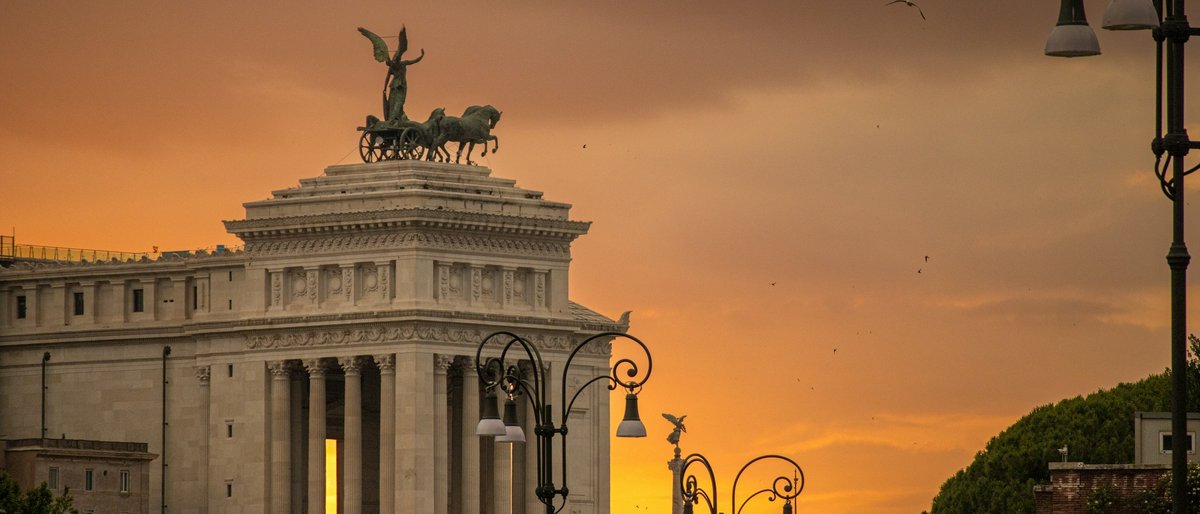
The Spanish Steps are worth 5 minutes of looking up toward Trinità dei Monti, but sitting on the travertine is banned under a 2019 city ordinance, and the fine is steep enough to ruin your evening. After 6pm on summer nights, the staircase becomes a shoulder-to-shoulder selfie crowd with nowhere to rest. Skip the Vittoriano rooftop elevator at Piazza Venezia unless you need the specific angle over the Fori Imperiali. The €7 ride delivers a decent panorama, but the terrace at Pincio above Piazza del Popolo costs nothing, and the sunset light over St. Peter's dome from that vantage is better. You'll catch the smell of roasted chestnuts from the vendor cart at Pincio in autumn, hear guitar players on the piazza below, and feel the warm stone railing still holding the afternoon heat at dusk.
July and August in Rome routinely reach 36-38°C. The humid air sits heavy in the narrow streets around Campo de' Fiori, and the cobblestones radiate stored warmth well into the evening. Queueing for the Vatican Museums in that heat means 90 minutes standing on exposed concrete along Viale Vaticano with no shade. Book a timed-entry ticket online for around €21 (a €5 reservation supplement on the €17 base), or arrive right at the 8am opening on a Monday or Wednesday when crowds thin because the Pope holds audiences at Saint Peter's Square those mornings. Mid-September, when Rome currently sits at about 21°C, is far more walkable. Mind you, autumn downpours arrive with little warning from October onward, so a packable rain jacket earns its suitcase space fast.
Tourist traps to skip
- Laminated-menu restaurants facing the Colosseum, Piazza Navona, and Trevi Fountain (€35-40 for pasta worth €12-15 elsewhere)
- Spanish Steps after 6pm in summer (selfie stampede, sitting ban with steep fine under a 2019 ordinance)
- Vittoriano rooftop elevator at Piazza Venezia (€7 for a panorama you get free at the Pincio terrace above Piazza del Popolo)
- Via dei Condotti gelato chains with fluorescent-colored displays (€5-6 per cup vs €2.50 at Fatamorgana in Trastevere)
- Hop-on hop-off bus tours around the centro storico (€28 per ticket for a route better walked in segments)
- Hard Rock Cafe on Via Veneto (a 10-minute walk from trattorias serving proper Roman food for half the price)
Common scams
- Gladiator-costume photo shakedown outside the Colosseum (free pose, then a €20 demand)
- Rose sellers at the Trevi Fountain and Piazza di Spagna (press a flower into your hand, then demand payment)
- Termini taxi 'flat fare' overcharge (€40-50 quoted vs €15 metered to central hotels)
- Unlicensed drivers at Fiumicino baggage hall (€70-80 for a ride regulated at €50 by taxi or €14 by Leonardo Express)
- Friendship bracelet tie-and-charge near the Pantheon (knotted on your wrist uninvited, then payment demanded)
- Petition clipboard scam at Piazza di Spagna and Piazza Navona (distraction technique while an accomplice targets pockets)
Seasonal hazards
- July-August heat routinely reaches 36-38°C with high humidity trapped in the narrow centro storico streets
- No shade in the Vatican Museums outdoor queue along Viale Vaticano (90+ minute waits in peak summer sun)
- October-November autumn downpours arrive with minimal warning across the city
- Cobblestones retain and radiate stored heat through summer evenings, keeping street-level temperatures uncomfortable until well after 9pm
Last verified by automated review (v1.7.2) on . What is automated review?