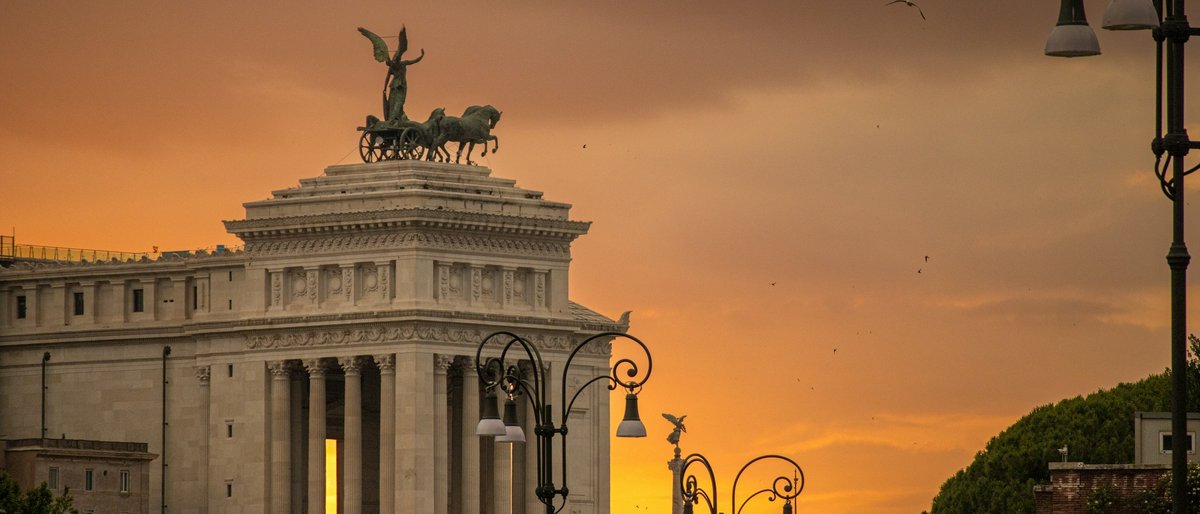
Rome on a budget
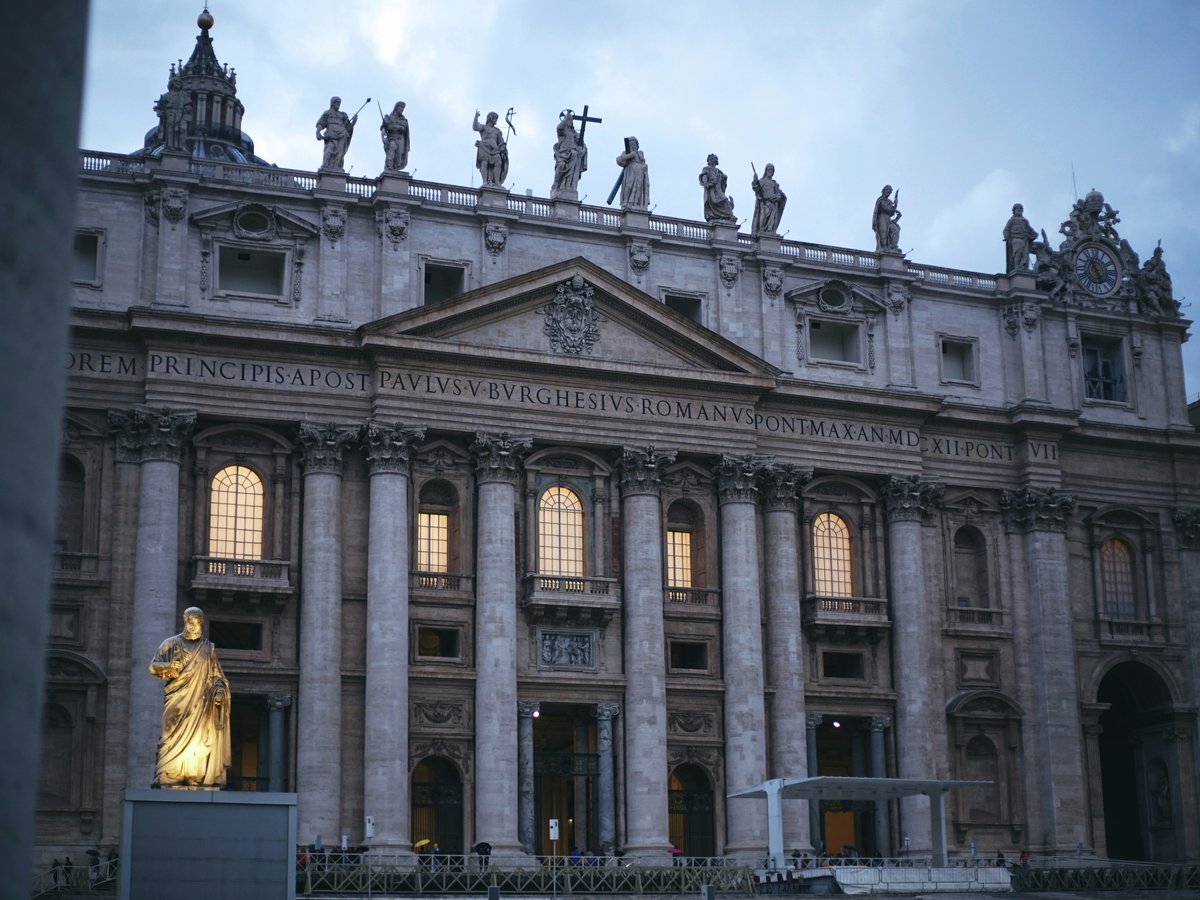
Saint Peter's Square: Bernini's colonnade read as one continuous gesture from the obelisk. Most of the picks for budget travelers in Rome sit in Tiburtina and Ponte Galeria-la Pisana. Rome has 16 budget-tier hotels in the Trip.com pool from US$31 a night.
Rome for budget travelers, in numbers
- Picks on this page
- 21 places across 2 lists, led by Sotel Nomentana Roma, Nuova Fiera Apart., Free Hostels Roma
- budget-tier hotels
- 16 in the Trip.com poolfrom US$31 a night
Questions budget travelers ask about Rome
-
Cost per day
A frugal day in Rome costs about €55 ($65), covering a hostel dorm near Termini, pizza al taglio for lunch, a neighborhood trattoria dinner, and a couple of Metro rides. On the first Sunday of each month, state museums drop their entry fees entirely. The centro storico spans about 3.5 km. Walk it.
Read the full answer → -
What to avoid
Skip the laminated-menu restaurants around Piazza Navona and the Colosseum, the gladiator-costume photo shakedowns outside the amphitheatre, and Termini taxi drivers offering 'flat fares' to your hotel. Avoid the Spanish Steps after 6pm in summer (sitting on the Trinità dei Monti staircase carries a €250 fine). Stick to trattorias on side streets in Trastevere or Testaccio instead.
Read the full answer → -
Getting around
Walking and Metro Lines A and B cover most of a first visit to Rome. A BIT ticket costs €1.50 for 100 minutes on buses, trams, and one metro ride. Download Free Now or itTaxi for licensed white taxis: Uber only runs its expensive Black tier here, so skip it.
Read the full answer → -
Airport to city
Take the Leonardo Express from Fiumicino to Roma Termini: €14 (~$16), 32 minutes, every 15 minutes from 5:38am to 11:23pm. After hours, licensed white taxis charge a fixed €55 (~$64) to anywhere inside the Aurelian Walls. From Ciampino, shuttle buses run €6–7 to Termini in 40 minutes.
Read the full answer → -
Food culture
Rome's food culture runs on five dishes (carbonara, cacio e pepe, amatriciana, gricia, and supplì) all built from cheap ingredients (guanciale, pecorino, black pepper, eggs) that Romans turned into a regional religion. Breakfast is a cornetto and espresso standing at the bar by 8am. Dinner rarely starts before 9pm. The best eating happens in Testaccio and the Jewish Ghetto, not near the Colosseum.
Read the full answer →
Curated for budget travelers
-
Best hostels
Rome's hostel inventory spreads across nine neighborhoods, from the transit-hub density around Termini to quiet residential pockets near the ring road. The center of gravity for budget beds sits between Piazza della Repubblica and the station district, where walkable access to the Colosseum, the Forum, and Trastevere keeps nightly rates low for a city this old. Farther out, neighborhoods like Tiburtina and Torre Gaia trade proximity for price, pulling rates below $70 and putting travelers on metro lines instead of cobblestones. The trade-off is real: a bed near Termini means stumbling home from Campo de' Fiori at midnight; a bed past the GRA means planning around last trains. Each area below is framed by what is reachable on foot, what transit line anchors it, and which pick proves the tier has genuine inventory. Match the neighborhood to your schedule, not to a star rating.
See the picks → -
Best free attractions
Rome's free layer is not a consolation prize; it is the city itself. The piazzas, gardens and hills below were laid out to be walked through, sat in, argued across, and they still work that way whether or not you buy a ticket to anything. This list is twelve open-air rooms of Rome, ranked by how much they reward the visitor who slows down: a papal square that reads as one gesture, two landscape gardens with very different rules of entry, seven public squares that each solved a different urban problem, and a hill that exists mainly so you can look down. Skip the queue at the paid interiors for a morning and walk this list in order; the city will explain itself. Every address here comes from Wikidata, and the coordinates are given so you can drop them into a map and stop guessing which Piazza della R. the driver meant. Bring water, wear the soft shoes, and eat before noon; the shade is not evenly distributed and the fountains that used to be drinking taps mostly are not any more.
See the picks →