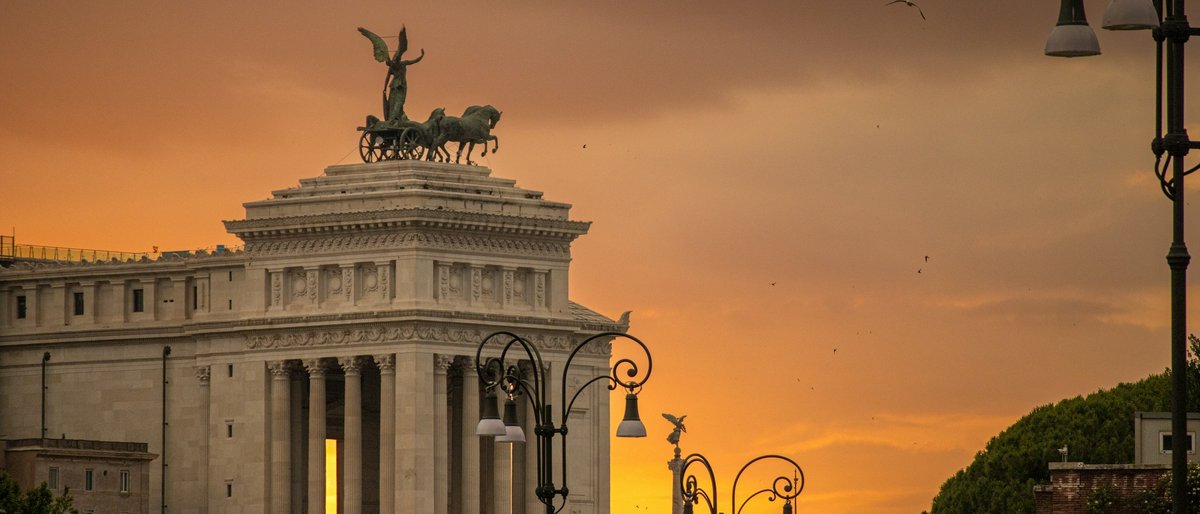
Rome's must-see list is short on surprises and long on scale: an amphitheatre dating from AD 82, a mausoleum turned castle from AD 139, a Baroque fountain from 1732, and a separate state, Vatican City, inside the city limits. Half of these twelve are churches, and that is no accident of ranking: pilgrim Rome and imperial Rome sit on the same ground, and skipping one half means seeing half a city. This list is for the first-timer who wants the essential places in the right order and at the right hour, and for the returning visitor who skipped the basilicas last time. Timing matters more than anything else here: most of these doors open early, St. Peter's Basilica from 07:00, and the first hour is the best hour almost everywhere on this page. Take our opinions as a local editor's, take the hours from the cited sources, and check the official sites before you go.
-
1 St. Peter's Basilica
Piazza San Pietro, 00120A church in Vatican City dating from 1506, open daily from 07:00
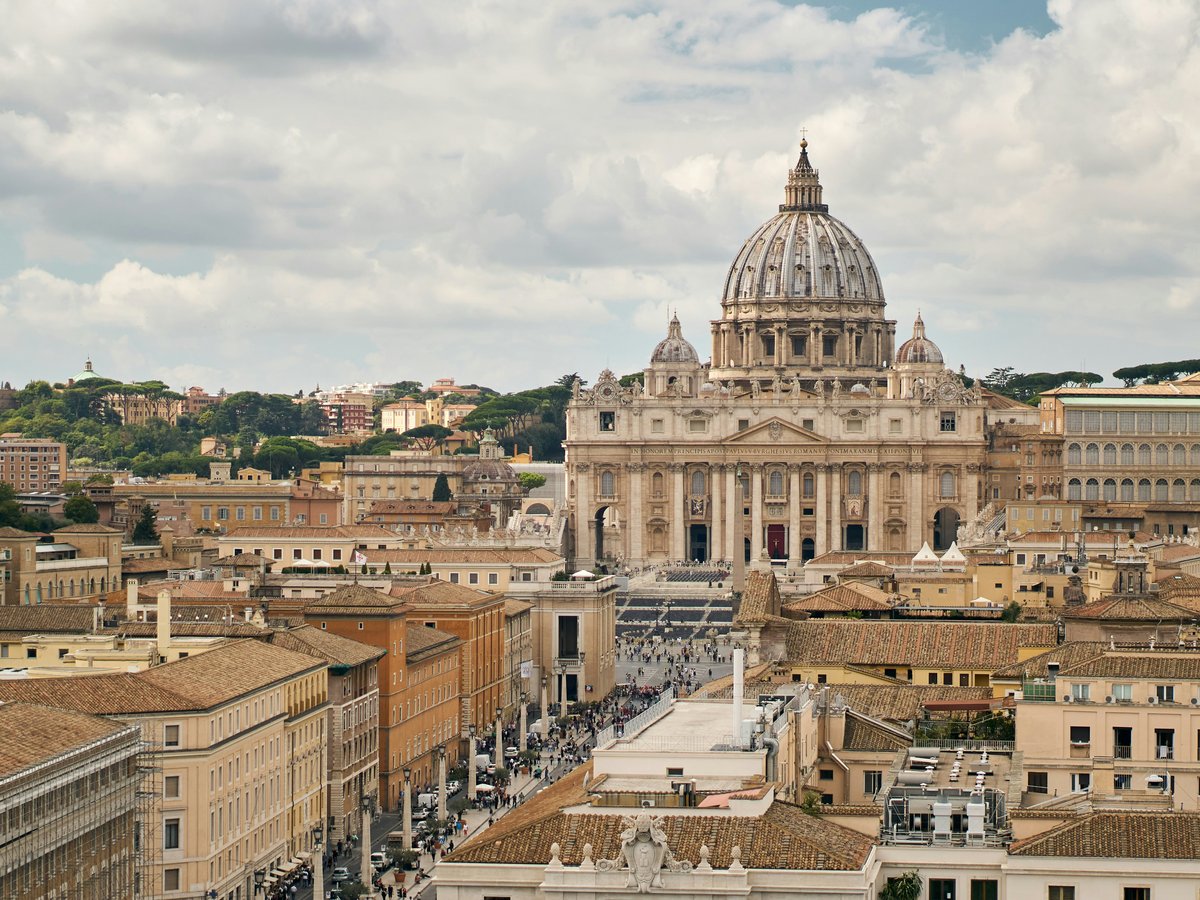
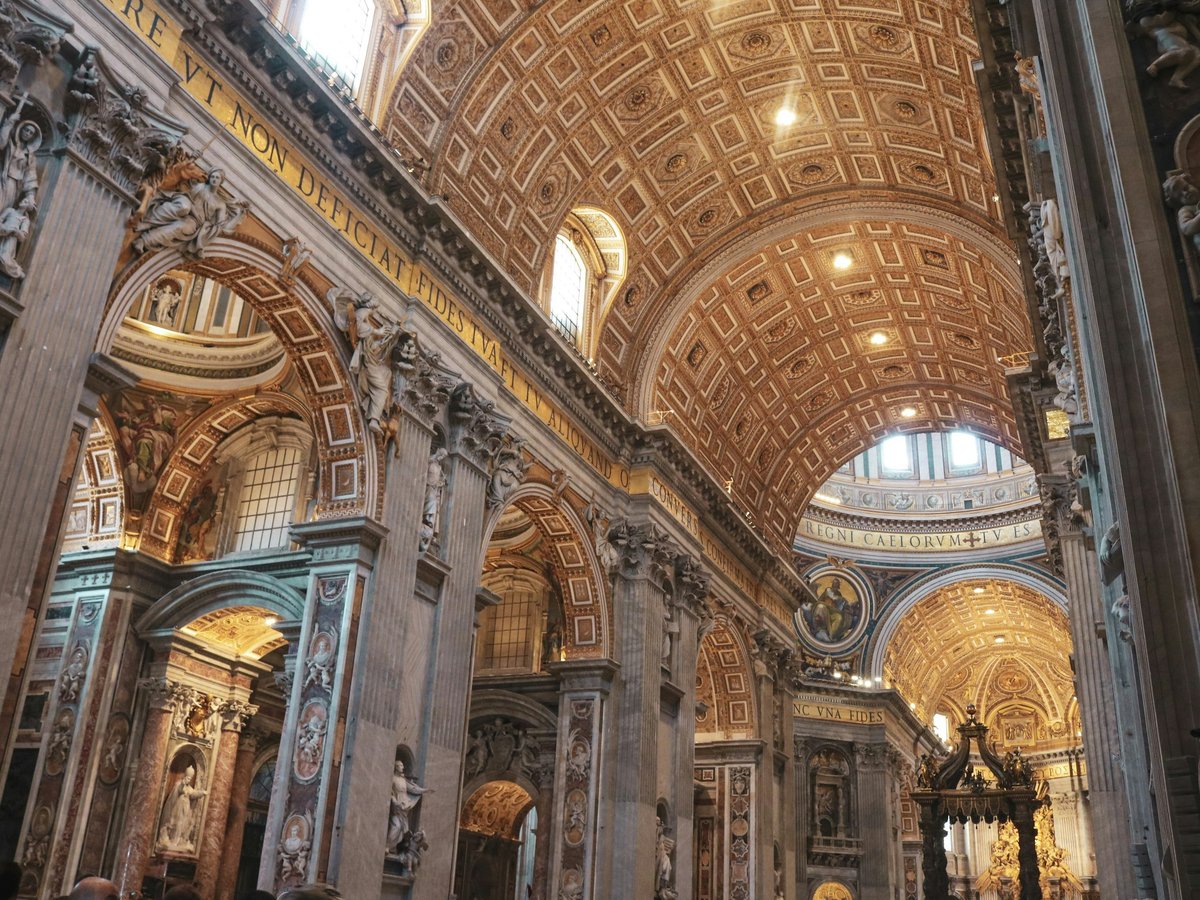
The doors of St. Peter's Basilica open onto Piazza San Pietro, 00120 at 07:00, and that first hour is the one worth setting an alarm for: the nave is quiet enough to hear your own footsteps, before tour groups bunch up behind their raised flags. This church in Vatican City dates from 1506 and is part of a UNESCO World Heritage Site. The doors stay open until 20:00 every day of the week, making an evening visit a strong second choice. A working church keeps its own calendar, so check the official site at basilicasanpietro.va before you set out.
Dates from 1506 · Part of a UNESCO World Heritage Site
Hours: Mo-Su 07:00-20:00
-
2 Vatican City
Viale dell'Aquilone, 00120The Holy See's independent state, an enclave within Rome and a UNESCO World Heritage Site
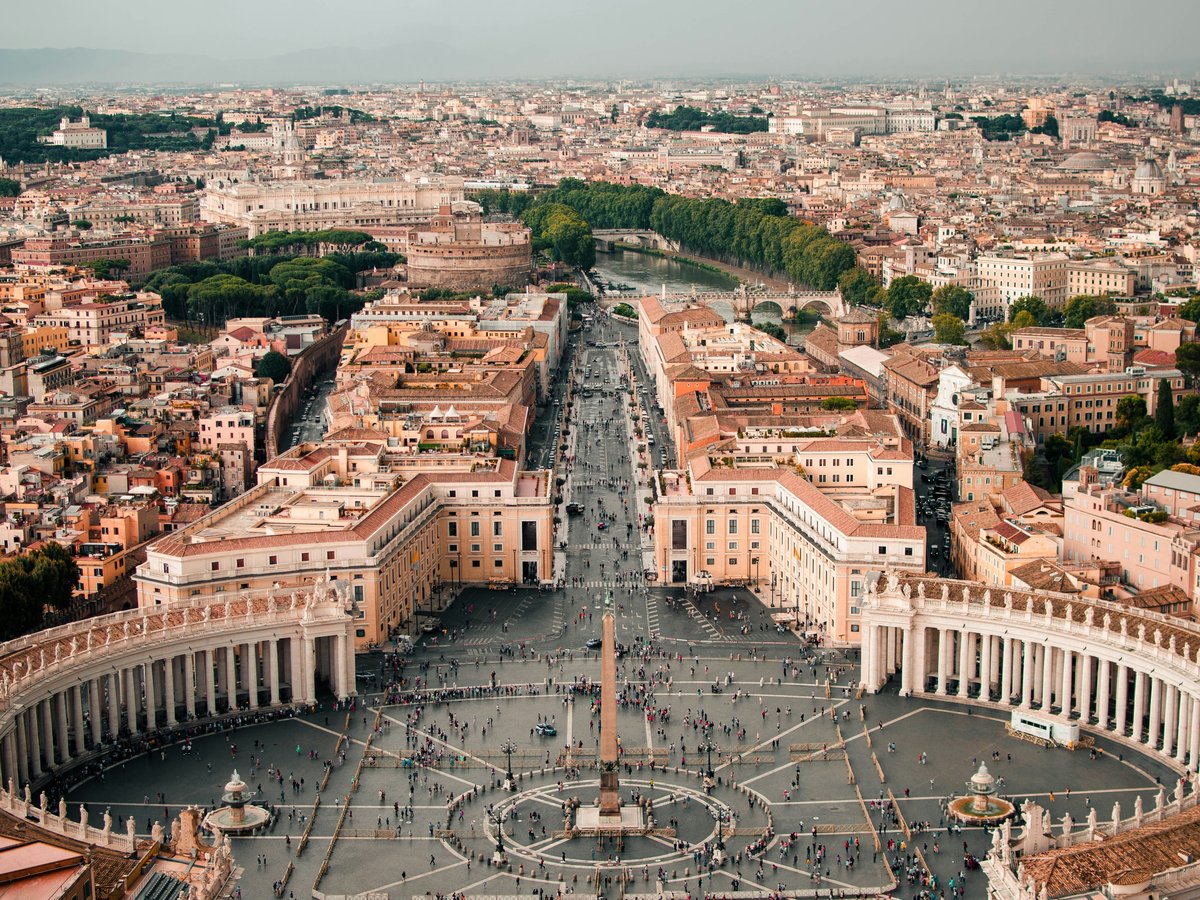
Inside the 00120 postal area, Vatican City is the Holy See's independent state, an enclave within Rome. As a state it dates from 1929, and the whole territory carries a UNESCO World Heritage designation. Its address of record is Viale dell'Aquilone. We wouldn't try to fit it into a lunch break between other sights. It is a country, and it deserves a day of its own, an unhurried one, with water in your bag and no fixed exit time. You cross from Rome into another jurisdiction without showing a passport, and the noise of the city drops away almost at once. Notices and practical updates appear on the official site, vaticanstate.va.
Dates from 1929 · UNESCO World Heritage Site
-
3 Colosseum
Piazza del ColosseoThe ancient Roman amphitheatre dating from AD 82, a landmark of Rome
Dating from AD 82, the Colosseum is the ancient Roman amphitheatre that serves as Rome's landmark, and it stands on Piazza del Colosseo. Its hours shift with the seasons: from 29 March to 30 September it opens 08:30 to 19:15, from 1 October to 24 October 08:30 to 18:30, and from 25 October through February 08:30 to 16:30. It closes on 1 January and 25 December. Skip the midday slot in summer, when the heat and the queues peak together. We find the arena reads best in the last hour, when the light goes low and the crowds thin. It is protected as Italian national heritage, and the phone line is +39-06-774-0091.
Dates from AD 82 · Italian national heritage
-
4 Trevi Fountain
Piazza di Trevi, RomaA Baroque fountain dating from 1732
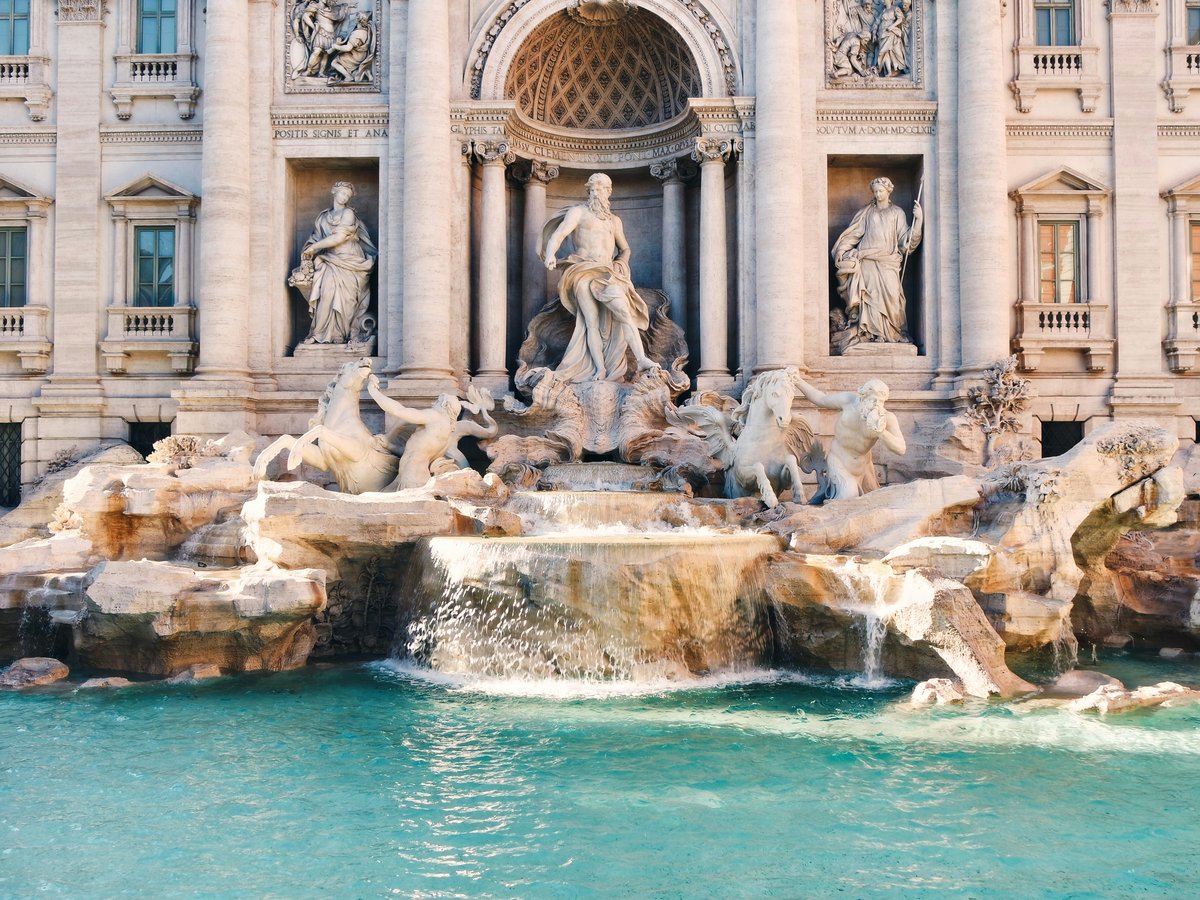
The Baroque Trevi Fountain stands on Piazza di Trevi, and it dates from 1732. It has drawn a crowd for most of the time since then, and it will draw one the hour you arrive. Skip the midday scrum at the front railing, where you will spend more time guarding your phone than looking at the stone. We find the square at its best very late at night or very early in the morning, when you can hear the water over the voices and see the carving without a hundred raised arms in front of it. Stand back, take in the whole composition, then go closer. For anything practical, the fountain has its own website at trevifountain.net, and the 1732 date is your reminder that this is a monument, not a backdrop.
Dates from 1732
-
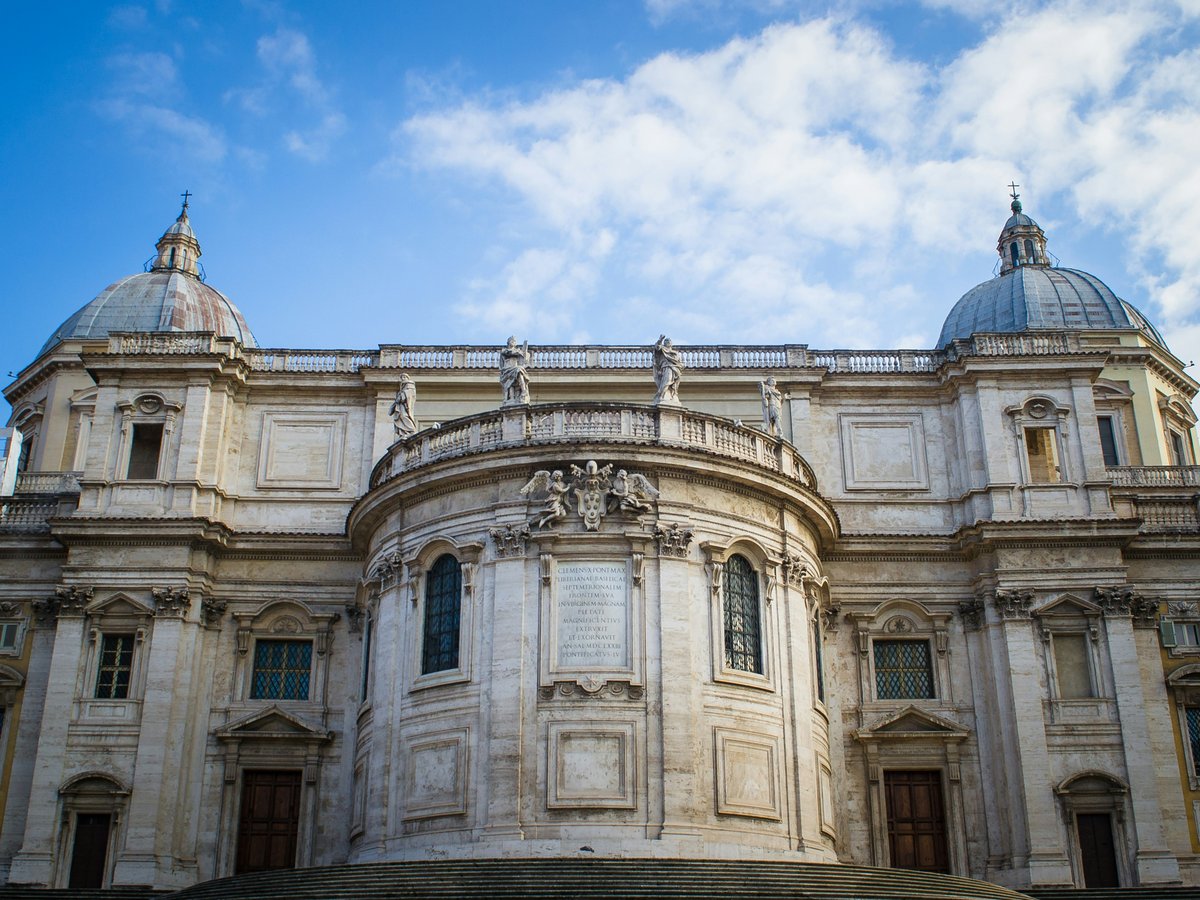
5 Basilica di Santa Maria Maggiore
Piazza di Santa Maria Maggiore, Roma, 00185The largest Catholic Marian church in Rome
The Basilica di Santa Maria Maggiore is the largest Catholic Marian church in Rome. You'll find it on Piazza di Santa Maria Maggiore in the 00185 postal area, and it is part of a UNESCO World Heritage Site. The doors are open from 07:00 to 19:00 every day, which means you can take it at a proper pace rather than rushing. Romans tend to favour it over the headline sights on this list, and they have a point: you get the full scale of a great basilica without the queueing. Go early, take a seat for ten minutes, and let your eyes adjust before you start reading the walls. Service times and any closures are listed at basilicasantamariamaggiore.va.
Part of a UNESCO World Heritage Site
Hours: Mo-Su 07:00-19:00
-
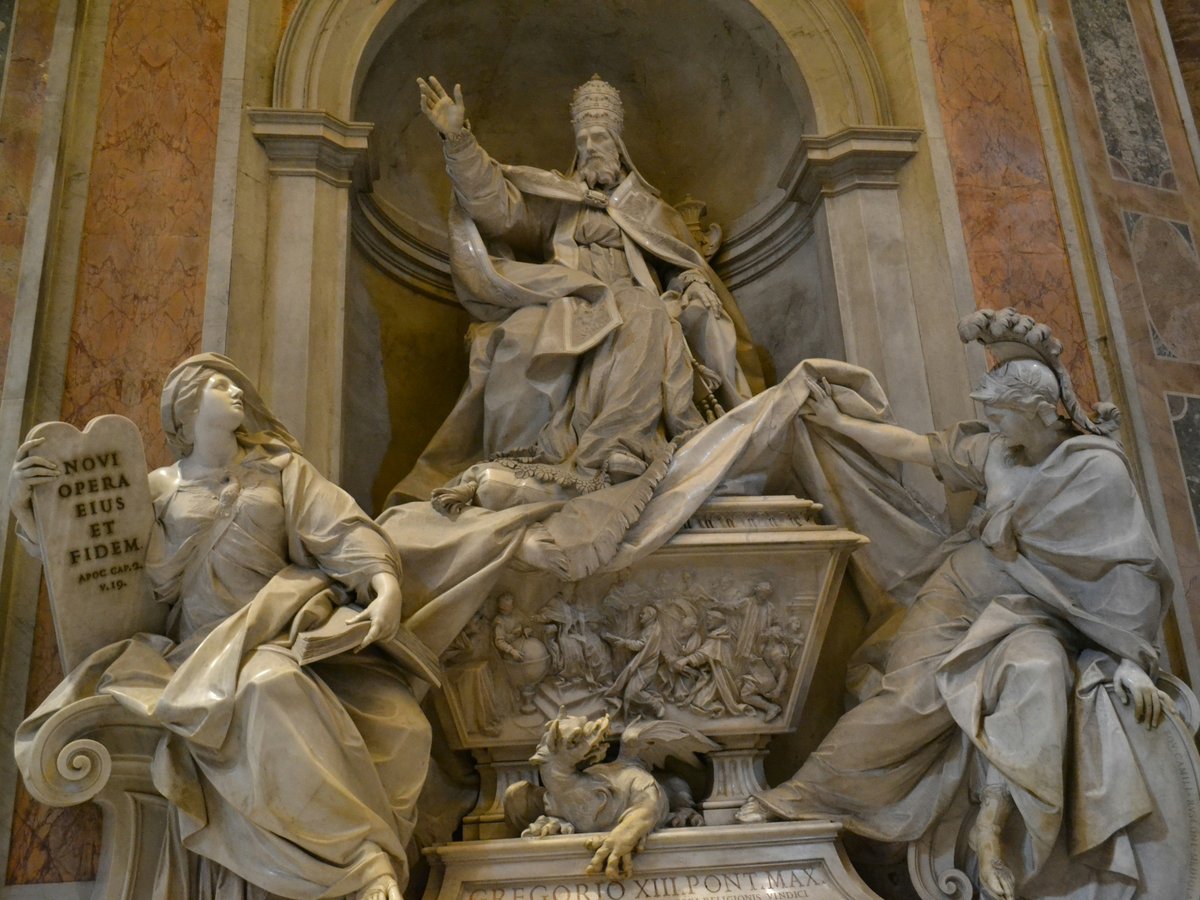
6 Archbasilica of St. John Lateran
Piazza di San Giovanni in Laterano, Roma, 00184A cathedral in Rome, part of a UNESCO World Heritage Site
On Piazza di San Giovanni in Laterano in the 00184 postal area stands the Archbasilica of St. John Lateran, a cathedral in Rome and part of a UNESCO World Heritage Site. Too many visitors leave the city without seeing it. The doors open daily at 07:00 and close at 18:30, earlier than most people expect, so don't save it for a spare hour at the end of the day. Make it a morning stop instead, when the piazza is quiet and the interior is yours. Check the official site, basilicasangiovanni.va, for services that may limit access. Of the great churches on this list, this one rewards the visitor who plans ahead.
Part of a UNESCO World Heritage Site
Hours: Mo-Su 07:00-18:30
-
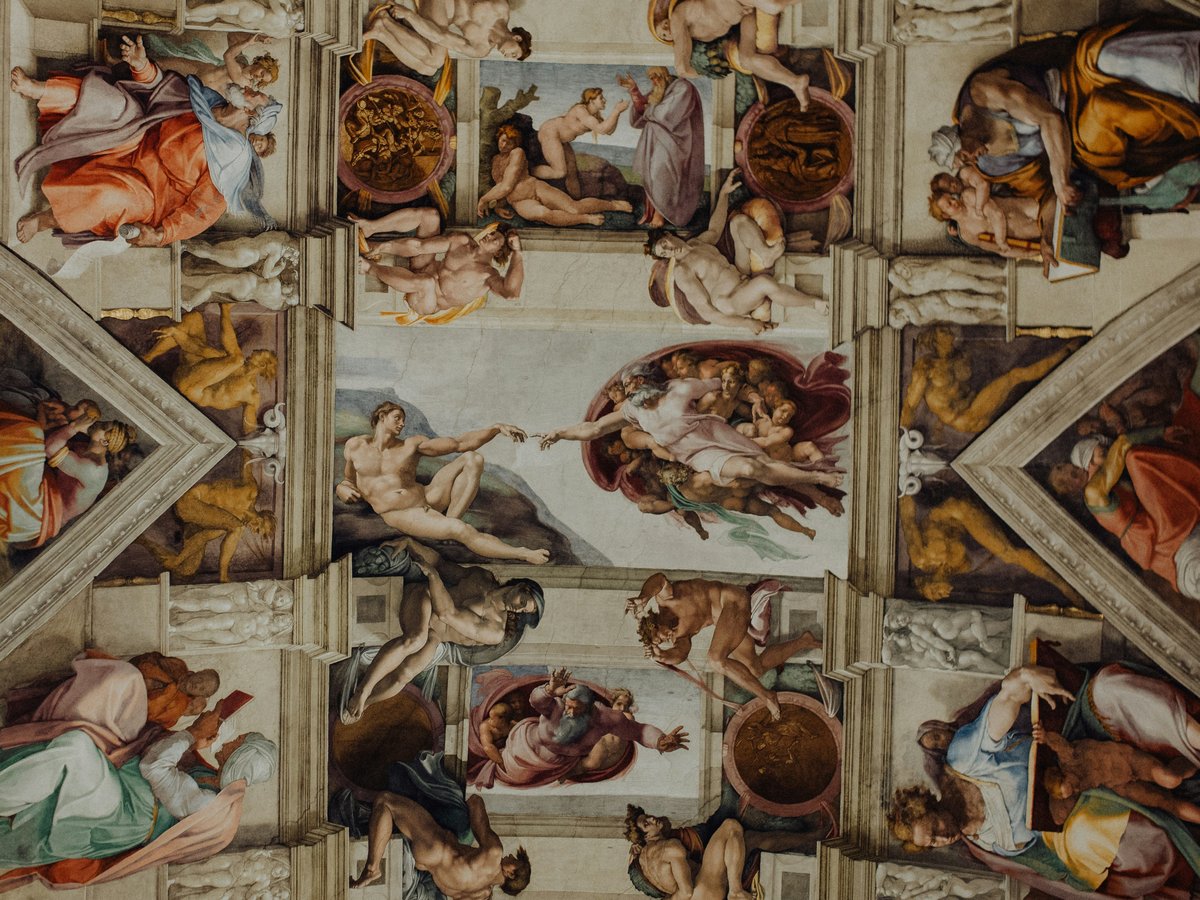
7 Sistine Chapel
A chapel in the Apostolic Palace dating from 1473
Dating from 1473, the Sistine Chapel is a chapel in the Apostolic Palace in Vatican City. Hours run from 08:00 to 20:00, Monday to Saturday, and the official site is museivaticani.va. Avoid the late-morning peak, when the room packs shoulder to shoulder and the guards hush the crowd every few minutes. Locals know the slots closest to opening are the ones where you can stand still and look up for long enough to take it in. Allow time for the walk in, and leave room in your day for sitting down afterwards. For questions before you go, the phone line is +39-06-6988-4676.
Dates from 1473
Hours: Mo-Sa 08:00-20:00
-
8 Castel Sant'Angelo
Lungotevere Castello, 50A castle and museum that was the imperial mausoleum of the emperor Hadrian
Late light glows on the walls of Castel Sant'Angelo at Lungotevere Castello, 50. It began as the imperial mausoleum of the emperor Hadrian and the Roman emperors who followed him, dating from AD 139, and in the centuries since it has been a tomb, a fortress, and now a castle and museum. Very few buildings anywhere carry that kind of layering, and you can read each chapter as you move through it. It opens daily at 09:00 and closes at 19:30, and Romans tend to come later in the day, which that closing time allows, so skip the morning rush and come once the day's sightseeing is done. It is protected as Italian national heritage.
Dates from AD 139 · Italian national heritage
Hours: Mo-Su 09:00-19:30
-
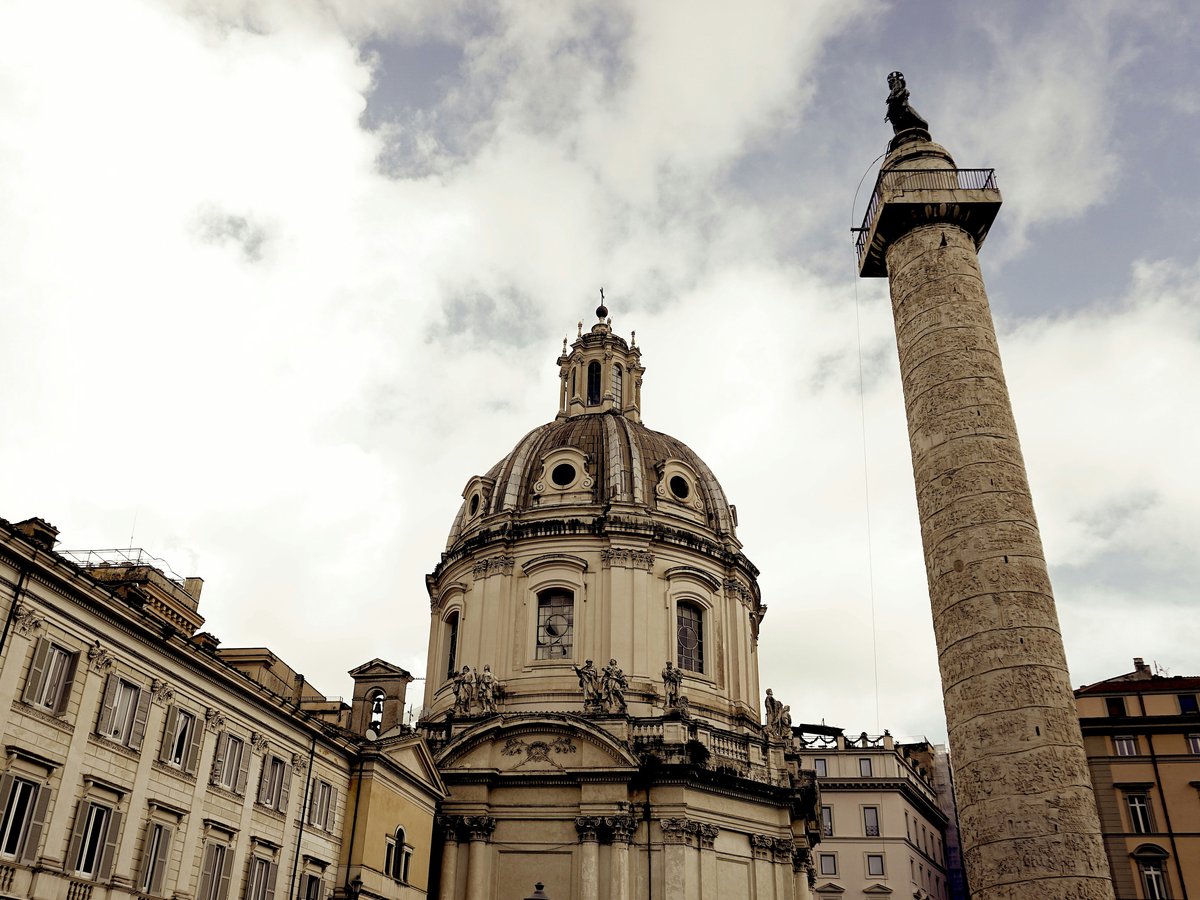
9 Trajan's Column
Foro Traiano, Roma, 00187An ancient Roman victory column dating from AD 113
Trajan's Column stands at Foro Traiano, 00187, a landmark of Rome that dates from AD 113 and has stood through everything the city has done around it since. Don't book a tour for this one. Stand at the base, walk slowly around it, and give it ten unhurried minutes; a single monument is easier to take in than a sprawling site, and it repays that attention. It is a good palate cleanser between bigger, busier stops, and you can fit it into a walk without planning your day around it. Come back in a different light if you can.
Dates from AD 113
-
10 Basilica of Saint Paul outside the Walls
1 Piazzale San Paolo, Roma, 00146A church in Rome dating from AD 386, part of a UNESCO World Heritage Site
Most visitors never make the trip out to the Basilica of Saint Paul outside the Walls, at Piazzale San Paolo, 00146, and that is their loss. This church in Rome dates from AD 386 and is part of a UNESCO World Heritage Site. Don't save it for a rainy afternoon at the end of your stay. Go early, when the doors open at 07:00, and you may have long stretches of it to yourself before they close at 18:30; the effort of getting there filters the crowd, and the calm is part of the experience. Check the Vatican's page for the basilica before you go.
Dates from AD 386 · Part of a UNESCO World Heritage Site
Hours: 07:00-18:30
-
11 Pantheon
Piazza della Rotonda, 00186 Roma RMAn ancient Roman temple, protected as Italian national heritage
Every voice echoes under the roof of the Pantheon on Piazza della Rotonda, 00186 Roma. An ancient Roman temple protected as Italian national heritage, it is the one building on this list that most visitors walk out of wanting to see again. Hours run 08:30 to 19:15 Monday to Saturday and 09:00 to 17:45 on Sunday. Avoid the hour after lunch, when tour groups arrive in waves and the floor turns into a slow shuffle. The 08:30 opening is the quiet window, and the light is kinder then too. For anything you need to confirm before you go, the phone line is +39-06-6830-0230.
Italian national heritage
Hours: Mo-Sa 08:30-19:15; Su 09:00-17:45
-
12 San Pietro in Vincoli
4/a Piazza di San Pietro in Vincoli, Roma, 00184A church in Rome, protected as Italian national heritage
Doors open at 08:00 at San Pietro in Vincoli, 4/a Piazza di San Pietro in Vincoli, 00184, and close again at 12:30 for a long midday break. The afternoon session runs 15:00 to 18:00, stretching to 19:00 between late March and late October. A church in Rome protected as Italian national heritage, it is the easiest place on this list to underestimate. Arriving at 13:00 to find the door shut is an easy mistake to make, so plan it as the first stop of a morning or the last of an afternoon. It is small enough that a short, unhurried visit does it justice. Confirm the hours on the official site, lateranensi.org, before you set out.
Italian national heritage
Last verified by automated review (v1.7.2_regen1016-1015-177-20261016022920) on . What is automated review?