Compare every Italy city in December →
Stay in Rome in December
80 hotels in the Trip.com pool for Rome, from US$31 a night.
Opens Trip.com on Fri 4 Dec to Sun 6 Dec 2026; change the dates there.
December in Rome is defined by one thing above all else: Christmas. The city transforms into the spiritual and aesthetic epicenter of the Catholic world, and that pull (pilgrims, tourists, Italians on holiday) means the crowds never fully thin out the way they might in, say, February. Expect daytime temperatures hovering around 13.9°C (57°F) that drop to about 5.9°C (43°F) after dark, with a persistent dampness that makes the cold feel sharper than the numbers suggest. Rain is a real factor (roughly 104mm across nine rainy days) so you'll want to plan around it rather than pretend it won't happen.
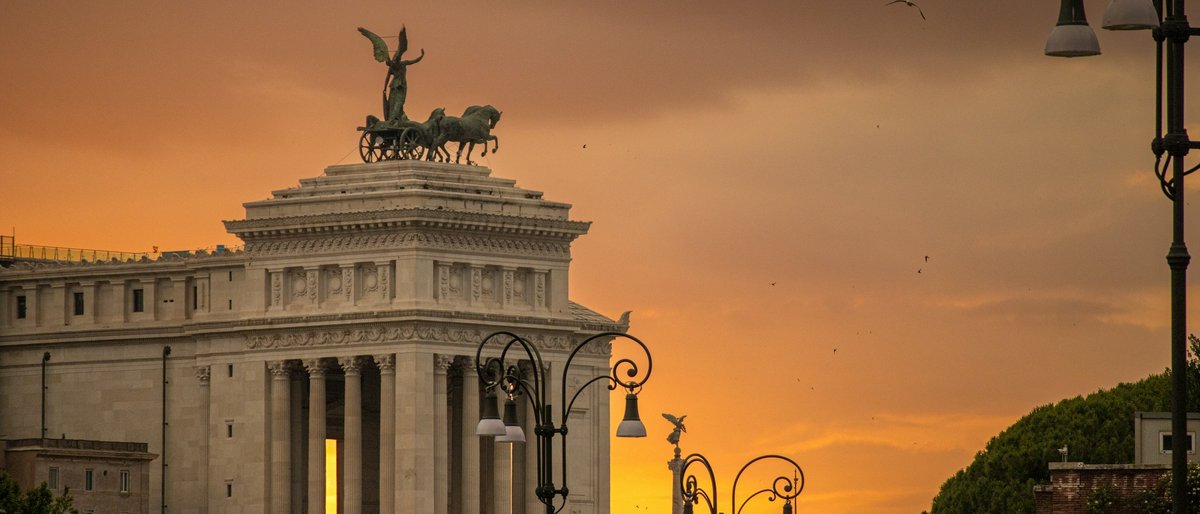
That said, there's a particular quality to Rome in winter that you won't find in the summer months. The light goes golden and low by mid-afternoon, and the stone of the ancient ruins takes on a warmth that photographs differently than under the harsh July sun. The tourist scrum at the Colosseum and Vatican is still present but noticeably less suffocating than peak summer. You can stand in the Sistine Chapel and look up without someone's elbow in your ribs. Mind you, the trade-off is shorter daylight hours (sunset comes before 5pm) and some outdoor dining terraces shut down or retreat behind plastic sheeting.
Rome in December is not a poor choice. It's a genuine good-to-fair proposition depending on your tolerance for chilly, damp weather and your interest in holiday atmosphere. If you're someone who finds Christmas markets and nativity scenes charming rather than kitschy, and you'd rather layer up than sweat through your shirt, December has real appeal. Just don't expect the Rome of postcards with blazing blue skies every day.
Why visit in December
- Christmas decorations and nativity displays (presepi) throughout the city create an atmosphere you simply cannot replicate in other months: churches compete to display the most elaborate scenes, and the tradition runs centuries deep
- Shorter queues at major sites compared to June through September; you can enter the Borghese Gallery or climb St. Peter's dome without the two-hour summer waits
- Rome's winter food culture peaks in December: heavy pastas, roasted artichokes, and holiday sweets like panettone and torrone fill every bakery and trattoria
- Hotel rates, while elevated for the holiday weeks, still sit well below July and August peaks outside the Christmas-to-New-Year's corridor
- The low winter sun creates the best photography light of the year, at the Forum and along the Tiber in late afternoon
Worth knowing
- Rain is frequent and unpredictable: 104mm across roughly nine days means you'll likely lose at least two or three afternoons to steady drizzle
- Daylight is short, with sunset around 4:40pm, which limits how much you can see outdoors before dark
- The Christmas-to-New-Year's week sees a sharp spike in both prices and crowds, around Vatican City and Piazza Navona
- Some outdoor attractions and garden sites reduce hours or close sections entirely: the Palatine Hill and Villa Borghese gardens are less rewarding when it's grey and wet
Best for
Think twice if
December in Rome feels like proper winter, though without the bite of northern Europe. Daytime temperatures tend to hover around 13.9°C (57°F), which is comfortable enough for walking if you've layered properly, but the 83% humidity adds a clinging dampness that seems to get into your bones. Nights drop to about 5.9°C (43°F), cold enough that you'll want a proper coat for evening walks. Rain arrives in bursts (104mm over roughly nine rainy days) sometimes a grey drizzle that lasts half a day, sometimes a sharp downpour that clears within an hour. The occasional sunny day breaks through with startling clarity, and those days are worth rearranging your plans around.
Year-round climate
Averages from the last 5 years.
| Month | Avg high (°C) | Avg low (°C) | Rainfall (mm) |
|---|---|---|---|
| Jan | 13 | 5 | 76 |
| Feb | 15 | 5 | 67 |
| Mar | 17 | 7 | 98 |
| Apr | 19 | 9 | 64 |
| May | 24 | 13 | 83 |
| Jun | 31 | 19 | 38 |
| Jul | 34 | 22 | 18 |
| Aug | 33 | 21 | 45 |
| Sep | 28 | 18 | 104 |
| Oct | 23 | 14 | 79 |
| Nov | 18 | 9 | 151 |
| Dec | 14 | 6 | 104 |
Holidays and festivals in December
Public holidays
- Immaculate Conception(Immacolata Concezione)8 December 2026
- Christmas Day(Natale)25 December 2026
- St. Stephen's Day(Santo Stefano)26 December 2026
When is Christmas season in 2026?
27 November to 26 December 2026
Christmas season is a major cultural celebration in Rome. In 2026 it runs from 27 November to 26 December 2026.
Is New Year's Eve celebrated in Rome?
31 December 2026
New Year's Eve is an imported celebration in Rome rather than a local tradition, and the city marks it visibly. Our catalog lists 2 bookable New Year's Eve activities around the date.
Headline events
Christmas at the Vatican
December 24-25, with related events throughout the month
The Vatican's Christmas celebrations draw hundreds of thousands to St. Peter's Square throughout the final week of December. The highlight is midnight Mass on Christmas Eve, presided over by the Pope, but the weeks leading up feature the blessing of the Vatican Christmas tree, the unveiling of the life-size nativity scene in St. Peter's Square, and special liturgical events. Even if you're not religious, the sheer scale and solemnity of the occasion is striking: the square lit up, the choir echoing off the colonnade, the crowd hushed in a way that Rome rarely is.
Piazza Navona Christmas Market
Early December through January 6
Rome's signature holiday market fills one of the city's most theatrical baroque piazzas from early December through Epiphany (January 6). Stalls sell handmade nativity figures, torrone, roasted chestnuts, and cotton candy: it's chaotic and loud and smells like sugar and woodsmoke. The real draw is the atmosphere rather than the shopping: Bernini's Fountain of the Four Rivers lit up at night, kids running between stalls, and the sound of zampognari (bagpipe players from the mountains) drifting across the square. Locals tend to roll their eyes at it, but for a first-time visitor, it captures something specific about Roman Christmas.
Best things to do in December
Explore Rome's nativity scene tradition (presepi)
cultureRoman churches have been creating elaborate nativity scenes for centuries, and December is when they're all on display. The range goes from simple terracotta figures to room-sized dioramas with running water, working lights, and dozens of hand-carved figures. Some of the finest are at Santa Maria in Aracoeli on the Capitoline Hill, Santa Maria Maggiore (which claims to hold actual relics of the original manger), and the Chiesa del Gesù. Walking from church to church collecting presepi sightings is one of those activities that sounds quaint but turns into a absorbing afternoon.
Nativity scenes are only displayed from early December through Epiphany (January 6): this is a strictly seasonal tradition.Booking tipNo booking needed. Churches are free to enter, though some have restricted hours. Midmorning is usually quietest.
Attend midnight Mass at a Roman basilica
cultureYou don't need to be Catholic to appreciate the experience of midnight Mass in a Roman church on Christmas Eve. St. Peter's is the headline act (the Pope presides, and the music and ceremony are on another level) but tickets are limited and the crowds are intense. A strong alternative is one of the major basilicas like Santa Maria Maggiore or San Giovanni in Laterano, where the liturgy is equally beautiful but the atmosphere is more intimate. The singing echoing off stone walls in candlelight, the incense thick enough to taste: it's a sensory experience regardless of your beliefs.
Christmas Eve midnight Mass is obviously a December-only event, and Rome's churches pull out all the stops for it.Booking tipFor St. Peter's, free tickets are available through the Prefecture of the Papal Household but go quickly: request weeks in advance. Other basilicas are first-come, first-served; arrive at least an hour early.
Walk the illuminated centro storico
sightseeingRome strings lights across its major shopping streets and piazzas through December, and the effect after dark (the warm glow against old stone, the reflection off wet cobblestones) is lovely. Via del Corso is the main axis, lit end to end, but the side streets around Piazza di Spagna and the winding lanes of Trastevere have their own quieter displays. The Spanish Steps lit up at night, with the Trinità dei Monti church above, is one of those views that earns the walk in the cold.
Christmas illuminations are up from roughly late November through early January. The displays are specific to the holiday season.Visit the Vatican Museums on a quiet weekday morning
cultureDecember weekdays (in the first two weeks before the holiday rush) offer some of the shortest queues of the entire year at the Vatican Museums. You might get to stand in the Sistine Chapel and look at the ceiling without being herded through by guards. The Raphael Rooms, the Gallery of Maps, the Pinacoteca: all of it is more absorbing when you're not shuffling in a crowd. The experience of seeing the ceiling frescoes in relative quiet, with the winter light filtering in, is categorically different from the July cattle-drive version.
Early December weekdays have significantly lighter crowds than the summer months or the Christmas holiday week.Booking tipBook timed-entry tickets online at least a week ahead. Friday mornings tend to be quietest. Avoid the week between Christmas and New Year's.
Eat your way through Testaccio market and neighborhood
foodTestaccio is Rome's working-class food neighborhood, home to the old slaughterhouse district and a covered market that is a daily food hall. In December, the seasonal shift is visible: stalls pile up with winter greens like puntarelle and broccoletti, vendors sell supplì (fried rice balls) that warm your hands, and the surrounding trattorias serve the heaviest, most satisfying versions of Roman classics. It's the opposite of a tourist food tour: real neighborhood, real market, real cooking.
Winter produce peaks in December, and the hearty, meat-heavy dishes Testaccio is known for are at their most satisfying in cold weather.Booking tipThe market (Mercato di Testaccio) is open mornings through early afternoon, Monday to Saturday. Go before noon for the best selection.
Day trip to the Castelli Romani hill towns
day tripThe cluster of small towns in the Alban Hills southeast of Rome (Frascati, Castel Gandolfo, Nemi, Ariccia) makes for a rewarding December day trip. The towns are quieter than in summer, the air is crisp and clean, and the porchetta in Ariccia is still warm from the oven. Frascati's wine cellars are cozy rather than sweaty. Castel Gandolfo, the Pope's summer residence, is peaceful when the summer crowds vanish. You might get fog rolling through the volcanic lake at Nemi, which is either atmospheric or frustrating depending on your outlook.
The hill towns are tourist-free in December, and the cool weather makes the rich local food (porchetta, wine, pasta) and walking the steep streets far more pleasant than in summer heat.Booking tipTake the regional train from Roma Termini to Frascati (30 minutes). No booking needed, but check return train times: service thins out in the evening.
Browse the Via dei Coronari antique shops in holiday dress
shoppingThis narrow medieval street between Piazza Navona and the Tiber is lined with antique shops, and in December the dealers decorate their storefronts and sometimes stage special exhibitions. Walking this street in the late afternoon, when the light fades and the shop windows glow, is one of those small pleasures that won't make any top-ten list but stays with you. The dealers are generally happy to talk about their pieces, and the lack of summer tourist traffic means they have time for it.
Holiday window displays and quieter foot traffic make December one of the best months for browsing rather than just passing through.What to eat in December
On menus now
Carciofi alla giudia
Jewish-style deep-fried artichokes reach their peak season in the cooler months. The Roman artichoke (carciofo romanesco) comes into season around November and runs through spring, and December is when the first wave hits restaurant menus hard. The whole artichoke is flattened and fried until the outer leaves shatter like chips while the heart stays tender. The Jewish Ghetto neighborhood is where this dish lives, and the smell of frying artichokes in the cold air is one of December Rome's defining sensory details.
Abbacchio al forno
Roast lamb (specifically young milk-fed lamb) is a Roman winter staple that appears on trattoria menus as temperatures drop. December is when this dish feels right: the rich, slightly gamy meat paired with roast potatoes and rosemary, eaten in a warm dining room while rain taps the windows. It's hearty in a way that Roman summer cooking deliberately avoids.
Brodo con tortellini
Tortellini in broth is the traditional Italian Christmas first course, and while it's technically an Emilian dish, Roman families adopt it enthusiastically for their holiday meals. The broth is clear, rich, and golden (capon or hen, simmered for hours) and the tiny stuffed pasta floats in it. On a cold December evening, it's the kind of dish that makes you understand why Italians take their food culture so seriously.
Street food peaks
Caldarroste
Roasted chestnuts sold from smoking braziers by street vendors. The smell (sweet, smoky, slightly burnt) is as much a part of December Rome as the Christmas lights. You'll find vendors near the major piazzas and tourist areas. They come in a paper cone, hot enough to warm your hands before you eat them. Some are mealy, some are perfect. That's the gamble.
Festival food
Panettone and pandoro
Italy's great Christmas cake debate (the Milanese panettone versus the Veronese pandoro) dominates every bakery, bar, and supermarket from late November. In Rome you'll find both, often from artisan bakeries that put their own spin on the recipes. The good ones are legitimately delicious: panettone with its candied fruit and airy crumb, pandoro dusted in vanilla sugar. Romans have strong opinions about which is superior. Ask at your peril.
Torrone
This nougat confection (made from honey, egg whites, and toasted almonds or hazelnuts) shows up at every Christmas market and in every pasticceria window. The hard, crunchy variety cracks between your teeth; the soft kind melts. It's the taste of Italian Christmas the way gingerbread is for northern Europe, and December is the only month you'll find the full range of regional varieties in one place.
Regular events in December
Feast of the Immaculate ConceptionFree
On December 8, Rome observes this important Catholic feast day. The Pope traditionally visits the statue of the Virgin Mary at Piazza di Spagna to lay a wreath, drawing large crowds. It's a public holiday in Italy, so expect shops to close and public transport to run on a reduced schedule, but churches will be open and active.
December 8Rome Jazz Festival winter programming
The Auditorium Parco della Musica, Renzo Piano's striking concert complex in the Flaminio neighborhood, runs winter jazz and music programming through December. The lineup varies year to year but reliably includes international and Italian acts in an acoustically superb venue.
Throughout DecemberSanto Stefano (St. Stephen's Day)Free
December 26 is a public holiday across Italy. Most shops and many restaurants close, though tourist-oriented ones stay open. It's a quiet day in Rome (families tend to stay home) so it can be a good day to visit outdoor sites if the weather cooperates, since foot traffic drops.
December 26New Year's Eve concerts and fireworksFree
Rome hosts a large free concert in the Circus Maximus area on New Year's Eve, with fireworks at midnight. The event draws enormous crowds, and the atmosphere is rowdy and festive. Smaller parties and concerts happen across the city. Romans also follow the tradition of eating lentils and cotechino (pork sausage) at midnight for good luck.
December 31100 Presepi exhibition
This long-running exhibition gathers nativity scenes from across Italy and around the world, typically displayed in a central Rome venue. It's a curated look at the presepe tradition, from folk art to contemporary interpretations, and it gives you a sense of how deep and varied this craft runs in Italian culture.
Late November through early JanuaryBest places this December
Piazza Navona
piazzaThe baroque piazza becomes the center of Rome's Christmas market scene, with stalls, lights, and street performers. Bernini's fountains look striking lit up at night with the market busy around them. Go in the evening when the atmosphere peaks: the smell of roasting chestnuts and sugar mixes with the cold air.
Centro StoricoTrastevere
neighborhoodThis neighborhood across the Tiber is atmospheric year-round, but in December the narrow cobblestone streets hung with lights, the warm glow from trattoria windows, and the relative quiet compared to summer make it appealing for evening walks and dinner. The church of Santa Maria in Trastevere is worth ducking into for its golden mosaics, which seem to glow more intensely in the candlelit winter interior.
TrastevereSanta Maria in Aracoeli
churchThis church atop the Capitoline Hill houses one of Rome's most beloved Christmas traditions: the Santo Bambino, a figure of the infant Jesus that children come to 'visit' and recite poems to during the holiday season. The steep brick staircase up to the church, built as a plague offering in 1348, is itself a minor pilgrimage in the cold December air.
CampitelliVilla Borghese gardens
parkOn a clear December day, the park offers some of the best walking in Rome: mostly empty, the plane trees bare, the light filtering low and golden through the branches. The view from the Pincio terrace over Piazza del Popolo to St. Peter's dome is fine in the clear winter air, and you'll likely have it mostly to yourself on a weekday.
PincianoThe Jewish Ghetto
neighborhoodOne of Rome's oldest continuously inhabited neighborhoods, and in December it's where you go for the best fried artichokes and Roman-Jewish cuisine. The area around Via del Portico d'Ottavia is compact and walkable, anchored by the ruins of the Portico of Octavia and the Great Synagogue. Restaurants here are busy but less frantically so than in summer, and the winter menu (artichokes, fried cod, ricotta cake) is the neighborhood at its culinary best.
Sant'AngeloMercato di Testaccio
marketRome's best food market, housed in a modern covered structure in the Testaccio neighborhood. December brings winter produce (dark leafy greens, citrus, root vegetables) alongside the year-round supplì, porchetta, and fresh pasta stalls. It is both a market and a casual food hall where you can eat a standing lunch of seasonal Roman dishes.
TestaccioAppian Way (Via Appia Antica)
historical siteThe ancient road heading south from the city is lined with ruins, tombs, and umbrella pines, and in December it's nearly deserted compared to spring and fall. The cool air and low light make it good for a long walk or bike ride, and the catacombs along the route (San Callisto, San Sebastiano) are atmospheric in the chill. Wear sturdy shoes: the original Roman basalt paving stones are uneven and can be slippery when damp.
Appio-Latino
Your packing checklist
Tick items off as you pack. Your progress saves in this browser.
All packed — have a great trip.
Insider tips
The December 8 Feast of the Immaculate Conception is a public holiday, and most Romans treat it as the unofficial start of the Christmas season. Shops close, but churches are all open and active. If you happen to be in Rome on this date, head to Piazza di Spagna in the afternoon to watch the Pope's wreath-laying: it's a free, fairly intimate event by Vatican standards.
For presepi (nativity scene) hunting beyond the famous churches, walk the side streets of the Centro Storico: many small workshops and even residential buildings set up nativity displays in their windows or courtyards. Via del Governo Vecchio and the lanes around Campo de' Fiori often have surprises. It's the kind of thing you can only find by walking slowly and looking.
If you want to eat at a popular trattoria during the holiday weeks, book at least three days ahead. Romans eat out heavily between Christmas and New Year's, and the good neighborhood places fill up with locals celebrating. Roscioli, Armando al Pantheon, and Da Enzo in Trastevere are hard to get into without a reservation.
The Auditorium Parco della Musica in Flaminio is worth the tram ride even if you don't attend a concert. The building itself is striking, there's usually a small Christmas market in its plaza, and the on-site bookshop and café are good refuges on a rainy afternoon. Check their December schedule: tickets for smaller shows are often available day-of.
Avoid the sit-down restaurants immediately flanking major tourist sites (Piazza Navona, the Pantheon, Trevi Fountain). The markup is steep and the quality is reliably mediocre. Walk two or three blocks in any direction and the price-to-quality ratio improves dramatically. This applies year-round, but in December the tourist-trap places also tend to be cold and uncomfortable since they're trying to seat you outdoors under heat lamps.
Avoid these mistakes
- Planning a full outdoor sightseeing day without a rain backup plan. With nine rainy days on average, you'll almost certainly hit at least one. Have a list of museums and indoor sites ready to swap in: the Palazzo Doria Pamphilj, the Capitoline Museums, and the MAXXI contemporary art museum are all excellent wet-weather options.
- Visiting Vatican City between Christmas and New Year's expecting light crowds. This is one of the busiest weeks of the year at St. Peter's, and the security lines compound the wait. If your dates are flexible, visit the Vatican in the first or second week of December instead.
- Underestimating how early it gets dark. Sunset is around 4:40pm, and the transition from afternoon to evening is fast. If there's an outdoor site you want to see in daylight (the Forum, the Palatine Hill, the Appian Way) go in the morning or early afternoon. By 3:30pm the light is already fading.
- Packing for mild Mediterranean weather because 'it's Italy.' December in Rome is legitimately cold and damp. People show up in light jackets and spend the trip uncomfortable. Bring real winter layers: you'll be glad for every one of them during an evening walk along the Tiber.
Practical tips for December
December has two distinct pricing and crowd phases: early December (1st through roughly the 19th) is calmer and more affordable, while the Christmas-to-New-Year's corridor (December 20 through January 2) sees a significant spike in both. If you have flexibility, the first two weeks offer better value and shorter queues at nearly every attraction.
Churches are free to enter but enforce a dress code (covered shoulders and knees) which in December you'll likely meet by default given the weather. Carry a scarf as backup.
Public holidays on December 8, 25, 26, and January 1 affect shop hours and public transport. Many restaurants close on Christmas Day itself, and those that stay open typically serve a fixed holiday menu at a premium. Book Christmas Eve and New Year's Eve dinners well in advance: walk-ins during the holiday week are a gamble.
Rome's Metro runs slightly reduced evening service on major holidays. Buses continue but on holiday schedules. Taxis are available but harder to hail on Christmas Eve and New Year's Eve: use the app (itTaxi or FreeNow) rather than hoping to flag one down.
Book any Vatican visit (museums and/or basilica dome climb) online with timed entry. This matters even more in December because the opening hours are shorter than summer, and the holiday week concentrates visitors into fewer available slots.
FAQ
Is December a good time to visit Rome?
It's a solid time if you're prepared for the weather and interested in the Christmas atmosphere. Temperatures sit around 13-14°C (57°F) during the day and drop to about 6°C (43°F) at night, with frequent rain. You'll need proper winter layers and rain gear. The trade-offs are real: shorter daylight, damp cold, and some outdoor dining shutdowns. But the lighter crowds at major museums ( early December), the holiday decorations, the seasonal food, and the unique presepi tradition make it a rewarding month. It's not the best month (that honor likely goes to April or October) but it's far from the worst.
What is the weather like in Rome in December?
Cool, damp, and variable. Average highs reach about 13.9°C (57°F) and lows settle around 5.9°C (43°F). Humidity runs high at 83%, which makes the cold feel more penetrating than the numbers alone would suggest. Expect roughly 104mm of rainfall spread across nine days: some drizzly grey stretches, some sharp showers that pass quickly. You'll also get clear, crisp days with blue skies, and those days are beautiful. Snow in Rome is extremely rare: it happens perhaps once or twice a decade and causes citywide chaos when it does.
Is Rome crowded in December?
It depends on when in December. The first two weeks are noticeably quieter than summer, and you'll find shorter lines at the Vatican Museums, the Colosseum, and the Borghese Gallery. Things shift sharply around December 20 as Italian schools break for the holidays and international visitors arrive for Christmas. The week between Christmas and New Year's is busy: around Vatican City, Piazza Navona, and the main shopping streets. New Year's Eve itself is chaotic in the center. If crowd avoidance is a priority, aim for early December.
What should I wear in Rome in December?
Layer for cold and damp. A warm, water-resistant outer coat is essential: temperatures with the humidity and wind can feel colder than the 6-14°C (43-57°F) range suggests. Underneath, wool or merino base layers and a fleece or sweater give you flexibility as you move between cold outdoor sites and heated interiors. Waterproof shoes with good grip are critical on the wet cobblestones. Add a scarf, light gloves, and a compact umbrella. You'll be comfortable walking all day if you dress for it, miserable if you don't.
Are Christmas markets worth visiting in Rome?
The Piazza Navona Christmas market is the big one, and opinions are split. It's lively, atmospheric, and undeniably pretty: Bernini's fountains lit up with market stalls and the smell of roasted chestnuts and sugar around the square. But the goods for sale are largely tourist-oriented, and locals tend to view it as overpriced and overcrowded. That said, if you've never seen it, go once in the evening for the atmosphere and maybe grab some torrone. Just don't expect the craft-focused quality of German or Austrian Christmas markets. For better food market experiences, try the Mercato di Testaccio instead.
Things to Do in Rome in December
 Free cancellation
 Rome 3 in 1 Cooking Class: Fettuccine, Ravioli & Tiramisu
Cooking class: 3 hours, free cancellation.
via Viator Free cancellation
 Pompeii, Amalfi Coast and Positano Day Trip from Rome
Day trip: 13 hours, free cancellation.
via Viator Free cancellation
 Pompeii from Rome with Optional Mt. Vesuvius & Pizza Lunch
Day trip: 12 hours, free cancellation.
via Viator Free cancellation
 Rome Pasta and Tiramisu Class: Ravioli, Fettuccine & Fine Wine 5*
Cooking class: 3 hours, free cancellation.
via Viator Free cancellation
 Learn to Make Pasta & Tiramisu with Wine and Limoncello Included
Cooking class: 2 hours, free cancellation.
via Viator Free cancellation
 Rome on a Golf Cart Semi-Private Tour Max 6 with Private Option
City tour: 3 hours, free cancellation.
via ViatorFind a flight to Rome
Live fares to Rome appear here once cookies are accepted.
Last verified by automated review (v1.7.1) on . What is automated review?