Stay in Mumbai in May
77 hotels in the Trip.com pool for Mumbai, from US$10 a night.
Opens Trip.com on Fri 7 May to Sun 9 May 2027; change the dates there.
The first thing to know about Mumbai in May is the humidity. Daytime temperatures sit around 33°C (91°F), which reads as manageable until you step outside and feel 74% humidity wrap around you like a warm, damp cloth. The air barely cools after dark, with lows near 27°C (81°F), and the pre-monsoon tension is real. About 8 rain days deliver roughly 97mm through the month, a fraction of the 856mm that July brings, but enough to signal that the monsoon is close.
The honest case for visiting anyway starts with one word. Mangoes. May is peak Alphonso season, and Mumbai is the center of India's Hapus obsession. Fruit stalls from Mahatma Jyotiba Phule Mandai in Fort to the lanes of Bandra West pile high with golden crates from Ratnagiri and Devgad on the Konkan coast. Aam ras appears on every Gujarati thali menu in Girgaon. Falooda vendors along Mohammed Ali Road add mango to everything. For food-focused travelers, this is a genuine draw, not a consolation prize.
May also brings the lowest tourist crowds of the year and off-season hotel rates that tend to run 30-40% below the November-February peak. Maharashtra Day on May 1st fills Marine Drive with parades and cultural programs. But if your dates are flexible, November through February is a more comfortable experience for walking the city. May is for people who have a reason to be here, and the mango might be reason enough.
Why visit in May
- Peak Alphonso mango season. Hapus from Ratnagiri and Devgad hit their sweetest in May, and prices drop as supply peaks at markets like Crawford Market and Dadar's wholesale fruit stalls.
- Tourist crowds at their annual low. You'll find shorter queues at Elephanta Caves, the CSMVS museum in Fort, and the Gateway of India, where December might mean a 45-minute wait for a ferry ticket.
- Hotel rates in neighborhoods like Colaba and Bandra commonly drop 30-40% below peak-season pricing, and last-minute availability is rarely a problem.
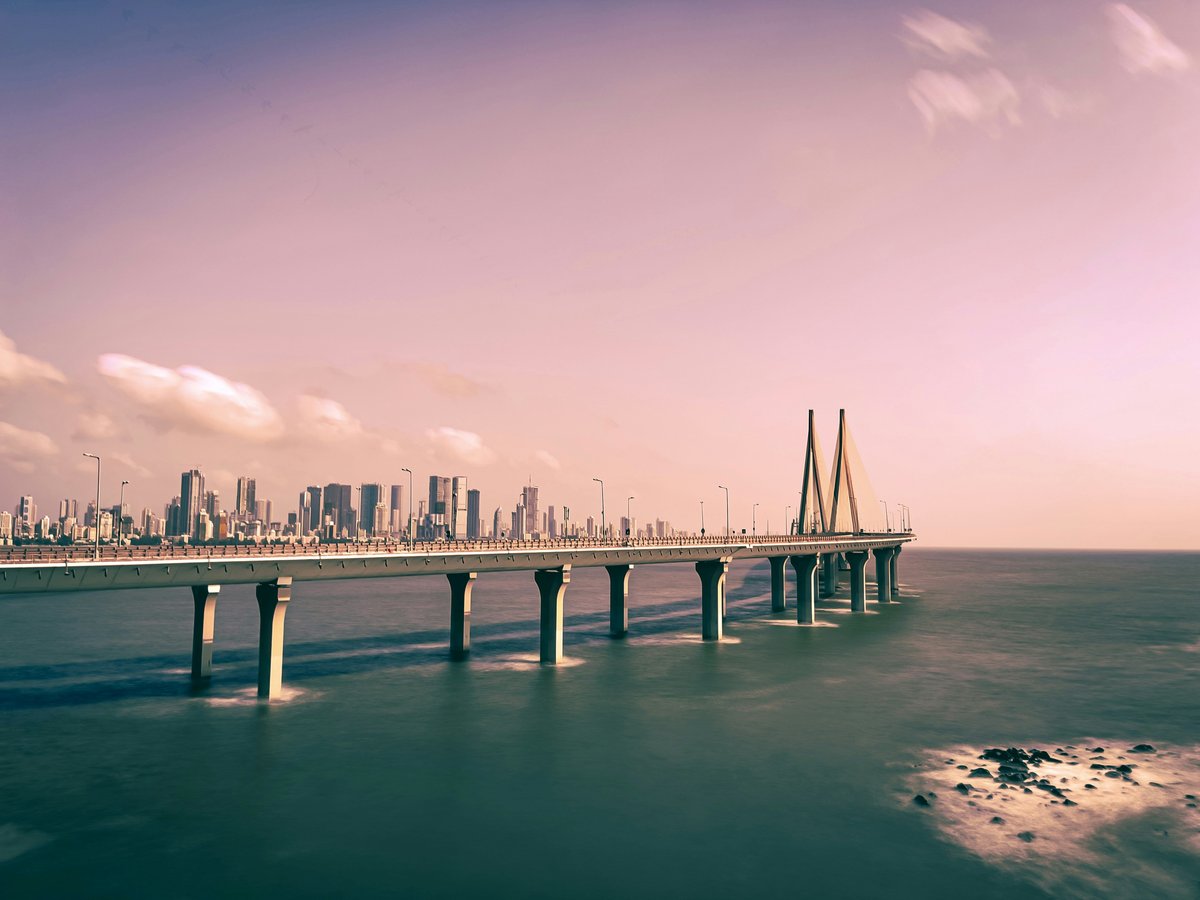
- Pre-monsoon sunsets along Worli Sea Face and Marine Drive can be dramatic, with towering cumulonimbus formations building on the western horizon as the monsoon approaches.
Worth knowing
- The 74% humidity transforms 33°C (91°F) days into a feels-like temperature above 40°C (104°F). Nights at 27°C (81°F) offer limited relief, and you will sweat through clothing within minutes of stepping outside.
- Pre-monsoon downpours hit about 8 days in May. They tend to be sudden and intense, sometimes flooding low-lying junctions like Hindmata and parts of Sion within an hour.
- Many Mumbaikars leave for hill stations like Lonavala and Mahabaleshwar on May weekends, so some smaller restaurants and shops in residential neighborhoods reduce hours or close entirely.
- Outdoor sightseeing is confined to roughly 6-9 AM and 5-7 PM windows. The midday hours are genuinely uncomfortable for walking.
Best for
Think twice if
May marks Mumbai's transition from dry heat toward monsoon. Daytime highs average 33°C (91°F) and overnight lows hover near 27°C (81°F), though 74% humidity pushes the feels-like temperature well above 40°C on most afternoons. Around 8 days bring rain, totaling roughly 97mm for the month. These tend to arrive as sharp afternoon thunderstorms lasting 30-60 minutes rather than steady drizzle. The sky often carries a milky haze from heat and moisture, though dramatic cloud formations build on the western horizon at sunset as the monsoon edges closer.
Seasonal caution
- Heat index regularly exceeds 40°C (104°F) through May due to 33°C temperatures combined with 74% humidity. Heatstroke and dehydration are real risks for visitors not acclimatized to tropical conditions. Carry water at all times and limit midday outdoor exposure to 15-20 minutes.
- Pre-monsoon thunderstorms develop quickly in the afternoon, sometimes producing intense rain with limited warning. Low-lying areas around Hindmata junction, parts of Sion, and sections of the Western Express Highway are prone to waterlogging that can strand commuters and taxis for hours.
Year-round climate
Averages from the last 5 years.
| Month | Avg high (°C) | Avg low (°C) | Rainfall (mm) |
|---|---|---|---|
| Jan | 30 | 19 | 2 |
| Feb | 32 | 20 | 0 |
| Mar | 34 | 23 | 3 |
| Apr | 34 | 25 | 1 |
| May | 33 | 27 | 97 |
| Jun | 30 | 26 | 461 |
| Jul | 28 | 25 | 856 |
| Aug | 28 | 25 | 413 |
| Sep | 28 | 25 | 478 |
| Oct | 31 | 24 | 95 |
| Nov | 33 | 22 | 7 |
| Dec | 31 | 21 | 20 |
Best things to do in May
Alphonso mango tasting at Crawford Market
foodMahatma Jyotiba Phule Mandai, still called Crawford Market by most Mumbaikars, becomes the city's mango capital in May. Wholesale vendors let you taste before buying, and you can compare Hapus from Ratnagiri, Devgad, and other Konkan origins side by side. The 1869 Norman Gothic building with Lockwood Kipling's stone friezes stays cooler than the streets outside.
Peak Alphonso supply means the widest variety, best ripeness, and lowest per-dozen prices of the entire April-June mango season.Booking tipGo before 10 AM when the wholesale section is in full swing and the freshest crates from the Konkan coast arrive.
Dawn walk along Marine Drive
sightseeingThe 3.6-kilometer arc from Nariman Point to Girgaon Chowpatty is one of Mumbai's defining walks. In May, the window between 6 and 8 AM offers tolerable temperatures, a light sea breeze off the Arabian Sea, and near-empty promenades. Local joggers and yoga groups are your main company. The Art Deco buildings catch golden light before 7 AM.
May heat makes this a dawn-only activity, but the pre-monsoon sky colors at sunrise and the absence of tourist crowds give it a quality you will not find in peak season.Elephanta Caves morning excursion
cultureThe UNESCO-listed 5th-century cave temples on Elephanta Island sit in Mumbai Harbour, a 1-hour ferry ride from the Gateway of India. The main Shiva cave houses a 6-meter-tall Trimurti sculpture carved from basalt. The cave interiors stay noticeably cooler than the open air, and the toy-train ride from the jetty to the cave entrance covers about 600 meters uphill.
Low crowds mean you can photograph the Trimurti sculpture without dozens of other visitors in frame. Take the first 9 AM ferry and return before midday heat peaks.Booking tipFerries depart from the Gateway of India. Buy tickets at the jetty. No advance booking needed in May.
Afternoon at the CSMVS museum
cultureThe Chhatrapati Shivaji Maharaj Vastu Sangrahalaya in the Fort district is Mumbai's premier museum, housed in a 1922 Indo-Saracenic building with a distinctive dome. Air-conditioned galleries cover everything from Indus Valley artifacts to Mughal miniature paintings. The surrounding gardens with mature rain trees provide welcome shade.
May's midday heat makes indoor attractions essential, and the museum is rarely crowded in off-season. You can spend real time with the miniature painting collection without feeling rushed.Booking tipAudio guides are available at the entrance. The museum cafe in the garden is a good place to wait out the 1-3 PM heat.
Evening food walk through Mohammed Ali Road
foodThe stretch of Mohammed Ali Road between Bhendi Bazaar and Minara Masjid comes alive after 7 PM with kebab stalls, malpua vendors, and haleem shops. The narrow lanes trap the smell of charcoal-grilled seekh kebabs and hot ghee. May evenings are warm but the streets are less packed than during Ramadan or the winter tourist months.
Cooler evening temperatures after 7 PM make street food walks comfortable again. Off-season means shorter waits at popular stalls that would have 30-minute queues in December.Pre-monsoon sunset photography at Worli Sea Face
photographyThe Worli seafront promenade faces west across the Arabian Sea, with the Bandra-Worli Sea Link curving north and Haji Ali Dargah on its tidal islet to the south. In late May, moisture in the atmosphere creates cloud formations that light up in oranges and deep purples. The combination of industrial skyline, sea, and building monsoon clouds is distinctive.
Pre-monsoon atmospheric moisture creates cloud structures absent in the dry winter months. Late May delivers the most dramatic skies as the monsoon edges closer.Sanjay Gandhi National Park at dawn
natureThis 104-square-kilometer park in Borivali is one of the few national parks inside a major city. The Kanheri Caves, a complex of 109 Buddhist rock-cut caves dating from the 1st century BCE, sit within the park boundary. Early morning trails offer sightings of spotted deer, bonnet macaques, and birds like the Malabar whistling thrush. The forest canopy keeps temperatures 3-4°C below the city.
Pre-monsoon May brings increased animal activity at water sources inside the park as natural pools shrink. Arrive at the 7 AM gate opening for the coolest temperatures and best wildlife sightings.Booking tipEntry tickets are purchased at the Borivali gate. The park closes at 6 PM and remains closed on Mondays.
What to eat in May
In season: fruit
Alphonso mango (Hapus)
May is peak season for India's most prized mango variety. Hapus from Ratnagiri and Devgad along the Konkan coast reach their sweetest and most fragrant now, with prices dropping as supply peaks. The scent of ripe Alphonsos at a good fruit stall is unmistakable, sweet and almost floral. You'll find them at every market, from wholesale floors in Dadar to street vendors in Bandra.
On menus now
Aam ras with puri
A Gujarati staple that appears on nearly every thali restaurant menu during mango season. Thick, creamy Alphonso pulp served alongside crisp fried puris. Restaurants along Kalbadevi Road and in Girgaon serve versions that have not changed in decades. The contrast of warm, puffed bread against cold, silky mango pulp is one of those combinations that stays with you.
Street food peaks
Mango falooda
Mumbai's falooda vendors add fresh Alphonso pulp to the classic rose-vermicelli-ice cream layered drink during May. The stalls along Mohammed Ali Road and in Bhendi Bazaar are well known for theirs. A glass comes tall, layered, and cold enough to justify standing in the heat to finish it.
What to drink
Aam panna
A tart, spiced cooler made from raw green mangoes, roasted cumin, and black salt. Street vendors and juice stalls across the city sell this as the go-to summer drink. It is genuinely refreshing in the May heat, with a sharp tanginess that cuts through the humidity.
Kokum sherbet
A deep purple cooler made from the kokum fruit native to the Konkan coast. Slightly sour, mildly sweet, served ice-cold at restaurants and street stalls across South Mumbai. Mumbaikars consider it a natural coolant, and in May's heat you might find yourself agreeing.
Regular events in May
Maharashtra DayFree
Maharashtra's state formation day commemorates the creation of the state on May 1, 1960. Parades proceed along Marine Drive and at Shivaji Park in Dadar. Government buildings fly state flags, and cultural programs run through the day. Banks and government offices close.
May 1Buddha Purnima (Vesak)Free
The full-moon celebration of Gautama Buddha's birth, typically falling in mid-May. Chaitya Bhoomi near Dadar station, a major pilgrimage site for Buddhists in Maharashtra, sees gatherings and prayer ceremonies. The Global Vipassana Pagoda in Gorai also holds special meditation sessions. This is a national public holiday.
Full moon of Vaishakha, typically mid-MayAkshaya TritiyaFree
A Hindu and Jain festival considered one of the most auspicious days for buying gold. Zaveri Bazaar in Kalbadevi sees massive queues at jewellery shops, many of which release special designs for this day. The energy around Zaveri Bazaar on Akshaya Tritiya is unlike any normal trading day.
Late April or early May, varies by Hindu calendarBest places this May
Mahatma Jyotiba Phule Mandai (Crawford Market)
marketMumbai's oldest and most atmospheric wholesale market, built in 1869 with stone bas-reliefs by Lockwood Kipling. May transforms the fruit section into a wall-to-wall display of Alphonso mangoes in wooden crates stacked head-high. The stone building stays cooler than the streets, and the market's early morning energy between 6 and 9 AM is worth setting an alarm for.
FortMarine Drive
promenadeThe 3.6-kilometer Queen's Necklace arc is best experienced at dawn in May, when the sea breeze still carries some coolness off the Arabian Sea. The Art Deco buildings along the seafront catch golden light before 7 AM. Evening visits after 6 PM also work, when the promenade fills with locals escaping apartment heat.
ChurchgateJehangir Art Gallery
galleryThis gallery in the Kala Ghoda arts district hosts rotating exhibitions of contemporary Indian art, changing roughly every 2 weeks. The air-conditioned interior and the small cafe next door make it a practical midday escape from May heat. Entry is free.
Kala GhodaNational Centre for the Performing Arts (NCPA)
performing artsMumbai's premier performing arts complex at Nariman Point runs an active May program of theatre, classical music, and film screenings in air-conditioned halls. The waterfront location catches an evening breeze. Check the monthly schedule online before your trip, as programming varies year to year.
Nariman PointPrithvi Theatre
theatreAn intimate 200-seat theatre in Juhu that has been a cornerstone of Mumbai's Hindi and English theatre scene since 1978. The Prithvi Cafe outside serves reliable coffee and snacks under the trees. May's lower demand means tickets for popular weekend shows are easier to get than in the cooler months.
JuhuSanjay Gandhi National Park and Kanheri Caves
nature and heritageA 104-square-kilometer green lung in Borivali with 109 Buddhist rock-cut caves dating from the 1st century BCE. The forest canopy keeps temperatures noticeably lower than the city. Dawn visits between 7 and 9 AM offer wildlife sightings near water holes as animals come to drink before the heat builds.
BorivaliHaji Ali Dargah
religious siteThis 15th-century mosque and tomb sits on a tidal islet connected to Worli by a narrow causeway that floods at high tide. The white marble structure against the hazy pre-monsoon Arabian Sea is striking in the low evening light. Visit during low tide, ideally in the early morning or around sunset.
Worli
Your packing checklist
Tick items off as you pack. Your progress saves in this browser.
All packed — have a great trip.
Insider tips
Alphonso prices drop by 30-40% in the last 2 weeks of May as the season winds down and supply peaks. If you time your visit for mid-to-late May, the mangoes are still excellent but vendors at Crawford Market and Dadar are eager to move stock before monsoon rains disrupt transport from the Konkan coast.
The Dadar West flower market operates from about 4 AM. In May, jasmine and tuberose sellers arrive with the freshest stock around 5 AM, and the cool predawn air carries the scent for blocks. It is one of the few outdoor experiences that is better in the hot months, because later heat wilts the flowers.
Mumbai's older Irani cafes, like Kyani and Co near Marine Lines and Britannia and Co in Ballard Estate, are worth visiting in May specifically because they are quiet. During peak tourist season these places have queues out the door. In May, you can sit with a bun maska and chai for an hour without being rushed.
If a pre-monsoon storm catches you outside, do not try to cross flooded underpasses on foot. Even ankle-deep water in Mumbai can hide open manholes. Locals know this. Duck into the nearest shop, order a cutting chai, and wait 30-45 minutes for the water to recede.
Avoid these mistakes
- Scheduling outdoor sightseeing between 11 AM and 4 PM. The combination of 33°C heat and 74% humidity creates a feels-like temperature above 40°C (104°F) that can cause heat exhaustion within 30-40 minutes of sustained walking. Plan all outdoor time before 9 AM or after 5 PM and fill midday hours with museums, malls, or restaurants.
- Packing only a rain jacket for pre-monsoon showers. A waterproof jacket in 33°C humidity will leave you wetter from sweat than you would have been from the rain. Carry an umbrella instead, and accept that your legs and feet will get wet during a downpour.
- Booking a full-day guided walking tour that runs through midday. Several tour operators sell these year-round without adjusting the schedule for season. In May, insist on a split itinerary with an indoor break from late morning to mid-afternoon, or pick an evening-only food tour through Mohammed Ali Road instead.
Practical tips for May
Book accommodation with reliable air conditioning and confirm it before paying. Budget guesthouses in Colaba and Fort sometimes run window AC units that struggle against May's overnight lows of 27°C (81°F). Mumbai's local train network (Western and Central lines) is the fastest way around the city, and May crowds are lighter than monsoon or winter months, though trains still pack tight during the 8-10 AM and 5-8 PM rush. Women should use the clearly marked ladies-only compartments, which are less crowded. If you plan to visit Elephanta Caves, check the ferry schedule at the Gateway of India the evening before, as services occasionally cancel when pre-monsoon storms are forecast. Most major museums and malls keep normal hours year-round, but smaller shops in residential areas of Bandra and Juhu sometimes close for 2-3 hours in the early afternoon during May. Carry cash in smaller denominations for street food vendors and auto-rickshaw drivers outside South Mumbai, as card acceptance drops sharply once you cross north of Bandra. The Ola and Uber apps work well for air-conditioned cab rides, and May's lower traffic compared to monsoon-waterlogged roads means journey times between South Mumbai and the western suburbs are more predictable, typically 40-60 minutes outside rush hour.
FAQ
Is May a good time to visit Mumbai?
Honestly, May is not an ideal month for most visitors. The humidity at 74% makes the 33°C (91°F) temperatures feel significantly hotter, and outdoor sightseeing is limited to early morning and evening windows. That said, May has real advantages for specific travelers. It is peak Alphonso mango season, tourist crowds are at their annual low, and hotel rates drop 30-40% below the November-February peak. If you are a food-focused traveler or a budget traveler who handles tropical heat well, May works. If you want comfortable walking weather, aim for November through February instead.
What is the weather like in Mumbai in May?
Expect average highs of 33°C (91°F) and lows of 27°C (81°F), with humidity around 74%. The combination produces a feels-like temperature that regularly exceeds 40°C (104°F) in the afternoon. About 8 days bring rain through the month, totaling roughly 97mm. These are typically sharp pre-monsoon thunderstorms lasting 30-60 minutes rather than all-day drizzle. The sky often carries a hazy, milky quality from moisture in the air, though sunsets can be dramatic.
Is Mumbai crowded in May?
May is one of Mumbai's quietest months for tourism. Major sites like Elephanta Caves, the Gateway of India, and the CSMVS museum see noticeably fewer visitors than during the November-February peak. Mumbai is still a city of over 20 million people, so local trains and markets stay busy, but tourist-specific crowding drops substantially. Hotels have wide availability, and you can often negotiate rates below the listed price at smaller properties.
What should I eat in Mumbai in May?
Alphonso mangoes are the headline. The Hapus variety from the Konkan coast reaches peak ripeness in May, and you will find them everywhere. Try aam ras with puri at a Gujarati restaurant in Girgaon or Kalbadevi. Drink aam panna and kokum sherbet from street stalls to cool down. Mango falooda from the stalls along Mohammed Ali Road is a May-specific treat. Crawford Market in Fort is the best single destination for mango variety, where vendors will let you taste before buying.
Does it rain a lot in Mumbai in May?
May gets about 97mm of rain across 8 days, which is moderate by Mumbai standards. For context, June brings 461mm and July brings 856mm, so May is still largely pre-monsoon. The rain tends to arrive as sudden afternoon or evening thunderstorms that last 30-60 minutes, not as all-day soaking. Carry an umbrella and avoid low-lying areas like Hindmata junction during downpours, as waterlogging can happen quickly even from a short burst of heavy rain.
Things to Do in Mumbai in May
 Free cancellation
 Dharavi slum tour in Mumbai by Female tour guides of the slum
Day trip: free cancellation.
via Viator Free cancellation
 Private Mumbai Sightseeing Tour (Traveller's Choice Award Winner)
Day trip: free cancellation.
via Viator Free cancellation
 Elephanta Caves & Island Guided Private Tour
Day trip: free cancellation.
via Viator Free cancellation
 Highlights of Mumbai Sightseeing Tour: TRAVELLERS CHOICE AWARDED
Day trip: free cancellation.
via Viator Free cancellation
 The Original Mumbai by Dawn - Recommended by Nigella Lawson & Nat Geo Traveller!
Day trip: 3 hours, free cancellation.
via Viator Free cancellation
 Private Mumbai Sightseeing Tour(Travellers Choice Award Winner)
Day trip: free cancellation.
via ViatorFind a flight to Mumbai
Live fares to Mumbai appear here once cookies are accepted.
Last verified by automated review (v1.7.2) on . What is automated review?