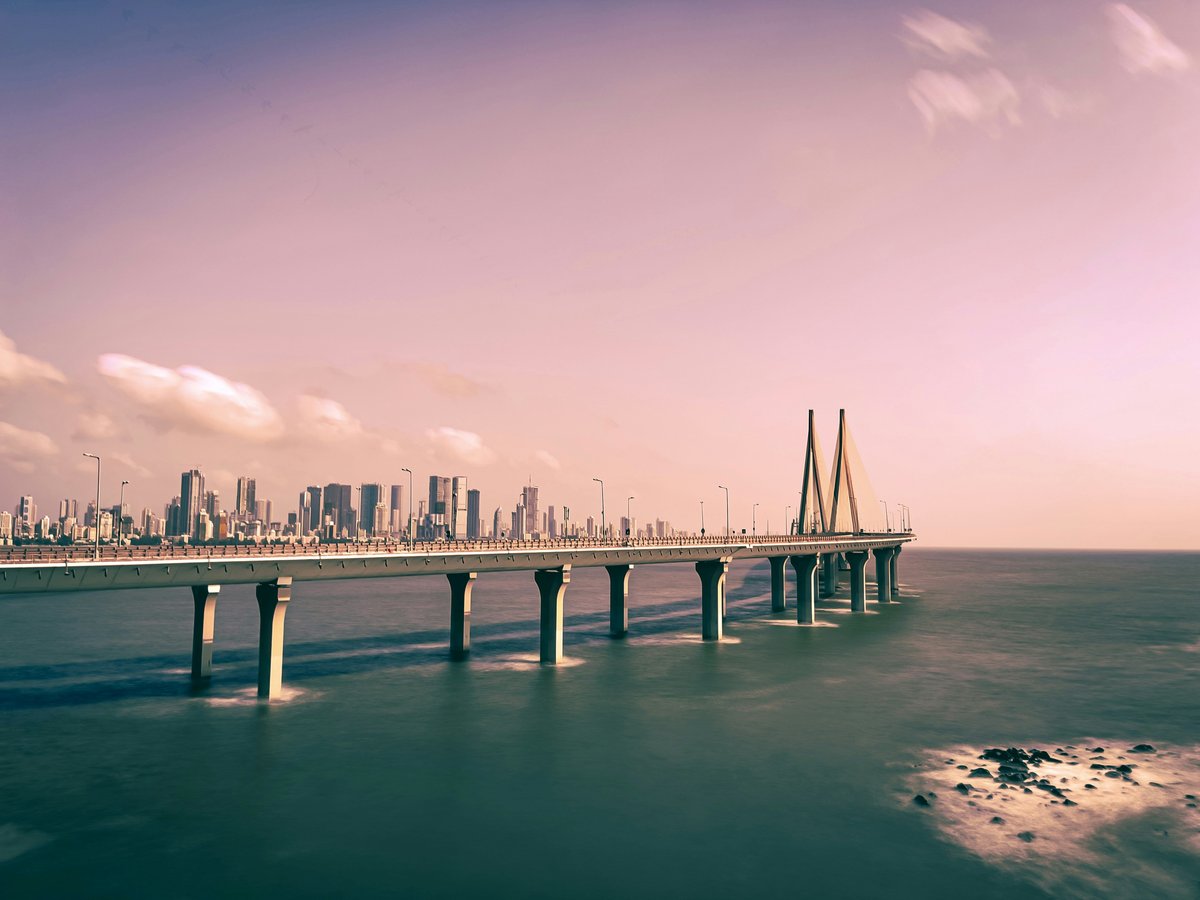
Is Mumbai safe?
Mumbai is safe enough for a careful solo traveller, though it is hard work. We put its solo-traveler safety at 4.8/10 (see the TTDI Solo-Safety Index), and violent crime against visitors is rare. The hazards that tend to hurt people are the suburban trains at rush hour, road traffic, monsoon flooding, and the touts on Colaba Causeway. Dial 112 for any emergency.
Our read is that Mumbai's low solo score reflects friction and infrastructure far more than street crime, and muggings of foreign visitors in Colaba, Fort or Bandra West are rare. The suburban railway is the hazard to respect. By most yearly counts, more than 2,000 people die on its tracks and from its open doorways, and most of them fall from moving coaches or cross the rails on foot. Avoid the Western and Central lines between 8am and 11am and again from 5pm to 9pm. Dadar and Kurla platforms pack shoulder to shoulder at those hours, and the air smells of sweat and hot brake dust. If you do ride a local train, stand well inside the coach and get off at Churchgate or CSMT, where the train empties. Aqua Line 3, the air-conditioned underground metro that now runs down to Cuffe Parade, is the calmer way to cover the same north-south distance. Its doors close.
Women travelling alone will likely find Mumbai easier than Delhi, and we would still not call it relaxed. Staring is constant on the Western Line, and groping happens in crushed general coaches and on the footbridges at Dadar. Every local train carries ladies' compartments, so use them, and after 11pm pick the one nearest the guard's van, where a police constable tends to ride. Marine Drive is the after-dark walk we trust most: families sit on the sea wall until past midnight, the breeze off Back Bay is salty and warm, and chai sellers pour ginger tea from steel kettles for about ₹10. Carter Road in Bandra West has the same feel. Skip Kamathipura and the lanes around Grant Road station at night, and leave the unlit northern end of Juhu Beach by 10pm. Mumbai Police answer 100, and the women's helpline is 103.
Taxis are where money goes missing in Mumbai, not blood. Black-and-yellow cabs run on meters in South Mumbai, and auto-rickshaws are barred south of Bandra and Sion, so anyone offering you an auto in Colaba is not a licensed driver. At Terminal 2 of Chhatrapati Shivaji Maharaj International Airport, use the prepaid counter inside arrivals or book Uber or Ola, and share the trip link with someone at home. The routine to know on Colaba Causeway is the milk-powder request: a woman with a baby asks for formula rather than cash, steers you to a particular shop, and that shop charges ₹1,500 or more, about US$16 at the rate of 95.78 rupees to the dollar on 12 October 2026. The tin goes back on the shelf once you walk out. Around the Gateway of India, buy Elephanta ferry tickets at the booth and pay no attention to the men with laminated price cards.
Heat and water deserve more worry than pickpockets. At 4.30pm on 13 October 2026 the city stood at 36°C under a clear sky, feeling like 37.5°C, and October runs this hot once the rains stop. Carry a sealed litre of Bisleri, around ₹20, and eat vada pav when it comes fresh from the fryer, too hot to hold. From June to September the monsoon floods Hindmata, Sion, and the Andheri and Milan subways within an hour of heavy rain, and trains on the Central Line stop. Do not swim at Juhu or Aksa: Aksa Beach has rip currents and drownings most years, and the water at both smells of sewage near the creek mouths. Sanjay Gandhi National Park holds wild leopards that have attacked people on the Aarey side, so be off its trails before dusk.
Being alone costs less in Mumbai than in most big cities. Irani cafes such as Kyani & Co. near Marine Lines seat single diners at shared marble tables without comment, and bun maska with chai comes to roughly ₹100. A small-group walk is the quickest way to find company in the first 48 hours, and Reality Tours tends to cap its Dharavi groups at about six people. Colaba and Bandra West both have hostels with private rooms, which sidesteps the hotel habit of charging one person the double rate. We think insurance with medical evacuation is worth buying here, because the hospitals you would want, Breach Candy and Lilavati, are private and bill upfront. Wear your daypack on your chest inside any station, as the commuters at Andheri do. For trouble on a train or platform, the rail helpline is 139.
Emergency number: 112
Official travel advisories
Reconsider non-essential travel the most cautious of 3 government assessments
- Government of CanadaLevel 2Exercise a high degree of caution View advisory
- UK Foreign OfficeLevel 3FCDO advises against travel to all or parts View advisory
- US State DepartmentLevel 2Exercise Increased Caution View advisory
Verified from the issuing governments' own feeds.
Areas to avoid
- Kamathipura after dark
- Lanes around Grant Road station at night
- Northern end of Juhu Beach after 10pm
- Dadar and Kurla station platforms at rush hour
- Aksa Beach (swimming)
- Sanjay Gandhi National Park trails after dusk
Common concerns
- Falls from open doorways and track crossings on the suburban trains
- Rush-hour crushes on the Western and Central lines
- Staring and groping in crowded general coaches
- Milk-powder scam on Colaba Causeway
- Unlicensed drivers and unmetered fares from the airport
- Monsoon flooding at Hindmata, Sion and the Andheri and Milan subways
- October heat of 36°C and dehydration
- Rip currents and polluted water at Juhu and Aksa beaches
- Stomach illness from tap water and lukewarm street food
Last verified by automated review (v1.7.2) on . What is automated review?