Stay in London in July
183 hotels in the Trip.com pool for London, from US$12 a night.
Opens Trip.com on Fri 2 Jul to Sun 4 Jul 2027; change the dates there.
July is London at its warmest and longest, and everyone knows it. Daylight stretches past 9pm, the parks are green and loud with people sprawled across every available patch of grass, and the air carries that particular mix of cut lawn and street food smoke that defines a British summer. Expect daytime highs around 23°C (73°F), which sounds mild until you're standing on a packed Tube platform with no air conditioning and the temperature underground climbs past 35°C. This is peak season in every sense: peak prices, peak crowds, and the tail end of Wimbledon fortnight, which still dominates the city's mood for the first two weeks.
That said, this is still London. July averages around 70mm of rain across 11 days, so the idea of a reliably sunny English summer remains more aspiration than guarantee. You'll likely get stretches of genuinely beautiful weather: the kind of warm, golden evenings where half the city relocates to pub gardens and Hampstead Heath: interrupted by grey days where a light jacket suddenly feels essential. The unpredictability is part of it. Locals have learned to dress in layers and carry something waterproof without ever admitting defeat.
The trade-off is stark: July gives you the best version of London's outdoor life (open-air theatre, rooftop bars, long twilight walks along the Southbank) but you'll share every bit of it with the largest tourist crowds of the year. If you're the kind of traveller who gets twitchy in queues, you'll notice. If long evenings and warm air matter more to you than elbow room, July delivers.
Why visit in July
- Daylight until past 9pm means genuinely long days for sightseeing: you can fit in an evening walk along the Thames after dinner and still have light
- The first two weeks overlap with Wimbledon, and even if you don't have tickets the entire city leans into the tennis-and-Pimm's atmosphere
- London's parks (Hyde Park, Regent's Park, Greenwich Park) are at their fullest and greenest, with rose gardens peaking and open-air events running most weekends
- Outdoor dining and rooftop bars are in full swing; spots along Bermondsey and Shoreditch that feel cramped indoors suddenly open up terraces and courtyards
- The BBC Proms season launches mid-month at the Royal Albert Hall, offering world-class classical music at standing-ticket prices that are hard to beat anywhere
Worth knowing
- Peak tourist season: queues at the Tower of London, the British Museum, and popular markets like Borough Market can be genuinely long, especially on weekends
- Hotel rates typically run 40-60% above annual average, and budget accommodation in central zones fills weeks in advance
- The Tube has no air conditioning on most lines; the Central and Bakerloo lines in particular become oppressively hot during afternoon rush, with platform temperatures regularly exceeding 30°C
- Rain is still a real presence: 70mm spread across 11 days means roughly every third day involves some kind of shower, and they tend to arrive with little warning
Best for
Think twice if
July is London's joint-warmest month alongside August, though it tends to feel a touch more humid. Daytime highs sit around 23°C (73°F), dropping to about 14°C (58°F) at night: pleasant by global standards but warm enough that Londoners treat it as proper summer. Humidity hovers near 69%, which you'll mostly notice on the Tube and in crowded indoor spaces rather than outdoors. Rain arrives on roughly 11 days of the month, totalling about 70mm, usually in the form of afternoon showers that roll in fast and clear within half an hour. You'll get stretches of three or four genuinely warm, sunny days followed by a grey day or two: the pattern is unpredictable enough that layering is essential.
Seasonal caution
- Heatwaves have become more frequent in recent years: July 2022 saw London hit 40°C (104°F) for the first time. While this remains unusual, multi-day spells above 30°C (86°F) now occur in roughly one July out of three. Most buildings, hotels, and restaurants lack air conditioning, so these periods can be genuinely uncomfortable, particularly for sleeping. If a heatwave is forecast, book accommodation that confirms AC or at minimum a fan.
Year-round climate
Averages from the last 5 years.
| Month | Avg high (°C) | Avg low (°C) | Rainfall (mm) |
|---|---|---|---|
| Jan | 7 | 2 | 69 |
| Feb | 10 | 3 | 54 |
| Mar | 12 | 4 | 54 |
| Apr | 14 | 5 | 39 |
| May | 18 | 9 | 63 |
| Jun | 22 | 12 | 53 |
| Jul | 23 | 14 | 70 |
| Aug | 23 | 14 | 40 |
| Sep | 20 | 12 | 77 |
| Oct | 16 | 10 | 87 |
| Nov | 11 | 6 | 76 |
| Dec | 9 | 5 | 63 |
Holidays and festivals in July
Public holidays
- Battle of the Boyne(Battle of the Boyne)12 July 2027
Headline events
Wimbledon Championships
First two weeks of July (finals weekend: second Saturday and Sunday)
The oldest tennis tournament in the world, and still the one that defines London's first two weeks of July. The atmosphere extends well beyond SW19: pubs screen matches, strawberries-and-cream pop up everywhere, and the entire city seems to develop a temporary opinion about tennis. Finals weekend falls on the second Saturday and Sunday of July.
Best things to do in July
Open-air theatre at Regent's Park
cultureThe Open Air Theatre in Regent's Park runs a summer season of Shakespeare, musicals, and new plays from May through September, but July is the sweet spot: warm enough for comfortable outdoor seating, with daylight lasting through most of the first act. The theatre is set in a natural bowl surrounded by trees, and the smell of the surrounding rose garden drifts in during quiet scenes. Bring a blanket for your knees just in case the evening cools.
July's warm evenings and 9pm-plus daylight mean you can watch most of the performance in natural light without getting cold: May and September shows often need heavy layers.Booking tipBook at least 2-3 weeks ahead for weekend performances. Weeknight tickets are easier to get and the atmosphere is often more relaxed.
Sunset walks along the Southbank
outdoorThe stretch from Westminster Bridge to Tower Bridge along the south side of the Thames is one of London's great walks in any month, but July transforms it. Street performers, pop-up food stalls outside the National Theatre, the sound of buskers mixing with river traffic, and light that turns golden around 8pm and lingers past 9. You can stop at the Tate Modern terrace for a drink, watch skateboarders under the Southbank Centre, and still have light for the walk back.
July's extended golden hour (sunset around 9:10pm) gives you a two-hour window of warm evening light along the river that simply doesn't exist from October through March.Swimming at Hampstead Heath ponds
outdoorThree open-air swimming ponds sit at the north end of Hampstead Heath: one for men, one for women, and a mixed pond. The water is unheated and drawn from natural springs, so even in July it's bracing at first: maybe 18-20°C on a good day. The sensation of cold water against sun-warmed skin, surrounded by trees and the sound of birds rather than chlorine-scented tiles, is hard to replicate anywhere else in a major city. The mixed pond in particular has a slightly wild, secretive feel, tucked behind trees with a wooden jetty.
Water temperatures reach their annual peak in July and August, making this the most comfortable window for open-water swimming. The ponds are open year-round but July is when the experience shifts from endurance sport to genuine pleasure.Booking tipArrive before 9am on weekends to avoid queues at the mixed pond. Weekday mornings are quieter. Small entry fee applies.
Kew Gardens in full summer bloom
natureThe Royal Botanic Gardens at Kew are worth visiting in any season, but July is when the Great Broad Walk Borders (one of the longest herbaceous borders in the country) peak. The Temperate House, the world's largest surviving Victorian glass structure, feels less oppressively hot now than in a winter visit when the heating runs high. The rose garden is still going, the waterlily house is open, and the grounds are warm enough for long, slow walks without rushing between heated glasshouses.
The herbaceous borders and rose garden reach peak bloom in July, and the waterlily house opens its tropical collection for the summer season.Booking tipBook online in advance: timed entry slots sell out on sunny weekends. Weekday visits are significantly calmer.
Proms standing tickets at the Royal Albert Hall
cultureThe BBC Proms (the world's largest classical music festival) opens in mid-July and runs through September. The real draw for casual visitors is the day-of standing tickets (called Promming), which cost a fraction of seated prices and put you on the arena floor of one of London's most striking concert halls. The acoustic is warm and enveloping, and the atmosphere is notably less formal than you'd expect from classical music: regulars bring cushions and sit on the floor between pieces.
The Proms season launches in mid-July, and the opening night and first-week concerts tend to feature major orchestras and soloists. Standing tickets are available from the morning of each concert.Booking tipQueue from mid-afternoon for popular concerts. Less high-profile programmes often have standing tickets available right up to the start.
Greenwich Park and the Royal Observatory
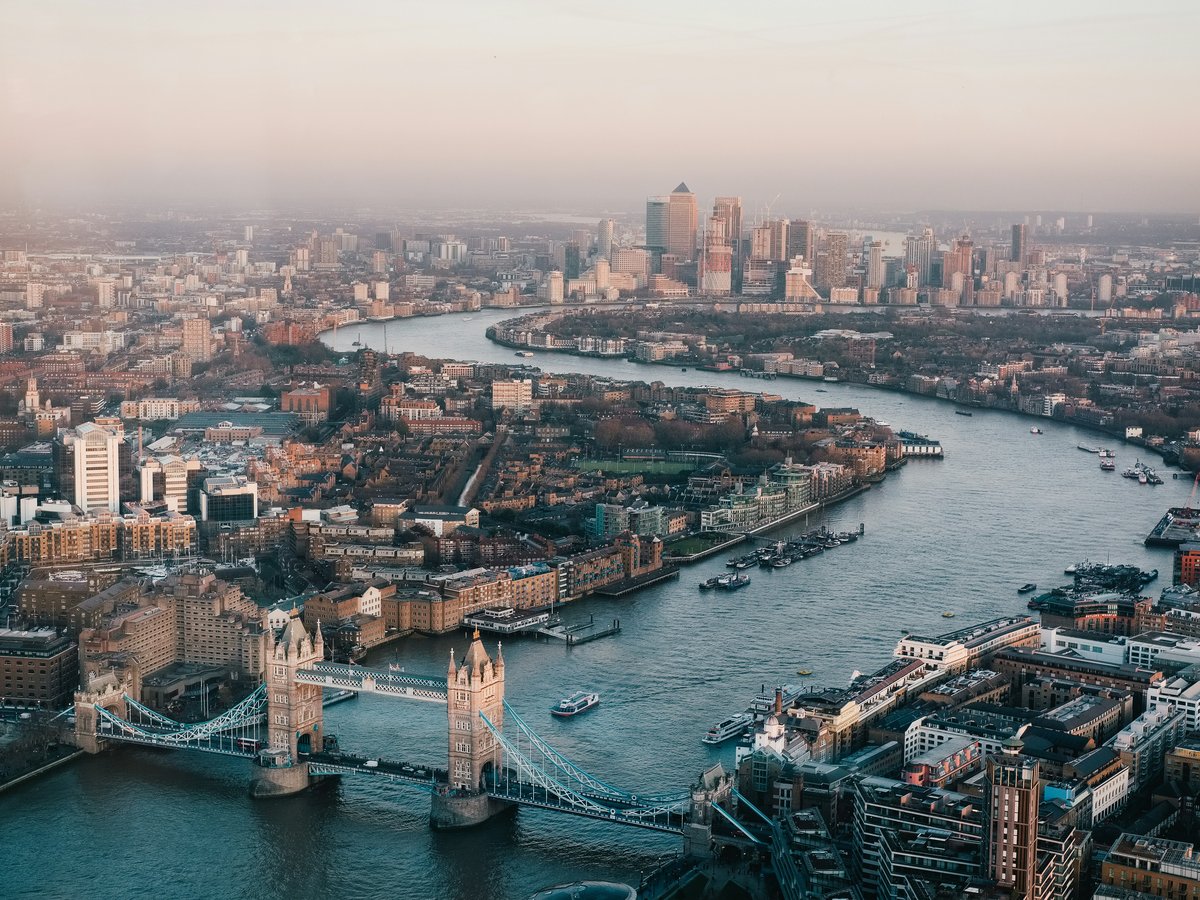
outdoorGreenwich Park sits on a hill south of the river with one of the best panoramic views of the city: the Canary Wharf towers, the Thames curving below, the Old Royal Naval College in the foreground. In July, the hill is covered with people lying on the grass watching the sunset, and the smell of warm earth and dry grass carries on the breeze. The Royal Observatory at the top lets you stand on the Prime Meridian line, which feels less like a gimmick and more like a genuine piece of navigational history when the building itself is open and you can see the original instruments.
July's warm evenings and late sunsets make Greenwich Park one of the best spots in London for a sunset picnic: the hilltop view facing west catches the light perfectly around 8:30-9pm.Booking tipThe park is free. The Royal Observatory requires a ticket: book online to skip the queue.
Day trip to Hampton Court Palace
day_tripHenry VIII's riverside palace is about 35 minutes by train from Waterloo, and July is when its gardens: including the famous maze, the Great Vine (planted in 1768 and still producing grapes), and the privy garden: are at their fullest. The palace itself is worth a half-day, but the grounds and the walk along the Thames towpath afterward are what make this a specifically summer outing. The air smells different out here: river water, cut grass, old brick warming in the sun.
The RHS Hampton Court Palace Garden Festival typically falls in early July, transforming the grounds with show gardens and horticultural displays. Even outside the festival, the gardens peak this month.Booking tipBook palace entry online. If visiting during the Garden Festival, tickets sell separately and should be booked well in advance.
Rooftop bars across the city
nightlifeLondon's rooftop scene is compressed into the warm months, and July is when it feels most alive. Spots range from the polished cocktail terraces in Shoreditch and the City to more relaxed affairs on warehouse roofs in Peckham. The appeal isn't the drinks (which are typically overpriced) but the particular pleasure of being outdoors above a city that spends most of the year driving people indoors. Watching the light change over the skyline from six or seven stories up, with the hum of the city below, is a specifically July experience.
July combines the warmest average temperatures with the longest evenings, making rooftop drinking comfortable from late afternoon through 10pm: a window that narrows sharply by September.Booking tipPopular rooftops in Shoreditch and Southbank take reservations and fill up on Friday and Saturday evenings. Book a few days ahead or go on a weeknight.
What to eat in July
In season: fruit
English strawberries
Peak season runs June through mid-July, and the difference between these and imported supermarket strawberries is not subtle: smaller, intensely fragrant, and sweet enough to eat without sugar. You'll find them at Borough Market and smaller greengrocers across the city, often from Kent or Hampshire farms. The Wimbledon connection isn't just marketing; they genuinely peak right now.
English cherries
The domestic cherry season is short (roughly late June through late July) and English-grown cherries from Kent and the Thames Valley have a tartness and depth that imported varieties don't match. Look for them at farmers' markets in Bermondsey and Marylebone.
On menus now
Summer pudding
A traditional English dessert made by lining a bowl with white bread and filling it with a mix of summer berries (redcurrants, blackcurrants, raspberries) then pressing it overnight until the juice soaks through the bread entirely. It's deeply seasonal, appearing on restaurant menus and in bakeries only when the berries are at their peak, which is right now. The colour is somewhere between crimson and purple, and it tastes sharper and more complex than it looks.
What to drink
Pimm's
London's default summer drink is a gin-based cup mixed with lemonade, cucumber, strawberries, and mint. It's served at every pub garden, every outdoor event, and every picnic in every park from late June through August. July is when consumption peaks. The taste is light, herbal, and slightly sweet: more refreshing than you'd expect from something that looks like fruit salad in a glass.
Elderflower cordial
Made from the tiny white flowers of the elder tree, which bloom from late May through early July. By mid-July the season is ending, so this is your last window for the fresh version. Mixed with sparkling water or prosecco, it tastes floral and slightly honeyed: nothing like the artificial versions. Several gin distilleries in London produce elderflower gins that peak around now as well.
In markets
Broad beans
At their best from late June through July, when the pods are still young and the beans inside are tender enough to eat with just a squeeze of lemon and some salt. They appear on restaurant menus across the city, often paired with pecorino or mint, and they're a staple at Borough Market's vegetable stalls this time of year.
Regular events in July
BBC Proms Opening Night at the Royal Albert Hall
The first night of the annual Proms season is a major cultural event, typically featuring a headline orchestra and broadcast live on BBC Radio 3 and television. The atmosphere is electric and the standing areas are packed.
Mid-July (usually around July 18-20)Pride in LondonFree
London's annual LGBTQ+ pride parade and celebration, centred on a march through central London from Portland Place to Whitehall, with stages, performances, and events across Soho and Trafalgar Square. The parade route fills with colour, noise, and a density of people that rivals New Year's Eve in parts of the West End.
First Saturday of JulyRHS Hampton Court Palace Garden Festival
The world's largest annual flower show takes over the grounds of Hampton Court Palace for a week in early July, with show gardens, plant sales, horticultural talks, and displays that draw serious gardeners and casual visitors alike.
Early July (typically first full week)Wireless Festival
A major urban music festival held in Finsbury Park over a long weekend in July, typically featuring headline acts in hip-hop, grime, R&B, and electronic music. It draws a younger crowd and the atmosphere is loud, sweaty, and energetic.
Second weekend of JulySomerset House Summer Series
A run of outdoor concerts in the neoclassical courtyard of Somerset House on the Strand, featuring a mix of indie, electronic, soul, and world music acts. The setting (a grand 18th-century courtyard with a temporary stage and standing audience) makes even mid-tier acts feel like an event.
Throughout July (individual concert dates vary)Best places this July
Hampstead Heath
parkNorth London's wildest green space: 320 hectares of ancient woodland, meadows, and the three famous swimming ponds. In July the heath is at its most lush, the grass on Parliament Hill is warm enough to sit on without a blanket, and the ponds reach their peak swimming temperature. The view from Parliament Hill toward the City skyline is one of the best in London, particularly in evening light.
HampsteadBorough Market
marketLondon's oldest food market, operating in some form since the 13th century, sits under the railway arches near London Bridge. July brings English strawberries, cherries, and summer vegetables to the stalls, alongside the permanent traders selling cheese, bread, and charcuterie. Arrive before 10am on a Saturday to move through the aisles: by midday the crowds are dense enough to make browsing frustrating.
SouthwarkColumbia Road Flower Market
marketA Sunday-morning flower market in Shoreditch that runs from around 8am to 3pm, with the best selection and atmosphere before 10. The narrow street fills with stalls selling cut flowers, potted plants, and herbs, and the surrounding shops (vintage furniture, ceramics, independent bakeries) open only on market mornings. In July the selection leans heavily toward English garden roses and lavender, and the scent on the street is strong enough to hit you from a block away.
ShoreditchPrimrose Hill
viewpointA small park in north London with a view across the city that's arguably better than Parliament Hill's: you can see from the Shard to the BT Tower to the London Eye in a single sweep. In July, locals claim the hill on warm evenings for picnics and sunset watching. It's smaller and less wild than Hampstead Heath, which makes it feel more intimate. The surrounding streets have some of the prettiest painted houses in London.
Primrose HillThe Serpentine and Hyde Park
parkThe Serpentine lake in the centre of Hyde Park offers pedal boats, a lido for swimming, and the Serpentine Gallery, which installs a new temporary pavilion by a different architect every summer: the pavilion is free to visit and tends to be one of the more interesting pieces of public architecture in the city each year. July is when all of these are operating simultaneously and the weather cooperates.
KensingtonRegent's Park rose garden
gardenQueen Mary's Gardens within Regent's Park contain around 12,000 roses across 85 beds, and they peak in late June through mid-July. The scent on a warm afternoon is remarkable: heavy, sweet, and layered enough that you can distinguish individual varieties as you walk between beds. The Inner Circle that surrounds the gardens is one of the quieter spots in central London, even in peak season.
MaryleboneSouthbank Centre and National Theatre terrace
cultural_complexThe concrete terraces along the South Bank between Waterloo Bridge and Hungerford Bridge come alive in summer with free outdoor events, pop-up food stalls, second-hand book tables under the bridge, and a general atmosphere of people doing not very much in the warm air. The National Theatre's outdoor bar has one of the best low-key views in the city: St Paul's Cathedral across the river, catching the late afternoon sun.
SouthbankNotting Hill and Portobello Road
neighborhoodThe antique and vintage market along Portobello Road runs on Saturdays and is worth visiting for the architecture as much as the stalls: the pastel-painted houses along the surrounding streets photograph particularly well in July light. The market is busiest between 9am and 1pm, and the northern end toward Golborne Road has better food stalls and fewer tourists than the main stretch.
Notting Hill
Your packing checklist
Tick items off as you pack. Your progress saves in this browser.
All packed — have a great trip.
Insider tips
The best strawberries at Borough Market come from the smaller growers near the edges of the market hall, not the main-aisle stalls with the biggest displays. Ask what was picked that morning: the difference in flavour between today's and yesterday's English strawberries is noticeable.
For Wimbledon, the public ballot closed months ago, but the day-of queue (called 'The Queue,' capitalised, because this is England) still distributes a limited number of ground passes and sometimes show-court tickets from returns. Arrive before 7am and bring a packed breakfast. The atmosphere in the queue itself is part of the experience: people camp overnight, share stories, and treat it as a social event.
The Tube is genuinely unpleasant on hot days. The Elizabeth Line, which is air-conditioned, runs east-west through central London and covers many of the same stops as the Central Line without the heat. Use it whenever your route allows.
Thursday and Friday evenings at the Serpentine Gallery and many of the larger museums (V&A, Tate Modern, National Gallery) run extended hours with quieter galleries and sometimes wine bars or live music. A better experience than fighting the midday Saturday crowds.
If you want to swim in the Hampstead Heath mixed pond on a weekend, arrive by 8am. By 10, the queue wraps around the meadow. Weekday mornings are calm: sometimes you'll have a lane almost to yourself, with nothing but birdsong and the occasional splash.
Avoid these mistakes
- Planning a full day of sightseeing with the Tube as your primary transport on a hot day. The deep-level lines (Central, Bakerloo, Northern) have no air conditioning and can exceed 35°C underground. Build bus rides, walking routes, or the air-conditioned Elizabeth Line into your plan, or you'll be exhausted by mid-afternoon.
- Assuming July means reliable sunshine and packing only summer clothes. You'll almost certainly get a grey, cool day or two where 16-17°C and drizzle make a T-shirt feel inadequate. The visitors shivering in shorts outside the British Museum in light rain are always the ones who checked the average high and packed accordingly.
- Queuing for major attractions at 10am without pre-booking. Timed-entry tickets for the Tower of London, St Paul's Cathedral, and Westminster Abbey are available online and cut the wait from 45 minutes to nearly zero. The walk-up queue on a July Saturday is a genuine waste of time.
- Booking an outdoor restaurant table for dinner at 7pm and expecting warm, lingering Mediterranean-style conditions. London cools noticeably after 8:30pm, and most restaurant terraces that face north or are in shade become chilly by 9. Ask for a south-facing table or bring a layer: the staff will rarely mention it.
Practical tips for July
Book accommodation 6-8 weeks ahead for July stays in zones 1-2; last-minute rates during peak season rarely drop and availability thins out fast, particularly near South Kensington and Covent Garden. Theatre tickets for West End shows should be booked at least a week ahead, though the TKTS booth in Leicester Square sells same-day discounted tickets if you're flexible on which show. Most museums are free (British Museum, Tate Modern, National Gallery, V&A, Natural History Museum), but special exhibitions charge separately and sell out: book those online. The Oyster card or contactless payment works on all Tube, bus, and rail services and is cheaper than buying individual tickets; there's a daily spend cap so you won't overpay. Dress codes are relaxed in July, even upscale restaurants rarely enforce jacket requirements in summer, though smart-casual is still expected at places like The Wolseley or Rules. Pub closing times are typically 11pm on weeknights and midnight on weekends, though many have extended weekend licences in summer. Tipping is customary at restaurants (10-12.5% is standard, and many add a discretionary service charge: check before doubling up), optional at pubs, and not expected in taxis though rounding up is appreciated.
FAQ
Is July a good time to visit London?
July is one of the three best months for London, alongside June and September. You get the warmest temperatures, the longest daylight hours, and a packed calendar of outdoor events from Wimbledon to the Proms. The trade-off is real, though: this is peak season for crowds and prices. Hotel rates run 40-60% above average, major attractions have longer queues, and popular restaurants need reservations. If you can absorb the cost and handle the crowds, July rewards you with a version of London that feels genuinely alive and outward-facing. If budget or quiet matters more, September offers similar weather with noticeably fewer people.
What is the weather like in London in July?
Expect average highs around 23°C (73°F) and lows near 14°C (58°F), with humidity sitting at about 69%. Rain falls on roughly 11 of the 31 days, totalling around 70mm: typically as afternoon showers that arrive fast and clear within 20-30 minutes rather than all-day drizzle. You'll likely get runs of three or four warm, sunny days punctuated by greyer stretches. Heatwaves above 30°C have become more frequent in recent years but are still the exception rather than the norm. The overall feel is warm and pleasant by northern European standards, but unpredictable enough that layers and a rain jacket belong in your bag every single day.
Is London crowded in July?
Yes: July is the busiest month of the year for tourism, overlapping with school holidays across Europe and North America. Popular sites like the Tower of London, the British Museum, and Borough Market are noticeably more crowded than in May or September. The Tube gets busier and hotter. That said, London is a big city and spreads the crowds reasonably well: if you're willing to explore beyond the central tourist belt into neighborhoods like Greenwich, Bermondsey, or Hampstead, you'll find pockets that feel calm even at peak season. Early mornings and weekday visits to major attractions make a significant difference.
What should I wear in London in July?
Layers. The temperature can swing from 14°C in the morning to 23°C by afternoon, and an unexpected shower can drop the perceived temperature further. A light cotton shirt, a thin jumper or cardigan for evenings, jeans or light trousers, and comfortable closed-toe walking shoes cover most situations. Bring a compact waterproof jacket: you'll use it more than you think. If you're attending the Proms, open-air theatre, or rooftop bar evenings, add a warm layer for after sunset. London dress codes are generally relaxed in summer; trainers are accepted nearly everywhere except a handful of traditional restaurants.
Do I need to book things in advance for London in July?
For accommodation and major attractions, yes. Hotels in central London fill up in July and last-minute bookings tend to be both expensive and poorly located. Timed-entry tickets for the Tower of London, St Paul's Cathedral, and Westminster Abbey should be booked online to skip queues that can exceed 45 minutes. West End theatre tickets, popular restaurant reservations, and Proms standing-ticket queues all benefit from planning. Free museums don't require booking for general admission, but their special exhibitions often sell out. Wimbledon public-ballot applications close months before July, though the day-of queue offers a limited alternative.
Things to Do in London in July
 Free cancellation
 Stonehenge, Windsor Castle, and Bath from London
Day trip: 11 hours, free cancellation.
via Viator Free cancellation
 Stonehenge, Windsor Castle, Bath Day Trip & Historic Pub Lunch
Day trip: 12.5 hours, free cancellation.
via Viator Free cancellation
 Windsor Castle, Stonehenge, and Oxford Day Trip from London
Day trip: 11.5 hours, free cancellation.
via Viator Free cancellation
 Stonehenge, Windsor Castle and Bath Full Day Guided Tour
Day trip: 11 hours, free cancellation.
via Viator Free cancellation
 Stonehenge and Bath Tour from London
Day trip: 11 hours, free cancellation.
via Viator Free cancellation
 Tour for Muggles The Ultimate Harry Potter Walking Tour in London
City tour: 2 hours, free cancellation.
via ViatorFind a flight to London
Live fares to London appear here once cookies are accepted.
Last verified by automated review (v1.7.2) on . What is automated review?