Stay in London in February
183 hotels in the Trip.com pool for London, from US$12 a night.
Opens Trip.com on Fri 5 Feb to Sun 7 Feb 2027; change the dates there.
February is London at its quietest and coldest, and you should know that going in. Daytime temperatures hover around 9.6°C (49°F), dropping to 3.4°C (38°F) after dark, with a persistent dampness that cuts through layers in a way that dry cold simply doesn't. The skies tend toward a flat, uniform grey that Londoners themselves find wearing by this point in winter. Daylight is still short: you might get sunrise around half seven and sunset by five, which means afternoons feel compressed and you'll likely be navigating the city in the dark more than you'd prefer.
That said, there's a real case for February if you're the right kind of traveller. This is London's deep low season, which means hotel rates drop noticeably, West End theatre tickets become easier to grab, and the major museums (which are free anyway) feel almost spacious compared to the summer crush. Chinese New Year brings genuine energy to the West End and Chinatown, usually with a parade through Trafalgar Square that draws tens of thousands. The Six Nations rugby kicks off at Twickenham, filling pubs across the city with a particular kind of Saturday-afternoon atmosphere. And by late February, snowdrops start appearing in Kew Gardens and Hampstead Heath, the first honest sign that winter is loosening its grip.
It's not a month that will seduce you with weather or golden light. But London's appeal has always been more about what happens indoors (the theatres, the pubs, the galleries, the restaurants) and February strips away the tourist overlay to let you experience those things the way residents do. If you can tolerate cold drizzle and short days, you'll find a city that feels less performative and more genuine than it does in July.
Why visit in February
- Hotel rates sit well below the annual average: expect to pay 30-40% less than summer peak for the same room in Bloomsbury or South Bank
- Major museums and galleries (British Museum, Tate Modern, National Gallery, V&A) are all free and noticeably less crowded, so you can stand in front of a Turner painting without someone's selfie stick in your peripheral vision
- Chinese New Year celebrations around Trafalgar Square and Chinatown bring colour and spectacle to what is otherwise a grey month: the parade route through the West End is one of the largest outside Asia
- West End theatre is easier to access: same-day TKTS booth queues at Leicester Square are shorter, and midweek performances for popular shows often have decent availability without booking months ahead
- The restaurant scene peaks in value: many places run prix-fixe deals or off-peak lunch menus that vanish come April
Worth knowing
- The cold is wet rather than crisp, and 83% humidity makes 4°C feel considerably worse than the number suggests: the chill settles into your bones in a way that surprises visitors from drier climates
- Daylight hours are still genuinely short, roughly nine and a half hours of light, which limits outdoor sightseeing and means popular parks like Hyde Park and Greenwich feel bleak by mid-afternoon
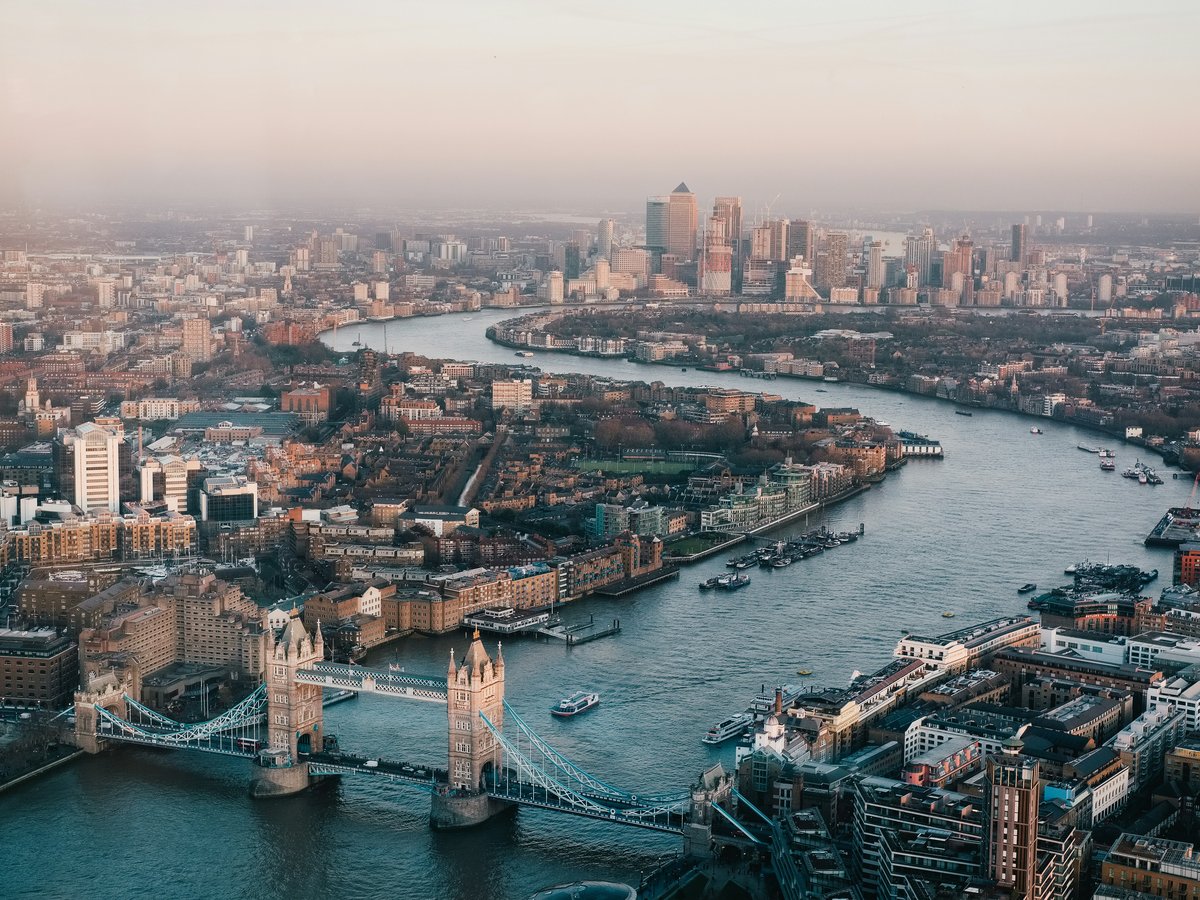
- Grey overcast skies persist for days at a stretch: if you're hoping for that classic London-skyline photograph with blue sky behind the Shard or Tower Bridge, February will likely disappoint
- School half-term falls in mid-February, which briefly spikes family-oriented attraction queues at places like the Natural History Museum, the Science Museum, and the Tower of London
Best for
Think twice if
Cold, damp, and overcast describes most February days in London. The temperature range is narrow (highs barely touching 10°C and lows sitting around 3-4°C) but the humidity at 83% makes the cold feel more penetrating than the numbers suggest. Rain arrives as light drizzle rather than downpours, spread across roughly 11 days of the month. Snow is possible but increasingly rare in central London; you might see a dusting once every few years. Wind off the Thames can be biting, particularly on exposed bridges and along the South Bank. By late February, the days do start stretching noticeably: you gain nearly an hour of daylight over the course of the month, which lifts the mood somewhat.
Seasonal caution
- Occasional overnight frost makes pavements slippery, particularly on side streets and park paths that don't get gritted: watch your footing on early morning walks through places like Hampstead Heath or Regent's Park
- Wind chill along the Thames and on exposed bridges can push the perceived temperature several degrees below the actual reading: dress for 0°C if you plan to walk across Waterloo Bridge or along the South Bank after dark
Year-round climate
Averages from the last 5 years.
| Month | Avg high (°C) | Avg low (°C) | Rainfall (mm) |
|---|---|---|---|
| Jan | 7 | 2 | 69 |
| Feb | 10 | 3 | 54 |
| Mar | 12 | 4 | 54 |
| Apr | 14 | 5 | 39 |
| May | 18 | 9 | 63 |
| Jun | 22 | 12 | 53 |
| Jul | 23 | 14 | 70 |
| Aug | 23 | 14 | 40 |
| Sep | 20 | 12 | 77 |
| Oct | 16 | 10 | 87 |
| Nov | 11 | 6 | 76 |
| Dec | 9 | 5 | 63 |
Headline events
Chinese New Year Celebrations
Late January to mid-February (date shifts with the lunar calendar)
London's Chinese New Year parade and festival is one of the largest outside Asia. The parade winds through the West End from Charing Cross Road to Trafalgar Square, with dragon and lion dances, floats, and firecrackers. Chinatown itself fills with food stalls and performances. Trafalgar Square hosts a main stage with live acts, and the atmosphere around Wardour Street and Gerrard Street is genuinely festive: the smell of sesame oil and roasted duck spills out of every doorway.
Best things to do in February
West End theatre marathon
cultureFebruary's quieter audiences and shorter booking queues make it one of the best months for a proper theatre run. You can realistically see three or four shows in a long weekend if you plan around matinee and evening performances. The TKTS booth in Leicester Square sells same-day discounted tickets, and the queues are noticeably shorter than they are in summer or around Christmas.
Low season means better ticket availability, shorter queues at the discount booth, and more midweek seats for popular long-running shows.Booking tipCheck individual theatre websites for midweek deals: Tuesday and Wednesday evening performances often have the best availability.
Museum deep dives
cultureLondon's free national museums: the British Museum, V&A, Natural History Museum, Tate Modern, Tate Britain, National Gallery: are among the finest collections in the world, and February is when you can experience them properly. Rooms that are shoulder-to-shoulder in July have breathing space. You can sit with a painting for ten minutes without feeling like you're blocking traffic.
Low-season crowds mean you can spend real time with the collections rather than shuffling past them. Temporary exhibitions also tend to have shorter entry queues.Booking tipSome special exhibitions still require timed entry: book online a day or two ahead to guarantee your slot, even in low season.
Pub crawl through historic coaching inns
food_drinkThere's no better month for a proper London pub crawl than February. The cold outside makes the warmth inside feel earned. Focus on the historic pubs: the Lamb and Flag in Covent Garden, the George Inn in Southwark (London's last surviving galleried coaching inn), Ye Olde Cheshire Cheese off Fleet Street. Each one has centuries of atmosphere soaked into the woodwork. The smell of hops and old timber, the low ceilings, the creak of floorboards.
Cold, dark evenings are when London pubs come into their own: the contrast between the chill outside and the warmth inside is the whole point of pub culture.Booking tipNo booking needed for pubs, but arrive before 6pm on Fridays to secure a table at popular spots: after-work crowds still pack certain City and West End pubs.
Snowdrop walks at Kew Gardens
natureBy mid to late February, carpets of snowdrops appear across Kew Gardens, particularly in the natural areas and around the Conservation Area woodland. It's a quiet, understated display (nothing like the cherry blossom spectacle later in spring) but there's something genuinely moving about those small white flowers pushing through cold soil. The glasshouses offer a tropical respite when the cold gets too much.
Snowdrops are one of the first flowers to bloom, typically peaking in mid-to-late February. They signal the turn of the season in a way that feels personal rather than performative.Booking tipBook Kew Gardens entry online in advance: it's cheaper than paying at the gate, and while February isn't busy, half-term week can see family crowds.
Six Nations rugby at Twickenham
sportEngland's home matches in the Six Nations rugby championship fill Twickenham Stadium, but the atmosphere extends well beyond the ground. Pubs across southwest London (and frankly across the whole city) fill with rugby crowds from late morning. The energy in a packed pub during a close match is something particular: the collective groans, the shouts, the rounds bought on tries scored. You don't need a match ticket to experience it.
The Six Nations runs from early February through mid-March, with England's home fixtures at Twickenham typically drawing massive crowds and transforming the city's pub atmosphere.Booking tipMatch tickets sell out months in advance through the RFU. For the pub experience, arrive early: popular rugby pubs near Twickenham and in central London fill up hours before kick-off.
Valentine's Day dining
food_drinkLondon's restaurant scene takes Valentine's Day seriously, and February is when many high-end spots and neighbourhood bistros roll out special tasting menus and candlelit settings. That said, the real value is in the less obvious places: a corner table at a quiet wine bar in Soho, a late supper at a Shoreditch trattoria, a pre-theatre dinner in Covent Garden. The city does romantic dining well when you look past the obvious choices.
Valentine's Day on 14 February drives a wave of special menus and romantic dining packages across London's restaurant scene, from fine dining to neighbourhood gems.Booking tipBook well in advance for Valentine's evening itself: popular restaurants fill up weeks ahead. Consider the 13th or 15th for the same atmosphere with easier reservations.
Explore the Southbank Centre's winter programme
cultureThe Southbank Centre runs a strong winter programme through February, with concerts, talks, and exhibitions spread across the Royal Festival Hall, Queen Elizabeth Hall, and the Hayward Gallery. The brutalist architecture looks especially stark against grey February skies, and the indoor spaces (warm, well-lit, full of people) offer a counterpoint to the cold outside. The food market underneath Hungerford Bridge tends to be less picked-over than in summer too.
February falls in the heart of the Southbank's winter season, with programming designed to draw people indoors: concerts, visual art exhibitions, and literary events cluster this month.Booking tipCheck the Southbank Centre website for free foyer events: there are often lunchtime concerts and talks that don't require tickets.
What to eat in February
On menus now
Game pies and venison
February is the tail end of the British game season, and London's gastropubs and butcher shops make the most of it. Venison pies with a dark, rich gravy and a properly crisp shortcrust pastry show up on pub menus across the city. Borough Market's butchers tend to carry wild venison and pheasant: worth asking what's freshest that week.
Street food peaks
Hot salt beef bagels
Not strictly seasonal, but a hot salt beef bagel from a Brick Lane bakery hits differently when it's cold and damp outside. The steam rising off the mustard-slathered meat, the chew of the bagel: it's one of those London food moments that belongs to winter. The queue tends to be shorter on February weekday mornings than it is in warmer months.
In markets
Seville orange marmalade
Seville oranges have a narrow season from January through February, and London's food markets (Borough Market in particular) sell them by the bag. You'll also find fresh-batch marmalade from small producers appearing on restaurant breakfast tables and at market stalls, with a bitter-sweet intensity that's nothing like the supermarket stuff. The smell alone, sharp citrus with a caramel edge, is worth stopping for.
Forced rhubarb
Yorkshire forced rhubarb arrives in London markets in February, with those distinctive pale pink stalks grown in candlelit sheds. The flavour is more delicate than outdoor rhubarb: less tart, almost floral. You'll find it in crumbles and tarts at bakeries around Borough Market and Broadway Market, and some restaurants feature it in seasonal dessert menus. The colour alone is startling against a grey February afternoon.
Regular events in February
Six Nations Rugby: England home matches
England's home fixtures at Twickenham during the Six Nations championship draw massive crowds and fill pubs across the city with a particular kind of Saturday-afternoon atmosphere. Even without a match ticket, the pub experience on match day is distinctly London.
Weekends in February and March (fixture dates vary by year)London Fashion Week
London Fashion Week typically falls in mid-February, bringing designers, buyers, and fashion press to venues around the city. While the main shows are industry-only, associated pop-ups, exhibitions, and parties spill into Soho and the East End. You might notice a higher-than-usual concentration of impeccably dressed people around Covent Garden and Shoreditch that week.
Mid-February (usually five days, Thursday to Monday)Half-term family activitiesFree
School half-term in mid-February prompts museums, theatres, and cultural venues across London to run special family programming: workshops at the V&A, storytelling sessions at the British Library, hands-on science at the Science Museum. It's a busy week for family attractions, but the programming is often genuinely good.
Mid-February (one week, dates vary by local authority)Kew Gardens Orchid Festival
Kew's annual Orchid Festival typically opens in early February, transforming the Princess of Wales Conservatory into a humid, colourful display of thousands of orchids. The warmth and colour inside the glasshouse feels almost surreal against the grey February landscape outside. It's one of those London experiences that reminds you the city does spectacle quietly well.
Early February through early MarchBest places this February
Borough Market
marketLondon's most celebrated food market is less crushed in February than in summer, which means you can stop at stalls without being swept along by the crowd. The winter offerings lean toward warming food: raclette, hot pies, steaming cups of mulled cider. The smell of melting cheese and toasting bread fills the covered sections.
SouthwarkKew Gardens
parkThe snowdrop displays in mid-to-late February are worth the trip alone, but Kew's glasshouses (particularly the Palm House and the Temperate House) offer a tropical escape from the cold. Stepping from a grey February afternoon into humid, 25°C air thick with the scent of frangipani is a disorienting pleasure.
RichmondTate Modern
museumThe Turbine Hall installation changes periodically, and February's low crowds mean you can experience whatever's currently occupying that vast space without competing for sightlines. The permanent collection on the upper floors rewards slow looking, and the views of St Paul's from the café level are especially atmospheric on grey, moody afternoons.
BanksideThe British Museum
museumFree entry and reduced February crowds make this the ideal month for a proper visit, not the rushed circuit of the Rosetta Stone and the Elgin Marbles, but a genuine exploration of the less-visited galleries. The Enlightenment Gallery, with its cabinets of curiosities, feels particularly suited to a cold afternoon.
BloomsburyHampstead Heath
parkBracing rather than pleasant in February, but the Heath rewards cold-weather walks with muddy trails, skeletal trees against pale skies, and views across the city from Parliament Hill that feel more contemplative than they do in summer. The ponds are beautiful in winter light. Warm up at one of Hampstead village's pubs afterwards.
HampsteadColumbia Road Flower Market
marketThe Sunday flower market runs year-round, and in February you'll find early spring bulbs (crocuses, hyacinths, miniature daffodils) alongside indoor plants and dried arrangements. The market is shorter in winter, wrapping up by early afternoon, and the cold means fewer tourists competing with locals for the best bunches. The surrounding cafés fill up quickly for post-market brunch.
ShoreditchThe V&A Museum
museumThe Victoria and Albert Museum's collection spans 5,000 years of art and design, and February's quieter galleries let you appreciate the fashion collection, the Cast Courts, and the Raphael Cartoons without the summer shuffle. The museum café in the Morris Room is one of the most beautiful places to eat in London: all Victorian tilework and stained glass.
South KensingtonThe South Bank
walkWalking the South Bank from Westminster Bridge to Tower Bridge in February is cold but rewarding: the river is grey and choppy, the brutalist Southbank Centre looms overhead, and the skyline across the water has a moody grandeur that sunny days flatten. Street food stalls and the BFI Southbank (with its warm bar and film programme) offer regular stops to thaw out.
South Bank
Your packing checklist
Tick items off as you pack. Your progress saves in this browser.
All packed — have a great trip.
Insider tips
The TKTS booth in Leicester Square sells discounted same-day West End tickets, but the real trick is checking mid-morning on weekdays: the selection is wider and the queue is almost nonexistent compared to Saturday afternoons.
If you're visiting during Chinese New Year, walk the parade route an hour before it starts: the dragon dance rehearsals and pre-show energy around Gerrard Street are often more atmospheric than the main event, and you can find a spot to watch without being six-deep.
The Barbican Centre's conservatory opens on select Sundays and bank holidays for free: a hidden tropical garden inside a brutalist concrete complex, and in February the warmth and greenery feel almost hallucinatory. Check their website for opening dates as they're irregular.
Borough Market is packed on Saturdays year-round, but February Fridays are when locals go. Same stalls, same food, a fraction of the crowd. Late morning on Friday is the sweet spot.
For Six Nations match days, avoid the pubs directly around Twickenham unless you enjoy standing three-deep at the bar. Central London pubs (particularly around the City and Bermondsey) show the matches with decent atmosphere and you can get served.
Museum lates are underused in February: the V&A's Friday Late and the British Museum's occasional evening openings give you the galleries with even fewer people than daytime low-season visits, often with live music or talks thrown in.
Avoid these mistakes
- Packing too lightly: visitors from milder climates underestimate how much the damp cold penetrates. A light jacket and jeans won't cut it. Layer properly and bring waterproof shoes, or you'll spend half your trip cold and uncomfortable.
- Planning a full day of outdoor sightseeing: with only about nine and a half hours of daylight and frequent drizzle, an outdoor-heavy itinerary falls apart by mid-afternoon. Mix indoor and outdoor activities, and save the outdoor ones for the middle of the day when what light there is peaks.
- Visiting family attractions during half-term week without realising it: the Natural History Museum, Science Museum, and Tower of London see a sharp spike in family visitors mid-February. If you don't have children, avoid these spots that particular week or go first thing in the morning.
- Expecting London to feel festive: February sits in the gap between Christmas cheer and spring energy. The city is functional, not celebratory. If you arrive expecting seasonal buzz, the grey can feel deflating. Adjust your expectations toward cosy indoor culture rather than outdoor spectacle.
- Skipping breakfast before a Borough Market visit: the market's food stalls are the meal, not a snack stop. Arriving already full means you'll browse instead of eat, which defeats the purpose. Go hungry and graze your way through.
Practical tips for February
Book theatre tickets online two to three days ahead for the best selection: same-day TKTS discounts are good but the choice narrows by afternoon. Get an Oyster card or use contactless payment for the Tube; single paper tickets cost considerably more per journey. Layer clothing for constant transitions between heated interiors and cold streets: merino base layers work well because they regulate temperature without bulk. Museum visits are free but special exhibitions require timed tickets, so check websites the morning of your visit. Restaurant reservations for weekend dinners should be made at least a week in advance, even in low season: London's dining scene doesn't fully slow down. If you're visiting during half-term, shift your museum visits to late afternoon when families with young children start leaving. The Elizabeth Line has cut travel time to Heathrow and Paddington significantly: factor it into airport transfers. Carry a portable phone charger; cold weather drains batteries faster, and you'll be relying on your phone for maps and Tube navigation.
FAQ
Is February a good time to visit London?
It depends on what you want from the trip. February is cold, grey, and damp: you won't get postcard weather or long sunny days. But it's one of the cheapest months to visit, the museums and galleries have breathing room, West End theatre is easier to book, and the city feels more like itself without the summer tourist overlay. If indoor culture, dining, and pub life appeal to you more than parks and river walks, February delivers genuine value.
How cold does London get in February?
Daytime highs tend to sit around 9-10°C (48-50°F), with overnight lows dropping to 3-4°C (37-39°F). The numbers don't sound extreme, but London's cold is damp rather than dry: 83% humidity means the chill feels more penetrating than the thermometer suggests. Wind chill along the Thames and on exposed bridges can make it feel several degrees colder. Snow is possible but rare in central London; light drizzle is far more common.
What should I wear in London in February?
Layer up properly. A warm, water-resistant coat is non-negotiable, not a light rain jacket but something with real insulation. Underneath, a thermal base layer, a wool jumper, and a scarf you'll wear daily. Waterproof shoes matter more than fashionable ones; London pavements hold puddles after every drizzle. Gloves and a warm hat are essential for evening walks, especially near the river. You'll be moving between heated buildings and cold streets constantly, so dress to add and remove layers easily.
Is Chinese New Year worth seeing in London?
If your visit coincides with it, yes. London's celebrations are among the largest outside Asia, centred on Trafalgar Square and Chinatown. The parade through the West End features dragon and lion dances, and Chinatown fills with food stalls and performances. It's free, genuinely festive, and brings real energy to what is otherwise a subdued month. The date shifts with the lunar calendar: it can fall anywhere from late January to mid-February.
Are London museums really free in February?
The major national museums: British Museum, Tate Modern, Tate Britain, National Gallery, V&A, Natural History Museum, Science Museum, National Maritime Museum: are free year-round, not just in February. What February adds is space: you can spend time with the collections instead of shuffling past them. Some special exhibitions within these museums do charge for entry, and those typically require timed tickets booked online.
What is there to do in London on a rainy February day?
Quite a lot, honestly. London's strength is indoor culture. The free museums could fill a week on their own. West End theatre matinees and evening shows give you two potential performances per day. The Southbank Centre runs concerts, talks, and exhibitions. Borough Market is partly covered and entirely delicious in the rain. Historic pubs offer warmth, atmosphere, and a legitimate cultural experience: sitting by a fire in a pub that's been serving since the 1600s is not a consolation prize, it's a highlight. Bookshops along Charing Cross Road, the food halls at Harrods and Fortnum & Mason, and afternoon tea at any number of hotels round out the options.
Things to Do in London in February
 Free cancellation
 Stonehenge, Windsor Castle, and Bath from London
Day trip: 11 hours, free cancellation.
via Viator Free cancellation
 Stonehenge, Windsor Castle, Bath Day Trip & Historic Pub Lunch
Day trip: 12.5 hours, free cancellation.
via Viator Free cancellation
 Windsor Castle, Stonehenge, and Oxford Day Trip from London
Day trip: 11.5 hours, free cancellation.
via Viator Free cancellation
 Stonehenge, Windsor Castle and Bath Full Day Guided Tour
Day trip: 11 hours, free cancellation.
via Viator Free cancellation
 Stonehenge and Bath Tour from London
Day trip: 11 hours, free cancellation.
via Viator Free cancellation
 Tour for Muggles The Ultimate Harry Potter Walking Tour in London
City tour: 2 hours, free cancellation.
via ViatorFind a flight to London
Live fares to London appear here once cookies are accepted.
Last verified by automated review (v1.7.2) on . What is automated review?