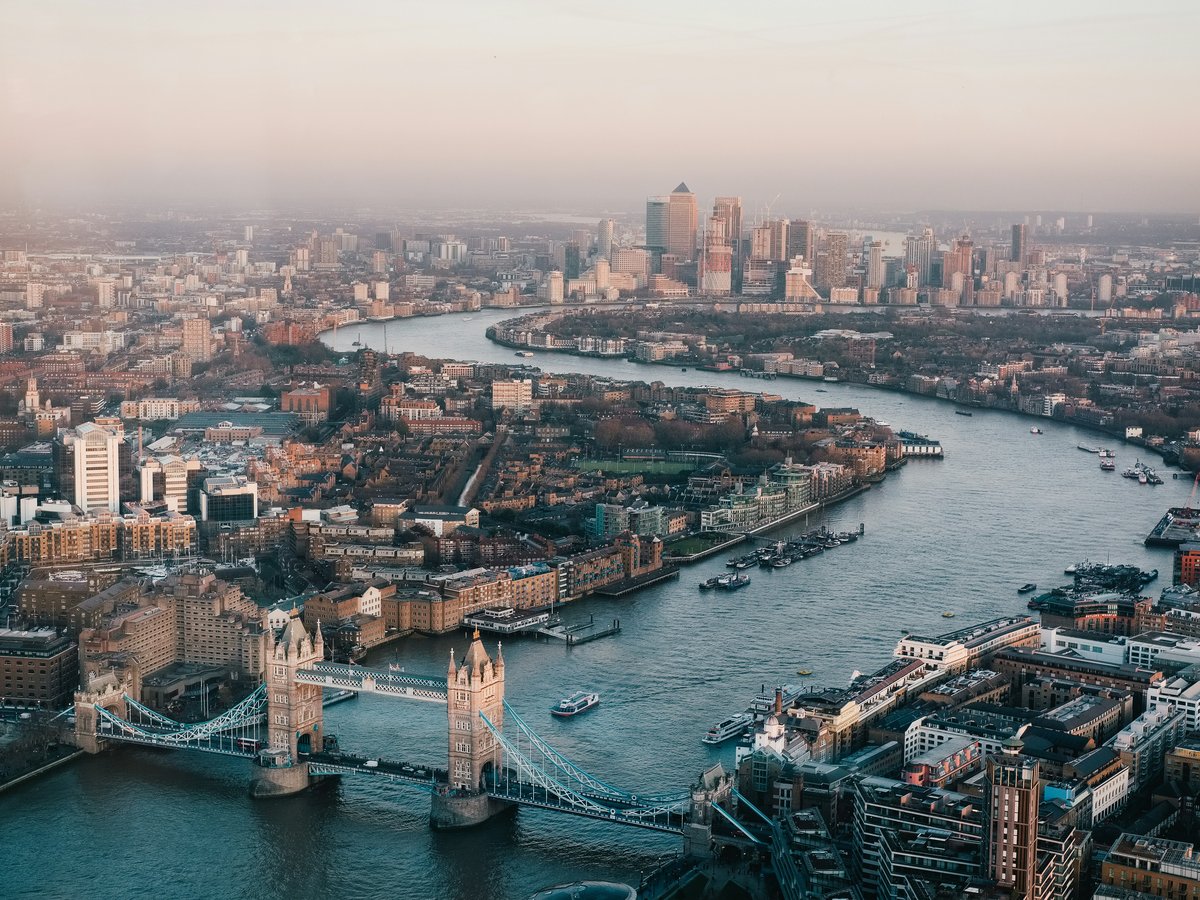
Is London family-friendly?
London is family-friendly: 8/10. Free museums (Natural History, Science, V&A) carry entire rainy days without spending a penny. The Tube is the main caveat: barely a third of stations have step-free access, so strollers mean bus routes or the newer Elizabeth line. Parks are generous, food options accommodate picky eaters, and most major attractions have proper changing facilities.
London's single biggest advantage for families: the national museums charge nothing. The Natural History Museum in South Kensington has a blue whale skeleton that stops toddlers mid-tantrum: the scale of the thing just short-circuits whatever meltdown was building. Next door, the Science Museum runs a hands-on basement gallery for under-5s called The Garden where kids can splash in water tables and build things with oversized soft blocks while you sit on a bench and breathe for twenty minutes. Both museums get packed by 11 am on weekends and school holidays; arrive at opening (10 am) or after 2 pm when the morning crowd thins. The gift shops are placed at every exit, which is either convenient or a trap depending on your resolve.
The Tube is London's defining stroller problem. Only about 90 of 272 stations have step-free access, and 'step-free' sometimes means a ramp to a platform but stairs to the street exit. The Elizabeth line is the exception: every station fully accessible, wide carriages, and it connects Heathrow to central London via Paddington. Buses are reliably stroller-friendly; every London bus has a wheelchair and buggy bay, drivers lower the ramp, and children under 11 ride free with an Oyster card. The trade-off: buses are slower and you'll want Google Maps open because route numbers mean nothing to visitors. Black cabs fit most folded strollers in the luggage area but cost roughly £15–25 (about $20–34) for a two-mile hop. Parks (Hyde Park, Regent's Park, Greenwich Park) are flat, paved-path friendly, and have toilets with changing tables at most of the on-site cafes.
Kid food in London is easier than most European capitals. Chain restaurants like Wagamama, Giraffe, and Nando's all run children's menus with portion sizes that make sense: Wagamama's mini chicken katsu curry (around £7) is the reliable fallback that even the fussiest 4-year-old tends to accept. For something better, try Dishoom in King's Cross: the bacon naan is sweet and smoky enough that kids eat it without argument, the dining room smells of cardamom and toasted cumin, and they don't rush you. Supermarkets solve the rest: a Tesco meal deal keeps a backpack stocked for park picnics. Allergy awareness runs higher in London restaurants than most of the UK; staff at chains are trained to flag the 14 major allergens and most independent places will work with you if you ask. Tap water is safe and free at any restaurant, just ask for it.
A working London day with under-7s looks something like this: morning at a museum or attraction (arrive at opening, leave by noon), lunch somewhere with table service where you're not blocking a queue, then a park for the afternoon wind-down. Hampstead Heath's playground near the cafe has a sandpit that holds attention for an hour while you drink a flat white and watch runners on Parliament Hill. Worth noting: Covent Garden street performers keep kids occupied for free, but the cobbled Piazza is rough on stroller wheels and the surrounding restaurants charge tourist prices for average food. Skip Madame Tussauds: around £33 per adult, £28 per child over 3, queues of 45 minutes even with pre-booked tickets, and most kids under 8 find wax figures unsettling rather than exciting. The London Eye is better value at £30–36 per adult if you book online, though the 30-minute rotation feels long with a restless toddler in a sealed capsule. That said, the view on a clear day is something even a 3-year-old points at.
Weather shapes everything. London's default is 12–18°C and overcast: comfortable for walking but bring layers because temperature drops fast in shade and wind picks up along the Thames embankment. Rain comes in short bursts rather than daylong downpours; a compact umbrella or light rain jacket per family member saves you from ducking into overpriced tourist shops for emergency ponchos. Sunburn catches families off guard in June and July when UV spikes despite cloud cover: put sun cream on even when it looks grey. Public toilets exist but they're often coin-operated (30–50p); the real move is ducking into any M&S, John Lewis, or department store: clean, free, changing tables on most floors. Pharmacies like Boots stock Calpol, nappies, and children's antihistamines without prescription. The NHS non-emergency line (111) handles after-hours medical questions, and Great Ormond Street Hospital in Bloomsbury is one of Europe's best paediatric centres if something serious comes up.
Stroller-friendly streets and tourist sites.
Kid-friendly attractions
- Natural History Museum (South Kensington)
- Science Museum (South Kensington)
- Diana Memorial Playground (Kensington Gardens)
- London Zoo (Regent's Park)
- SEA LIFE London Aquarium (South Bank)
- HMS Belfast (Tower Bridge)
- Mudchute Farm (Isle of Dogs)
- Young V&A (Bethnal Green)
- London Transport Museum (Covent Garden)
- Cutty Sark (Greenwich)
- Hampstead Heath playground
- Horniman Museum (Forest Hill)
Child safety notes
London is generally safe for children. Watch for cyclists in dedicated lanes: they move fast and kids wander into them. The Thames has no barriers in some stretches east of Tower Bridge. Pickpockets target distracted parents near major tourist sites; keep valuables in a front bag.
Last verified by automated review (v1.7.2) on . What is automated review?