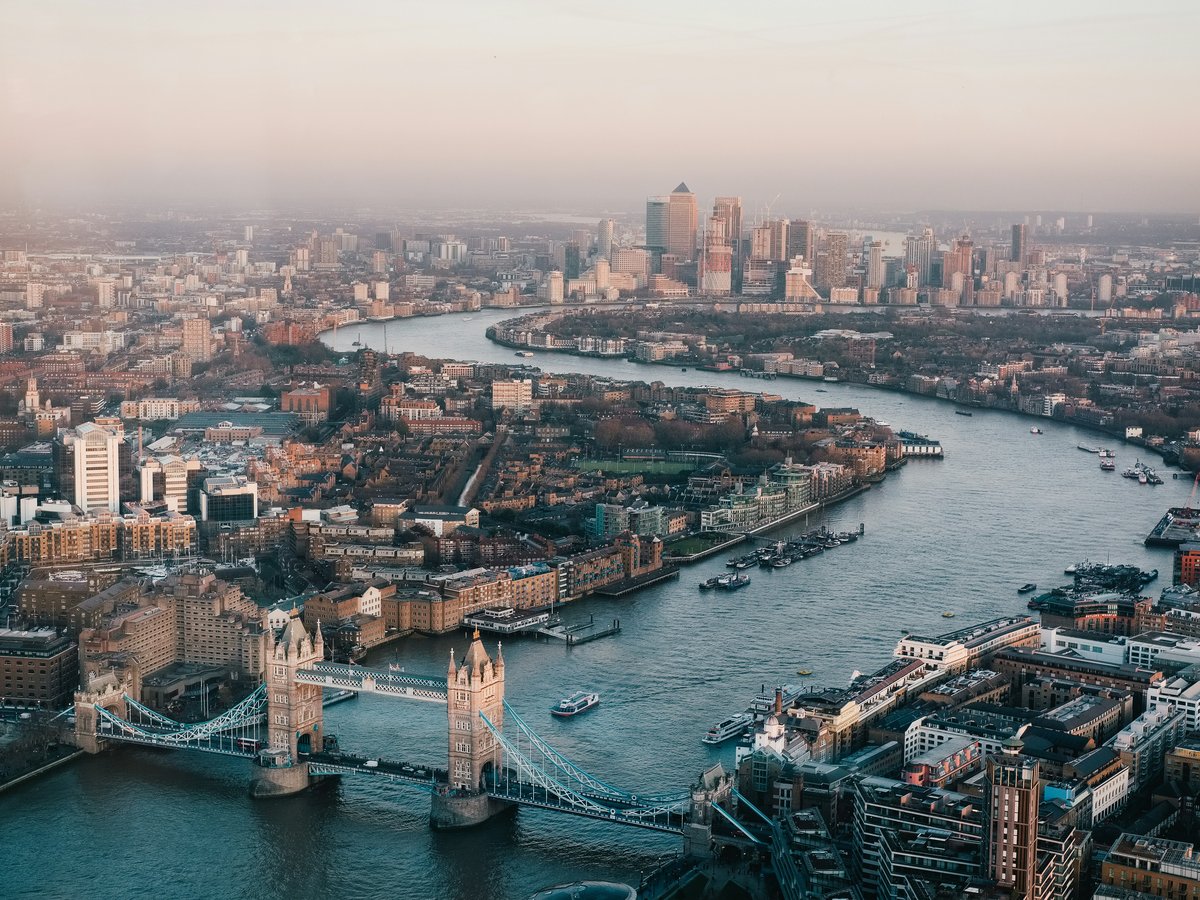
London's museums are not confined to Bloomsbury. This list starts with the British Museum, which dates from 1753, and ends at a British clipper ship. Along the way it takes in a castle in central London, the official London residence of the British monarch, an observatory in Greenwich, and a modern art gallery on Bankside. Several of these are Grade I listed buildings, and two fall within UNESCO World Heritage designations. Many of the buildings matter as much as what hangs or stands inside them. The list is for a visitor with limited days who wants to choose well rather than tick boxes, so pick a late-opening night for the big galleries, plan a full day for the palaces, and spend a morning in Greenwich instead of fighting the West End at noon. Two or three of these done properly will beat eight done in a sprint. Opening times on the ground can change, so check the hours below before you set off.
-
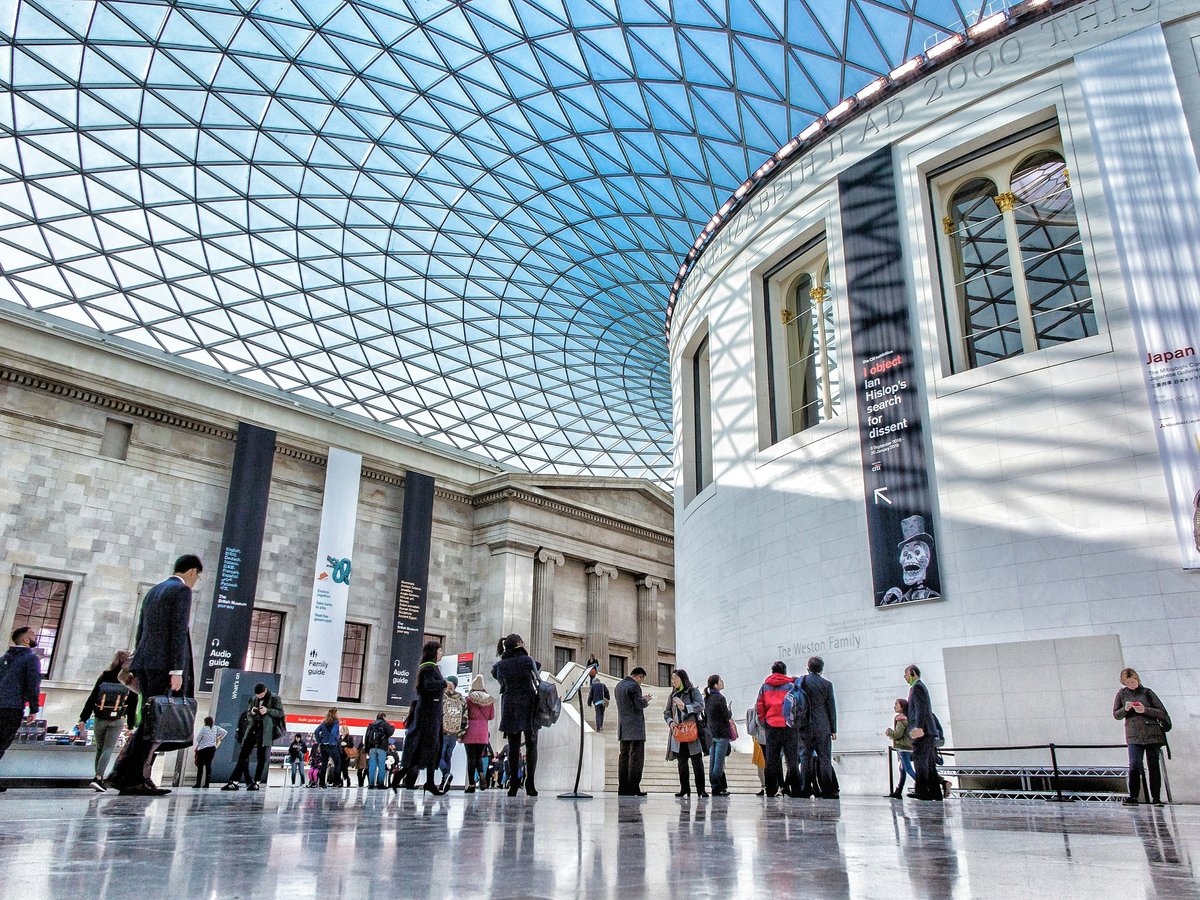
1 British Museum
Great Russell St, Bloomsbury, London WC1B 3DG, UKA Friday visit, with the doors open until 20:30
Friday is the night to go, because the British Museum on Great Russell St, WC1B 3DG stays open until 20:30. Every other day, Saturday through Thursday, it runs 10:00 to 17:00. Skip the midday scramble through the front galleries; come after work on a Friday, when the rooms feel less like a queue and more like a library. It is a national museum dating from 1753, and the building itself is Grade I listed. Pick two rooms, not twenty. The place rewards a narrow, unhurried visit and punishes anyone who tries to see everything before closing.
Dates from 1753 · Grade I listed building
Hours: Sa-Th 10:00-17:00; Fr 10:00-20:30
-
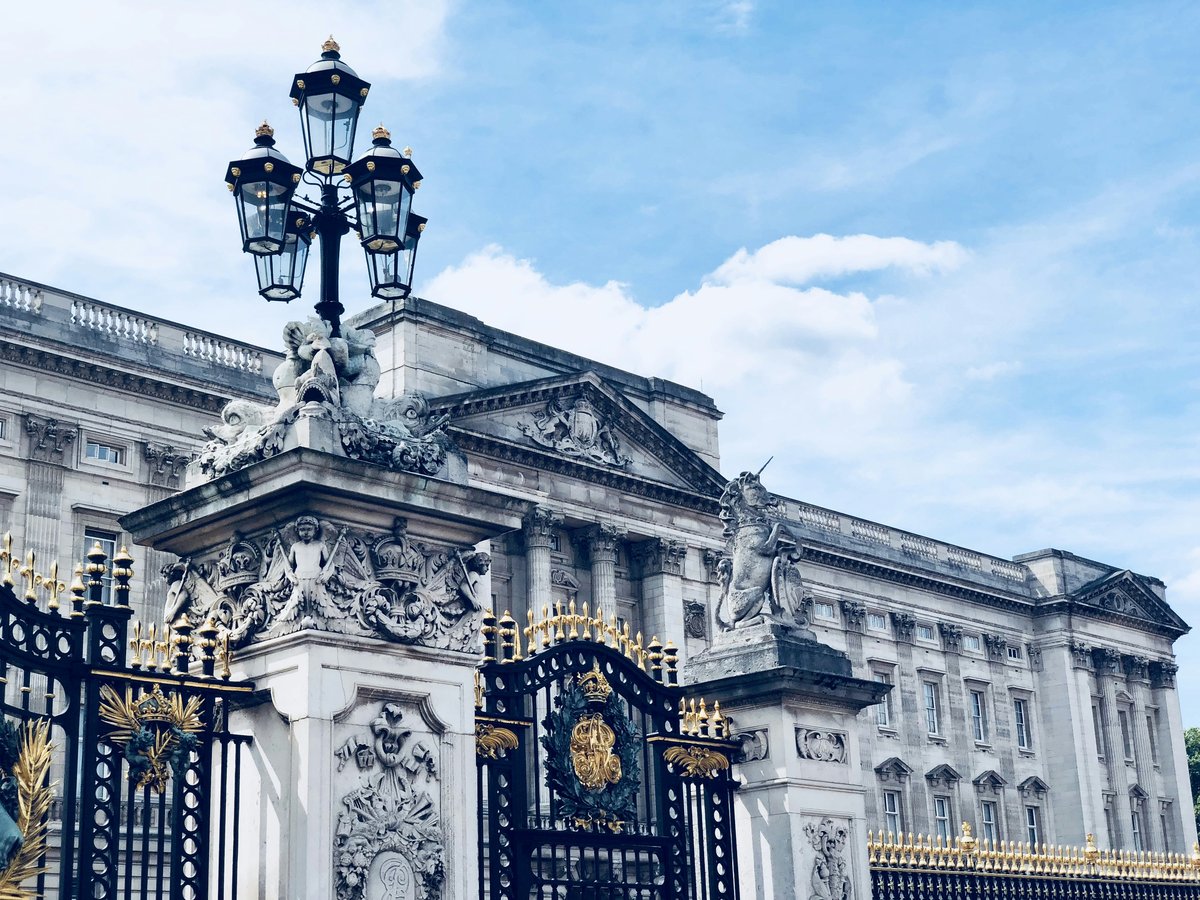
2 Buckingham Palace
London SW1A 1AAThe official London residence and principal workplace of the British monarch, open to visitors
The entire address of Buckingham Palace is London SW1A 1AA, which says something about how little it needs to explain itself. This is the official London residence and principal workplace of the British monarch, so the posted hours of 10:00 to 17:30 mean a working building making room for you, not a museum built around you. Skip the scrum at the railings; the inside is the reason to come. The house dates from 1703 and is a Grade I listed building. Give it a whole morning, and leave the photo at the gates for the walk out.
Dates from 1703 · Grade I listed building
Hours: Mo-Su 10:00-17:30
-
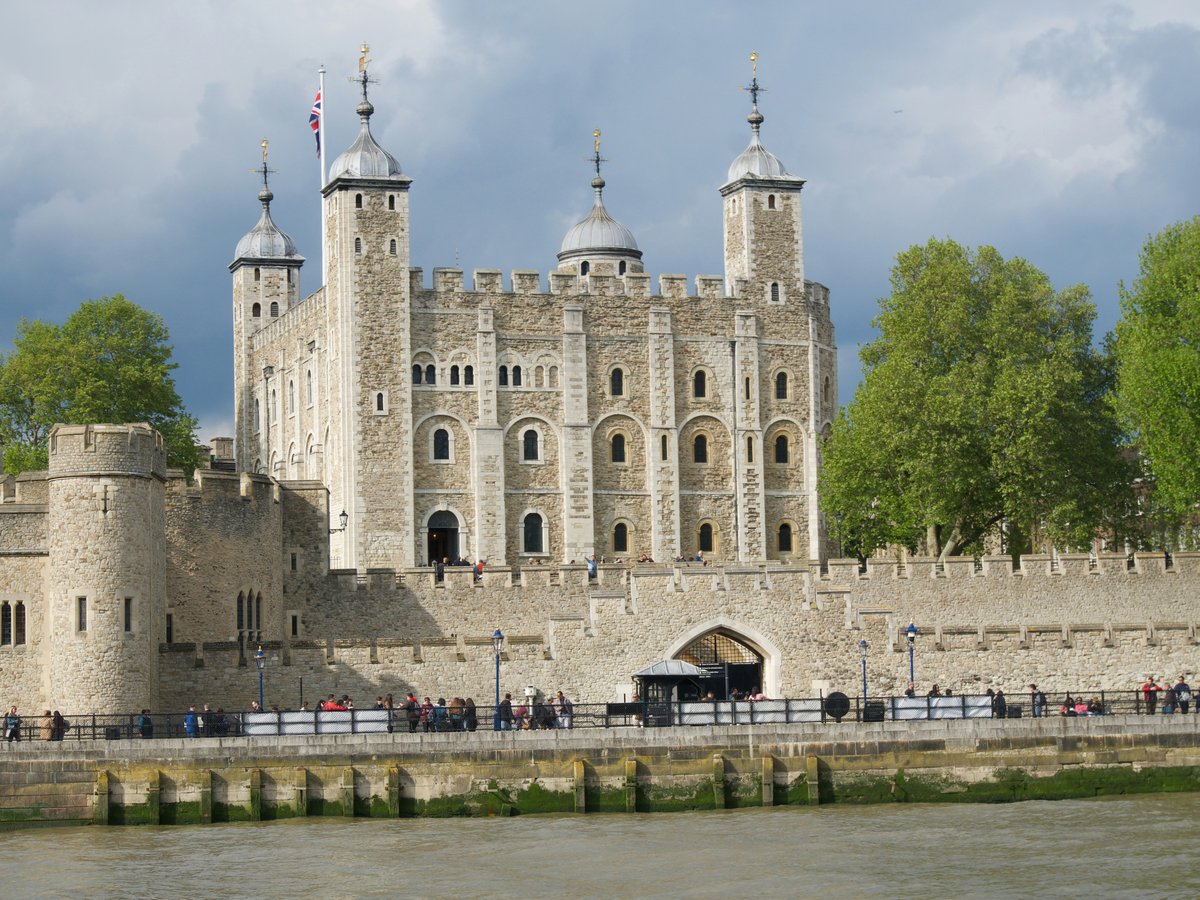
3 Tower of London
Tower Hill, London EC3N 4ABA castle dating from 1066 that is also a UNESCO World Heritage Site
Dating from 1066, the Tower of London still stands at Tower Hill, London EC3N 4AB, a castle in central London and a UNESCO World Heritage Site, and unlike everything else on this list, the walls themselves are the exhibit. Don't try to squeeze it into an hour between other stops. Give it a long morning: walk the circuit slowly, read the stonework, and let the place set the pace. Come early, wear proper shoes, and resist the urge to treat it as a backdrop.
Dates from 1066 · UNESCO World Heritage Site
-
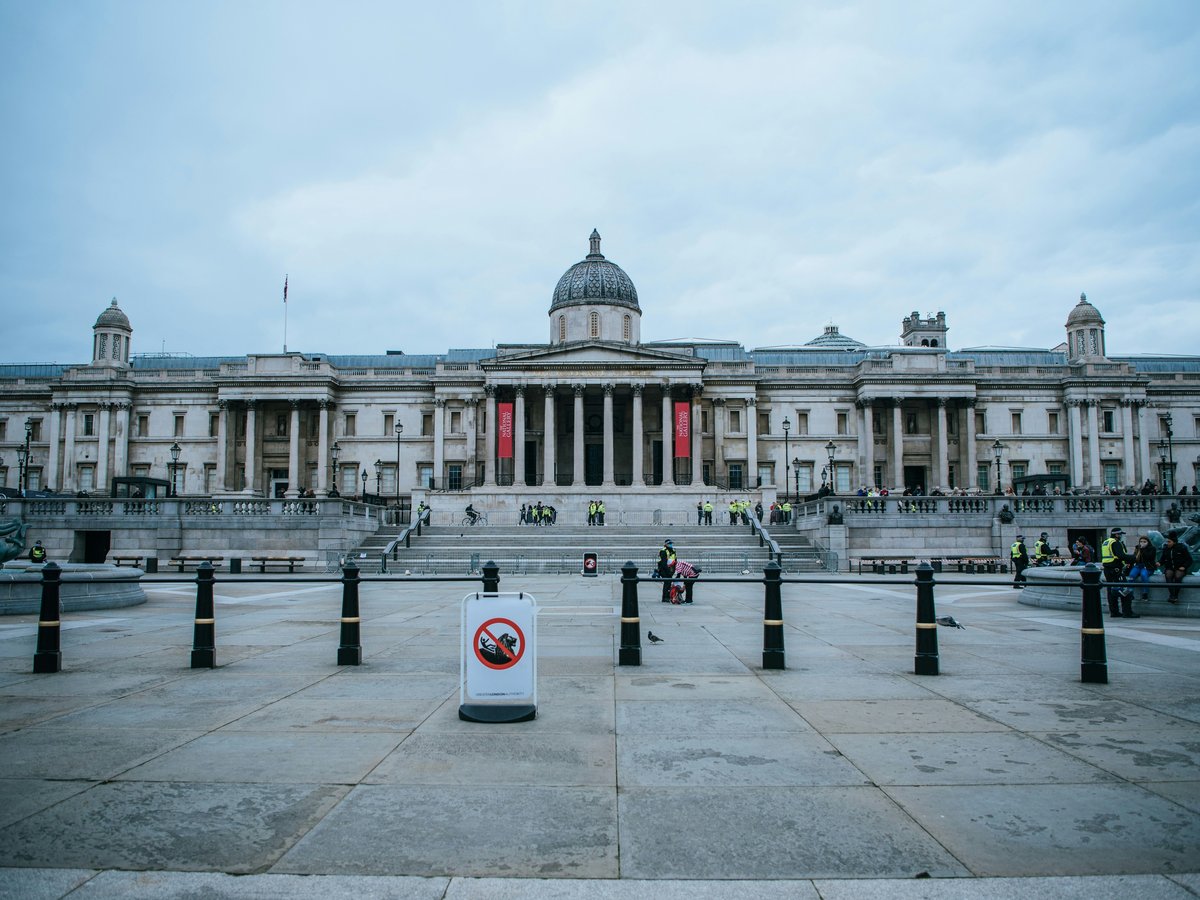
4 National Gallery
Trafalgar Square, London WC2N 5DNFriday evenings, with the galleries open until 21:00
On Fridays the National Gallery on Trafalgar Square, WC2N 5DN stays open until 21:00, while Saturday to Thursday the hours run 10:00 to 18:00. An art museum dating from 1824 and housed in a Grade I listed building, it draws locals in after work on Fridays, when an hour in front of a few paintings beats a whole afternoon shuffling past hundreds. Pick one wing, sit down, and look properly. Check what is on before you go at nationalgallery.org.uk.
Dates from 1824 · Grade I listed building
Hours: Sa-Th 10:00-18:00; Fr 10:00-21:00
-

5 Madame Tussauds
Madame Tussauds, Marylebone Road, London, NW15LRLondon's wax museum, dating from 1839
On Marylebone Road, NW15LR, Madame Tussauds opens at 09:30 on weekdays and 09:00 at weekends. A wax museum dating from 1839, it has been on this road long enough that the name belongs to the city's entertainment history rather than reading as a recent import. Know what you are walking into: this is the one pick on the list built entirely around spectacle, and that is fine if spectacle is the point. Skip a peak weekend afternoon. Arrive at opening, move at a decent pace, and plan to be out by 17:30 on a weekday or 18:00 on a Saturday or Sunday. Details are at madametussauds.com.
Dates from 1839
Hours: Mo-Fr 09:30-17:30; Sa-Su 09:00-18:00
-
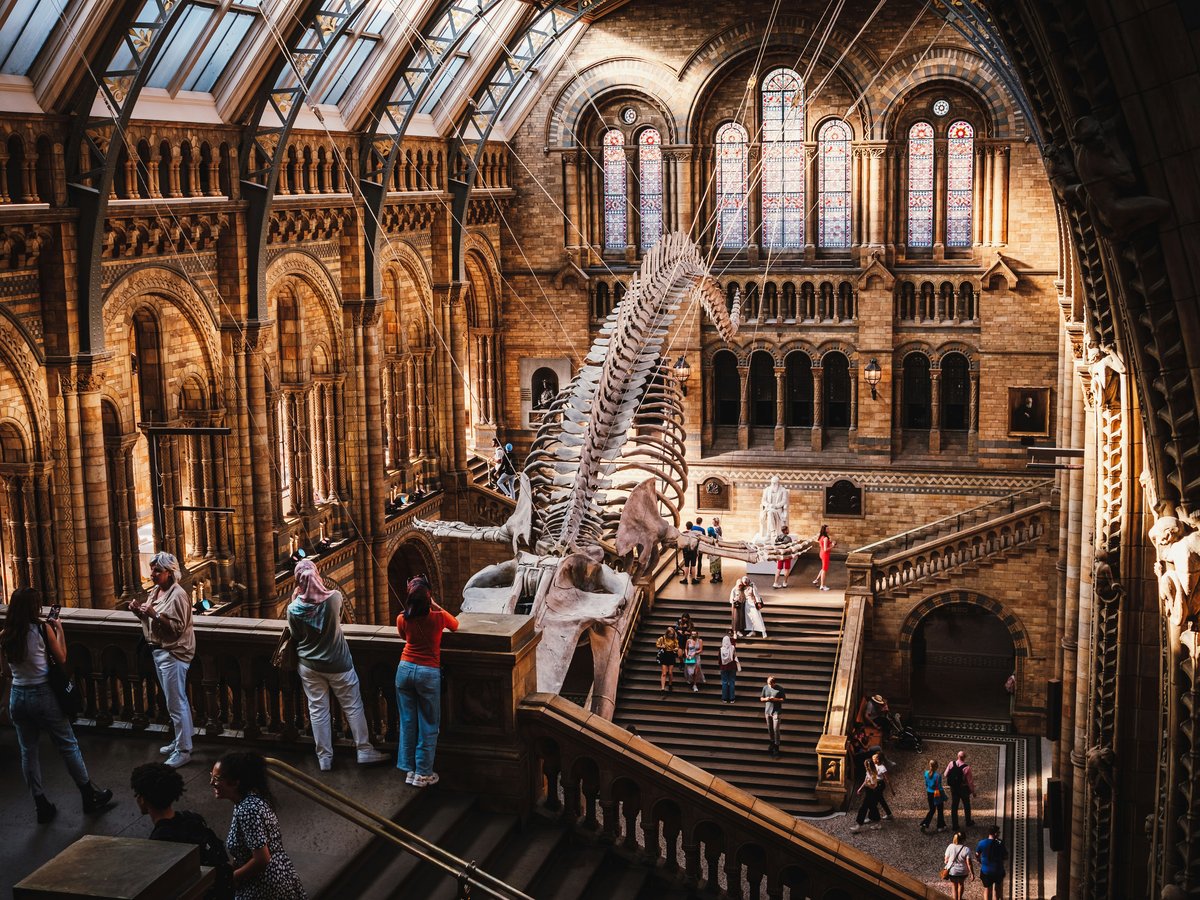
6 Victoria and Albert Museum
Cromwell GardensFriday openings until 22:00
Dated to 1852, the Victoria and Albert Museum is at Cromwell Gardens, open 10:00 to 17:45 Saturday to Thursday, until 22:00 on Fridays, and closed from 24 to 26 December. Avoid the weekend afternoon crush and use that late Friday window instead, when you can wander without a plan and still find a quiet corner. A museum in London, its galleries work best when you treat them like a district of their own: drift, get a little lost, then double back to whatever caught your eye. Current displays are listed at vam.ac.uk.
Dates from 1852
-
7 Royal Observatory
Blackheath Avenue, London, SE10 8XJAn observatory dating from 1675, part of a UNESCO World Heritage Site
The Royal Observatory on Blackheath Avenue, SE10 8XJ dates from 1675 and forms part of a UNESCO World Heritage Site, sitting above Greenwich with doors open daily from 10:00 to 18:00 except from 24 to 26 December. Racing up for a photograph and straight back down wastes the place. The reward is in the slow version, giving the instruments and the view their time, and that means making this the anchor of a Greenwich morning rather than a box ticked on a West End day. Plan the visit at rmg.co.uk.
Dates from 1675 · Part of a UNESCO World Heritage Site
-
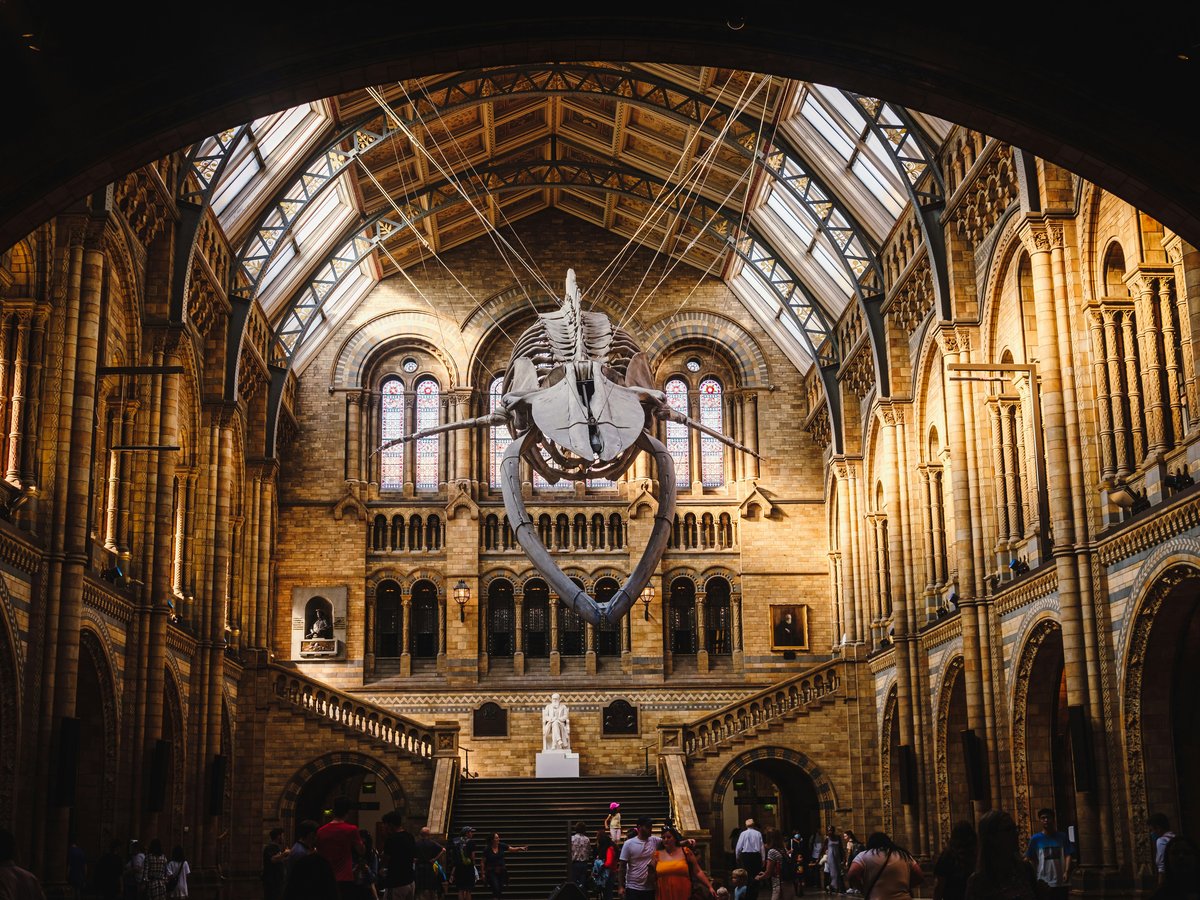
8 Natural History Museum
Cromwell Road, London, SW7 5BDA Grade I listed building dating from 1881
The Natural History Museum is a Grade I listed building on Cromwell Road, SW7 5BD, a museum in London dating from 1881, with hours of 10:00 to 17:30. Avoid a school-holiday afternoon unless you are bringing the school holiday with you. The architecture deserves as much attention as the specimens, so spend the first few minutes looking up before you head for the galleries. Arrive at opening, start with the room you care about most, and leave while you are still curious. Exhibitions are listed at nhm.ac.uk.
Dates from 1881 · Grade I listed building
Hours: 10:00-17:30
-
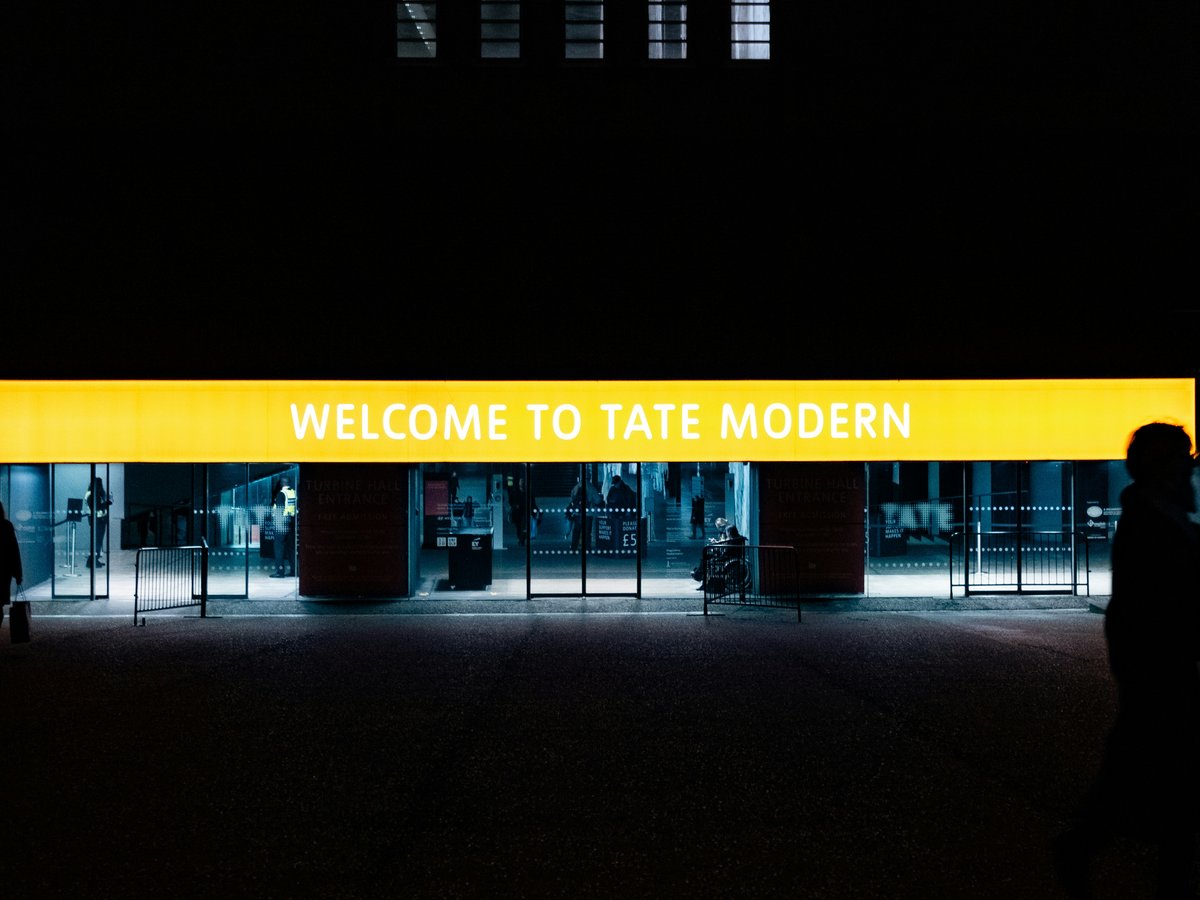
9 Tate Modern
Bankside, London, SE1 9TGModern art on Bankside, open until 21:00 on Fridays and Saturdays
Tate Modern sits at Bankside, SE1 9TG, a modern art gallery that dates from 1992, and the riverside setting is as much part of the visit as anything inside. Friday and Saturday evenings run until 21:00; Sunday to Thursday the doors close at 18:00. Skip the daytime crush and come for a weekend evening, when you can stand in front of one work for ten minutes without being jostled.
Dates from 1992
Hours: Su-Th 10:00-18:00; Fr-Sa 10:00-21:00
-
10 Hampton Court Palace
Hampton Court Palace, East Molesey KT8 9AUA historic royal palace dating from 1515
Hampton Court Palace, at East Molesey, KT8 9AU, is a historic royal palace in Richmond, Greater London, and a Grade I listed building that dates to 1515. Don't try to squeeze it into half a day between central sights; it asks for a full day and repays one. Pack food, set off early, and treat it as an excursion rather than an errand. No opening hours are carried here, so check times at hrp.org.uk before you travel.
Dates from 1515 · Grade I listed building
-
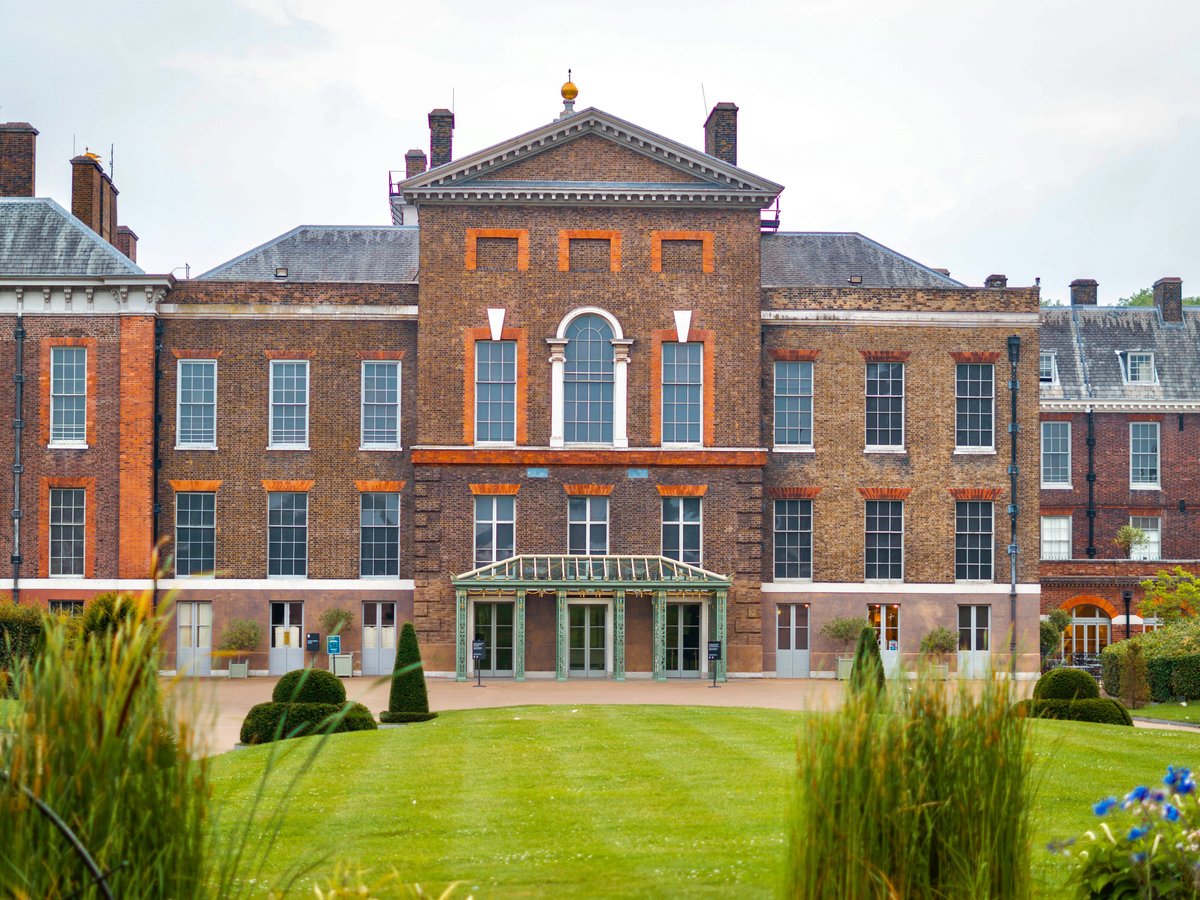
11 Kensington Palace
Kensington Palace, Kensington Gardens, London, W8 4PXA royal residence in Kensington Gardens, dating from 1605
A Grade I listed building in Kensington Gardens, W8 4PX, Kensington Palace is a royal residence dating from 1605. The doors open at 09:00 and close at 16:00 every day, which makes this a morning visit, not something to hold back for late afternoon. Don't plan to tack it onto the end of a museum day; you will arrive to find it shut. Go early, take your time inside, then walk out into the gardens while the rest of the city is still queuing elsewhere.
Dates from 1605 · Grade I listed building
Hours: Mo-Su 09:00-16:00
-
12 Cutty Sark
43 King William Walk, London, SE10 9HTA British clipper ship that is also a Grade I listed building
The Cutty Sark, at 43 King William Walk, SE10 9HT, opens from 10:00 to 17:00. A British clipper ship that, unusually for a vessel, carries a Grade I listed building designation, it gives you something a generic river cruise cannot: you stand on the thing itself and judge its lines up close, rather than watching the water from a plastic seat. We'd pair it with a slow Greenwich day rather than rushing it before closing. Check visiting details at rmg.co.uk.
Grade I listed building
Hours: 10:00-17:00
Last verified by automated review (v1.7.2_fame1017d-1015-718-20261017175144) on . What is automated review?