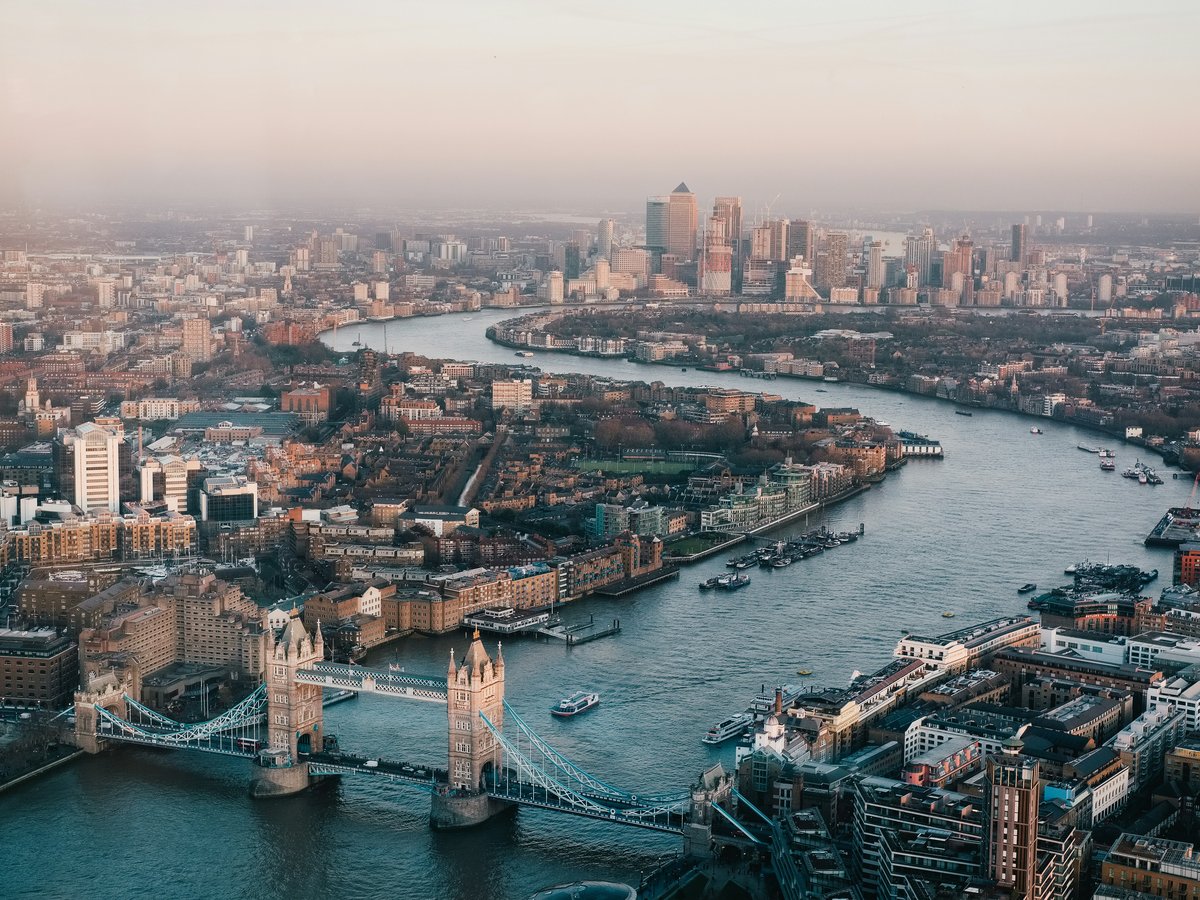
The Thames bends through London in a broad S-curve, and that single geographic fact has shaped nearly everything about the city, which side of the river carries the money, which carries the grit, where the bridges funnel foot traffic into knots of commerce and theatre. Nearly nine million people live here, making it the largest city in Western Europe, and yet London operates less like a single metropolis than like three dozen villages that happen to share a tube map. Your first morning might start in Bermondsey, where railway arches house coffee roasters and cheese caves, and by afternoon you could be standing in the reading room of the British Museum without having paid a penny for admission, because London's national museums are free: a policy that quietly separates it from almost every other capital on earth. The historical arc runs from Roman garrison town to medieval trading port to imperial capital to postwar austerity to the polyglot financial centre it is today, and each era left its residue in the built environment: a fragment of Roman wall near the Barbican, Wren's Portland stone churches rebuilt after the 1666 fire, the concrete Brutalism of the Southbank Centre, glass towers crowding the City and Canary Wharf. Locals navigate by neighbourhood (Hackney, Peckham, Brixton, Camden, Dalston) and each name carries associations about food, rent, music, and who you might run into at the pub. The weather is milder than its reputation suggests; average winter lows sit around four degrees Celsius, and snow is rare enough to shut the transport network when it arrives. What catches first-time visitors off guard is not the grandeur but the granularity: a city this old and this large rewards anyone willing to walk one extra street past the obvious attraction and notice what happens at ground level.
London in photos
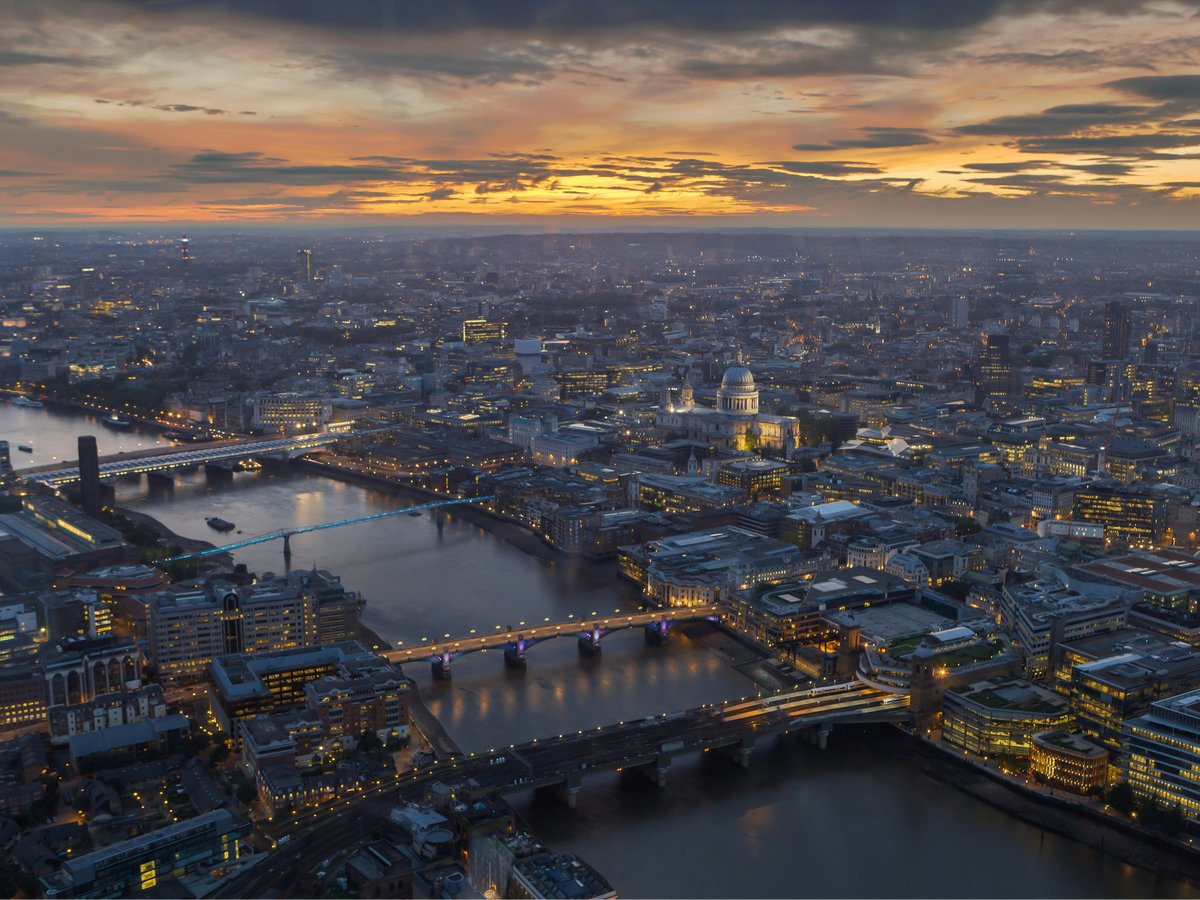
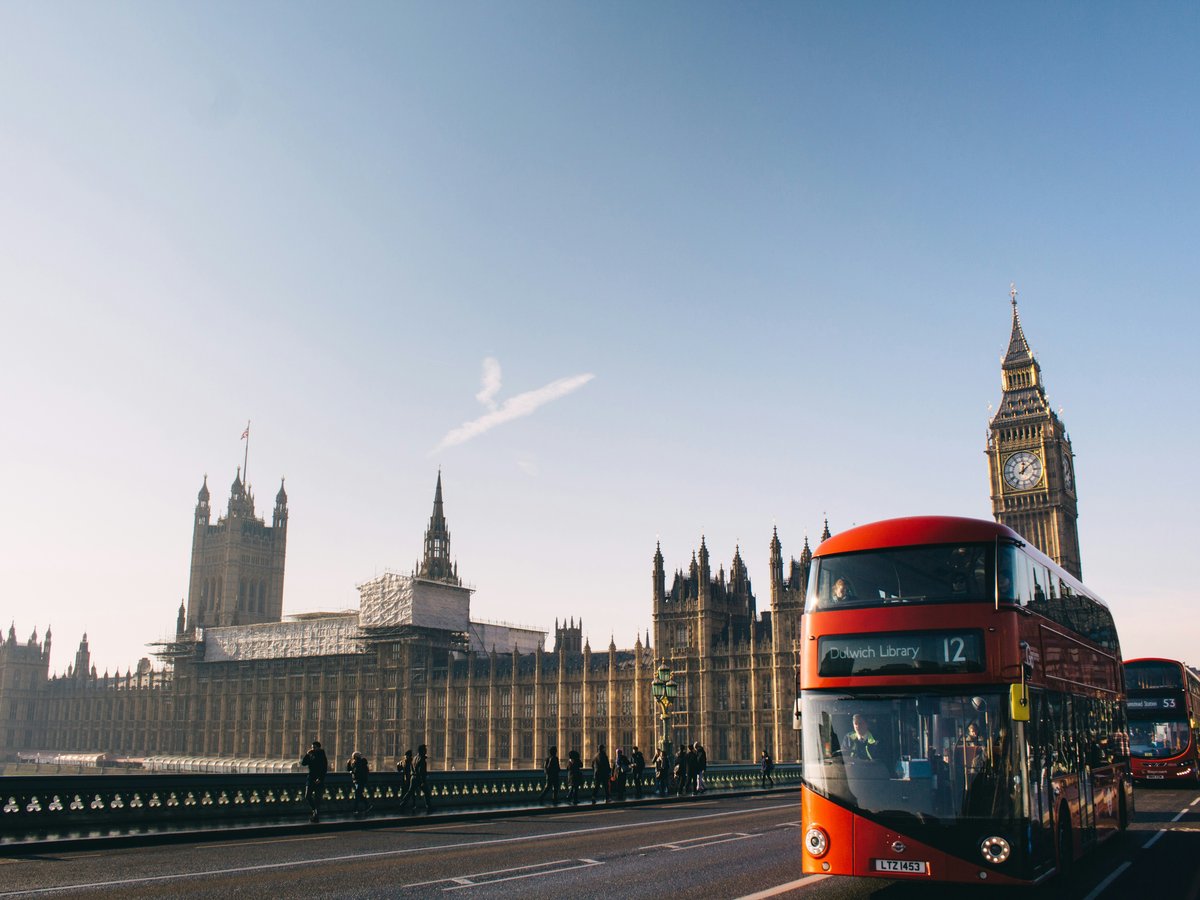
London right now
Answers about London
-
Airport to city
From Heathrow, take the Elizabeth Line: around £5.60 on contactless, 30 minutes to Paddington or straight through to Tottenham Court Road without changing. The Heathrow Express is faster at 15 minutes but £25. After midnight, Uber runs £45-70 to central London. From Gatwick: Thameslink to St Pancras, roughly £12, 35 minutes.
Read the full answer → -
Best time to visit
September is the strongest choice for a first trip, and late May through June runs a close second. By September the summer crowds have thinned, room rates ease from their peak, and the days are still mild enough to walk between sights. June gives you the longest evenings, which helps with jet lag. Steer clear of August's school-holiday queues and the short, grey days of January and February.
Read the full answer → -
Cost per day
Budget travelers spend £45-55 ($60-75) per day in London on a hostel dorm, supermarket meal deals at £3.50, and free national museums. Midrange runs £130 ($175). Over 10 major museums, from the British Museum to Tate Modern, charge nothing for permanent collections. That gives London a sharp cost edge over Paris or Rome.
Read the full answer → -
Cultural etiquette
London runs on quiet politeness: say please and thank you for everything, queue without cutting, and keep your voice down on the Tube. Tipping is optional but 10-12.5% at sit-down restaurants is standard. The biggest mistake visitors make is standing on the left side of escalators. Stand right, walk left.
Read the full answer → -
Best day trips
Bath is the strongest single-day trip from London for couples: 90 minutes by GWR from Paddington, with the Roman Baths for the history partner and Thermae Bath Spa's rooftop pool for the one who wants to decompress. Brighton and Whitstable are strong warm-weather alternatives, both under an hour by train. Oxford and Rye round out the options.
Read the full answer → -
Digital nomads
London scores 5.8/10 for digital nomads (sourced from TTDI's editorial rubric). Fibre is fast in newer buildings, monthly hot desks run £200-£350, and two large libraries are free to work in. The drawbacks are cost, about $5,000 a month for one person, and the lack of a nomad visa. Visitors may work remotely for an overseas employer.
Read the full answer → -
Family-friendly
London is family-friendly: 8/10. Free museums (Natural History, Science, V&A) carry entire rainy days without spending a penny. The Tube is the main caveat: barely a third of stations have step-free access, so strollers mean bus routes or the newer Elizabeth line. Parks are generous, food options accommodate picky eaters, and most major attractions have proper changing facilities.
Read the full answer → -
Food culture
London's food identity is immigrant-built. The best meals tend to come from communities that settled specific postcodes: Bengali cooks in Whitechapel, Cantonese roast-meat shops in Chinatown, Turkish ocakbasi grills along Green Lanes in Harringay. Skip the tourist-facing restaurants near major stations. The real eating happens in neighbourhood markets and at counters where English might be the third language spoken.
Read the full answer → -
Getting around
Oyster card or contactless bank card on the Tube covers most of London. The Underground runs 11 lines across 270 stations; buses fill the gaps and run all night. Black cabs are expensive but honest on the meter. Uber works well after midnight. Walking is the best way to connect nearby neighborhoods.
Read the full answer → -
How to get there
London has six airports. Heathrow (LHR), 24 km west, handles most long-haul traffic on BA, Virgin Atlantic, American, United, and Delta. Gatwick (LGW), 45 km south, splits between scheduled and budget carriers. From the US East Coast, direct flights run 7-8 hours at $500-900 round-trip. The Eurostar from Paris Gare du Nord takes 2 hours 15 minutes to St Pancras.
Read the full answer → -
Is it safe?
London scores 7.8 out of 10 for solo-traveler safety (see the TTDI Solo-Safety Index). Violent crime against visitors is rare; the real risks are phone snatching on e-bikes in Westminster and Camden, pickpockets on the Central and Jubilee lines during rush hour, and unlicensed minicabs after midnight. Emergency number is 999.
Read the full answer → -
Layover guide
Yes, with at least 6 hours at Heathrow. The Elizabeth line reaches Paddington in 27 minutes for £12.80, and the Piccadilly line takes about 50 minutes to central London for £5.50 on contactless. Budget 20-40 minutes for UK Border Force each way and 90 minutes back at the terminal before boarding. Under 6 hours, stay airside.
Read the full answer → -
LGBTQ-friendly
London is 9/10: same-sex marriage has been legal in England since 2014, the Equality Act 2010 provides broad protections, and the queer scene runs from Soho's Old Compton Street to Vauxhall's club circuit to Dalston's art-crowd brunch spots. Same-sex couples hold hands freely across central London. Pride draws over 1.5 million each June.
Read the full answer → -
Where locals go
Londoners spend Saturday mornings at Broadway Market in Hackney and Sundays at Columbia Road Flower Market. Weeknights belong to cask-ale pubs like the Wenlock Arms in Hoxton, and the Hampstead Heath ponds fill with swimmers throughout the year. For laptop days, head to the Barbican Library or the Wellcome Collection reading room. Many Hackney cafes ban laptops at weekends.
Read the full answer → -
Must-see
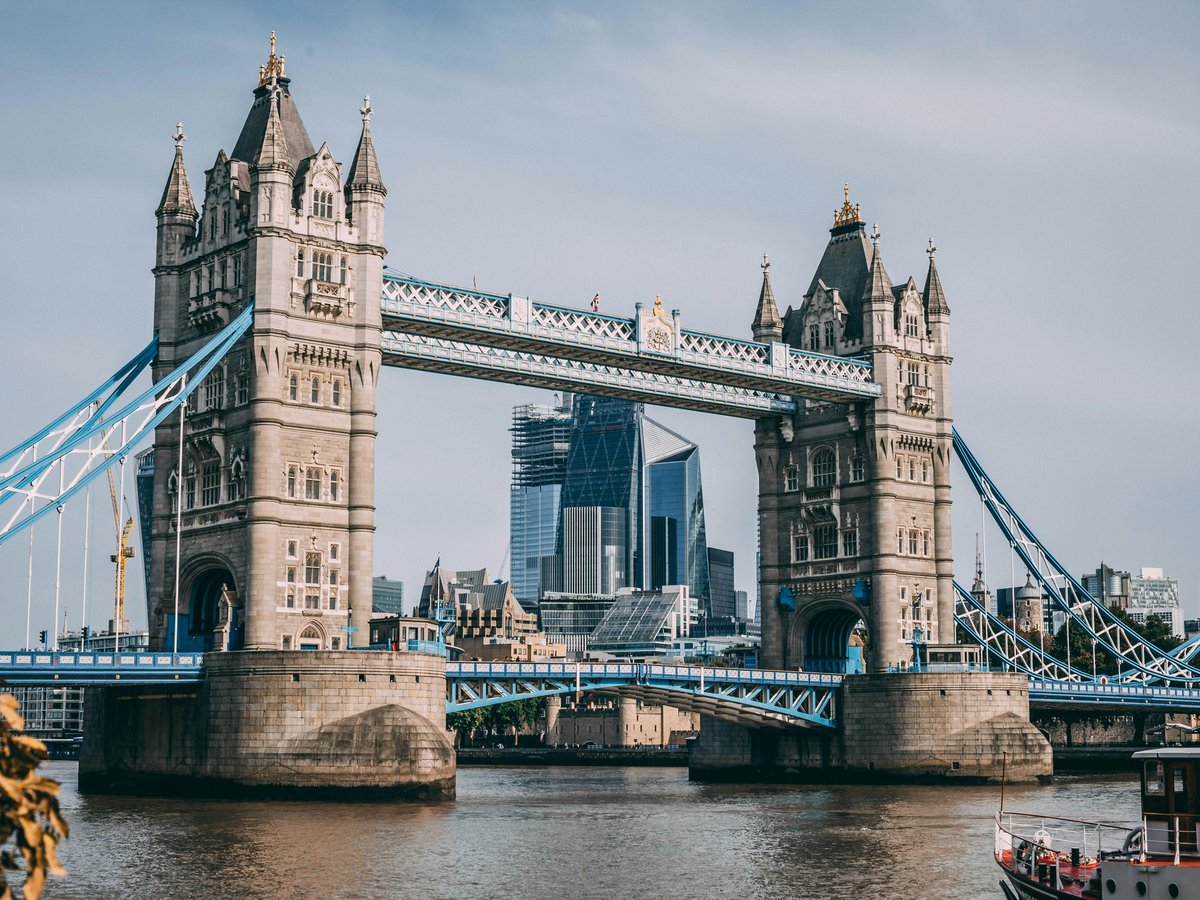
The Tower of London, not the London Eye. The Eye is a 30-minute queue for a view you'll forget; the Tower is where 950 years of English power: coronation regalia, execution blocks, the ravens that supposedly keep the kingdom standing: sit inside Norman stone walls on the Thames. Book a 9am entry online to beat school groups.
Read the full answer → -
Solo travel
London is an 8/10 for solo travel and might be Europe's most navigable city for people travelling alone. The Tube keeps you moving past midnight on weekends, free museums remove the entry-fee burden, and counter-dining culture means eating alone carries zero stigma here.
Read the full answer → -
This week
London's week turns on market days and pub rhythms. Borough Market trades Wednesday through Saturday. Portobello Road peaks Saturday. Columbia Road Flower Market fills Sunday mornings in Bethnal Green. Friday is the big pub night across the City. Sunday trading laws shorten shop hours, and most West End shows skip Sundays too.
Read the full answer → -
3-day itinerary
Day 1 is Westminster and the South Bank on foot: Abbey at 9:30am, Borough Market lunch, Tate Modern, St Paul's evensong. Day 2 heads east to the Tower of London at 9am, Tower Bridge, then north to the British Museum. Day 3 goes west: V&A, Hyde Park, Portobello Road. About 21 kilometres of walking over the three days, all within zones 1 and 2.
Read the full answer → -
What to avoid
Skip Madame Tussauds, M&M's World in Leicester Square, and the Heathrow Express. Watch the guard change at Horse Guards Parade rather than at the crowded railings of Buckingham Palace, swap the London Eye for free views from Sky Garden or Horizon 22, and never stop for the cup-and-ball gamblers on Westminster Bridge. Tap contactless on the Tube instead of buying paper tickets.
Read the full answer → -
What to pack
A packable rain jacket that lives in your day bag: London shifts from sun to drizzle three times before lunch. Layer for 8-22°C depending on season, bring a UK Type G adapter (the three-prong plug nothing else uses), and walking shoes with grip for wet, uneven pavements. Skip the umbrella; Boots sells them for £5.
Read the full answer → -
Where to stay
King's Cross or Bloomsbury for a first visit: you're on the Northern, Piccadilly, Victoria, and Circle lines from one cluster, ten minutes' walk from the British Museum, and hotels run $130–$220 a night. South Kensington if museums matter most. Avoid booking near Heathrow thinking you'll save; the Tube ride eats an hour each way.
Read the full answer →
Deep guides for London
Curated lists for London
accommodation
-
Best boutique hotels
London distributes its hotel stock across neighborhoods that function as separate towns, and where you base yourself shapes the whole trip. Paddington and Bloomsbury put you within walking distance of museums and parks, though prices climb fast near the station concourses. South of the river, Waterloo trades period charm for direct Tube lines and conference-hotel inventory. Further out, Earl's Court and Hammersmith offer lower nightly rates on quieter residential streets, while Kensington splits the difference between access and calm. Tower Hamlets pulls east toward the docklands, where modern towers face the river. At the edges, Heathrow's perimeter hotels serve the layover crowd, and Croydon's Spurgeon's Bridge prices the city at its cheapest. St Pancras, wedged between Bloomsbury and King's Cross, anchors the Eurostar corridor. These ten neighborhoods cover the real spread of where travelers sleep in London, from the $87 floor in Croydon to the $198 river-view rooms near Tower Bridge.
See the picks → -
Best hostels
London's hostel inventory does not cluster around one postcode. Budget beds scatter from the Eurostar concourse at St Pancras to the terraced streets south of Croydon, and the price spread between a $19 bunk in Bloomsbury and an $80 room in Camden buys a different city in each direction. The neighborhoods where budget travelers sleep share one trait: a Tube or Overground station close enough to walk. Some sit inside the tourist corridor, where you trade quiet for proximity to museums and theatres. Others anchor to the suburban rail network, where a clean room and silence come with a longer commute. This guide maps the ten areas where London's hostel and budget stock concentrates, ranked by density of inventory. Read it as a transit guide for cheap sleep: which station to aim for, what the walk home looks like, and whether the trade-off between access and price fits your trip.
See the picks → -

Best luxury hotels
The twelve luxury hotels on this list occupy different corners of central London. Every one carries a luxury-tier classification, and that is where the similarity ends. One has a bowling alley. Another keeps a squash court. A third lists a golf course among its amenities. Several run full spa complexes with indoor pools, saunas, and massage rooms; others offer an executive lounge and a tea room instead. Nightly rates range from USD 220 to just above USD 1000, and Trip.com guest ratings span from 8.6 to 9.7. The spread matters because the wrong luxury hotel in London is not a bad stay; it is a mismatch between what you wanted and what the property delivers. Each entry below explains the specific thing this hotel does that its neighbors do not.
See the picks → -
Where to stay
London sorts itself into neighborhoods that feel like separate cities, and the accommodation decision is really a neighborhood decision. The West End puts theater and restaurants at the door but charges for the address. Bloomsbury and Paddington sit close enough to the center for a short Tube ride but keep prices a tier lower. South of the Thames, Waterloo trades postcard charm for direct sightlines to Parliament and a rail hub that reaches half the country. Farther out, Earl's Court and Heathrow serve different kinds of practical: one is the affordable residential base with a fast Piccadilly Line connection, the other is the overnight stop before a morning flight. The ten areas below run from highest hotel density to lowest, each with tier-balanced picks so you can compare a $19 hostel bunk in Bloomsbury against a $1,840 suite in Mayfair and decide what the address is worth to you.
See the picks →
attractions
-
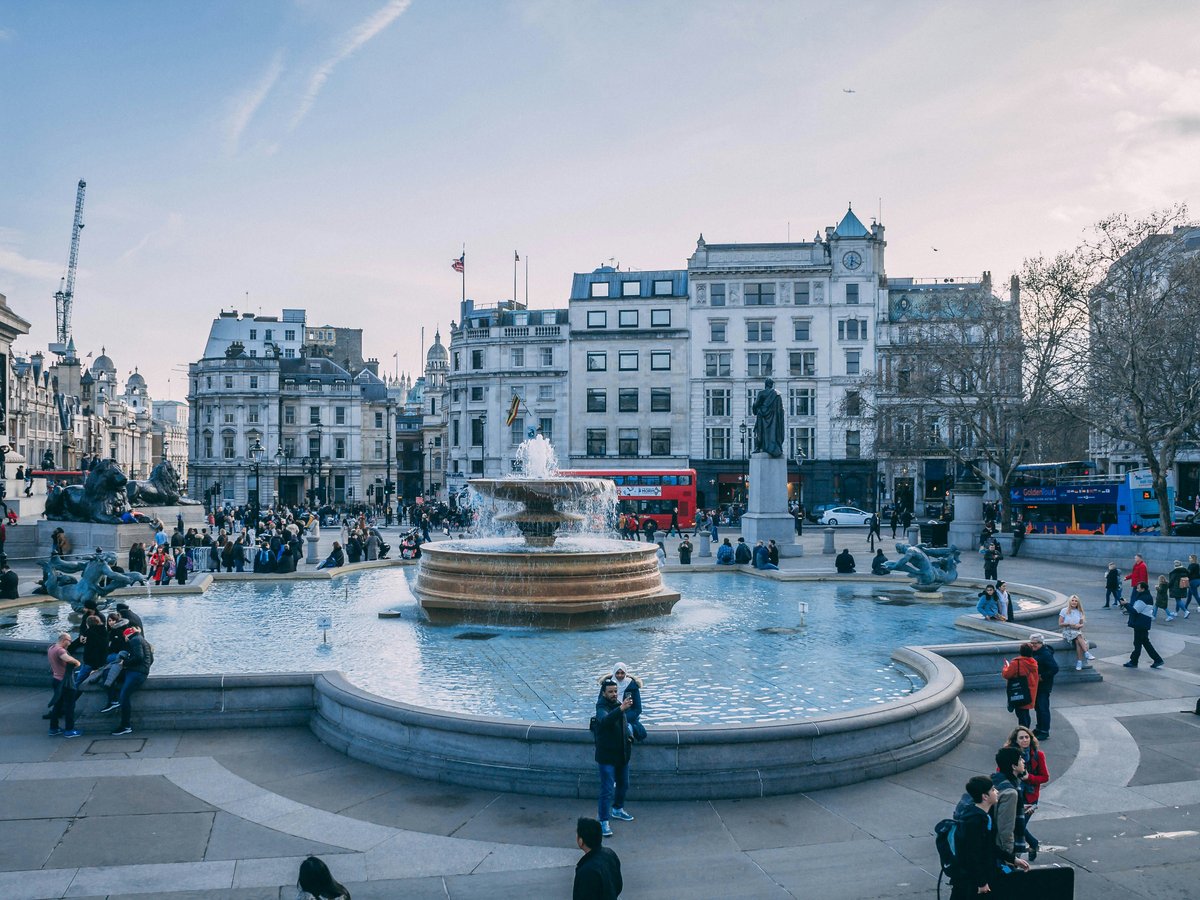
Best free attractions
London's best open ground costs a visitor nothing but time, and this list is built around that. It runs from Trafalgar Square, laid out in 1840, to Kew Gardens, home of the world's largest collection of living plants, and in between are Royal Parks such as Hyde Park, Regent's Park and Richmond Park. St James's Park is listed Grade I as a park and garden, and two picks sit within UNESCO World Heritage Sites. The civic squares count too: Leicester Square dates from 1670, and Speakers' Corner sits inside Hyde Park. This list is for walkers, for people who would rather spend an afternoon than a budget, and for anyone who wants to see the city when it is not trying to sell them something. Bring good shoes, check opening hours where we give them, and plan to cover ground on foot between the central picks before you head out to the far ones.
See the picks → -
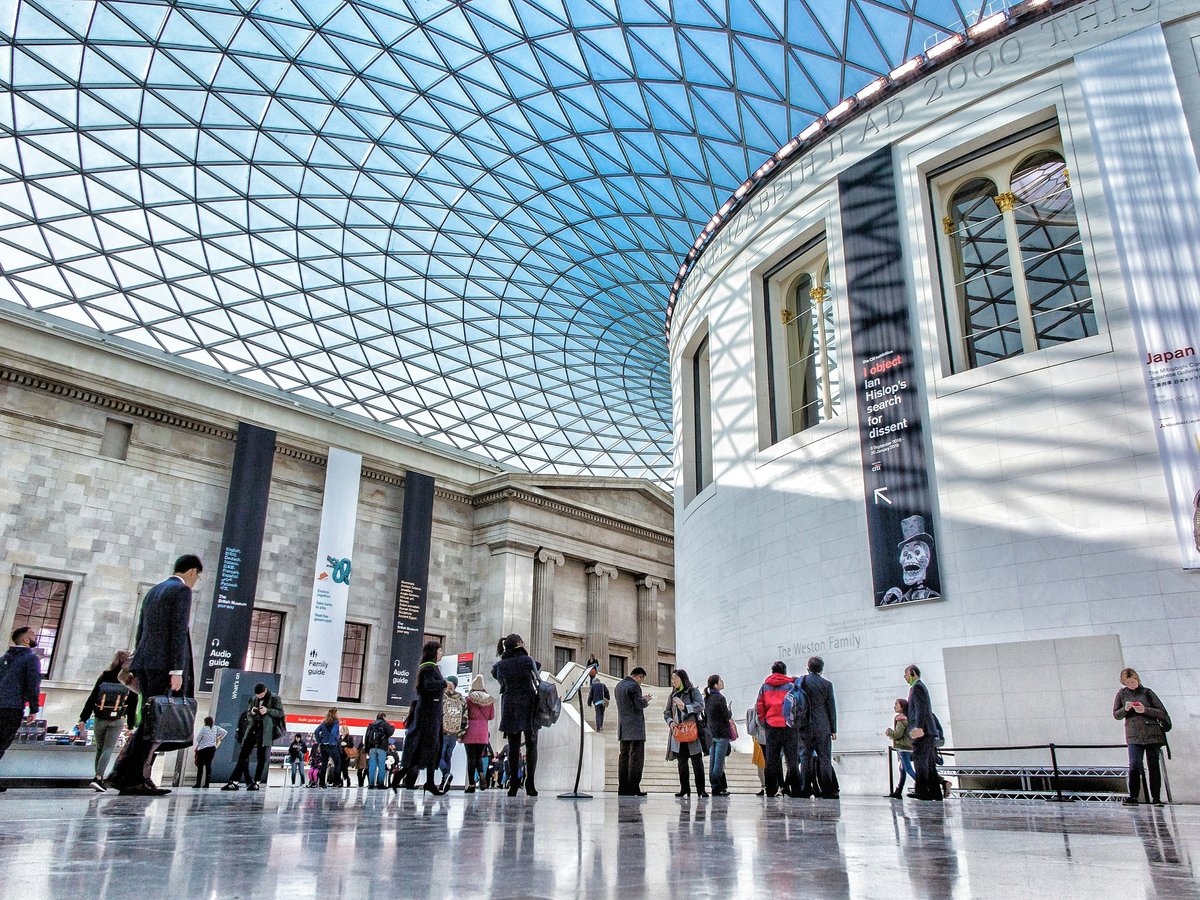
Best museums
London's museums are not confined to Bloomsbury. This list starts with the British Museum, which dates from 1753, and ends at a British clipper ship. Along the way it takes in a castle in central London, the official London residence of the British monarch, an observatory in Greenwich, and a modern art gallery on Bankside. Several of these are Grade I listed buildings, and two fall within UNESCO World Heritage designations. Many of the buildings matter as much as what hangs or stands inside them. The list is for a visitor with limited days who wants to choose well rather than tick boxes, so pick a late-opening night for the big galleries, plan a full day for the palaces, and spend a morning in Greenwich instead of fighting the West End at noon. Two or three of these done properly will beat eight done in a sprint. Opening times on the ground can change, so check the hours below before you set off.
See the picks → -
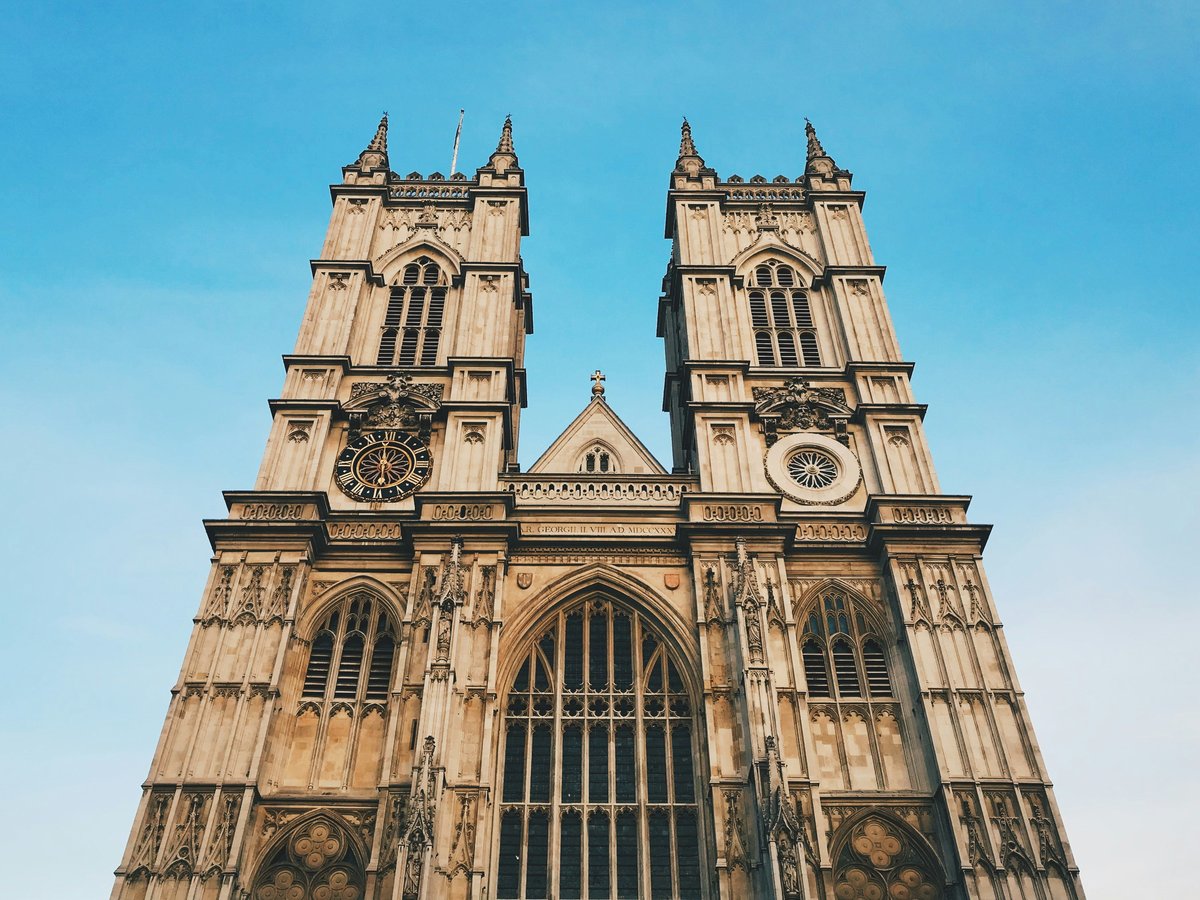
Must-see attractions
London's must-sees are not a theme park of attractions. These are working buildings that still do the job they were built for: a castle dating from 1066 stands on the same river as an observation wheel from 1999, and the monarch's official London residence and principal workplace sits on this list alongside the national library of the United Kingdom. Most of these places are Grade I listed, from Tower Bridge to the Royal Albert Hall, and two of them sit inside UNESCO World Heritage designations. This list is for first-time visitors who want the famous names and also want to know when to go, where the door is, and which version of the experience is worth their time. Opening hours are tight at the churches and generous at the library, so plan your days around the clock rather than the map. Expect queues at the obvious photo spots, and in each entry we point you to a better use of the same hour.
See the picks →
food
-
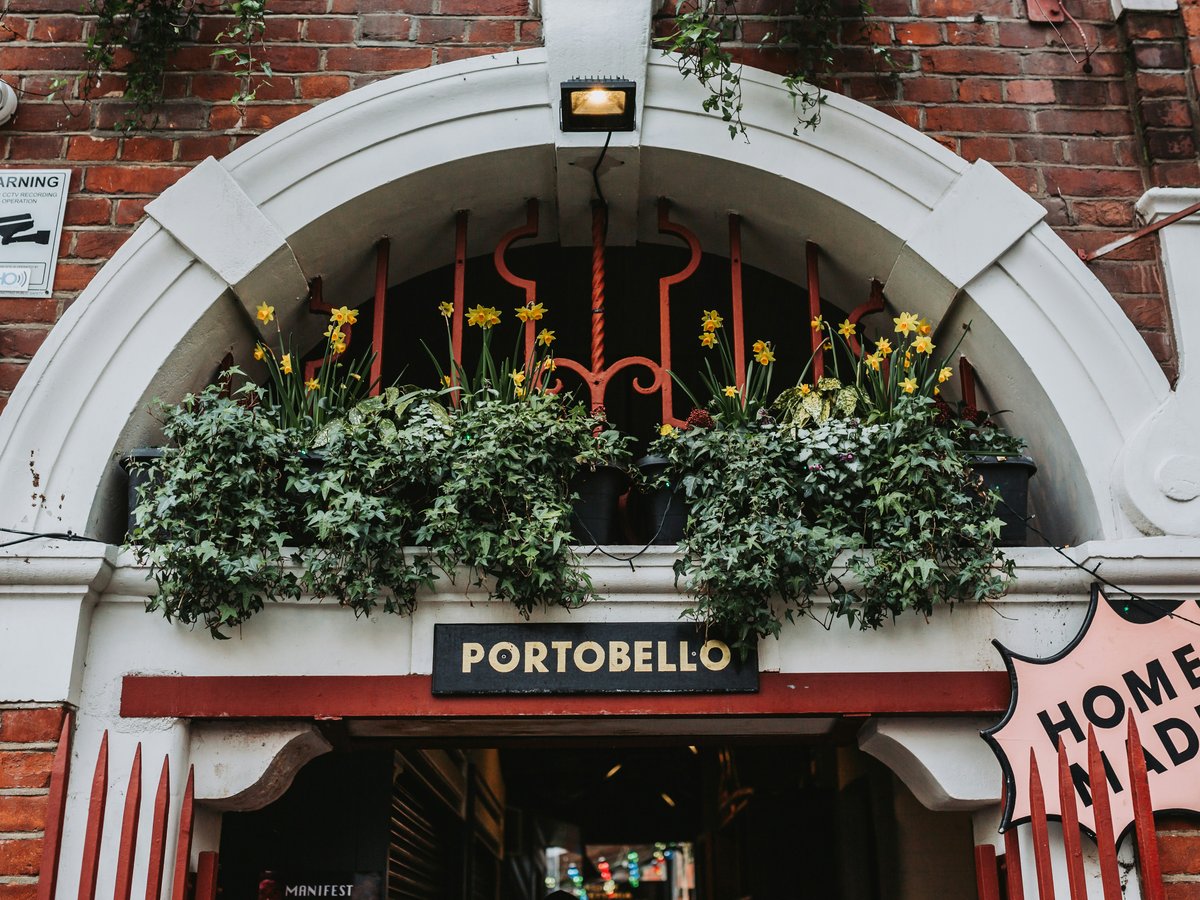
Best cafes
London's cafe map is really twelve maps overlaid on one another: a Portuguese pastelaria beside a Swedish bakery, a Parisian tea house on the same block as a Greek roaster, a Soho flat-white counter around the corner from a Taiwanese bubble-tea shop. The twelve rooms below are all inside a tight ring around Covent Garden, Soho and the South Bank, so a visitor with a morning to spend can walk between four of them before lunch. What binds the list is not a single style of coffee or cake but a common seriousness about one thing done well: a custard tart pulled hot from a small oven, a cardamom bun laminated by hand, a tea leaf weighed on a brass scale, a single-origin espresso poured short. Hours run from a 06:30 chain opening on the Strand to an Italian kitchen on the South Bank that stays lit until midnight, which means the list is as useful at breakfast as it is after a play. Read it as a working shortlist for people who take their morning coffee, their afternoon tea and their late slice of cake as separate serious meals, not as filler between the sights.
See the picks → -

Best restaurants
London does not have a single restaurant scene; it has a dozen overlapping ones, and the twelve rooms below sit inside a half-mile radius of Trafalgar Square where those scenes rub against each other hardest. The strip between the Strand and Wardour Street is where a Nordic tasting counter cooking over open fire shares a postcode with a Korean barbecue that has held the same door on Panton Street for years, where a portrait gallery's dining room looks down at the same crowd queueing for a chain slice on Leicester Square. This list is for the visitor who has one week and forty meals in it, and would rather spend them on rooms that argue for themselves than on the safe options the guidebooks keep in rotation. It runs from a fire-only kitchen at 3-5 Great Scotland Yard to a Cantonese roast house on Wardour Street, and it treats the mid-range chains honestly: kept where the address itself is the case, skipped where it is not. Every hour, address and phone number below is cited to OpenStreetMap or the venue's own site, so you can plan against the same ground truth we did.
See the picks →
Browse by traveler type
- For foodies
London for foodies
- For families with kids
London for families
- For digital nomads
London for digital nomads
- For solo travelers
London for solo travelers
- For couples
London for couples
- For budget travelers
London on a budget
- For luxury travelers
London for luxury travelers
- For first-timers
London for first-time visitors
Book experiences in London
 Free cancellation
 Stonehenge, Windsor Castle, and Bath from London
Day trip: 11 hours, free cancellation.
via Viator Free cancellation
 Stonehenge, Windsor Castle, Bath Day Trip & Historic Pub Lunch
Day trip: 12.5 hours, free cancellation.
via Viator Free cancellation
 Windsor Castle, Stonehenge, and Oxford Day Trip from London
Day trip: 11.5 hours, free cancellation.
via Viator Free cancellation
 Stonehenge, Windsor Castle and Bath Full Day Guided Tour
Day trip: 11 hours, free cancellation.
via Viator Free cancellation
 Stonehenge and Bath Tour from London
Day trip: 11 hours, free cancellation.
via Viator Free cancellation
 Tour for Muggles The Ultimate Harry Potter Walking Tour in London
City tour: 2 hours, free cancellation.
via Viator Free cancellation
 High-Speed Thames River Speedboat in London
Cruise: 50 minutes, free cancellation.
via Viator Free cancellation
 Original Harry Potter Locations Tour - Guided Tour of London
City tour: 2 hours, free cancellation.
via Viator Free cancellation
 Westminster to Greenwich Sightseeing Thames Cruise in London
Cruise: 1 hour, free cancellation.
via Viator Free cancellation
 Small-Group Cotswolds Tour (From London)
Day trip: 9.5 hours, free cancellation.
via Viator Free cancellation
 The Premier Classic London: Private Black Cab Tour Inc Pickup
City tour: 4 hours, free cancellation.
via Viator Free cancellation
 London Sightseeing Tour: Guard Change with Tower of London Option
City tour: free cancellation.
via ViatorBrowse by interest
Compare London with
Find a flight to London
Live fares to London appear here once cookies are accepted.
Last verified by automated review (v1.7.2) on . What is automated review?