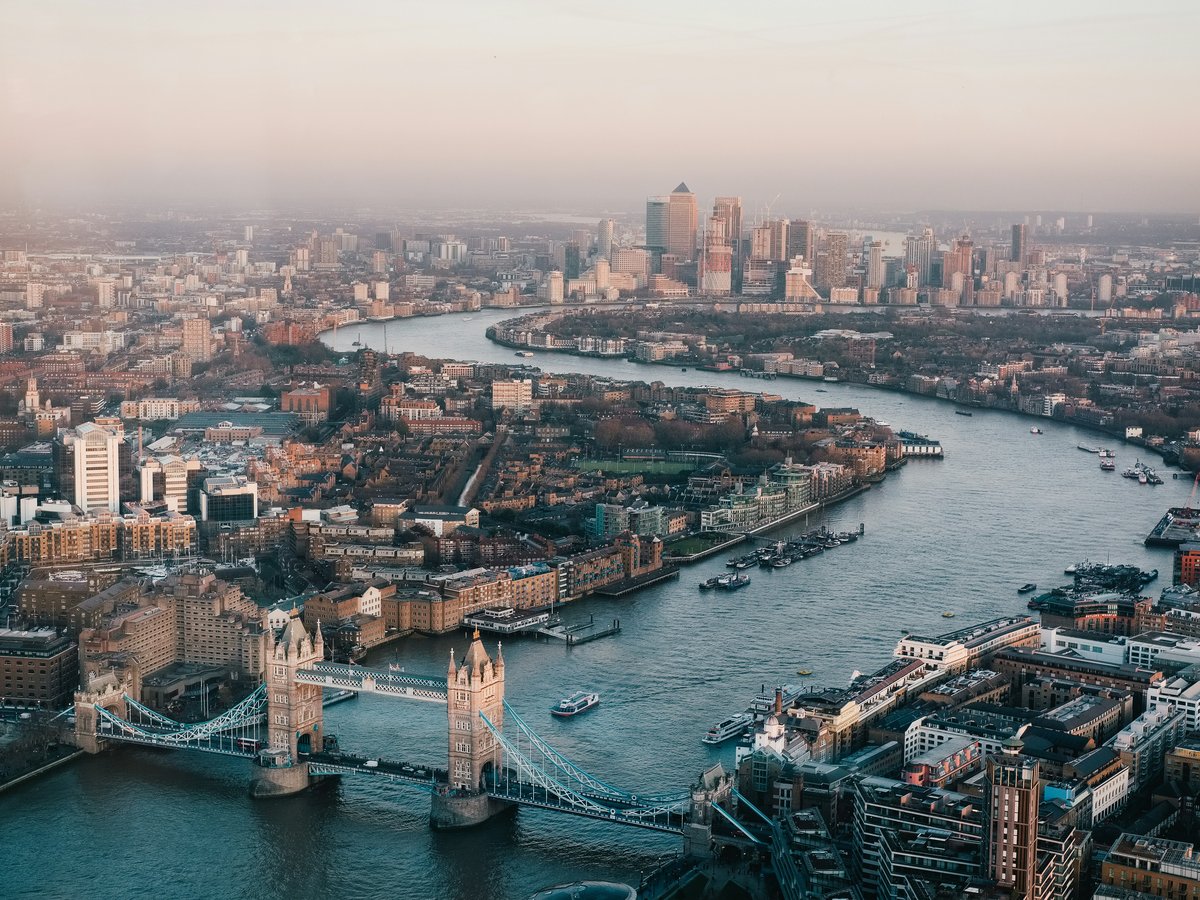
London's nightlife doesn't really have a single personality: it shifts depending on which postcode you're standing in, what day of the week it is, and honestly, what time you showed up. The city has a deep pub culture that still anchors most evenings, but layered on top of that you'll find one of the world's most serious cocktail scenes, a club circuit that traces its roots back to acid house and jungle, and enough live music on any given Tuesday to fill a small festival. Things tend to start early here compared to southern Europe. The after-work pint at half five is practically sacred. Pub kitchens close around nine, the theatre crowd spills out by ten thirty, and then the later part of the night belongs to whoever's still standing. Most pubs call last orders at eleven, which pushes people toward late-licence bars and clubs. On weekends, parts of the city genuinely don't sleep: there are venues in east London where you can walk in at six on a Saturday morning and find a full dance floor. That said, London can also be quiet in surprising ways. Midweek in residential neighborhoods, you might struggle to find anything open past midnight. The city's size works against it sometimes; travel between neighborhoods takes planning, and the Tube stops running around half past midnight on most lines. The Night Tube on Fridays and Saturdays changed things, but only on certain lines. You learn to pick your area and commit to it.
The Bar Scene: From Speakeasies to Sticky Floors
London's cocktail bar culture has been on a serious run for over a decade now, and the quality at the top end is genuinely world-class, though you'll pay for it. A well-made cocktail in central London currently runs somewhere between fourteen and twenty pounds, which still catches people off guard. The scene clusters around Soho, Shoreditch, and increasingly Bermondsey and Peckham. You'll find the polished, reservation-only type of place where bartenders in waistcoats talk you through bespoke menus, and you'll find stripped-back rooms with handwritten lists and a DJ in the corner. Both can be excellent. Dive bars are harder to find than they used to be: rising rents have killed a lot of the genuinely rough-around-the-edges places. What remains tends to be in Dalston, Deptford, or tucked under railway arches in Bermondsey. The charm is real: mismatched furniture, cheap canned beer, someone's mate doing a DJ set. These places rarely advertise and they don't need to. Rooftop bars have multiplied in the last few years, mostly in zones one and two. The views can be spectacular (the Thames at dusk, St Paul's catching the last light) but the drinks are marked up accordingly and you'll often need a booking, especially in summer. Mind you, some of the best sunset spots are pub terraces along the South Bank, where a pint costs half what you'd pay fifteen floors up. Wine bars are having a proper moment, particularly natural wine spots in east and south London. Peckham and Hackney seem to get a new one every few months. The atmosphere tends toward small plates, dim lighting, and staff who genuinely know their producers. Worth noting that London's wine bar crowd skews a bit older and quieter than the cocktail set: you're unlikely to be shouting over music at midnight.
The Club Scene: Bass Weight and Door Policies
London's club culture runs deep. This is the city that gave the world drum and bass, grime, dubstep, UK garage: the list keeps going. That heritage still shapes what you hear on any given weekend. You'll find rooms dedicated to house and techno in warehouse spaces across east London, sound system culture nights playing dub and reggae in Brixton and Tottenham, and bass music events that pull from the whole UK underground spectrum. The commercial end exists too: West End clubs playing chart music and hip hop, mostly along the Leicester Square and Piccadilly corridor, but locals tend to avoid those unless they're in a particular mood. Dress codes vary wildly. East London venues generally couldn't care less what you're wearing, though turning up in a stag-do uniform might get you turned away. West End spots can be stricter, no trainers, no sportswear, sometimes a vague requirement to look like you belong. The bigger the venue, the more likely there's a guest list or promoter system. For the warehouse and underground events, you're often buying tickets in advance through Resident Advisor or Dice. Door policies at certain venues (particularly the more established techno and house spots) can be notoriously selective. Bouncers might turn you away without explanation. Arriving in a large group, being visibly drunk, or not seeming like you know what event you're attending all count against you. It feels arbitrary and sometimes it is. Going as a pair or a small group, arriving before midnight, and knowing the lineup helps. Peak hours depend on the venue. Pubs close at eleven, so the first wave hits clubs around half eleven. But the real energy in most underground spots doesn't build until one or two in the morning. Some events run until six or later on weekends. Sunday sessions are a London institution: daytime parties that start in the afternoon and roll into the evening, particularly in summer.
Live Music: From Sticky-Floored Pubs to Concert Halls
London's live music scene is enormous and genuinely varied. On any given night you might have a choice between a jazz quartet in a Soho basement, a punk band in a Camden pub, a classical recital at the Barbican, and a grime MC doing a headline show somewhere in east London. The depth is hard to overstate. The small venue circuit is where most of the discovery happens. Camden still has a cluster of rooms doing rock, indie, and punk, though the neighborhood has changed a lot. Brixton has venues doing everything from Afrobeats to post-punk. Dalston and Hackney host a rotating cast of experimental, electronic, and left-field bookings. South London (Peckham, New Cross, Deptford) has become the DIY heartland, with promoters running nights in repurposed industrial spaces that come and go with the lease agreements. Jazz is worth seeking out specifically. London's jazz scene has been on a remarkable run, heavily influenced by the generation of players who came up through the south London youth music programs. The sound blends jazz with grime, broken beat, Afrobeat, and electronic production in ways that feel genuinely new. You'll find these shows in both dedicated jazz rooms and in club settings, often on weeknights. For bigger acts, there's a well-established circuit of mid-size venues (places holding a few hundred to a couple of thousand) spread across the city. The challenge is that popular shows sell out fast, sometimes within minutes. Checking listings weekly and setting alerts is the practical reality if you want to catch anyone with a following. Weeknight shows often start around seven or eight and finish by ten thirty, which makes them easy to fold into an evening without committing to a full late night.
Nightlife neighborhoods
-
Soho
Narrow streets packed with bars, restaurants, and history: the smell of kitchen exhaust mixing with cigarette smoke from the pavement crowds. Loud, busy, unapologetically central.
- Best for
- Cocktail crawls, pre-theatre drinks, late-night bars on weeknights when the weekend crowds thin out
- Standouts
- Concentrated along Old Compton Street, Dean Street, and the alleys between them. The cocktail bars here tend to be small and reservations-only on weekends.
-
Shoreditch and Hoxton
The warehouse-party DNA is still detectable under the gentrification. Graffiti-covered walls, converted railway arches, the thump of bass leaking out of basement doorways. It's gotten slicker but the energy after midnight on weekends is still proper.
- Best for
- Club nights, late-night dancing, groups who want options within walking distance of each other
- Standouts
- The area around Curtain Road and Rivington Street packs in a lot of options. Brick Lane on the eastern edge has its own character: curry houses and late-night bagel shops mixed in with bars.
-
Dalston
A bit rougher than Shoreditch, which is the appeal. Turkish grocery shops next to cocktail bars, the sound of different music spilling out of every other doorway along Kingsland Road. Genuinely mixed crowd.
- Best for
- People who want something less curated, weeknight drinks with an actual neighborhood feel, DJ bars that don't charge entry
- Standouts
- Kingsland Road and Ridley Road are the main strips. Some of the best spots are upstairs or in basements with no signage.
-
Brixton
South London's cultural heart after dark. The market area fills with noise and cooking smells, and you can hear soca, afrobeats, dancehall, and funk drifting between the venues. There's a warmth to the crowd here that you don't always get further north.
- Best for
- Live music, sound system culture, a night out where the food is as important as the drinks
- Standouts
- The covered market arches host several bars and music spaces. The surrounding streets have their own cluster of venues doing everything from reggae nights to indie rock.
-
Peckham
South London's current darling for going out. Rooftop bars overlooking the skyline, natural wine spots with mismatched crockery, DJ nights in repurposed car parks. It still feels like a neighborhood finding its identity, which is part of the draw.
- Best for
- Weekend afternoons that turn into evenings, natural wine and small plates, a younger creative crowd
- Standouts
- Rye Lane and the streets around it hold most of the action. Several multi-storey car parks have been converted into event spaces with panoramic views.
-
Camden
Louder and messier than it was a decade ago, somehow. The market stalls close but the music venues stay open, and the high street fills with a mix of tourists, teenagers, and people who've been coming here since the nineties. Smells like street food and spilled lager.
- Best for
- Rock and indie gigs, a chaotic pub crawl, nostalgia for a grittier London
- Standouts
- Most of the live music rooms line the high street and the surrounding side streets. The Stables Market area quiets down but the venues along Chalk Farm Road keep going.
-
Bermondsey
Railway arches converted into taprooms, cocktail bars, and wine cellars. Quieter than Shoreditch and more grown-up than Peckham. The smell of hops from the craft breweries hangs in the air on warm evenings.
- Best for
- Craft beer crawls along the arches, date nights, a slower pace without sacrificing quality
- Standouts
- The stretch of railway arches along Druid Street and Enid Street holds a concentration of breweries and bars. The Bermondsey Beer Mile is a thing, though calling it a mile is generous.
-
Hackney Wick
The last frontier of warehouse culture in east London, though developers are closing in. Canals, converted factories, the sound of techno bleeding through concrete walls on a Saturday night. It can feel empty and industrial during the day, then completely transform after dark.
- Best for
- All-night warehouse parties, the techno and house crowd, anyone chasing the feeling of discovering something before it disappears
- Standouts
- Venues cluster along the canal and in the industrial estates off White Post Lane. Many operate as event spaces rather than permanent clubs, so checking listings is essential.
Safety after dark
London is generally safe at night, but the size of the city means you'll encounter areas that feel emptier than you'd expect, particularly south of the river and in parts of east London between the main strips. Stick to well-lit main roads if you're walking late, and trust your instincts about quiet side streets.
Getting home is the main practical challenge. The Tube runs a Night Tube service on Fridays and Saturdays, but only on the Victoria, Jubilee, Central, Northern, and Piccadilly lines: everything else shuts around half midnight. Night buses cover the whole city but can be slow and confusing if you don't know the routes. Black cabs are reliable but expensive after midnight. Uber and Bolt work well, though surge pricing on weekend nights can triple the fare. Having your transport sorted before you go out saves a lot of standing around at two in the morning.
Drink spiking has been a real concern in London, and awareness campaigns have been running for years. Don't leave your drink unattended, accept drinks only from people you trust, and if something feels wrong (sudden dizziness, confusion out of proportion to what you've had) tell a friend or a member of staff immediately. Most venues have Ask for Angela policies, where you can approach the bar and ask for Angela as a discreet way of signaling you need help.
Pickpocketing happens in crowded venues, especially around the West End and in busy clubs. Keep your phone in a zipped pocket. Common scams include unofficial minicab drivers offering rides outside clubs: always book through an app or hail a licensed black cab. Unlicensed cars are both illegal and genuinely risky.
A few drinks in, it's easy to underestimate London distances. That bar someone mentioned in Peckham is not a quick walk from Shoreditch: it's an hour on the bus. Pick your area for the night and stay in it.
Practical tips
- Cover charges
- Most pubs and bars don't charge entry. Clubs vary enormously: some smaller venues are free before a certain time, while bigger events and headline DJ nights might run from ten to thirty pounds or more. Buying advance tickets through apps like Dice or Resident Advisor is almost always cheaper than paying on the door and often the only way to guarantee entry for popular nights.
- Tipping
- Tipping culture in London is lighter than in the US but heavier than much of continental Europe. At bars, most people don't tip on individual drinks: maybe rounding up the bill or leaving a pound if someone's made you something complicated. Restaurants usually add a twelve and a half percent service charge automatically; check the bill before doubling up. For cocktail bars with table service, ten to fifteen percent is appreciated but not strictly expected.
- Pub hours and last orders
- Most pubs still call last orders at eleven on weeknights, sometimes ten thirty on Sundays. Some have late licences until midnight or one. The bell for last orders is real: when you hear it, get to the bar. You'll typically have about twenty minutes of drinking-up time after that before the lights come on and the staff start collecting glasses.
- Rounds culture
- If you're drinking with locals, the round system is deeply embedded. Someone buys a round for the group, then the next person buys the next round, and so on. Skipping your round (or worse, ordering an expensive cocktail when everyone else is on pints) is noticed. If the group is too large for rounds to make sense, people generally say so upfront. No hard feelings, but the convention is strong.
- Queuing
- The British commitment to orderly queues extends absolutely to nightlife. Cutting a queue at a bar, a club entrance, or a food truck will get you called out. At busy bars, the unwritten rule is to wait and make eye contact with the bartender: don't wave money, shout, or lean over people. They know who's next. They always know.
- Card payments
- Cash is increasingly unnecessary in London. Nearly every bar and club takes contactless card or phone payments. A handful of smaller market stalls and late-night food spots might be cash-only, but it's rare enough to be surprising when it happens. That said, carrying twenty pounds in cash for emergencies (a dead phone, a cab that doesn't take card) is worth the pocket space.
FAQ
What time does nightlife start and end in London?
The after-work drinking crowd fills pubs from around five or half five. Pubs typically close at eleven, pushing people toward late-licence bars and clubs. Club nights get going properly around midnight or one, and many run until three or four on weekends. Some venues in east London hold licences until six in the morning. Sunday sessions can start in the early afternoon and run into the evening.
Is London nightlife expensive compared to other cities?
Honestly, yes. A pint in central London currently sits around six to seven pounds, sometimes more. Cocktails in Soho or Shoreditch run fourteen to twenty pounds. Club entry varies from free to thirty-plus depending on the event. You can have a cheaper night in south or east London (Peckham and Dalston pints might be a pound or two less) and pre-drinking at home before going out is practically universal among locals for exactly this reason.
Do I need to book bars and restaurants in advance?
For popular cocktail bars on Friday and Saturday nights, yes: many operate a reservations system and walk-ins face a wait or a flat refusal. Pubs generally don't take bookings for the bar area, though you might need to reserve a table for food. Restaurants near theatre districts fill up by seven on show nights. Weeknights are far more relaxed across the board; you can usually walk into most places without trouble.
How do I get home after a late night out?
The Night Tube runs on Fridays and Saturdays on five lines: Victoria, Jubilee, Central, Northern, and Piccadilly. Night buses cover the rest of the city, though routes can be indirect and slow. Uber and Bolt are widely used but surge pricing is real on weekend nights between midnight and three. Black cabs are reliable and metered but not cheap. If your accommodation is more than a couple of miles from where you're going out, check your transport options before you leave.
What's the dress code for London clubs and bars?
It depends entirely on where you're going. East London venues (Shoreditch, Dalston, Hackney Wick) are generally relaxed, trainers and casual clothes are fine. West End clubs tend to be stricter: no sportswear, no flip-flops, sometimes an expectation of smart-casual. Cocktail bars in Soho and the City lean slightly dressier without being formal. When in doubt, dark jeans and decent shoes get you into most places without a second look.
Are there areas to avoid at night in London?
London doesn't have large no-go zones in the way some cities do, but common sense applies. The areas immediately around major train stations (particularly after midnight when they've closed) can feel sketchy and attract opportunistic crime. Quieter residential streets in any neighborhood are best avoided if you're walking alone very late. The West End stays busy and well-populated until the early hours, which provides safety in numbers. Generally, sticking to main roads and well-lit streets covers most situations.
Last verified by automated review (v1.7.2) on . What is automated review?