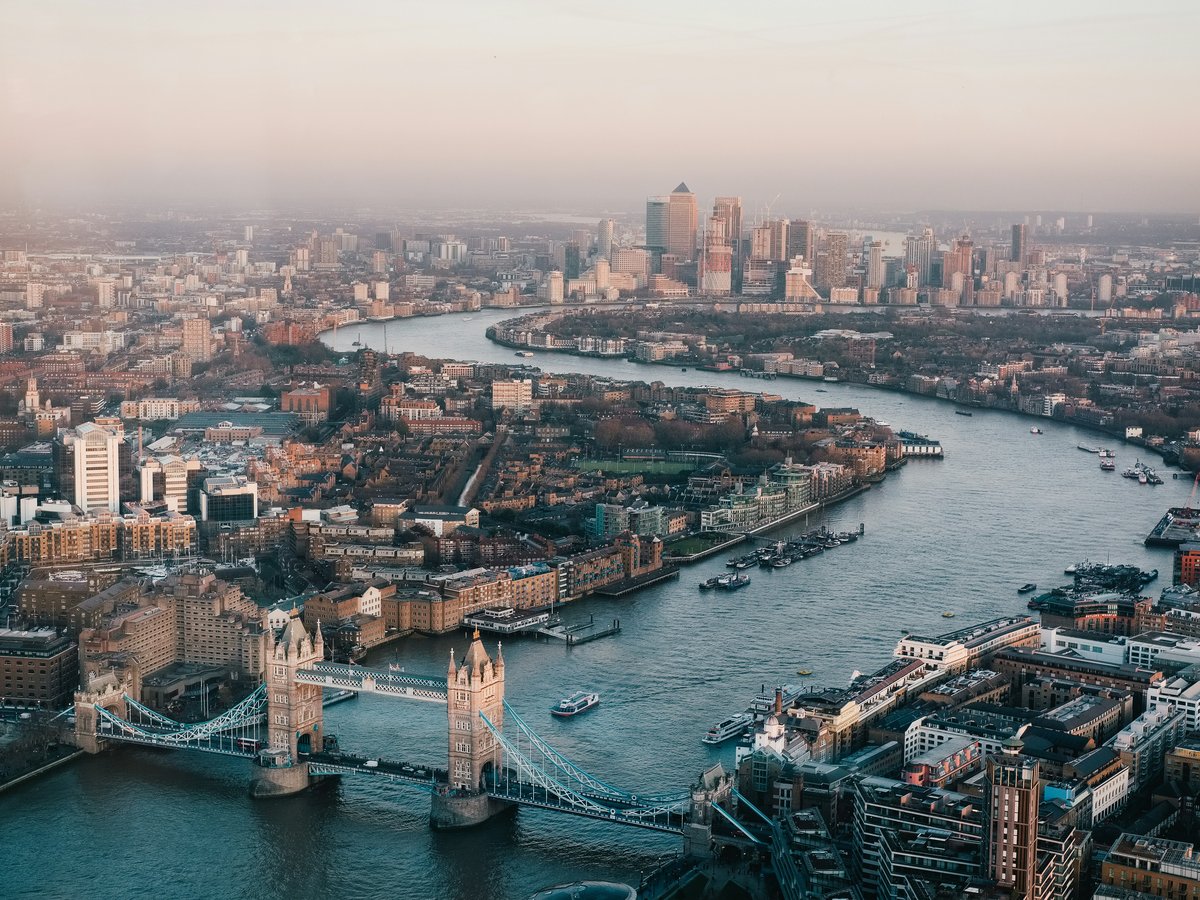
How much does London cost per day in 2026?
Budget travelers spend £45-55 ($60-75) per day in London on a hostel dorm, supermarket meal deals at £3.50, and free national museums. Midrange runs £130 ($175). Over 10 major museums, from the British Museum to Tate Modern, charge nothing for permanent collections. That gives London a sharp cost edge over Paris or Rome.
Budget £45-55 ($60-75), midrange £130 ($175), luxury £350+ ($470+). The budget tier assumes a 16-bed hostel dorm, not a private room. Generator London in King's Cross charges £18-22/night. Wombat's City Hostel near Tower Bridge runs about £20. Both include Wi-Fi but not the £6-8 breakfast, and neither tacks on hidden booking fees if you reserve direct. Skip the hostel breakfast and walk to the nearest Tesco Express instead. The meal deal is £3.50 for a sandwich, snack, and drink, and it covers lunch too. For a hot dinner, the food stalls in Seven Dials Market near Covent Garden sell Korean rice bowls and wood-fired flatbreads for £6-8. The charred sourdough from the lower-floor ovens drifts up toward Neal's Yard. On a tight day your food spend sits at £12-15 ($16-20).
London's national museums charge nothing for permanent collections. The British Museum (founded 1753), Tate Modern, the National Gallery on Trafalgar Square, the V&A in South Kensington, and the Natural History Museum are all £0. That is the city's single biggest budget lever. Most first-timers underuse it. They visit one free museum, then spend £33.60 ($45) at the Tower of London or £32.50 ($44) on the London Eye. Worth noting that the Tower dates to 1066 and gives you 2-3 hours of cold stone corridors and ravens croaking on Tower Green. The Eye is 30 minutes in a glass pod. Westminster Abbey costs £27 ($36). Kensington Palace is £23 ($31). If you hit all three paid sites in one day, that's £83 ($112) before food or transport. Space them and fill the gaps with the Tate Britain or the Courtauld.
Your contactless bank card works as a transit pass across the whole Transport for London network. Tap a Visa or Mastercard on the yellow reader at every Tube gate and bus door, and your daily charges cap at £8.10 in zones 1-2. That covers unlimited Tube, bus, Overground, and DLR rides until midnight. You do not need an Oyster card. Buying one means a £7 deposit you have to reclaim at a machine before you fly home. The daily cap means Travelcard day passes only save money beyond zone 2, like Kew Gardens in zone 3. Bus-only days cap at £5.25. To be fair, walking beats the Tube for short central hops. Waterloo to South Bank is 5 minutes on foot, 12 minutes underground once you count the escalators. The warm, gritty gust that hits you on a Central Line platform in September is reason enough to stay above ground when the distance is under a mile.
Restaurants in central London add a 12.5% discretionary service charge to every bill. Check the small print before you tip an extra 10-15% out of habit. In Soho, the same pint ranges from £4.50 at a Sam Smith's pub near Leicester Square to £8.50 at a bar 200 metres away. Coffee runs £3-4 from a Costa or Pret, £4.50-5 from an independent roaster in Shoreditch or Dalston. Tap water is free by law anywhere food is served. Borough Market on a Saturday feels like the budget move, but truffle cheese toasties cost £9 and paella portions hit £12 with the queue to match. Maltby Street Market in Bermondsey tends to run lower, with the sharp tang of fresh sourdough from the bakeries along Rope Walk. Weekday portions at either market run £2-3 cheaper. Independent ATMs in tourist zones charge £1.99-2.50 per withdrawal, so use a bank-branded machine or pay by card.
Daily budget breakdown
Hostels, street food, and public transit. Local currency: GBP.
Comfortable hotels, sit-down meals, occasional taxis.
Upscale lodging, multi-course dinners, private transport.
Hidden costs to budget for
- Heathrow Express charges £25 one-way when the Piccadilly Line covers the same route for £5.50
- West End theatre tickets carry a £3-5 booking fee per ticket on top of face value
- Museum suggested-donation boxes at free national museums are optional despite the prominent signage
- Zone 1-3 Tube cap is £11.80, a 46% jump over the zone 1-2 rate that bites on trips to Kew or Greenwich
- Night Tube runs only on Friday and Saturday on 5 lines; other nights the last train leaves around 00:30
- Sunday trading law limits most large shops to 6 hours, typically noon to 6 PM
- Uber surge pricing in central London after 11 PM regularly doubles the base fare
- Contactless foreign-transaction fees of 2.5-3% apply unless your bank waives them
Last verified by automated review (v1.7.2) on . What is automated review?