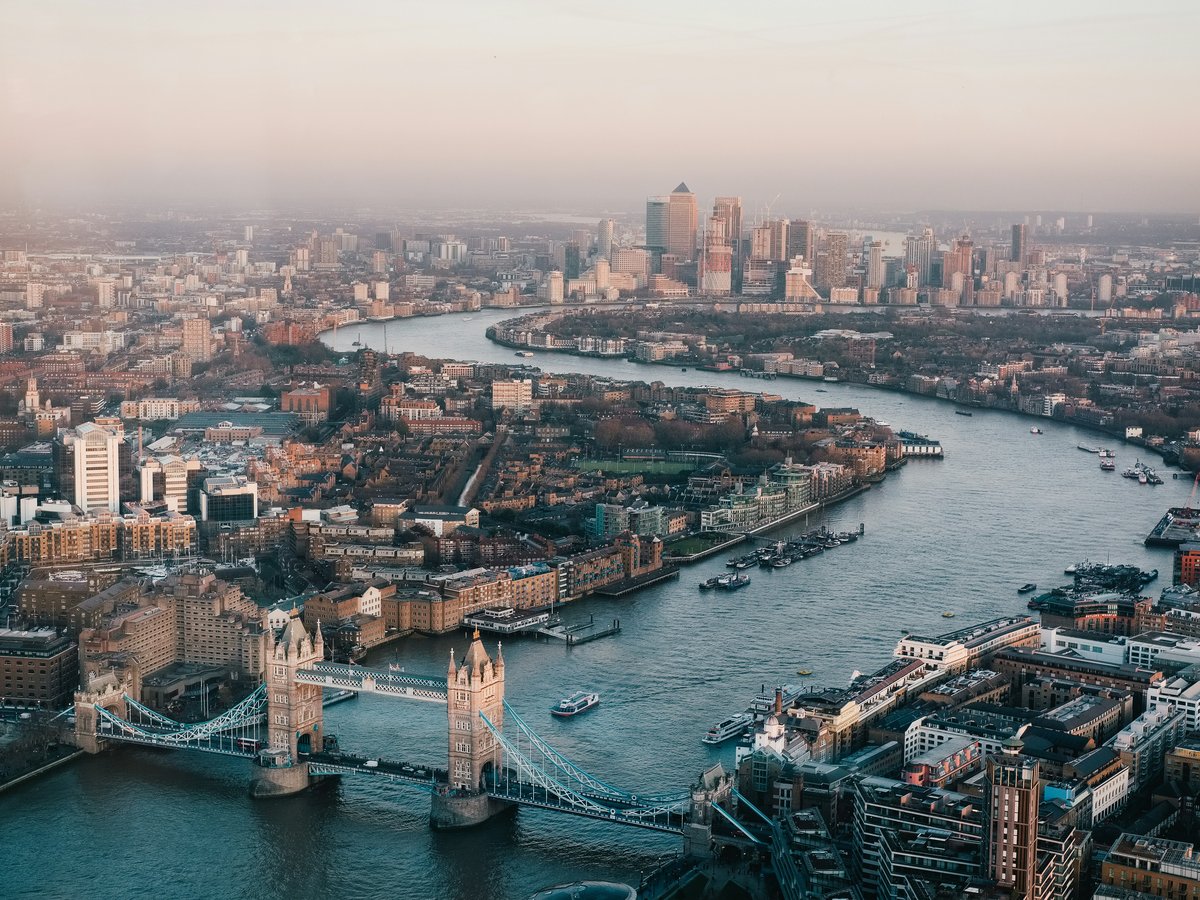
London's shopping scene is less about any single style and more about the sheer range of what sits side by side. You've got centuries-old department stores sharing postcodes with independent designers who set up last month. The city has always been a place where fashion, food, and craft collide: Savile Row tailoring next to Brick Lane vintage, Liberty prints alongside Nigerian wax-print fabrics in Peckham. What makes it distinctive, though, is how neighborhood-specific it all feels. Shopping in Marylebone is a completely different experience from shopping in Camden, and both are worlds away from the polished corridors of Knightsbridge. Londoners tend to be loyal to their local high streets, and you'll find that the best stuff (the ceramics, the small-batch gin, the hand-stitched leather goods) often turns up in places tourists rarely wander into. Worth noting: this is not a cheap city to shop in. But the variety means you can find something at almost any budget if you know where to look.
Shopping districts
-
Oxford Street and Regent Street
mid-range to highOxford Street is the one everyone knows, and to be fair, it earns its reputation for sheer volume: over three hundred shops stretched across a mile and a half. The crowds can feel relentless, especially around the Tottenham Court Road end, but it thins out west of Oxford Circus. Regent Street has more breathing room and leans slightly more upscale, with bigger flagship stores in grand Portland stone buildings. The side streets (particularly around Carnaby Street) are where things get more interesting, with independent labels and streetwear shops tucked into narrow lanes that still carry a faint echo of the 1960s.
Best for: High street fashion, flagship stores, and mainstream brands
-
Knightsbridge and Sloane Street
luxuryThis is where London does luxury without apology. The big department stores anchor it, and Sloane Street itself is lined with international fashion houses: the kind of shops where the door staff wear earpieces. The clientele skews international and wealthy. Mind you, even if you're not buying, wandering the food halls is an experience on its own: cold cases full of saffron-scented pastries, wheels of farmhouse cheddar the size of car tyres, and chocolates that cost more per gram than some metals. The surrounding streets in Belgravia are quieter, with smaller boutiques dealing in interiors, antiques, and fine jewellery.
Best for: Designer fashion, fine food, and luxury homewares
-
Marylebone High Street
mid-range to highMarylebone feels like a village that happens to sit in central London. The high street is short enough to walk end to end in ten minutes, but it's packed with independent bookshops, boutique clothing stores, and some genuinely good food shops. The pace is slower here. You might catch the scent of fresh sourdough drifting from a bakery doorway, or find yourself lingering over hand-thrown ceramics in a shop window. It draws a mix of well-off locals and people who've figured out it's a calmer alternative to the West End.
Best for: Independent boutiques, artisan food, and a quieter browsing pace
-
Shoreditch and Brick Lane
budget to mid-rangeEast London's commercial heart, though calling it commercial feels wrong: it's scrappier than that. Brick Lane itself is a jumble of curry houses, vintage shops, and galleries. The surrounding streets (Redchurch Street especially) have filled up with concept stores, sneaker shops, and small furniture studios over the past decade. You'll hear half a dozen languages on a Sunday morning walk. The vintage scene here is still strong, with warehouses full of secondhand denim, old military jackets, and things you didn't know you needed until you held them. Some of the vintage has crept into premium pricing, but deals still exist if you dig.
Best for: Vintage clothing, streetwear, independent designers, and contemporary art
-
Covent Garden and Seven Dials
mid-rangeCovent Garden proper tends to attract tourists, and the covered market piazza leans heavily into craft stalls and street performers. But step into Seven Dials (a tight cluster of streets just north) and the atmosphere shifts. It's pedestrianised, manageable, and has a good concentration of beauty brands, mid-range fashion, and homeware shops. Neal's Yard is tucked in here too, a tiny courtyard painted in loud primary colours where you'll find natural skincare and a good cheese shop. The whole area smells faintly of perfume samples and fresh crepes from the corner stalls.
Best for: Beauty, lifestyle brands, and leisurely browsing in a walkable area
-
King's Road, Chelsea
mid-range to highKing's Road has been through several lives: 1960s counterculture, 1970s punk, 1990s Sloane Rangers. These days it's settled into something calmer: a long stretch of fashion boutiques, antiques dealers, and interior design showrooms, punctuated by good cafés. The Saatchi Gallery end (toward Sloane Square) feels polished; further down toward World's End it gets more residential and slightly more eccentric. Saturday mornings here have a particular rhythm: couples with pushchairs, dogs tied outside bakeries, the quiet rustle of shopping bags from paper-wrapped purchases.
Best for: Fashion boutiques, antiques, and interior design
-
Camden Town
budget to mid-rangeCamden is loud, cluttered, and smells like incense and frying noodles simultaneously. The market sprawls across several interconnected sections (some covered, some open air) selling everything from leather boots hand-tooled on site to band t-shirts and novelty lighters. It's unapologetically chaotic. Some of the stalls have been run by the same people for decades. The crowds on weekends are thick, especially around the lock and the canal. It's not for everyone, and some Londoners dismiss it as touristy, but the energy is real and the music pouring out of every other doorway gives it a heartbeat that manufactured shopping centres can't replicate.
Best for: Alternative fashion, music memorabilia, leather goods, and street food
-
Notting Hill and Westbourne Grove
mixed: budget market stalls to high-end boutiquesPortobello Road gets the attention, and on market days the narrow street fills elbow to elbow. But the surrounding area (Westbourne Grove, Ledbury Road) holds a quieter concentration of fashion boutiques and homeware shops that cater to the neighbourhood's moneyed residents. The architecture helps: pastel-painted townhouses give the whole area a photogenic quality. You'll find independent perfumeries, small galleries, and the kind of shops that wrap purchases in tissue paper and ribbon without being asked. The further north you go along Portobello, the more the market shifts from antiques into fruit and veg stalls serving the local Caribbean and Portuguese communities.
Best for: Antiques, vintage fashion, independent boutiques, and Saturday market browsing
Markets
-
Borough Market
foodLondon's oldest food market, and it still feels vital rather than preserved. The stalls crowd under Victorian railway arches, and on a busy morning the air is thick with the smell of raclette being scraped onto bread, Ethiopian coffee roasting, and someone grilling chorizo nearby. The produce is genuinely excellent: British farmhouse cheeses, heritage-breed meats, seasonal fruit from Kent orchards. It gets packed, particularly around lunchtime on Saturdays when half of south London seems to converge. Weekday mornings are calmer and you'll have more room to talk to the stallholders, who tend to know their products in detail.
Monday to Saturday; reduced stalls Monday and Tuesday
-
Portobello Road Market
antiques and fleaThe full Saturday market stretches nearly two miles and shifts character as you walk. The Notting Hill end is dense with antiques: silverware, vintage maps, old cameras, Victorian jewellery. Further along, it transitions into fashion, then street food, then fruit and vegetables. The antiques dealers at the south end have been there for years and most are knowledgeable enough to give you the provenance of what they're selling without being asked. Prices vary enormously; haggling is acceptable at the antiques end, less so at the food stalls. Arrive before ten on a Saturday if you want to browse without being carried along by the crowd.
Saturday is the main market day; some antiques stalls Friday; shops open daily
-
Columbia Road Flower Market
flower and artisanA Sunday-morning ritual for a lot of east Londoners. The narrow street fills with flower stalls from end to end: buckets of peonies, armfuls of eucalyptus, orchids, herbs in terracotta pots. The scent is almost overpowering in summer. The sellers shout their prices in a kind of rhythmic patter that's part performance, part salesmanship. Prices drop toward midday as traders start to offload stock. The shops lining the street (normally shuttered) open on Sundays too, selling ceramics, vintage homewares, and prints. Get there by nine or accept that you'll be shuffling.
Sundays only, roughly 8am to 3pm
-
Brick Lane Market
flea and foodSunday is when Brick Lane fully comes alive. The main road has food stalls: salt beef bagels from the old bakeries at the north end, jerk chicken, fresh samosas: alongside clothing racks and bric-a-brac. The side streets and covered areas like the Old Truman Brewery host younger designers, vintage dealers, and record sellers. The quality is uneven (you'll walk past a lot of fast-fashion rejects) but the good finds are there if you have patience. It's the kind of market where you go without a plan and leave carrying a 1970s lamp and a bag of spices.
Sundays, roughly 10am to 5pm
-
Maltby Street Market
food and artisanMaltby Street sits under the railway arches in Bermondsey, just far enough from Borough Market to feel like a local secret, though it's been getting busier. The focus is food, and the quality is high: you'll find small-batch roasters, sourdough bakeries, charcuterie, and people experimenting with fermentation and hot sauce. It's smaller and more manageable than Borough, with a slightly younger crowd. On a sunny Saturday morning, the arches fill with the hiss of coffee machines and the warm, yeasty smell of fresh bread. Good for eating your way through brunch rather than grocery shopping.
Saturdays and Sundays, roughly 10am to 4pm
-
Camden Market
flea, food, and artisanSeveral markets stitched together along the Regent's Canal. Camden Lock Market has crafts and vintage; the Stables Market (set in old horse hospital buildings) specialises in alternative fashion and furniture. The food section serves everything from Venezuelan arepas to Taiwanese bao buns, and the cooking smells mix into something that shouldn't work but somehow does. It operates daily but weekends are when the full range of stalls opens up. The canal-side setting is genuinely atmospheric, especially in the late afternoon when the light comes in low over the water.
Daily, 10am to 6pm; busiest on weekends
-
Greenwich Market
antiques and artisanA covered market in a handsome old building near the Cutty Sark. The stalls rotate between antiques and crafts depending on the day: Tuesdays, Wednesdays, and Fridays lean toward antiques; weekends bring more artisan jewellery, prints, and ceramics. It's a pleasant market to browse without the crush of some central London options. The surrounding streets have good independent shops too. Worth combining with a walk through Greenwich Park if the weather holds: the view from the hill is one of the best in the city.
Daily, 10am to 5:30pm
Souvenirs worth bringing home
Skip the plastic guards and Union Jack tea towels: they're made overseas and everyone knows it. London's genuinely local goods are worth seeking out. English tea blends from established London blenders are light to carry and keep well; look for loose-leaf rather than bagged. Gin has been distilled in London since the eighteenth century, and several small distilleries currently produce bottles you can only find here: some using botanicals foraged in the city itself. Liberty print fabric or a Liberty scarf is distinctly London, with those dense floral patterns that have been produced since the 1870s. Fortnum & Mason biscuits and preserves travel well and the packaging is part of the appeal. If you're near Borough Market, British farmhouse cheese is a good bet, particularly something like a Montgomery's Cheddar or a Stichelton: ask the cheesemongers about what'll survive your journey home. For something less perishable, look at ceramics from independent London makers (several sell through markets and shops in east London), vintage prints and maps of the city from Portobello or Greenwich, or a properly made umbrella: London has makers who've been building them by hand for over a century. Avoid anything that says 'I Love London' on it; the locals certainly don't buy those.
Practical tips
- Bargaining
- Fixed prices are the norm in shops and department stores: don't try to haggle. At outdoor markets, particularly for antiques, vintage, and non-food stalls, gentle negotiation is generally acceptable. Asking 'is that your best price?' or offering to buy multiple items for a slight discount tends to work better than aggressive haggling. Food markets and flower markets typically have set prices, though at Columbia Road you'll often get deals toward closing time when sellers want to clear stock.
- VAT refunds
- The UK no longer offers tax-free shopping for international visitors following Brexit. The VAT refund scheme was scrapped in January 2021 and has not been reinstated as of now, despite ongoing lobbying from retailers. This means the price you see is the price you pay: there's no form to fill out or refund to claim at the airport. Some luxury retailers might offer shipping to non-UK addresses with VAT removed, but this is store-specific and worth asking about at point of sale.
- Opening hours
- Most central London shops open around 10am and close between 6pm and 8pm, with Thursday being the traditional late-shopping night in the West End when many stores stay open until 9pm. Sunday trading laws mean larger stores can only open for six hours (typically noon to 6pm) while smaller shops set their own hours. Markets have their own schedules and often start early; Borough Market stallholders begin setting up around 8am. Bank holiday hours vary and it's worth checking ahead, as some independent shops close entirely.
- Payment methods
- London is largely cashless at this point. Contactless card payments are accepted almost everywhere, including most market stalls and street food vendors. Apple Pay and Google Pay work widely. Some smaller market traders might still prefer cash, particularly at flea markets and antiques stalls: it can also strengthen your position when negotiating. International credit cards are accepted without issue; just check your bank's foreign transaction fee beforehand. Tipping is not expected in retail settings.
- Shopping bags
- England charges a minimum of 10p for single-use carrier bags, and many shops have moved to paper or reusable bags at higher prices: sometimes 50p or more. Bring a tote bag. Londoners carry them everywhere and you'll feel conspicuous without one. Most supermarkets sell sturdy reusable bags for around 30p to a few pounds that double as decent souvenirs if they're from a particularly well-designed range.
- Sales seasons
- The big sales traditionally hit twice a year: the Boxing Day and January sales (late December through January) and the summer sales (late June through July). These are when you'll find genuine reductions of 30 to 70 percent at major retailers. Black Friday has taken hold over the past decade and now stretches across most of November at many shops. Mid-season sales pop up in April and October. The best deals at markets tend to be end-of-day rather than seasonal: sellers would rather discount than pack up unsold stock.
FAQ
What are the best days to visit London's markets?
It depends on which market. Saturday is the big day for Borough Market and Portobello Road. Sunday is when Columbia Road, Brick Lane, and many of the east London markets come alive. Camden operates daily but peaks at weekends. If you're trying to avoid crowds, weekday visits to Borough Market or Greenwich Market are noticeably calmer, though some stalls may not be open. For the fullest experience, plan a Saturday for south London markets and a Sunday for the east.
Is London shopping expensive compared to other European cities?
Generally, yes. London tends to be pricier than most European capitals for fashion and consumer goods, partly due to higher rents and partly because the pound currently sits above the euro. That said, the range is wide. Markets and vintage shops offer genuine bargains. High street chains price competitively. The real premium hits at the luxury end and in tourist-heavy areas where a sandwich can cost what a full meal costs in Lisbon or Prague. Shopping outside Zone 1 (in places like Peckham, Dalston, or Walthamstow) tends to be noticeably cheaper.
Can I get a tax refund on purchases as a tourist?
No, not currently. The UK ended its VAT retail export scheme in January 2021 after leaving the EU. This means international visitors pay the same 20 percent VAT as locals, with no mechanism to reclaim it at departure. There has been political pressure to reinstate it, and the situation might change, but as things stand the price on the tag is what you'll pay. Some high-end stores offer direct international shipping that removes VAT from the transaction, so it's worth asking for large purchases.
Where should I shop for vintage and secondhand clothing in London?
Brick Lane on a Sunday is the classic starting point: the Old Truman Brewery area in particular has curated vintage. Beyond that, Portobello Road's middle section has established vintage dealers. Depop's physical pop-ups appear periodically around Shoreditch. For deeper digs, the charity shops in wealthier neighbourhoods like Notting Hill, Chelsea, and Hampstead can yield designer items at fraction prices: locals donate well. East London more broadly (Dalston, Hackney, Bethnal Green) has a dense concentration of vintage shops that cater to the area's fashion-conscious residents. Expect to pay more for curated and less for rummage-style shops.
What are typical London shop opening hours on Sundays?
Sunday trading laws in England restrict large stores (over 280 square metres) to six consecutive hours of trading, usually noon to 6pm, though some open at 11am and close at 5pm. Smaller independent shops, convenience stores, and market stalls set their own hours and often open earlier. Most shopping centres follow the six-hour rule. Restaurants and cafés within shopping areas keep their own schedules. If you're planning a Sunday shopping trip, markets are often your best bet in the morning, with high street shops opening around midday.
Which London neighbourhood has the best independent shops?
That's genuinely hard to answer because it depends on what you're after. Marylebone is strong for curated boutiques and artisan food. Shoreditch and Hackney lean toward fashion, design, and contemporary craft. Peckham has been building an interesting mix of African fashion, independent bookshops, and homeware stores. Stoke Newington (Church Street specifically) has a village-like strip of independents. Exmouth Market in Clerkenwell is compact but good for jewellery, homewares, and food. The common thread is that London's best independents tend to cluster on specific streets rather than spreading evenly across a whole area, so it's worth researching the particular street before you go.
Last verified by automated review (v1.7.2) on . What is automated review?