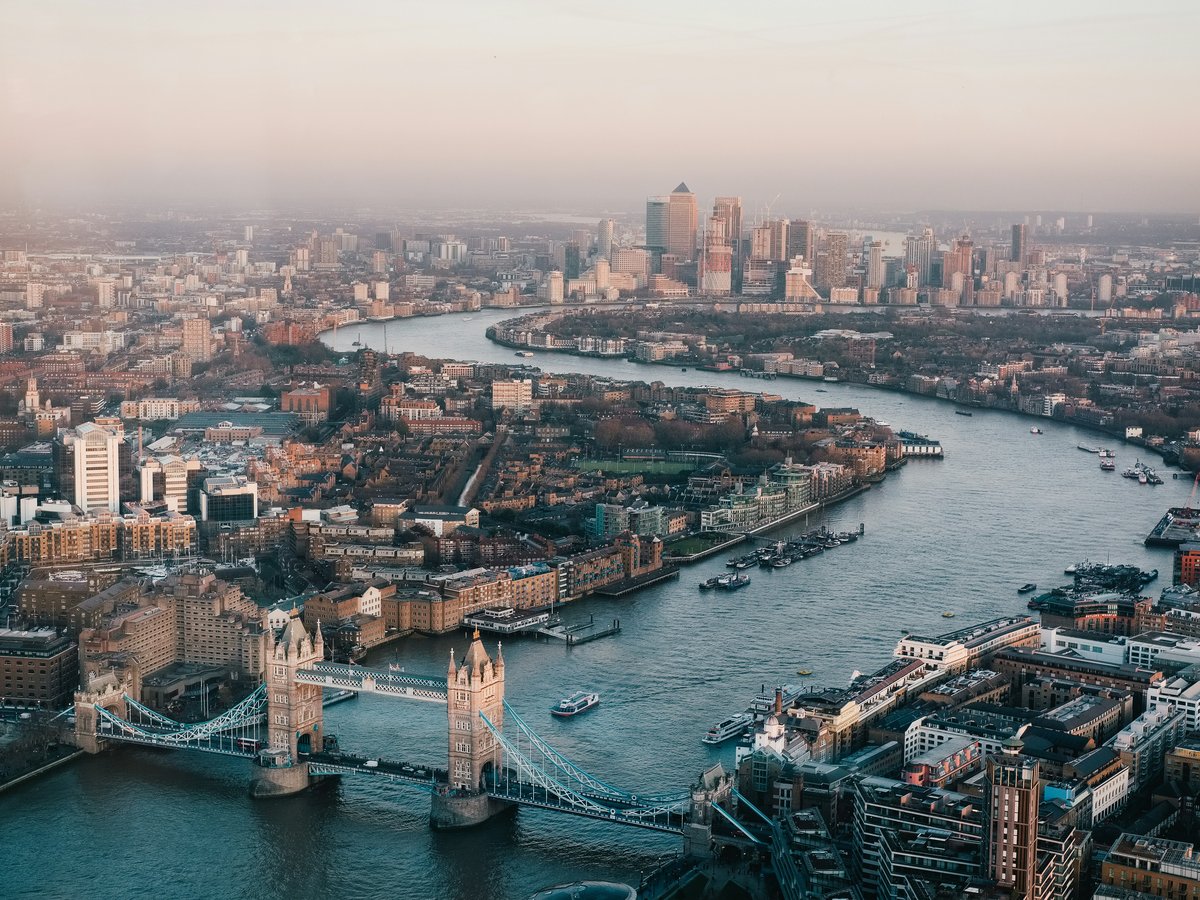
London's must-sees are not a theme park of attractions. These are working buildings that still do the job they were built for: a castle dating from 1066 stands on the same river as an observation wheel from 1999, and the monarch's official London residence and principal workplace sits on this list alongside the national library of the United Kingdom. Most of these places are Grade I listed, from Tower Bridge to the Royal Albert Hall, and two of them sit inside UNESCO World Heritage designations. This list is for first-time visitors who want the famous names and also want to know when to go, where the door is, and which version of the experience is worth their time. Opening hours are tight at the churches and generous at the library, so plan your days around the clock rather than the map. Expect queues at the obvious photo spots, and in each entry we point you to a better use of the same hour.
-
1 Westminster Abbey
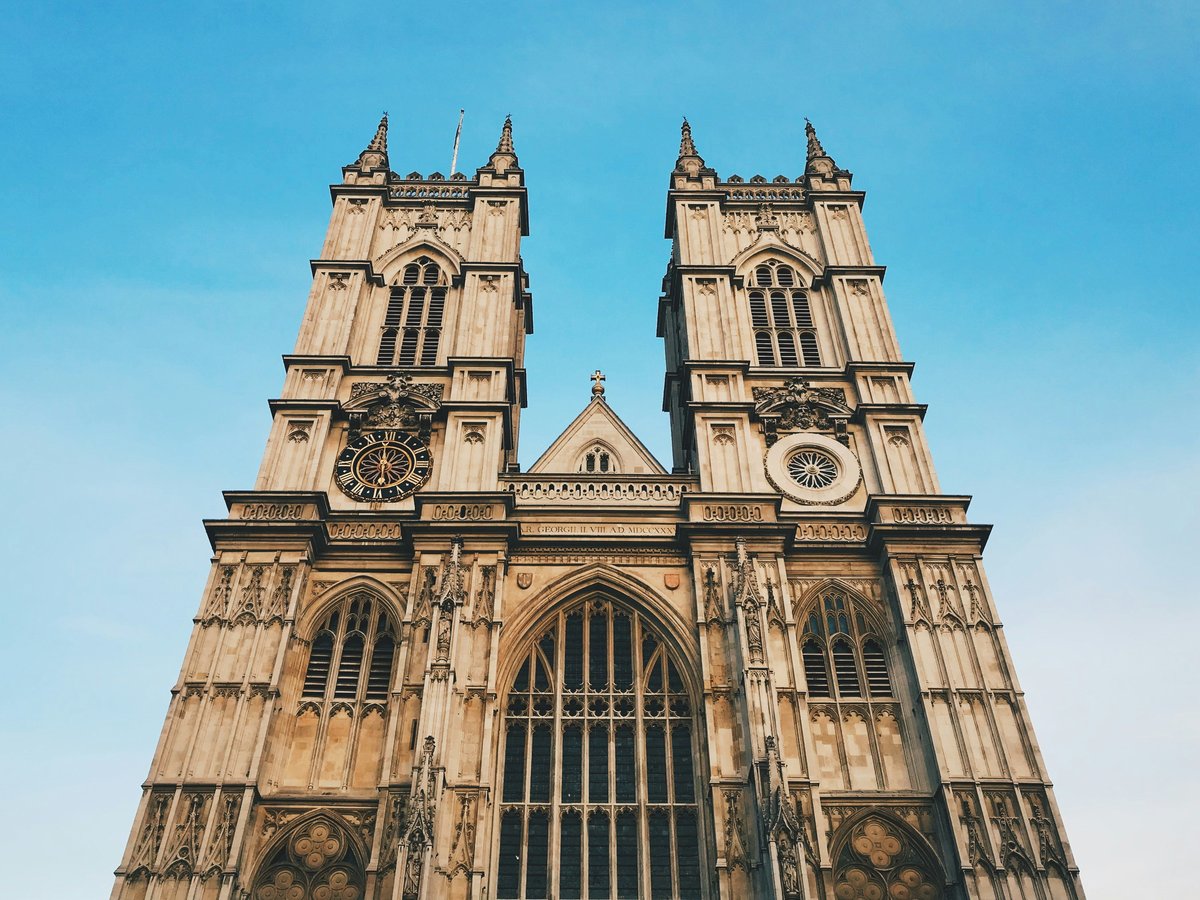
20 Dean's Yard, London, SW1P 3PAA Gothic abbey church that is part of a UNESCO World Heritage Site
From 09:30, Monday to Saturday, Westminster Abbey opens at 20 Dean's Yard, SW1P 3PA. It is a Gothic abbey church and part of a UNESCO World Heritage Site, and the stone repays slow attention far more than a quick lap does, so give it a full morning rather than treating it as a photo backdrop. The doors close at 16:00, which means an afternoon start leaves you rushing through the nave with one eye on your watch. Sundays are not part of the visiting schedule, so build your week around it. Check the official website before you set out, because a working church keeps its own calendar.
Part of a UNESCO World Heritage Site
Hours: Mo-Sa 09:30-16:00
-
2 Tower Bridge
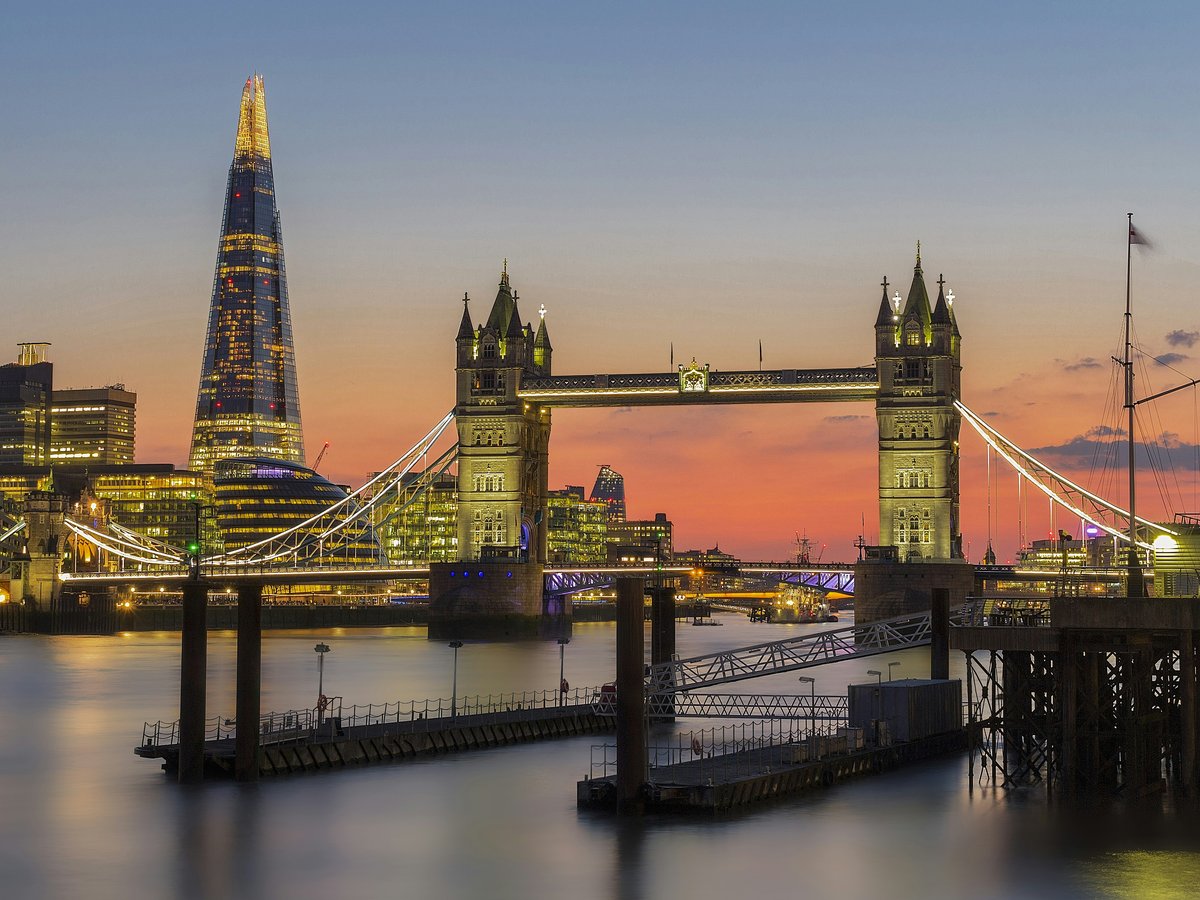
Tower Bridge, LondonA Grade I listed bascule and suspension bridge in a single structure
Work on Tower Bridge dates to 1886, and from the water's edge the design still reads clearly: a bascule and a suspension bridge combined in one structure. It holds Grade I listed status, earned through engineering you can see rather than decoration alone. Forget the hurried selfie from the middle of the roadway, where traffic and crowds flatten the view. The locals know the bridge looks best from a riverbank, where both halves of the design line up and the towers hold the whole frame. Walk across once for the experience, then step back and look at it properly. The official website lists what is open inside on the day you visit.
Dates from 1886 · Grade I listed building
-
3 London Eye
Westminster Bridge Road, London, SE1 7PBAn observation wheel dating from 1999
Every day from 11:00 to 18:00, the London Eye turns over Westminster Bridge Road, SE1 7PB. An observation wheel dating from 1999, it is the youngest landmark on this list by a long way, and the one that shows you how the others fit together. Skip the late-afternoon crush, when everyone tries to squeeze in a ride before the 18:00 close. Go near opening instead, while your day is still unplanned, and use the view to sketch out where you will walk next. Book through the official website rather than turning up and hoping. For something that is mostly about waiting, the ride itself feels short, so make the most of each minute in the capsule.
Dates from 1999
Hours: Mo-Su 11:00-18:00
-
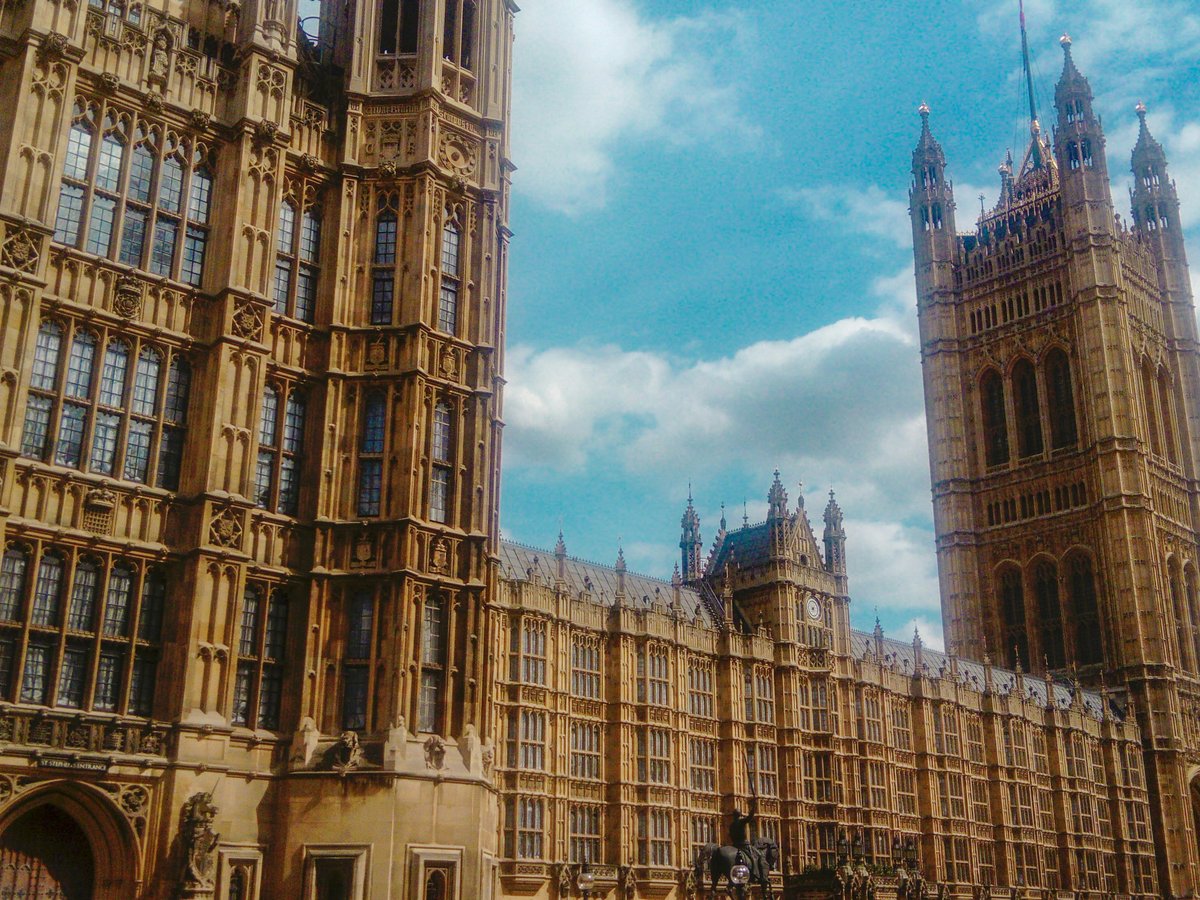
4 British Library
96 Euston RoadThe national library of the United Kingdom, open until 20:00 Monday to Thursday
At 96 Euston Road, the British Library stays open until 20:00 from Monday to Thursday. It is the national library of the United Kingdom, dating from 1973 and holding Grade I listed status. That modern date is part of its appeal: here you can see the country's written record in a building that is not trying to look ancient. Locals treat it as a weekday-evening refuge, and visitors should too. Skip the rainy-day scramble for a crowded museum and come here after dinner instead. Friday closes earlier, at 18:00, and Saturday runs from 09:30 to 17:00, while on Sunday the doors open at 11:00. For questions, the phone line is +44-330-333-1144.
Dates from 1973 · Grade I listed building
Hours: Mo-Th 09:30-20:00; Sa 09:30-17:00; Su 11:00-17:00; Fr 09:30-18:00
-
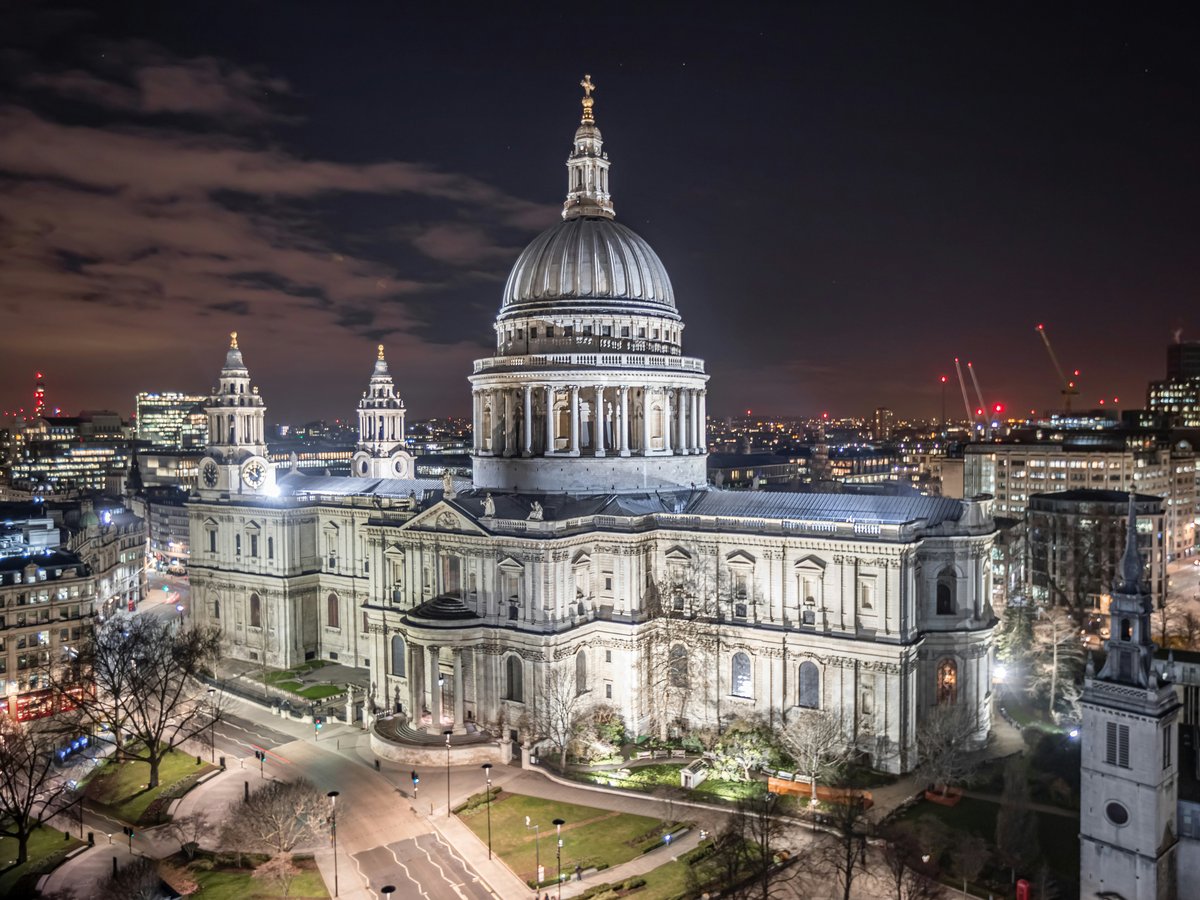
5 St Paul's Cathedral
St Paul's Churchyard, London, EC4M 8ADA Grade I listed cathedral in the City of London dating from 1675
The cathedral standing at St Paul's Churchyard, EC4M 8AD, dates from 1675. St Paul's Cathedral is the City of London's cathedral, Grade I listed, and it holds its own against the office blocks crowding the streets around it. Doors open at 08:30, Monday to Saturday, earlier than any other church here, so come first thing and be inside while the floor is still quiet, before the mid-morning tour groups arrive. Visiting closes at 16:00, leaving little room for a late arrival. Check the official website before you go, since services take priority over sightseers, and rightly so.
Dates from 1675 · Grade I listed building
Hours: Mo-Sa 08:30-16:00
-
6 Buckingham Palace
London SW1A 1AAThe official London residence and principal workplace of the British monarch
Buckingham Palace, the official London residence and principal workplace of the British monarch, sits under the postcode SW1A 1AA. Dating from 1703 and Grade I listed, it is still a working palace and not a museum of one, which is what makes it worth your time. Hours run from 10:00 to 17:30, seven days a week. Don't press against the railings for a blurry shot of the facade. The locals know that stepping a little further back takes in the whole frontage and gives you room to breathe. Arrive close to 10:00 if you want the forecourt view before the day's crowds settle in.
Dates from 1703 · Grade I listed building
Hours: Mo-Su 10:00-17:30
-
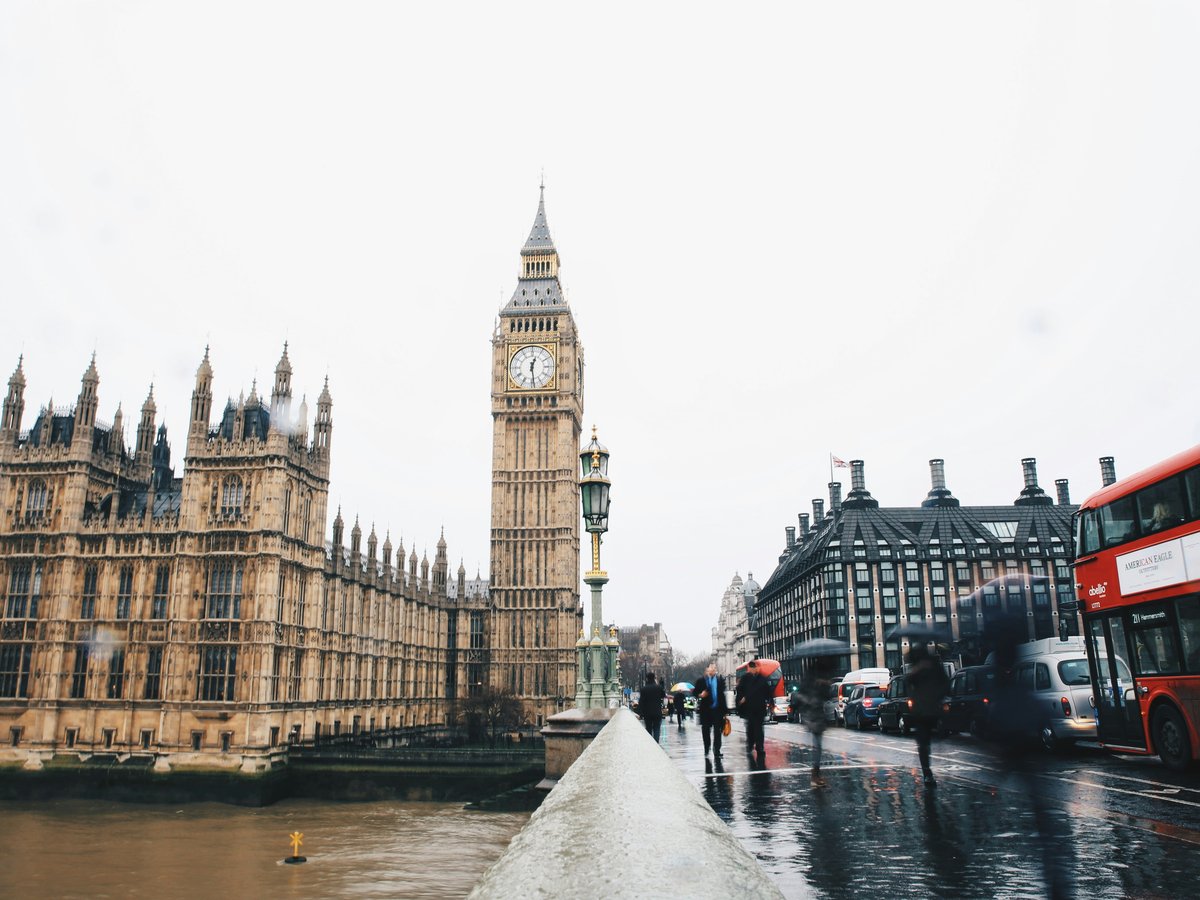
7 Big Ben
Bridge Street, LondonThe tower of the Palace of Westminster that contains the bell Big Ben
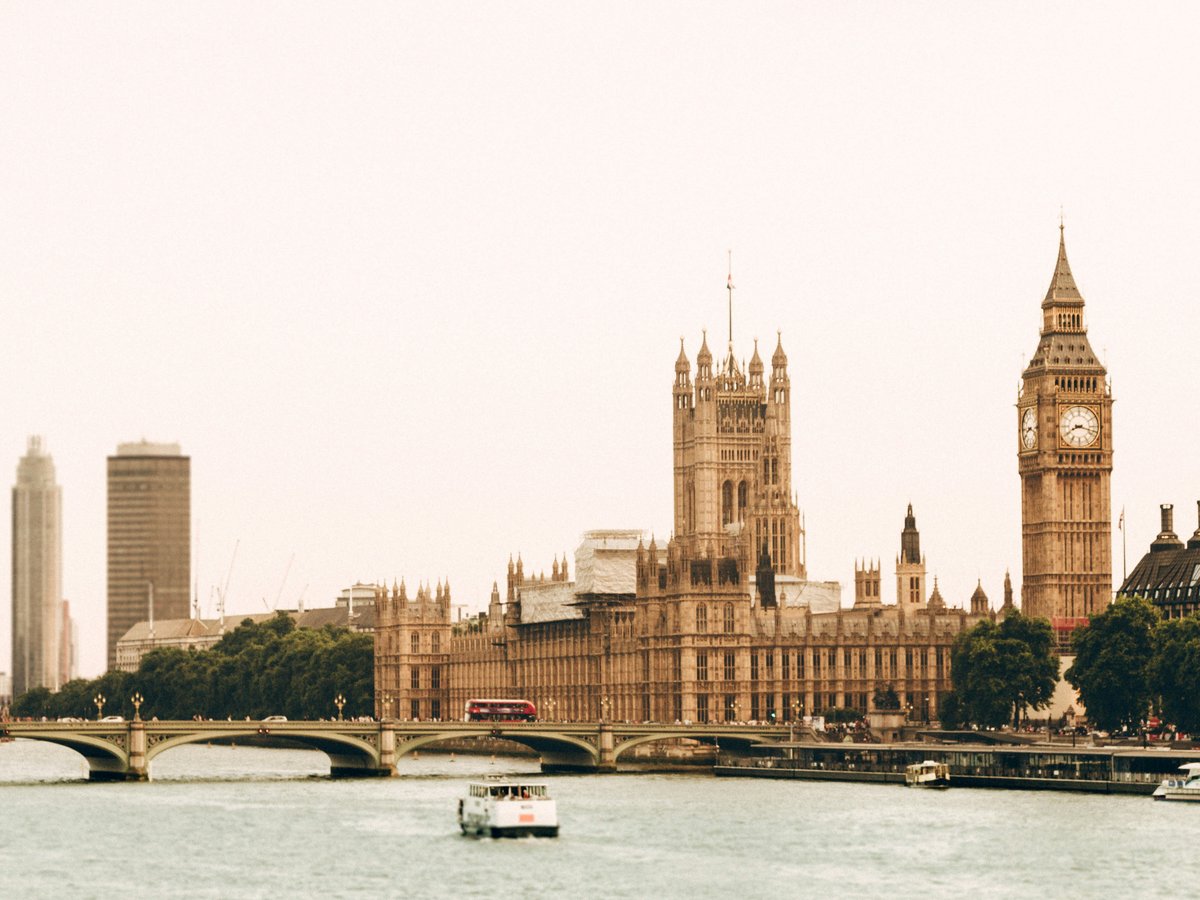
The bell called Big Ben echoes from its tower above Bridge Street. Here is the pedantic point the locals enjoy making: the name belongs to the bell inside, and the structure you are photographing is a tower of the Palace of Westminster. Once you know that, listening matters as much as looking. Skip the crush on the pavement directly beneath, where you crane your neck and see mostly stonework, and walk a few streets back to let the tower rise over the rooftops, then wait for the hour and hear the bell carry. It is the most photographed clock face in the city, so try to earn a picture that does not look like everyone else's.
-
8 Tower of London
Tower Hill, London EC3N 4ABA castle dating from 1066 that is a UNESCO World Heritage Site
The Tower of London, a castle in central London, stands on Tower Hill, EC3N 4AB, with a history that begins in 1066, earlier than anything else on this list, and it is a UNESCO World Heritage Site. London's oldest layer is here, still standing and still walled. Don't squeeze it between two other headline sights on a rushed half-day, because this place rewards a full, unhurried stretch of time and a tired visitor will miss most of it. The walls themselves are the main event, more than any single exhibit inside them. Come with comfortable shoes and no fixed exit time, allow for queues at the gate, and budget the rest of the day for nothing too ambitious.
Dates from 1066 · UNESCO World Heritage Site
-
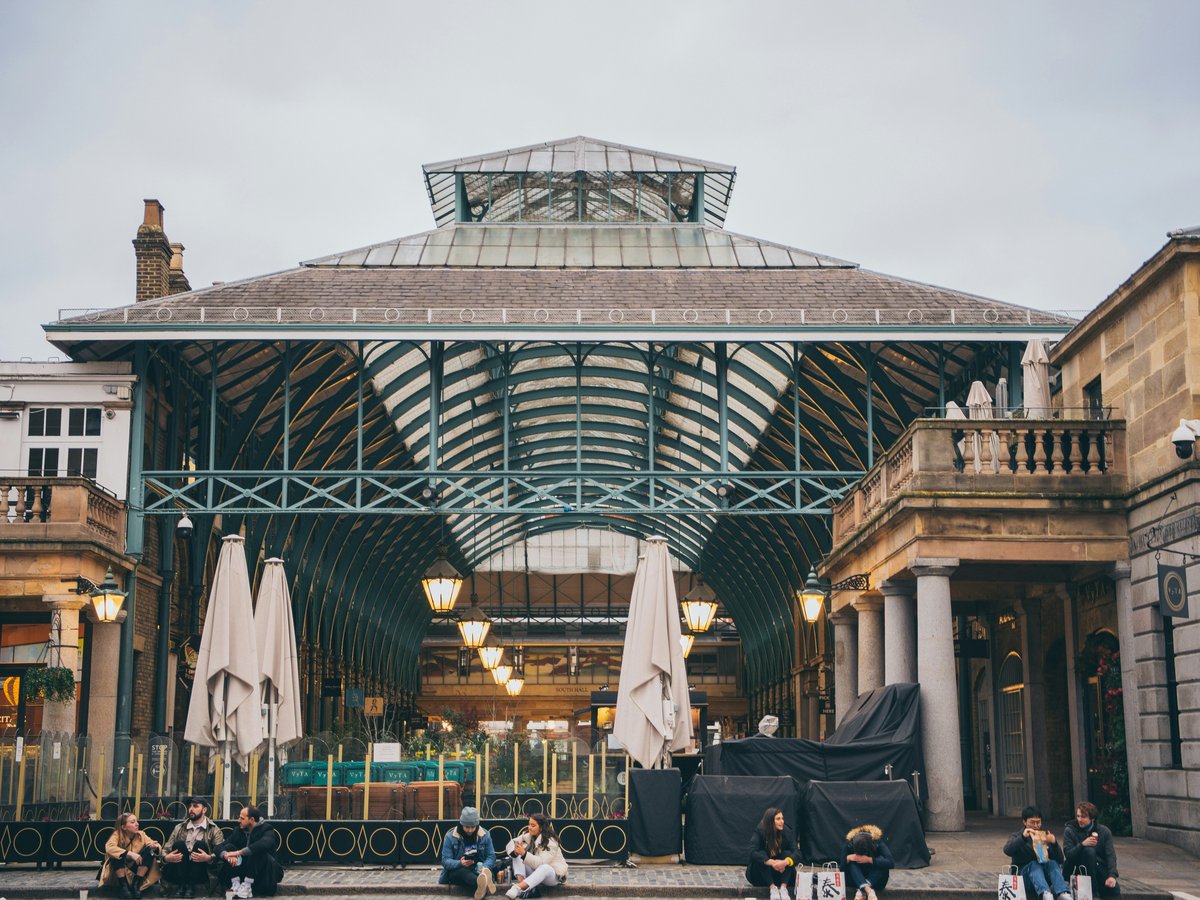
9 Covent Garden
Covent Garden Piazza, London, WC2E 8HDA London district built around its central piazza
Street noise spills across Covent Garden Piazza, WC2E 8HD, from mid-morning until well after dark, and the piazza at the heart of this London district is the part everyone pictures when they hear the name. Don't bother eating on the piazza itself. The locals use it as a place to pass through and watch for a few minutes, not to sit down and spend money. Treat it as a starting point for wandering the surrounding streets, which is where the district earns its reputation. Come early on a weekday if you want to see the square's shape before the crowds fill it in. The official website lists events and seasonal changes, so check it before you plan an evening around the area.
-
10 Royal Opera House
7 Bow Street, London, WC2E 9DD, EnglandThe third theatre on its site, opened in 1858, in Covent Garden
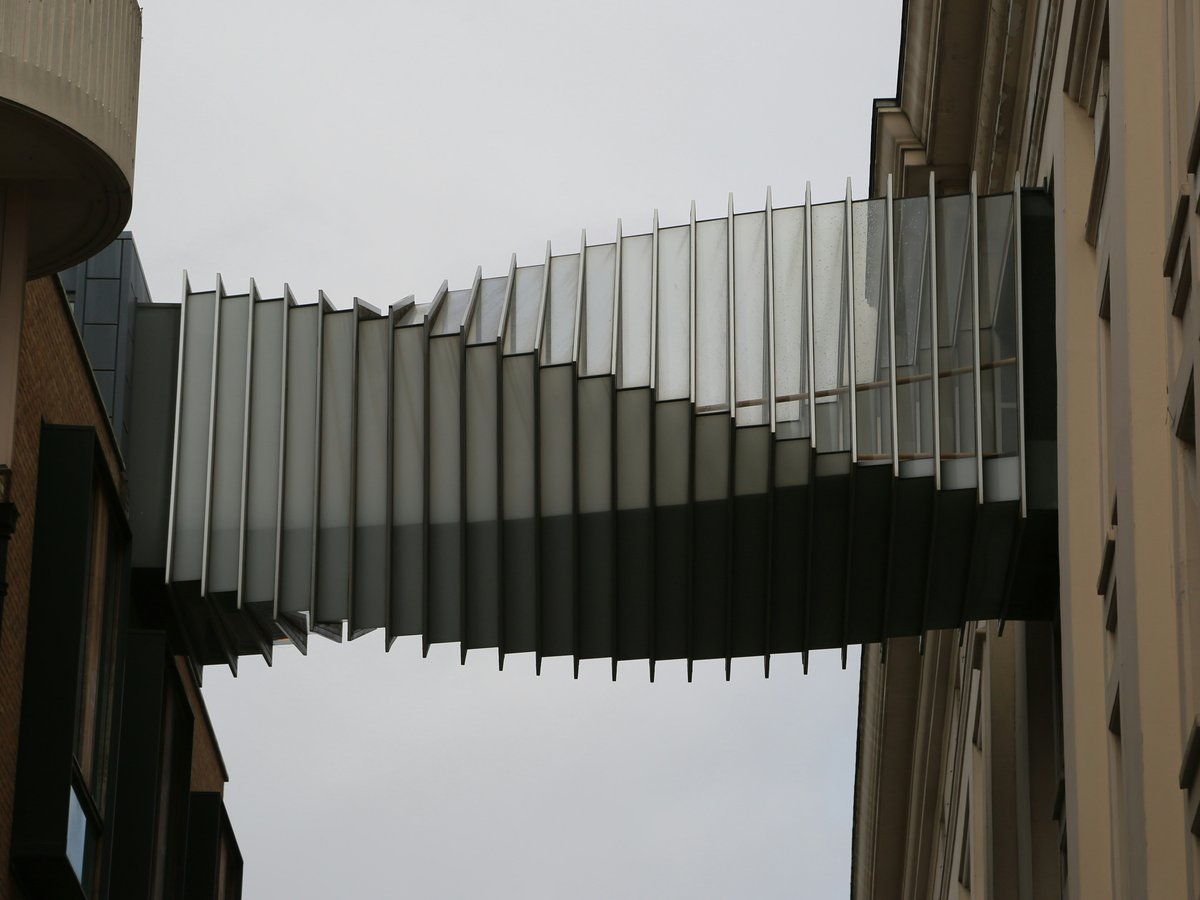
The building at 7 Bow Street, WC2E 9DD, is the third theatre on the site and opened in 1858. The Royal Opera House traces its history back to 1732, and today it is a Grade I listed building and one of the major performing arts venues in Covent Garden. Forget the idea that you need a gala night and the top-price seats to justify a visit. The locals know that a single performance from any seat gives you the room, the music and the occasion. Book through the official website, dress however you like, and know that the building is at its best when it is full and the house lights are going down.
Dates from 1732 · Grade I listed building
-
11 Downing Street
10 Downing Street, London, SW1A 2AAThe street behind the address 10 Downing Street, dating from 1680
Downing Street is a street in London that dates from 1680, which makes it older than the palace on this list, and the address everyone knows, 10 Downing Street, SW1A 2AA, is less a place to visit than a place to recognise. Not worth a special trip on its own, in our view. Come expecting a glimpse and a story rather than a tour, fold it into a longer walk, and the stop makes sense: what you are seeing is mostly a famous address, and that is fine as long as you know it before you arrive. The official website covers the history of the house at number 10 in more depth than the street-side view can.
Dates from 1680
-
12 Royal Albert Hall
4 Kensington Gore, London, SW7 2APA Grade I listed concert hall in South Kensington dating from 1871
The Royal Albert Hall at 4 Kensington Gore, SW7 2AP is a concert hall in South Kensington that dates from 1871 and carries a Grade I listing, but it is a hall you hear, not one you simply look at. Skip the exterior photo-and-leave visit that so many itineraries settle for. The locals buy a ticket to whatever is on, whether that is classical, rock or a film with a live orchestra, because the reason to come is the sound in the room, and a seat high up is worth it for the scale of the space. Check the official website for the programme and book whatever fits your dates.
Dates from 1871 · Grade I listed building
Last verified by automated review (v1.7.2_regen1016-1015-715-20261016025527) on . What is automated review?