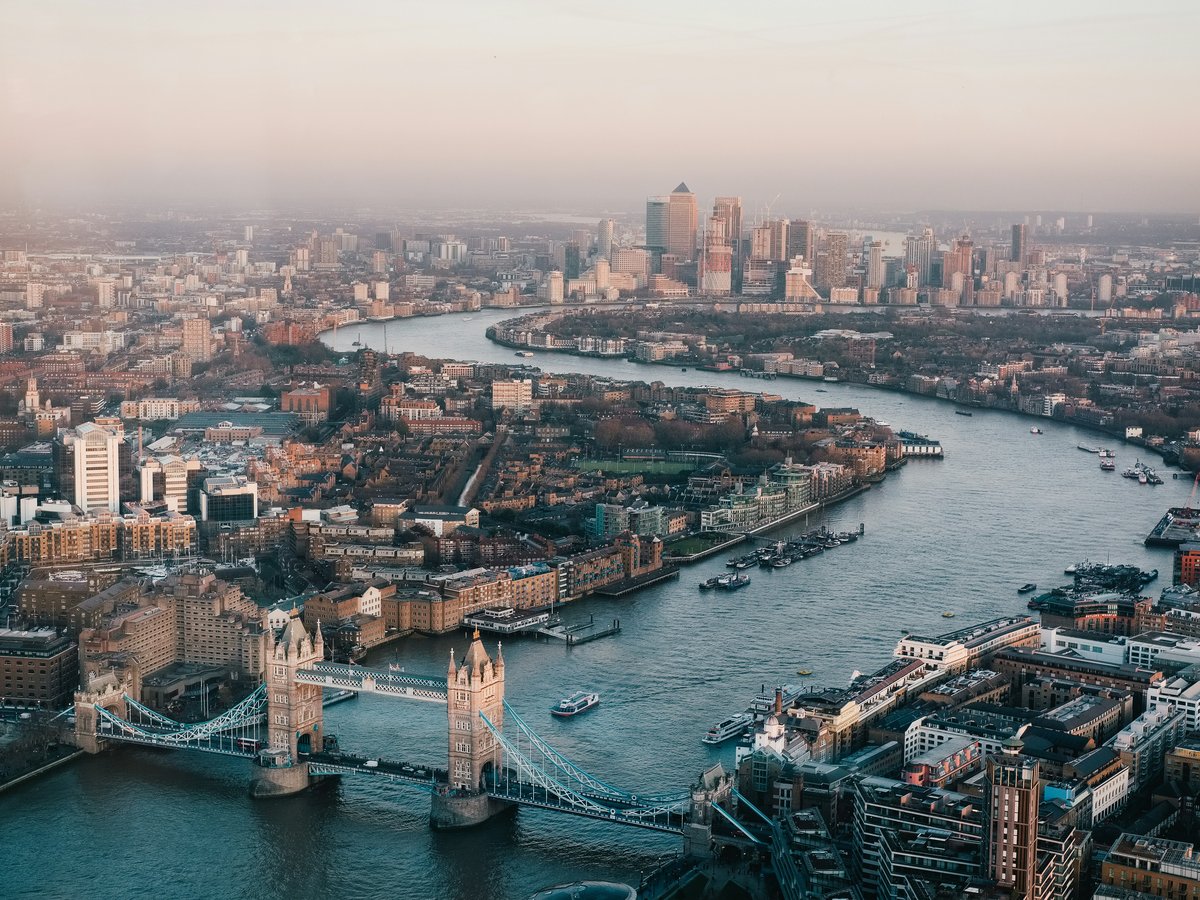
London on a budget
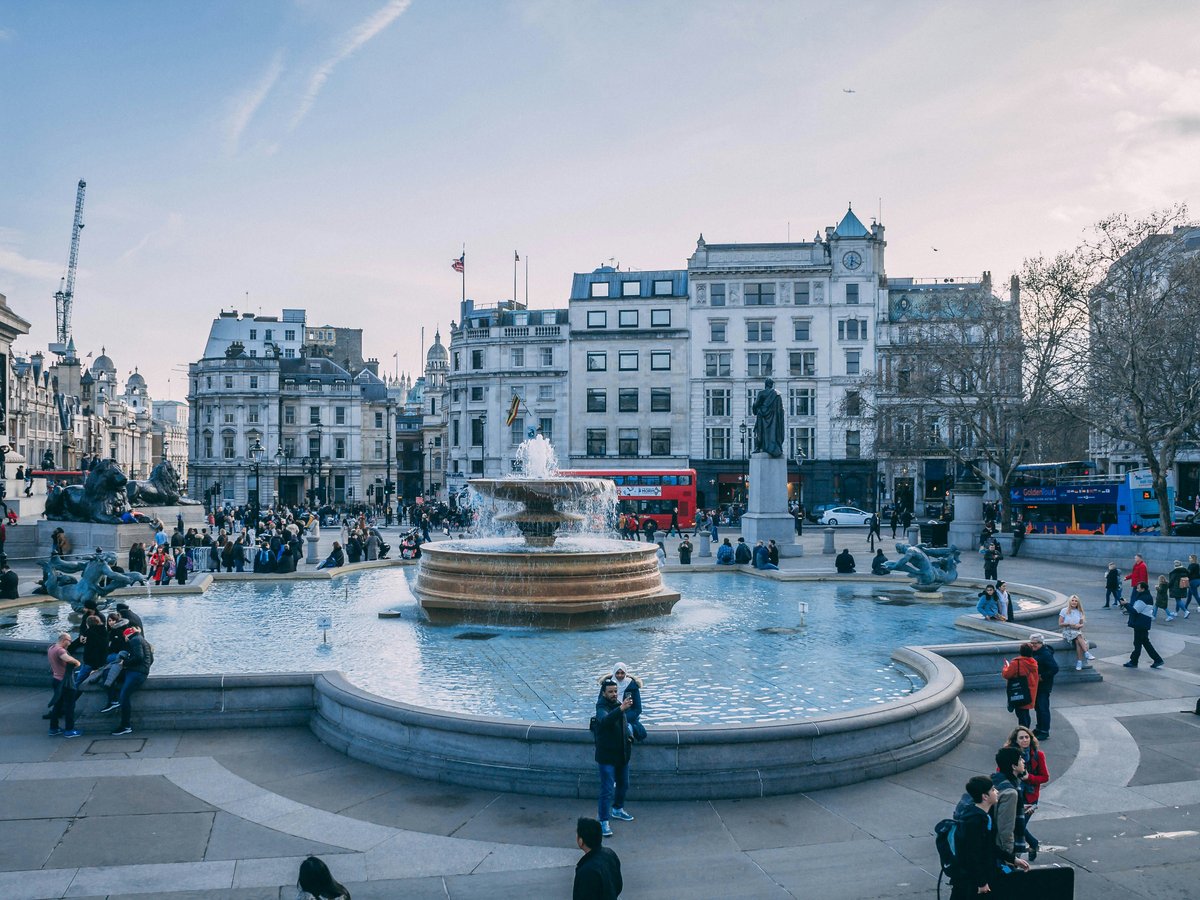
Trafalgar Square is the civic centre of London, free and open, with Nelson's Column as the anchor of every walking route north of the river. Most of the picks for budget travelers in London sit in Paddington and Camden. London has 39 budget-tier hotels in the Trip.com pool from US$12 a night.
London for budget travelers, in numbers
- Picks on this page
- 22 places across 2 lists, led by Tudor Court Hotel, The Bryson Hotel, Croft Court Hotel
- budget-tier hotels
- 39 in the Trip.com poolfrom US$12 a night
Questions budget travelers ask about London
-
Cost per day
Budget travelers spend £45-55 ($60-75) per day in London on a hostel dorm, supermarket meal deals at £3.50, and free national museums. Midrange runs £130 ($175). Over 10 major museums, from the British Museum to Tate Modern, charge nothing for permanent collections. That gives London a sharp cost edge over Paris or Rome.
Read the full answer → -
What to avoid
Skip Madame Tussauds, M&M's World in Leicester Square, and the Heathrow Express. Watch the guard change at Horse Guards Parade rather than at the crowded railings of Buckingham Palace, swap the London Eye for free views from Sky Garden or Horizon 22, and never stop for the cup-and-ball gamblers on Westminster Bridge. Tap contactless on the Tube instead of buying paper tickets.
Read the full answer → -
Getting around
Oyster card or contactless bank card on the Tube covers most of London. The Underground runs 11 lines across 270 stations; buses fill the gaps and run all night. Black cabs are expensive but honest on the meter. Uber works well after midnight. Walking is the best way to connect nearby neighborhoods.
Read the full answer → -
Airport to city
From Heathrow, take the Elizabeth Line: around £5.60 on contactless, 30 minutes to Paddington or straight through to Tottenham Court Road without changing. The Heathrow Express is faster at 15 minutes but £25. After midnight, Uber runs £45-70 to central London. From Gatwick: Thameslink to St Pancras, roughly £12, 35 minutes.
Read the full answer → -
Food culture
London's food identity is immigrant-built. The best meals tend to come from communities that settled specific postcodes: Bengali cooks in Whitechapel, Cantonese roast-meat shops in Chinatown, Turkish ocakbasi grills along Green Lanes in Harringay. Skip the tourist-facing restaurants near major stations. The real eating happens in neighbourhood markets and at counters where English might be the third language spoken.
Read the full answer →
Curated for budget travelers
-
Best hostels
London's hostel inventory does not cluster around one postcode. Budget beds scatter from the Eurostar concourse at St Pancras to the terraced streets south of Croydon, and the price spread between a $19 bunk in Bloomsbury and an $80 room in Camden buys a different city in each direction. The neighborhoods where budget travelers sleep share one trait: a Tube or Overground station close enough to walk. Some sit inside the tourist corridor, where you trade quiet for proximity to museums and theatres. Others anchor to the suburban rail network, where a clean room and silence come with a longer commute. This guide maps the ten areas where London's hostel and budget stock concentrates, ranked by density of inventory. Read it as a transit guide for cheap sleep: which station to aim for, what the walk home looks like, and whether the trade-off between access and price fits your trip.
See the picks → -
Best free attractions
London's best open ground costs a visitor nothing but time, and this list is built around that. It runs from Trafalgar Square, laid out in 1840, to Kew Gardens, home of the world's largest collection of living plants, and in between are Royal Parks such as Hyde Park, Regent's Park and Richmond Park. St James's Park is listed Grade I as a park and garden, and two picks sit within UNESCO World Heritage Sites. The civic squares count too: Leicester Square dates from 1670, and Speakers' Corner sits inside Hyde Park. This list is for walkers, for people who would rather spend an afternoon than a budget, and for anyone who wants to see the city when it is not trying to sell them something. Bring good shoes, check opening hours where we give them, and plan to cover ground on foot between the central picks before you head out to the far ones.
See the picks →