London for families
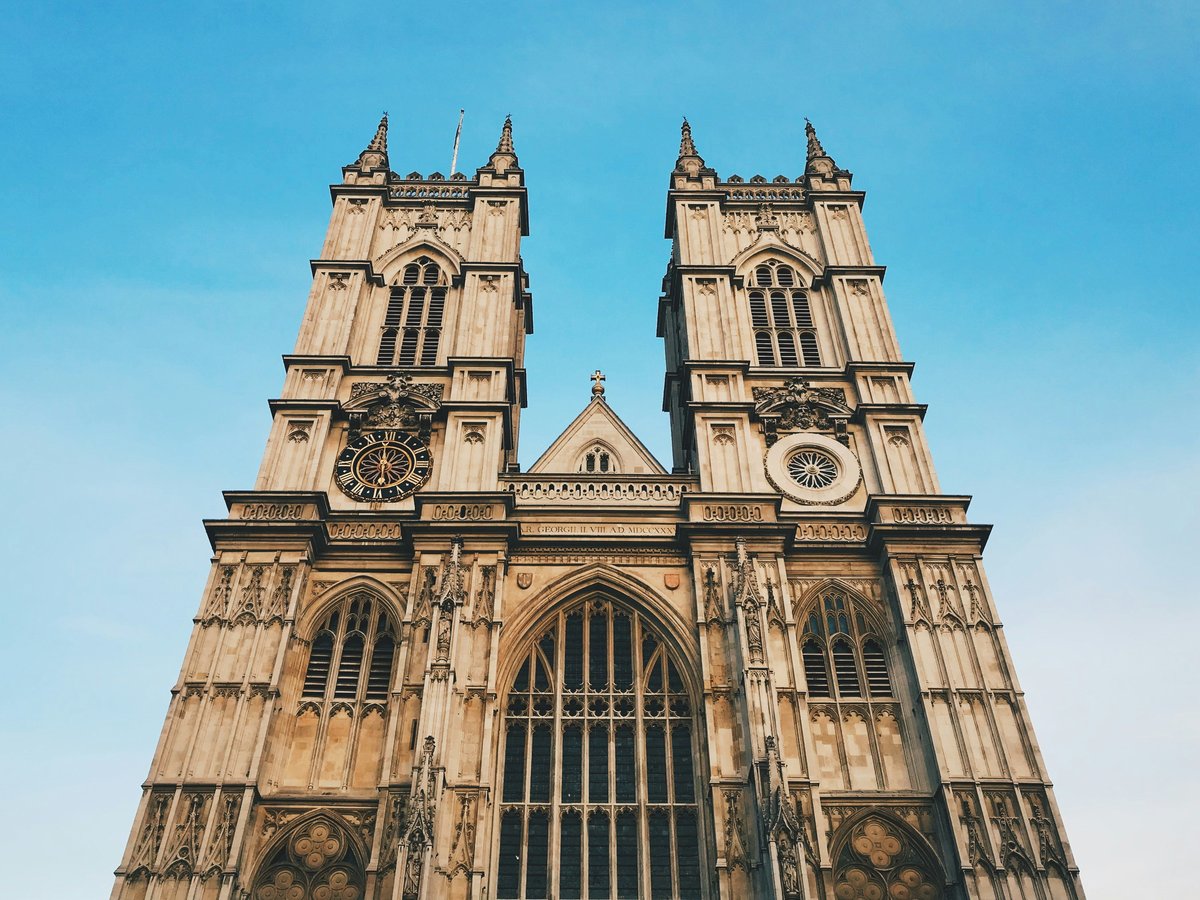
British Library: Reading rooms of the United Kingdom's national library, open to any visitor who registers for a reader pass. Westminster Abbey: Coronation church and working Gothic abbey at the heart of Westminster.
London for families with kids, in numbers
- Score for families
- 7.8 out of 10
- Picks on this page
- 36 places across 3 lists, led by British Library, Westminster Abbey, Big Ben
Questions families with kids ask about London
-
Family-friendly
London is family-friendly: 8/10. Free museums (Natural History, Science, V&A) carry entire rainy days without spending a penny. The Tube is the main caveat: barely a third of stations have step-free access, so strollers mean bus routes or the newer Elizabeth line. Parks are generous, food options accommodate picky eaters, and most major attractions have proper changing facilities.
Read the full answer → -
Is it safe?
London scores 7.8 out of 10 for solo-traveler safety (see the TTDI Solo-Safety Index). Violent crime against visitors is rare; the real risks are phone snatching on e-bikes in Westminster and Camden, pickpockets on the Central and Jubilee lines during rush hour, and unlicensed minicabs after midnight. Emergency number is 999.
Read the full answer → -
What to pack
A packable rain jacket that lives in your day bag: London shifts from sun to drizzle three times before lunch. Layer for 8-22°C depending on season, bring a UK Type G adapter (the three-prong plug nothing else uses), and walking shoes with grip for wet, uneven pavements. Skip the umbrella; Boots sells them for £5.
Read the full answer → -
Getting around
Oyster card or contactless bank card on the Tube covers most of London. The Underground runs 11 lines across 270 stations; buses fill the gaps and run all night. Black cabs are expensive but honest on the meter. Uber works well after midnight. Walking is the best way to connect nearby neighborhoods.
Read the full answer → -
Best time to visit
September is the strongest choice for a first trip, and late May through June runs a close second. By September the summer crowds have thinned, room rates ease from their peak, and the days are still mild enough to walk between sights. June gives you the longest evenings, which helps with jet lag. Steer clear of August's school-holiday queues and the short, grey days of January and February.
Read the full answer →
Curated for families with kids
-
Must-see attractions
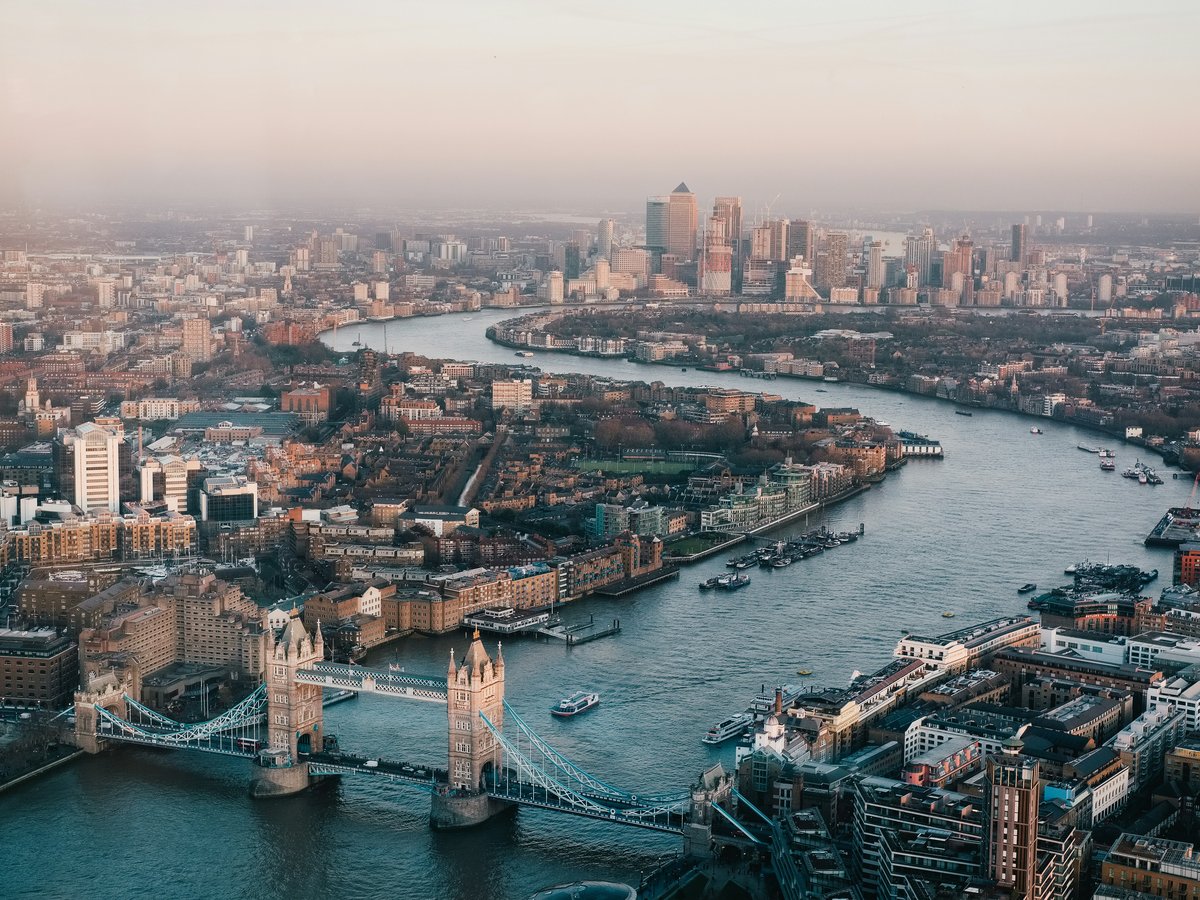
London's must-sees are not a theme park of attractions. These are working buildings that still do the job they were built for: a castle dating from 1066 stands on the same river as an observation wheel from 1999, and the monarch's official London residence and principal workplace sits on this list alongside the national library of the United Kingdom. Most of these places are Grade I listed, from Tower Bridge to the Royal Albert Hall, and two of them sit inside UNESCO World Heritage designations. This list is for first-time visitors who want the famous names and also want to know when to go, where the door is, and which version of the experience is worth their time. Opening hours are tight at the churches and generous at the library, so plan your days around the clock rather than the map. Expect queues at the obvious photo spots, and in each entry we point you to a better use of the same hour.
See the picks → -
Best free attractions
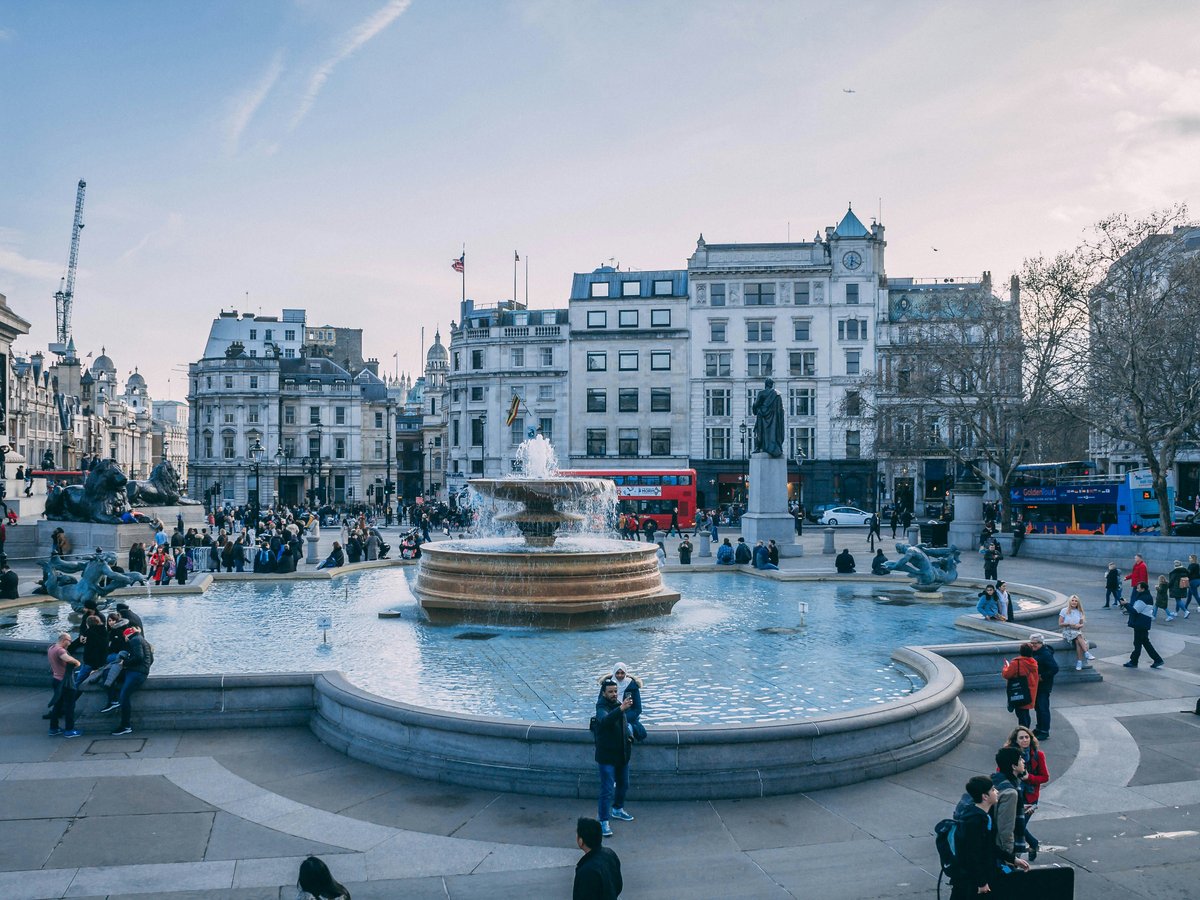
London's best open ground costs a visitor nothing but time, and this list is built around that. It runs from Trafalgar Square, laid out in 1840, to Kew Gardens, home of the world's largest collection of living plants, and in between are Royal Parks such as Hyde Park, Regent's Park and Richmond Park. St James's Park is listed Grade I as a park and garden, and two picks sit within UNESCO World Heritage Sites. The civic squares count too: Leicester Square dates from 1670, and Speakers' Corner sits inside Hyde Park. This list is for walkers, for people who would rather spend an afternoon than a budget, and for anyone who wants to see the city when it is not trying to sell them something. Bring good shoes, check opening hours where we give them, and plan to cover ground on foot between the central picks before you head out to the far ones.
See the picks → -
Best museums
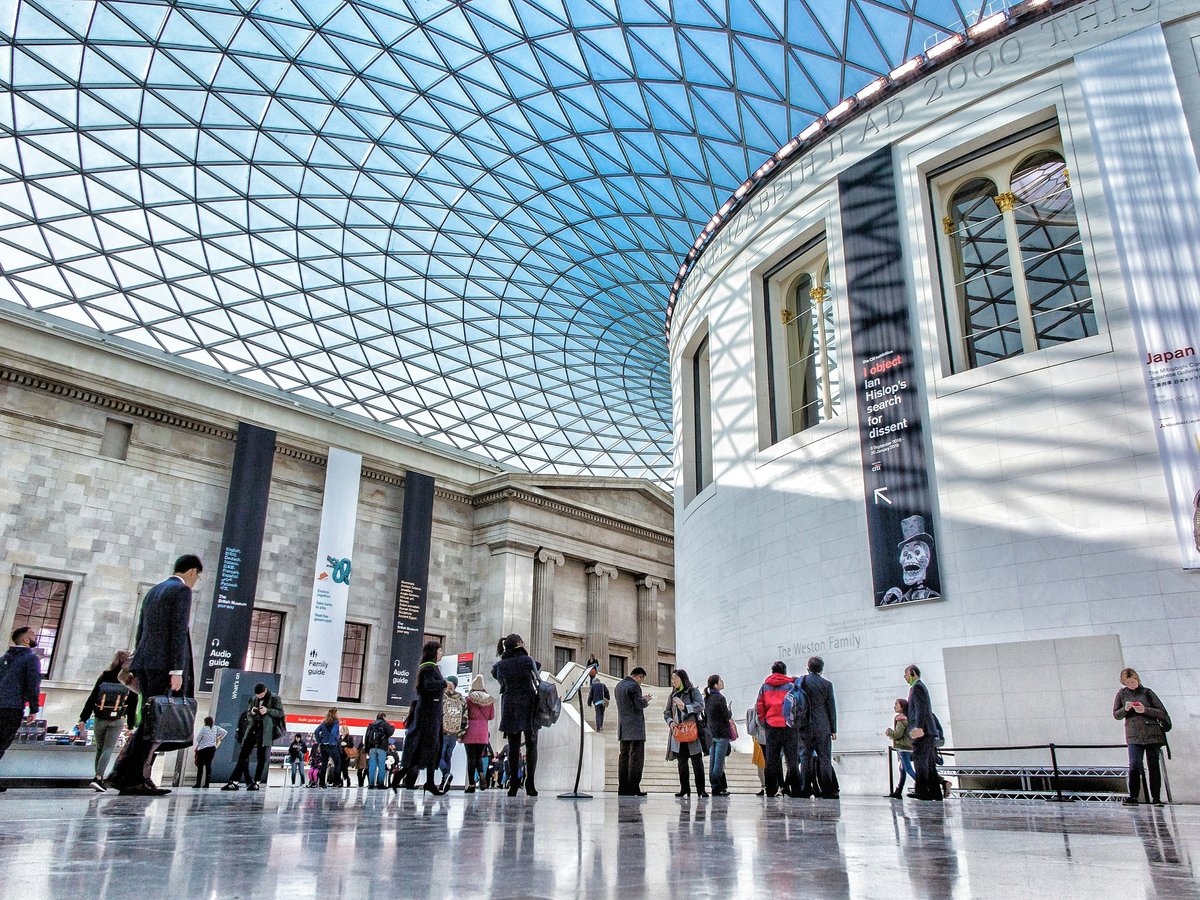
London's museums are not confined to Bloomsbury. This list starts with the British Museum, which dates from 1753, and ends at a British clipper ship. Along the way it takes in a castle in central London, the official London residence of the British monarch, an observatory in Greenwich, and a modern art gallery on Bankside. Several of these are Grade I listed buildings, and two fall within UNESCO World Heritage designations. Many of the buildings matter as much as what hangs or stands inside them. The list is for a visitor with limited days who wants to choose well rather than tick boxes, so pick a late-opening night for the big galleries, plan a full day for the palaces, and spend a morning in Greenwich instead of fighting the West End at noon. Two or three of these done properly will beat eight done in a sprint. Opening times on the ground can change, so check the hours below before you set off.
See the picks →