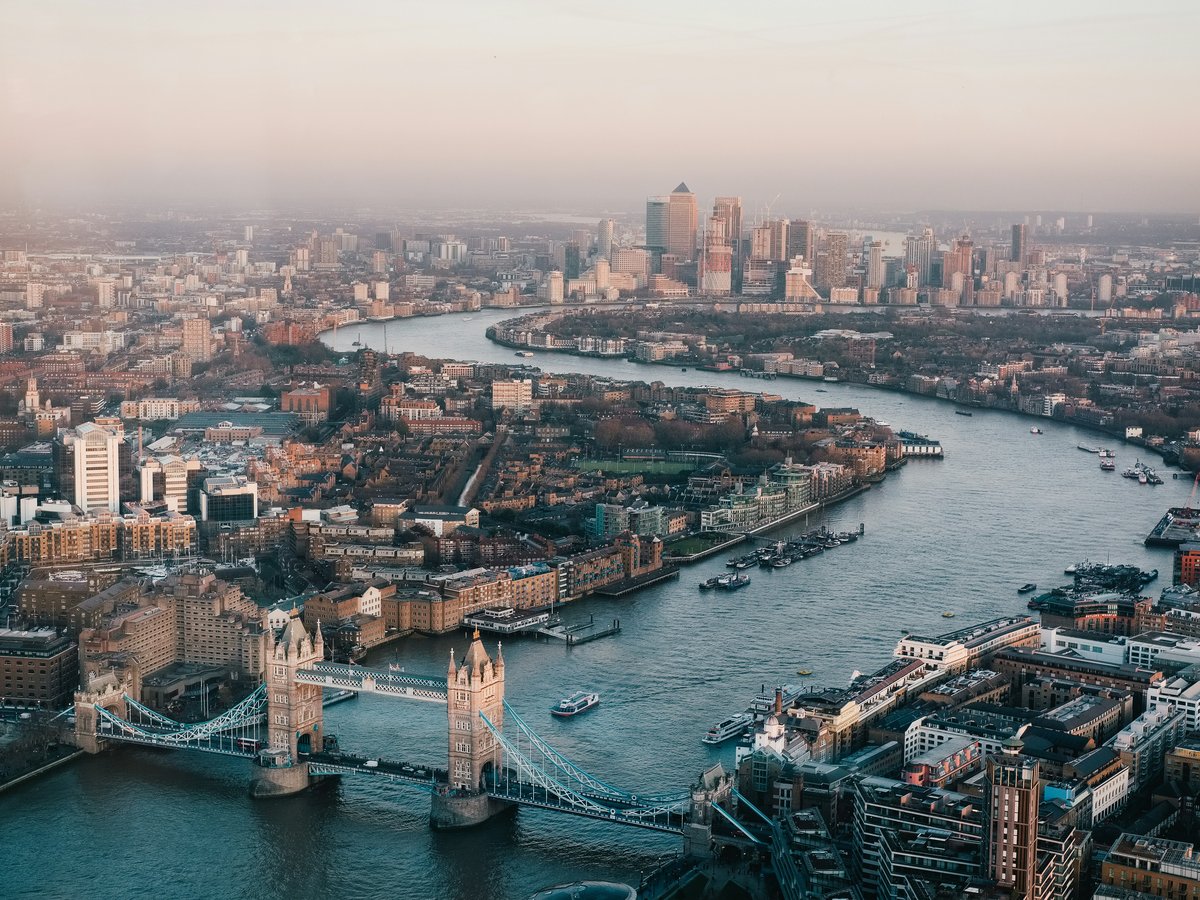
London has this odd reputation as one of the priciest cities in Europe, and honestly, it can be. A pint near Leicester Square will set you back seven or eight quid without blinking. But here's what catches people off guard: the city's major museums charge nothing for entry. Not on certain days, not with a student card — just nothing, permanently. That policy, rooted in a government decision from 2001 to scrap admission fees at national museums, means you can walk into collections that rival the Louvre or the Met and spend an entire afternoon without reaching for your wallet. Layer on the royal parks, the free churches, the Thames path, the street markets where browsing costs nothing, and London starts to look like one of the most generous cities anywhere for visitors watching their spending. You do need to be strategic — the paid attractions and West End shows will drain a budget fast — but a visitor who knows where to look can fill a week with genuinely memorable days and spend almost nothing doing it.
Free attractions
-
British Museum
The permanent collection is free, always. You could spend three full days here and still miss rooms. The Rosetta Stone sits in a ground-floor gallery that tends to get packed by midday, so mornings are worth the early start. The Assyrian lion hunt reliefs on the upper floor are quieter and arguably more striking. Some temporary exhibitions carry a fee, but the core collection — Egyptian, Greek, Mesopotamian, Enlightenment Gallery — is all free.
BloomsburyMuseum -
National Gallery
Every painting in the permanent collection is free to see. The Sainsbury Wing holds the earlier works — Van Eyck, Botticelli — and the light in those rooms on a clear afternoon is genuinely beautiful. Rooms 34 and 35 have the Impressionists, and they get crowded after lunch. Temporary exhibitions are usually ticketed separately, but the main galleries have been free since the building opened in 1838.
Trafalgar SquareMuseum -
Tate Modern
The permanent collection floors are free. The building itself — a converted power station on Bankside — is worth visiting just for the Turbine Hall, which hosts large-scale commissioned installations that change roughly annually. The views from the upper-floor restaurant terrace across to St Paul's Cathedral cost nothing either. Paid exhibitions run in the dedicated gallery spaces, but you can easily spend two hours on the free floors alone.
BanksideMuseum -
Natural History Museum
Free entry to all permanent galleries, including the blue whale skeleton in the Hintze Hall that stops most people mid-step when they walk in. The mineral gallery is one of those rooms that tends to be overlooked — rows of glowing specimens in Victorian wooden cases, oddly peaceful. The Wildlife Garden out back opens seasonally and is a quiet pocket of green most visitors walk right past.
South KensingtonMuseum -
Victoria and Albert Museum
The V&A's permanent collection is free, and the range is staggering — medieval tapestries, samurai armour, Balenciaga dresses, an entire cast of Trajan's Column. The courtyard cafe area smells like fresh pastry most mornings and the tiled Refreshment Rooms are themselves museum pieces. Some special exhibitions charge, but the bulk of the building is open.
South KensingtonMuseum -
Sky Garden
A public garden on the top three floors of 20 Fenchurch Street — the building Londoners call the Walkie Talkie. Entry is free but you need to book a timed slot in advance through the Sky Garden website. Worth noting: slots release about three weeks ahead and the popular sunset times go fast. The views east toward Canary Wharf and west along the Thames are wide and unobstructed. There's a bar and restaurant inside, but you're not obliged to buy anything.
City of LondonViewpoint -
Greenwich Park
One of London's oldest enclosed parks, sloping uphill to a viewpoint near the Royal Observatory where the whole of the Docklands skyline and the river bend spread out below you. The park itself is free. The Observatory's interior and the Planetarium are ticketed, but standing on the hill costs nothing and the view is the real draw. Deer graze in the Wilderness section toward the southeast corner.
GreenwichPark -
Hyde Park and Kensington Gardens
They run into each other and together form a green stretch that goes on for about a mile and a half. The Serpentine lake sits between them. In summer the water has a particular grey-green shimmer in the mornings. Speakers' Corner near Marble Arch still draws Sunday orators — the quality varies wildly, which is part of the point. Kensington Gardens has the Italian Gardens at its northern edge, recently restored, with ornamental fountains and stone urns.
Westminster / KensingtonPark -
Hampstead Heath
Not a manicured park — more like a piece of countryside that the city grew around. Parliament Hill gives you a panoramic south-facing view of the London skyline, and it's one of the better spots to watch the sun set behind the city. The bathing ponds are technically a small fee for non-members, but walking the heath itself is free and you can lose an afternoon on the paths through the woods near Kenwood House. The air smells different up here. Earthier, grassier.
HampsteadPark -
St James's Park
The most central of the royal parks, sitting between Buckingham Palace and Whitehall. The lake has pelicans — they've been here since the 1660s, a gift from a Russian ambassador, and the colony persists. Feeding time is currently around 2:30pm daily near Duck Island, which draws a small crowd. The bridge over the lake gives you a view of Buckingham Palace in one direction and the Horse Guards building in the other.
WestminsterPark -
Sir John Soane's Museum
A townhouse in Lincoln's Inn Fields that the architect Sir John Soane left to the nation in 1837, with the condition that nothing be moved. The result is an extraordinary cabinet of curiosities — Hogarth paintings behind folding panels, a sarcophagus of Seti I in the basement, rooms so densely hung with art that the walls seem layered. Free entry, always. The first Tuesday evening of each month they open the house by candlelight, which changes the atmosphere entirely.
HolbornMuseum -
Wallace Collection
A national museum in a Marylebone townhouse, free entry, and somehow still relatively quiet compared to the South Kensington museums. The Great Gallery upstairs has an extraordinary collection of 18th-century French painting and furniture. Frans Hals' Laughing Cavalier is here. The armoury collection on the ground floor is one of the best in Europe. You can smell the beeswax polish on the wooden floors.
MaryleboneMuseum
Free activities
-
South Bank Walk
The stretch of Thames path from Westminster Bridge to Tower Bridge runs about two and a half miles and passes the National Theatre, the BFI, Tate Modern, Shakespeare's Globe, Borough Market, and City Hall. On a dry afternoon the path hums with buskers and the smell of roasted nuts from the stalls near the London Eye. It's flat, paved, and probably the single best free walk in central London for density of things to look at.
South BankWalking Route -
Borough Market Browsing
The market under the railway arches near London Bridge has been trading in some form since the 13th century. Buying food here adds up quickly, but walking through costs nothing and the sensory overload is the real experience — aged cheese wheels, stacked sourdough, steam rising from raclette stands, the sound of traders calling over each other. Saturday mornings are the busiest. Wednesday and Thursday tend to be calmer. Mind you, resisting the free samples takes discipline.
SouthwarkMarket -
Columbia Road Flower Market
Sunday mornings only, roughly 8am to 3pm, though the traders start dropping prices and the energy shifts around 2pm. The street fills with cut flowers, potted plants, and the smell of lilies and fresh earth. The independent shops along the road open their doors on market days too — ceramics, vintage furniture, bakeries. It gets shoulder-to-shoulder by 11am, so earlier is more pleasant.
Bethnal GreenMarket -
Shoreditch Street Art
The streets around Brick Lane and the areas branching off from Great Eastern Street carry some of the densest street art in the city. Pieces change frequently — a wall that had a large-scale portrait last month might be painted over by next week. Rivington Street, Hanbury Street, and the alleys off Redchurch Street tend to have the most concentrated work. It's a self-guided walk; you just wander and look up.
ShoreditchPublic Art -
Changing of the Guard at Buckingham Palace
The ceremony currently happens on Mondays, Wednesdays, Fridays, and Sundays, though the schedule shifts and it's worth checking the Household Division website the day before. It starts at 10:45am and the guards march from Wellington Barracks. The forecourt gets crowded, so arriving 30 to 45 minutes early helps. The sound of the military band echoing off the palace facade carries surprisingly well even from the back of the crowd.
WestminsterCultural Experience -
Primrose Hill Viewpoint
A short, steep climb to the top of Primrose Hill gives you a south-facing view of the central London skyline — the BT Tower, the Shard, the London Eye all lined up. It's technically part of Regent's Park but feels separate, more like a village green. Locals bring picnics in summer. The light just before sunset turns the whole city a warm amber. No booking, no barriers, just a hill.
Primrose HillViewpoint -
Postman's Park
A small park near St Bartholomew's Hospital that most visitors never find. The reason to come is the Watts Memorial — a long wall of ceramic tiles, each one commemorating an ordinary person who died trying to save someone else's life. The inscriptions are Victorian and devastatingly specific. It's quiet, shaded, and a bit melancholy. Sits behind a row of buildings and is easy to miss even when you're looking for it.
City of LondonPublic Art / Park
Free events
-
Lunchtime Concerts at St Martin-in-the-Fields
Mondays, Tuesdays, and Fridays, usually 1pmFree classical music concerts have been running at this church on Trafalgar Square for decades. They typically last about 45 minutes. The acoustic in the baroque interior is warm and close — you hear the bow on the strings in a way that larger concert halls can't replicate. No ticket needed; there's a collection at the end, and giving something is appreciated but not required. The church smells faintly of old stone and candle wax.
St Martin-in-the-Fields, Trafalgar Square -
Notting Hill Carnival
August bank holiday weekend (last weekend of August)Europe's largest street festival, running since 1966 across the August bank holiday weekend. Sunday is traditionally the family day; Monday brings the larger sound systems and the main parade. Steel bands, calypso floats, jerk chicken smoke drifting through the streets, bass you can feel in your chest from three blocks away. Attendance is free. It gets extremely crowded — plan your route in advance and check TfL for station closures.
Notting Hill and Ladbroke Grove -
New Year's Day Parade
January 1st, annuallyA parade through central London on January 1st, running from Piccadilly down to Parliament Square. Marching bands, dance troupes, vintage cars, cheerleading squads — it's exuberant and slightly chaotic. Free to watch from the pavement. The cold tends to thin the crowds along the less central stretches, which means better views if you're willing to stand in it.
Piccadilly to Parliament Square -
Open House London
One weekend in September, annuallyOne weekend a year, usually in September, hundreds of buildings across London that are normally closed to the public open their doors for free. Embassies, private houses, skyscrapers, infrastructure buildings, Masonic lodges. Some require advance booking through the Open House website; others are drop-in. The more popular buildings — the Foreign Office, certain private residences — tend to have long queues, but the lesser-known entries often have no wait at all.
Various locations across London -
Friday Late at the V&A
Last Friday of each month, 6:30pm to 10pmOn the last Friday of each month, the V&A stays open until 10pm with a themed programme of events — live music, talks, film screenings, drawing workshops. The events and the museum entry are free. The atmosphere shifts after the regular visitors leave; the galleries feel different at night, quieter in some wings and buzzing in others. The themes change monthly and the programme is posted on the V&A website a few weeks before.
Victoria and Albert Museum, South Kensington -
Ceremony of the Keys at the Tower of London
Nightly, 9:53pm (advance booking required)The traditional locking-up ceremony at the Tower has been performed nightly for over 700 years. It's free to attend but you must apply for tickets well in advance through the Historic Royal Palaces website — they release them about two months ahead and they go quickly. The ceremony itself is short, about seven minutes, and takes place at 9:53pm precisely. The footsteps of the guard echoing off the stone walls in the dark are genuinely atmospheric.
Tower of London
Free Churches and Sacred Spaces Worth Visiting
London's churches tend to be overlooked next to the museums, but several are open daily and free to enter. Westminster Cathedral — the Catholic one, not the Abbey, which charges admission — has a striking Byzantine-style interior with marble columns and gold mosaics that catch the light from the high windows. It's on Victoria Street and rarely crowded. The Temple Church in the Inns of Court has round-nave architecture from the 12th century and effigies of medieval knights lying on the stone floor. St Bartholomew the Great in Smithfield is one of the oldest surviving churches in London, with heavy Norman columns and a stillness that feels disconnected from the city outside. All three are free to enter, though the Temple Church has limited opening hours and occasionally closes for private events. Worth checking before you go.
What Used to Be Free but Now Charges
A few places that older guidebooks list as free have since introduced admission fees, and it's worth being clear about them. The Tower of London and Westminster Abbey have charged for years — neither has been free in recent memory for general visitors. St Paul's Cathedral charges for sightseeing entry, currently around twenty pounds for adults, though you can attend a service for free if you're there for worship rather than tourism. The Royal Observatory in Greenwich charges for the museum interior and the Meridian Line courtyard, though standing on the hill outside in Greenwich Park — which gives you essentially the same view — is free. The Cutty Sark charges admission. If a guide tells you something in London is free, it's worth a quick check on the venue's own website before you plan your day around it.
Practical Tips for Free London
A few things that make free London work better in practice. First, the Tube is not free — and at peak times, a single zone-one journey is currently running around three pounds on a contactless card. Walking between central attractions saves money and often takes less time than you'd expect. The walk from the British Museum to Trafalgar Square is about fifteen minutes. Second, most of the national museums have a voluntary donation box or a suggested donation — typically five pounds. Nobody checks or asks, and there's no pressure, but it's there if you want to contribute. Third, Wi-Fi is free in most museums, most cafes, and across much of the Transport for London network. Fourth, water fountains have been installed across central London in the last few years, so refilling a bottle is straightforward. The ones near Trafalgar Square and along the South Bank are easy to find. Fifth, free doesn't always mean walk-in — Sky Garden, the Ceremony of the Keys, and some Open House buildings need advance booking. A bit of planning the week before saves the frustration of showing up and being turned away.
FAQ
Are London's major museums really free, or is there a catch?
The national museums — British Museum, National Gallery, Tate Modern, Tate Britain, Natural History Museum, Science Museum, V&A, Imperial War Museum, National Maritime Museum — are genuinely free for their permanent collections. No ticket, no registration, no suggested donation enforced at the door. Some have temporary or special exhibitions that charge separately, and those are clearly marked. The free policy has been in place since 2001 and, while it comes up for political debate occasionally, it has held steady. You can walk in, spend as long as you like, and leave without paying anything.
Is the Changing of the Guard free to watch?
Yes, completely free. You stand on the pavement outside Buckingham Palace or along the Mall. The ceremony currently takes place on Mondays, Wednesdays, Fridays, and Sundays, but the schedule changes seasonally and is occasionally cancelled for state events or weather. The Household Division publishes the confirmed schedule on their website — it's worth checking the morning of your visit. Arrive at least thirty minutes early for a reasonable view, as the forecourt area fills up.
Do I need to book in advance for free attractions?
For most museums and parks, no — you just walk in. The main exceptions are Sky Garden, which requires a free timed booking through its website, and the Ceremony of the Keys at the Tower of London, which needs free tickets applied for weeks in advance. Open House London buildings sometimes require pre-booking through their website. During school holidays, the Science Museum and Natural History Museum can get busy enough that queues form outside, but they don't turn people away or require timed entry for general admission.
What are the best free viewpoints in London?
Primrose Hill gives you a south-facing panorama of the central skyline and is probably the most photographed free viewpoint. Parliament Hill on Hampstead Heath is similar but slightly wider and tends to be less crowded. Greenwich Park's hilltop near the Royal Observatory looks out over the river bend and Canary Wharf — a different angle that shows the eastern spread of the city. Sky Garden on Fenchurch Street is enclosed and elevated, with views in all directions, but needs a free advance booking. The Tate Modern's upper floor terrace is free with museum entry and faces St Paul's Cathedral across the river.
Can I visit London's parks after dark?
It depends on the park. The royal parks — Hyde Park, Kensington Gardens, St James's Park, Regent's Park, Greenwich Park — have opening and closing times that shift with the seasons. They typically close around dusk, which might be 4:30pm in December or 9:30pm in midsummer. Hampstead Heath stays open around the clock, though it's unlit in most areas and the paths can be uneven after dark. Victoria Park in east London also has no gates. The South Bank path along the Thames is a public right of way and is accessible all night, well-lit, and generally busy enough to feel comfortable.
Are there free walking tours in London?
Several companies operate on a tip-based model where the tour itself is free and you pay what you think it was worth at the end. Sandeman's and Strawberry Tours are two of the more established ones, running daily walks through Westminster, the City, and Southwark. The quality varies with the individual guide, which is the nature of the format. That said, London is a straightforward city to explore on foot without any tour at all — a walk from Tower Bridge to Westminster along the South Bank passes most of the major landmarks and the path is well-signed throughout.
Last verified by automated review (v1.7.2) on May 31, 2026. What is automated review?