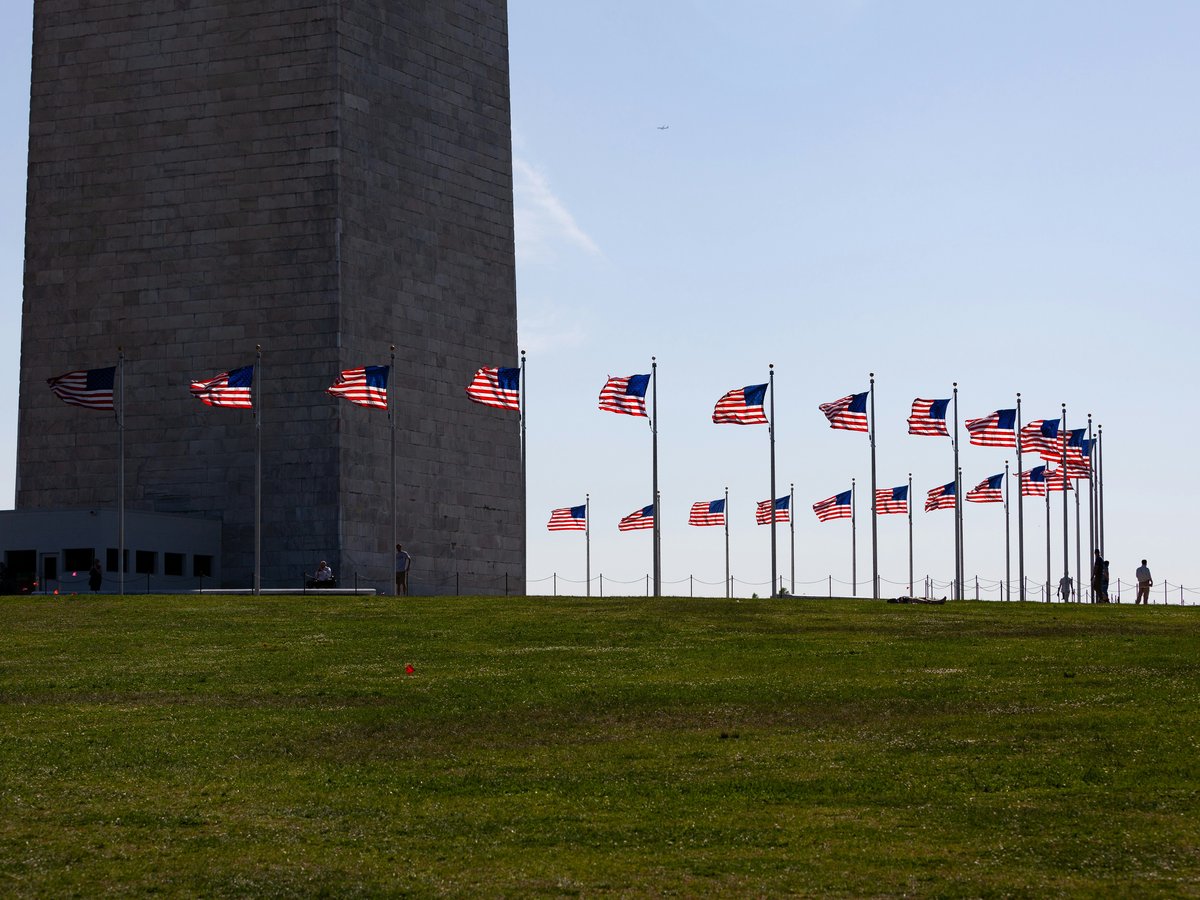
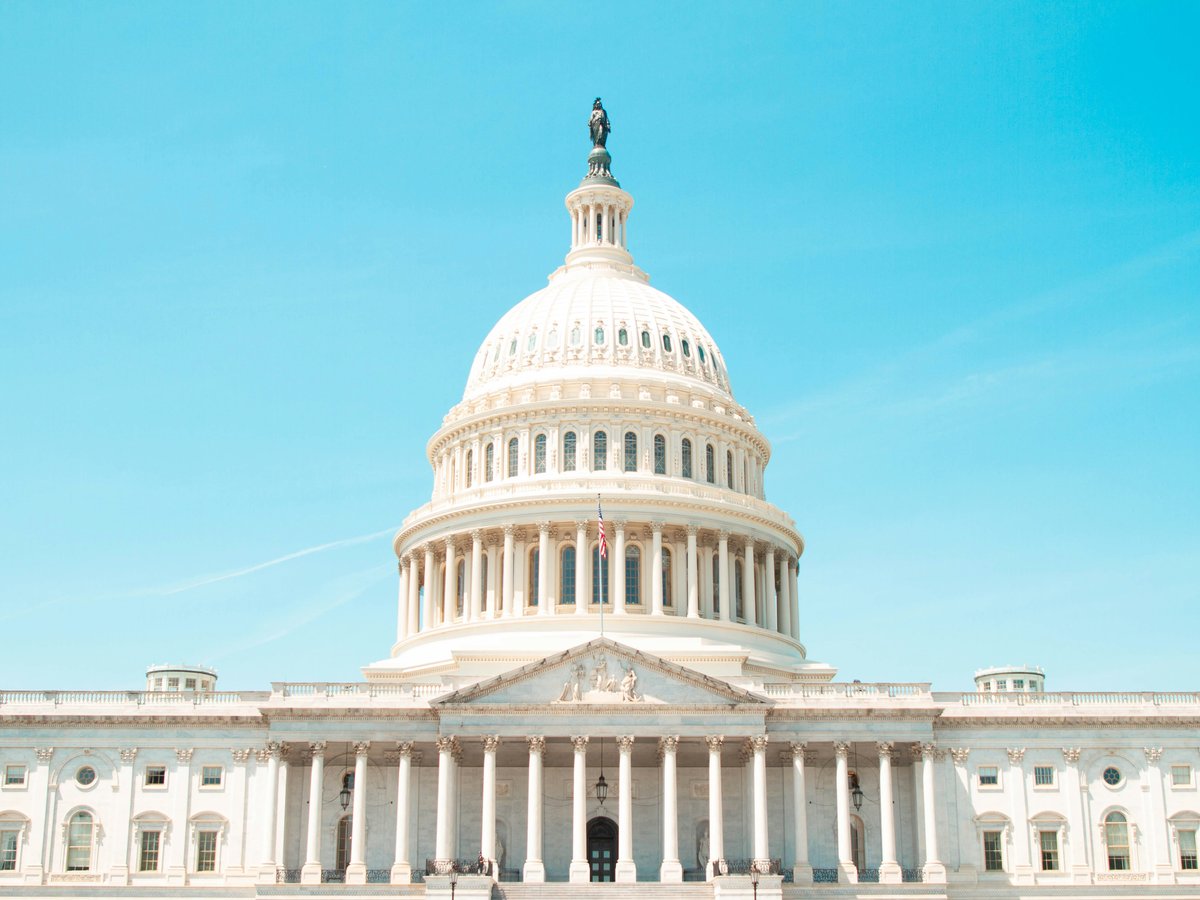
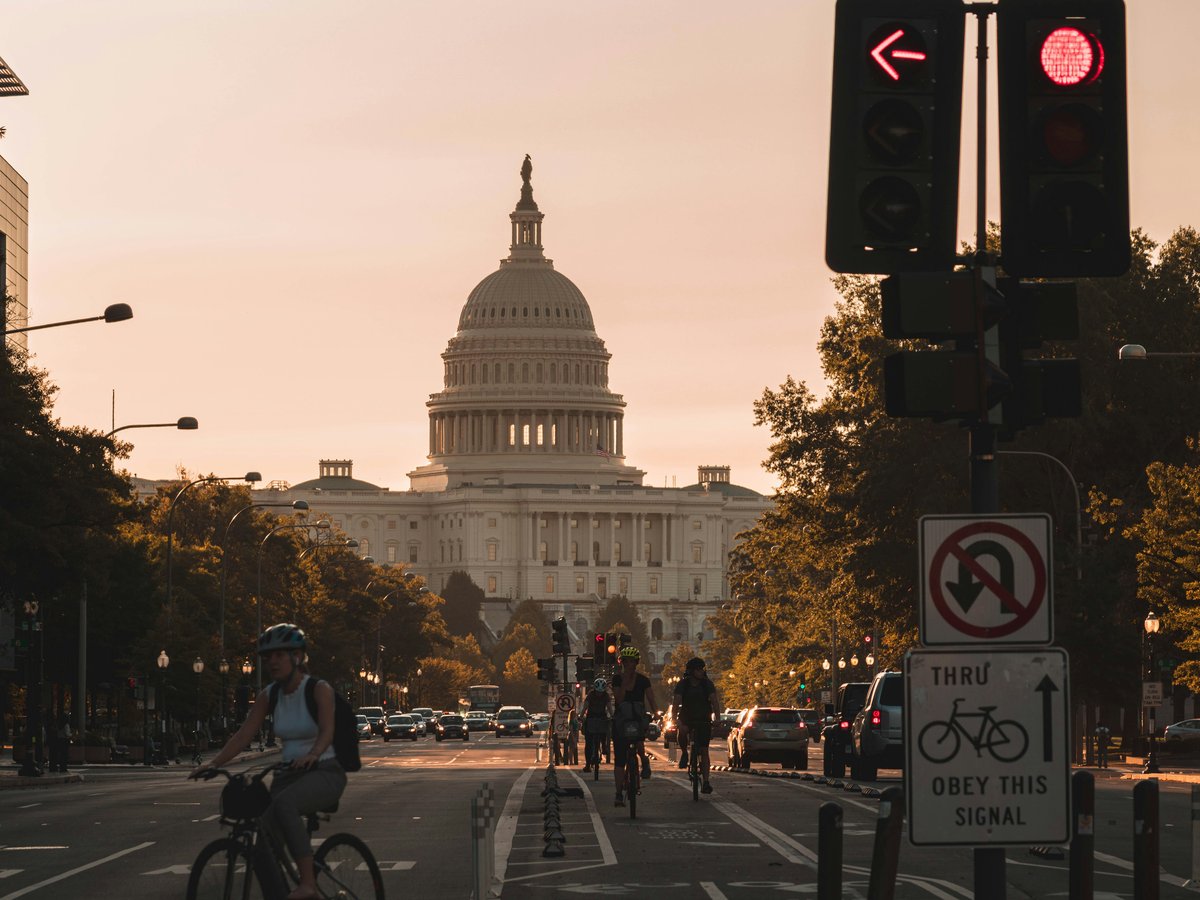
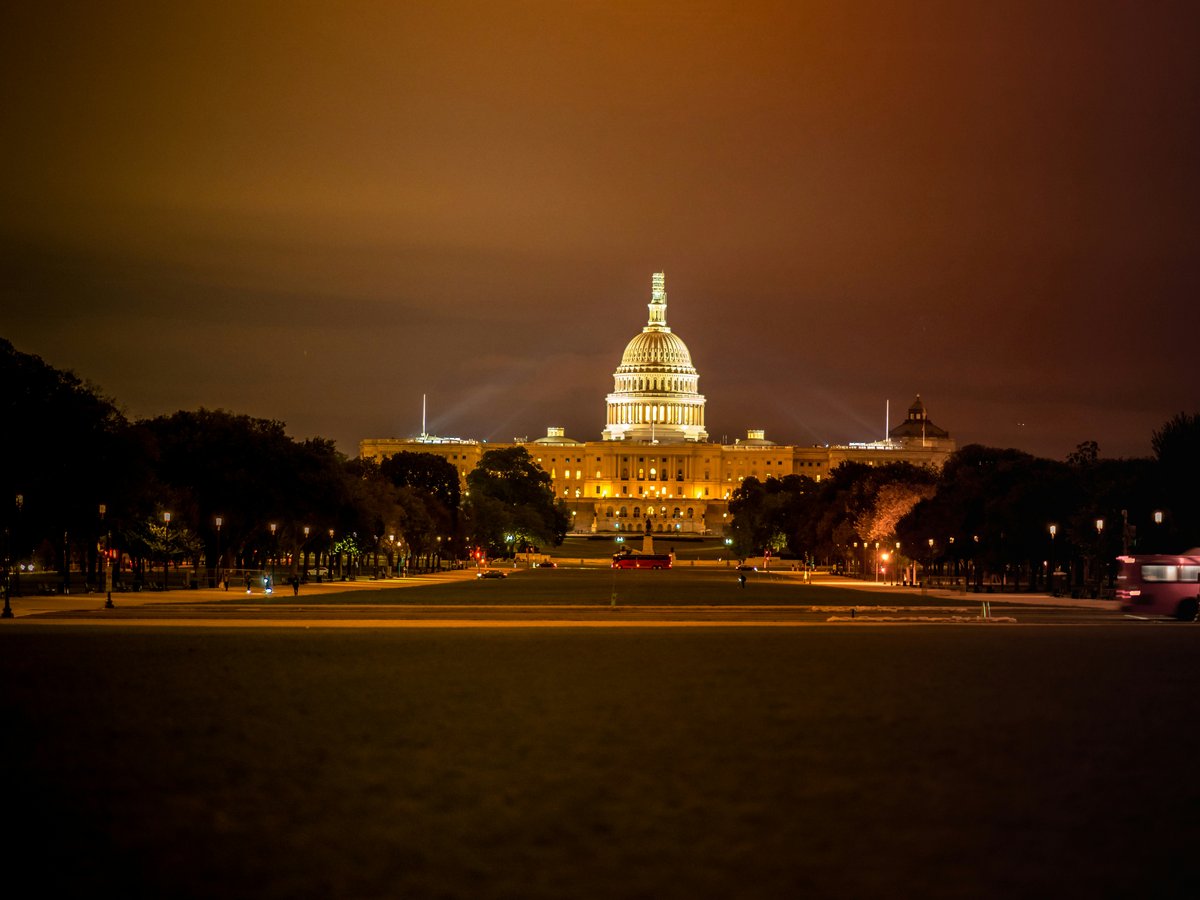
Pierre Charles L'Enfant designed the city on a grid of broad avenues radiating from circles, and that geometry still governs how you move through Washington, on foot mostly, because the core is compact enough that a morning walk from the Capitol steps to the Lincoln Memorial covers barely two miles along the National Mall's unbroken axis of grass and gravel. The city sits at the confluence of the Potomac and Anacostia rivers, built on reclaimed tidal flats that explain both the swampy August heat and the particular way the cherry blossoms ring the Tidal Basin each late March. With under 700,000 residents, Washington is smaller than Indianapolis, but the density of what it holds per square mile (the Smithsonian's museums, all free; the Library of Congress with its 173 million items; the brutalist mass of the Hirshhorn facing the classical columns of the National Gallery) creates a concentration of publicly accessible culture no American city matches. First-time visitors anchor to the monuments, which is fair, but the texture of the place lives in its neighbourhoods: Adams Morgan with its Salvadoran pupuserias along 18th Street, the row houses and live jazz rooms of U Street that formed the cultural spine of Black Washington for a century, Georgetown's Federal-era brick townhouses predating the District itself by decades. Dupont Circle still has its independent bookshops; Eastern Market on Capitol Hill has sold produce under the same roof since 1873. The Metro, opened in 1976, runs clean and deep (some stations are vaulted like cathedral crypts) and connects you to Arlington Cemetery across the river in minutes. Washington is a city people assume they know from television and textbooks, but walking its streets reveals a working, residential, frequently odd place that operates on its own rhythms well beyond the reach of any news camera.
Washington DC in photos
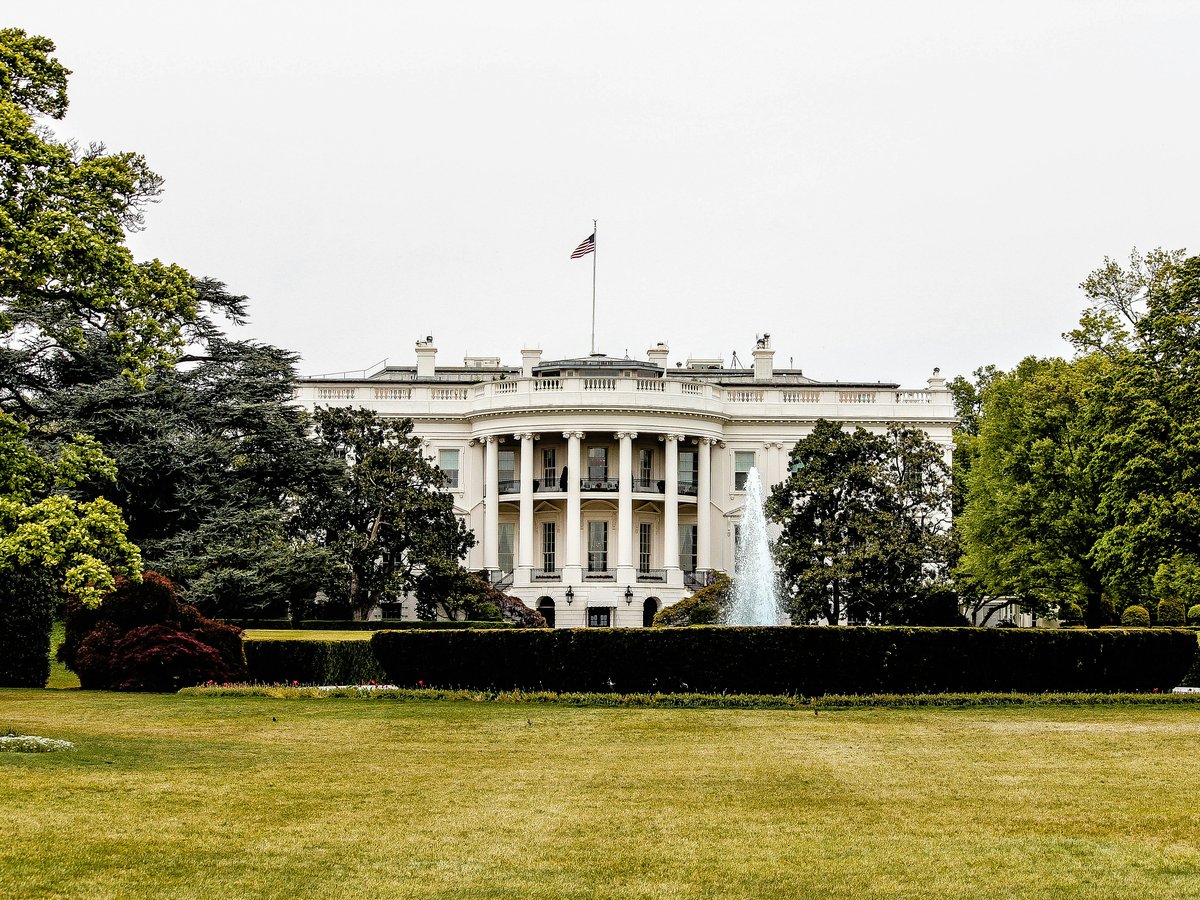
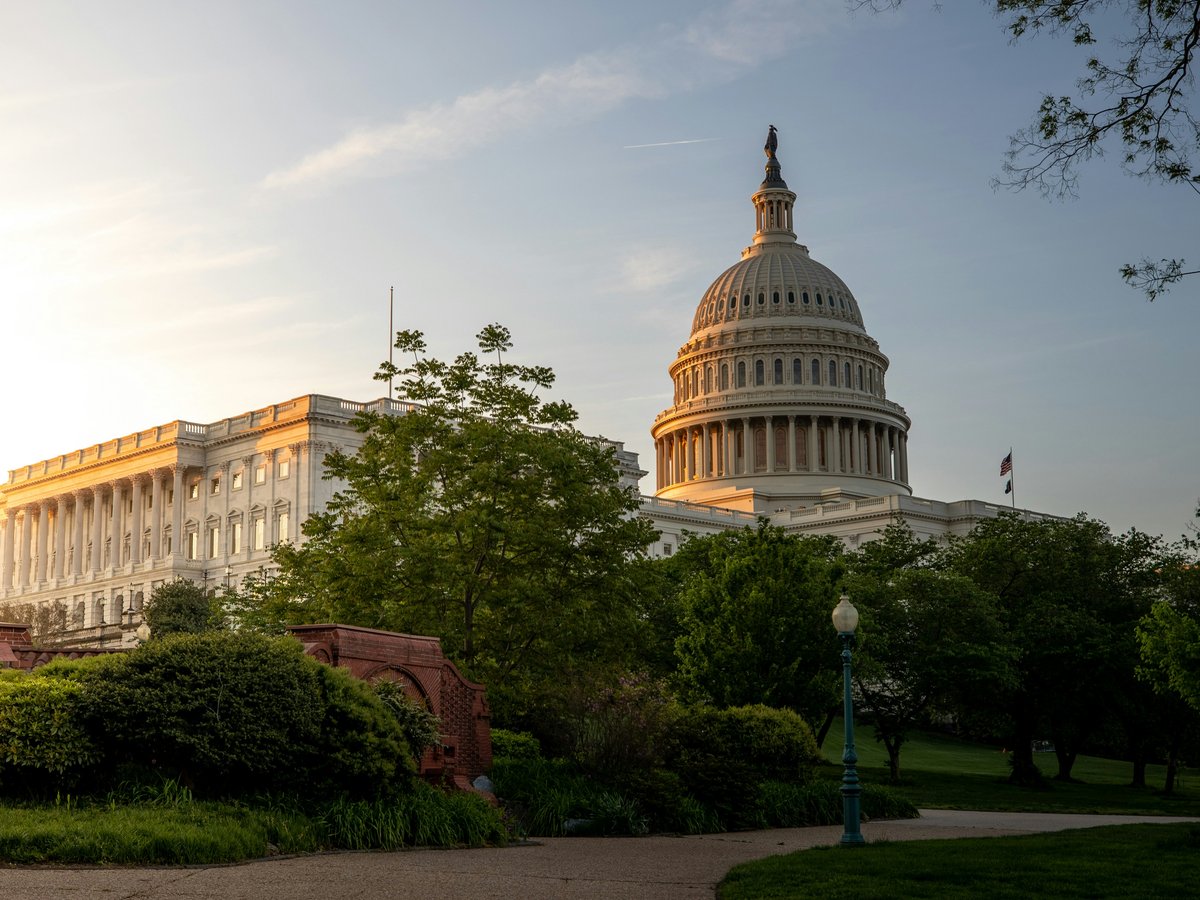
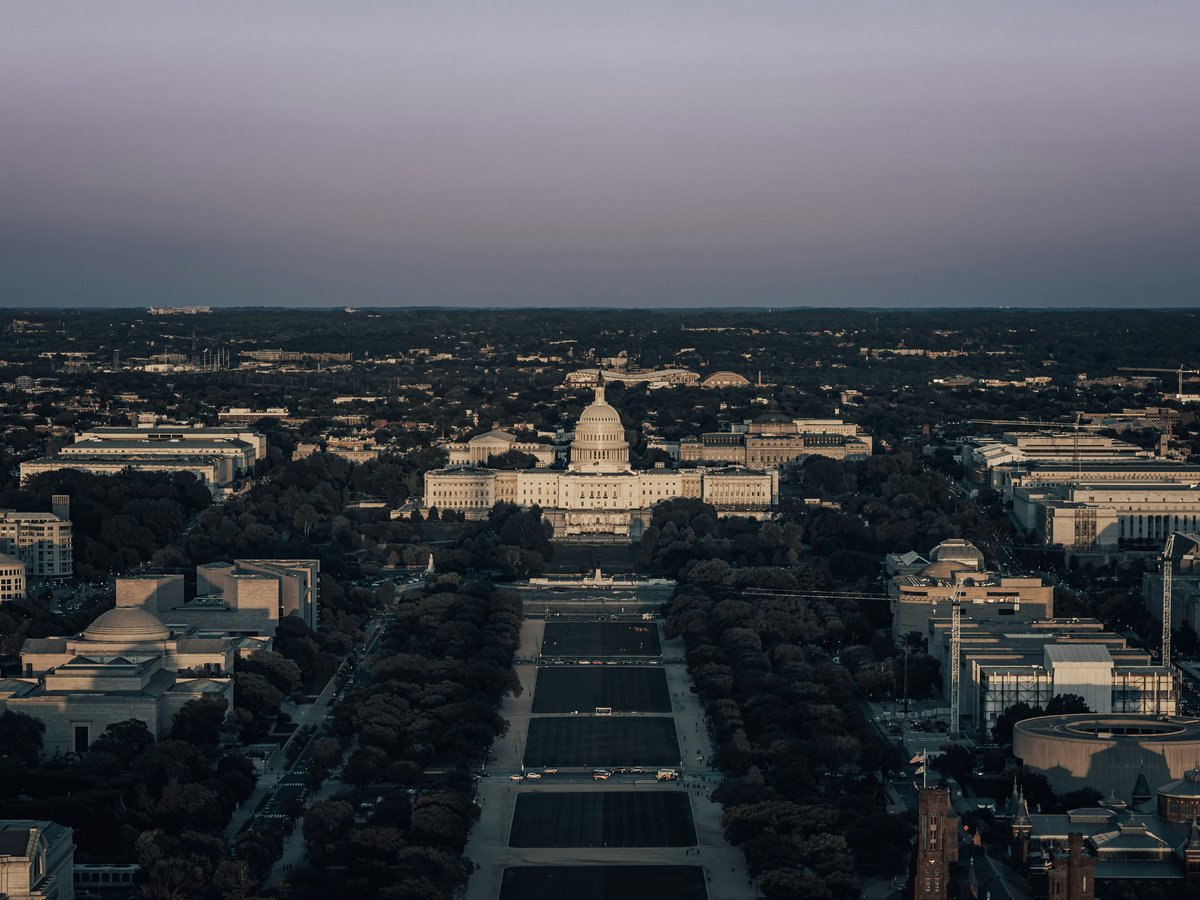
Washington DC right now
Answers about Washington DC
-
Airport to city
Take the Metro from Reagan National (DCA) to downtown Washington DC. The Yellow or Blue Line reaches Metro Center in 12 minutes for $2.50 at peak. From Dulles (IAD), the Silver Line runs 50 minutes to downtown for about $6. From BWI, the MARC Penn Line to Washington DC's Union Station costs $8 on weekdays. After midnight at any airport, use a rideshare.
Read the full answer → -
Best time to visit
Late March through May and September through November are the best times to visit Washington DC. Cherry blossoms peak along the Tidal Basin in late March to mid-April, with daytime highs near 18°C (65°F). Fall brings dry air, 15-22°C temperatures, and thinner crowds at the Smithsonian museums. July and August are oppressively humid, regularly exceeding 33°C with 70% humidity on the National Mall.
Read the full answer → -
Cost per day
DC runs $75/day budget (hostel dorm, free Smithsonians, half-smoke lunch), $185 midrange (three-star in Dupont Circle, sit-down dinner, one paid site), $500+ luxury (Hay-Adams, tasting menus, private guides). Nearly every major museum on the National Mall is free, so your biggest line item is food and lodging, not admissions.
Read the full answer → -
Cultural etiquette
Washington DC runs on politeness with an edge. Stand right on Metro escalators or expect a sharp 'excuse me' from behind. Tip 18-20% at restaurants without exception. Don't ask anyone who they voted for. Hold doors, say good morning, and never touch the monuments or memorial walls.
Read the full answer → -
Best day trips
Mount Vernon tops Washington DC day trips for couples, 25 km south on the Potomac by ferry from Alexandria (about $44 round trip, 50 minutes) or a 30-minute drive. Annapolis (50 km east) pairs Naval Academy walks with crab houses along City Dock. Baltimore rides the $9 MARC train from Washington DC's Union Station, 55 minutes each way.
Read the full answer → -
Digital nomads
Washington DC scores 6.2/10 for digital nomads (sourced from TTDI's editorial rubric). Verizon Fios delivers 300-Mbps to gigabit fiber across most of the District, and coworking runs $200-550 a month. The catch is a $3,800-4,500 monthly burn rate, no digital nomad visa, and summer humidity bad enough to empty cafe patios by noon.
Read the full answer → -
Family-friendly
Washington DC scores 8.5/10 for family friendliness (see the TTDI Family-Friendliness Index), anchored by the Smithsonian's 21 free museums. The National Mall is flat and stroller-ready, Natural History and Air and Space hold kids for 2-3 hours each, and the National Zoo charges nothing. Summer humidity that regularly reaches 80-95% is the main trade-off.
Read the full answer → -
Food culture
Washington DC's food identity runs on Ethiopian injera along U Street NW, half-smokes at Ben's Chili Bowl, Chesapeake Bay blue crab from May to October, and mumbo sauce on fried wings from carryouts across the Northeast. The best eating is in Shaw, 14th Street NW, and Navy Yard, not near the National Mall.
Read the full answer → -
Getting around
Washington DC's Metro and walking cover 90% of a visit. Tap a contactless credit card or phone at any WMATA faregate. Fares start at $2.25 per ride. Six lines reach the National Mall, Capitol Hill, and Dupont Circle directly. Uber and Lyft fill the Georgetown gap and post-midnight returns after Metro stops running.
Read the full answer → -
How to get there
Washington DC has three airports. Reagan National (DCA), 7 km south of downtown, connects directly to Metro and is the best domestic arrival point. Dulles (IAD), 42 km west, handles most transatlantic flights. BWI, 50 km northeast, catches Southwest and budget fares. Amtrak runs to Union Station from New York Penn in 3.5 hours.
Read the full answer → -
Is it safe?
Washington DC scores 6.5 out of 10 for solo-traveler safety (see the TTDI Solo-Safety Index). The Northwest quadrant, from Georgetown to Dupont Circle, feels comfortable well past dark, but neighborhoods east of the Anacostia River carry higher crime rates. Opportunistic theft is the main risk for visitors, not violent crime. A well-connected Metro and the Smithsonian campus give solo travelers reliable structure for daytime exploration.
Read the full answer → -
Layover guide
Yes, with at least 7 hours at Washington DC's Dulles (IAD). The Silver Line Metro reaches the National Mall in about 50 minutes. Reagan National (DCA) is closer, only 15 minutes to the Mall by Metro, which cuts the minimum to around 5 hours. Every Smithsonian museum is free, keeping solo-traveler costs near zero.
Read the full answer → -
LGBTQ-friendly
Washington DC scores 9.5/10 for LGBTQ+ friendliness (sourced from TTDI's editorial rubric). The District legalized same-sex marriage in March 2010, five years before the Supreme Court's Obergefell ruling. Dupont Circle's 17th Street NW corridor anchors the bar and restaurant scene, and three additional neighborhoods have pulled the city's queer life well beyond a single strip.
Read the full answer → -
Where locals go
Washington DC locals avoid the National Mall after work. Petworth's Upshur Street fills neighborhood bars like Timber Pizza and Slash Run on weeknight evenings. H Street NE between 3rd and 14th draws the under-35 crowd after dark. Shaw's Dacha Beer Garden runs communal tables where government workers unwind. Eastern Market on Capitol Hill is Saturday morning grocery territory, not tourist browsing.
Read the full answer → -
Must-see
The Lincoln Memorial at dusk. Walk up from the Reflecting Pool as the marble shifts from white to warm pink in the last hour of light. The seated Lincoln fills a chamber that stays quiet even in a crowd, and the view east down the National Mall is the best single perspective in Washington DC. Free, open 24 hours, no reservation needed.
Read the full answer → -
Solo travel
Washington DC rates 6.5/10 for solo-traveler safety (see the TTDI Solo-Safety Index), but free Smithsonian museums, a 98-station Metro, and strong bar-seat dining culture make it practical for independent visitors. Single-occupancy hotel pricing runs steep near Dupont Circle, so pod-style rooms and hostel privates are the budget play.
Read the full answer → -
This week
Washington DC's week follows a museum-and-monument rhythm around the 2-mile National Mall. The Smithsonian's 21 free museums open at 10am daily and feel emptiest at the start of the week. Summer afternoons hit 33°C with thunderstorms 3 to 4 days per week. Visit the Mall before noon, retreat to your hotel by 1pm, and return for the monuments after 7pm.
Read the full answer → -
3-day itinerary
Three days in Washington DC split into walkable zones. Day 1 covers the National Mall on foot from the Lincoln Memorial at 7:30am through the Washington Monument and National Gallery of Art. Day 2 moves east to Capitol Hill for the Capitol tour, Library of Congress, and Smithsonian museums. Day 3 crosses into Georgetown and the Washington National Cathedral. About 28 kilometres total.
Read the full answer → -
What to avoid
Skip the full-length National Mall walk in Washington DC's summer, when shadeless concrete and 70%+ humidity send first-timers to their hotel by midafternoon. Avoid pedicabs near the monuments and flat-fare taxi offers at Reagan National. Eat in Penn Quarter, not the overpriced Smithsonian cafeterias. Georgetown Cupcake's 45-minute line is not worth it.
Read the full answer → -
What to pack
Walking shoes rated for 10+ miles on concrete are the single most important item for Washington DC. The National Mall alone stretches 3 km between the Capitol and the Lincoln Memorial, and summer humidity regularly tops 80%. Pack moisture-wicking layers, a portable charger for Metro navigation, and a compact rain shell for afternoon storms.
Read the full answer → -
Where to stay
Stay in Penn Quarter for a first visit to Washington DC. Metro Center station connects 4 lines and puts the National Mall and the Smithsonian's free museums within a 10-minute walk. Budget $180-280 per night. Dupont Circle runs $140-230 with better restaurants and a 20-minute ride to the Mall.
Read the full answer →
Deep guides for Washington DC
-
Best Time to Visit Washington DC, by Season
Washington DC's weather swings from -2.2°C January lows to 31.4°C July highs, a 33.6°C annual range that makes the month you visit as important as where you go. This guide projects the best window for each kind of traveller from 5-year daily averages.
Read the guide → -
Washington DC Restaurants: What's Worth It
Twelve restaurants between Logan Circle and Dupont, split into two tiers and scored on a single question. Does the kitchen hold when Washington actually wants to eat? From Rural Society's seven-day Argentine grill to The Continent DC's 03:00 Friday close, the verdict on every address.
Read the guide →
Curated lists for Washington DC
accommodation
-
Best boutique hotels
Washington DC spreads its hotel inventory across a grid that follows the Metro lines more than any tourist map. The densest cluster runs from Downtown through the Golden Triangle toward Dupont Circle, where mid-range rooms hold ratings above 9.0 and nightly prices sit between $168 and $187. Move east or north and the rates drop: NoMa and Ward 5 anchor the budget-conscious corridor near Union Station, with solid rooms under $120 a night. The city's western neighborhoods, Foggy Bottom and West End, trade monument proximity for residential quiet and rates that favor longer stays. Embassy Row's fringe, Kalorama Heights, offers the lowest entry point on the northwest side at about $127, while Adams Morgan trades polish for late-night bars on 18th Street. The useful rule in DC: every neighborhood worth booking sits on the Metro, so the real question is not access to sights but what you want outside your door at night. Choose the K Street spine for restaurants and lobby bars, the eastern corridor for transit convenience and value, or the residential northwest for quiet mornings and embassy architecture.
See the picks → -
Where to stay
Washington DC sorts itself along a northwest axis running from the National Mall through the business core and into the residential neighborhoods beyond Dupont Circle. The densest hotel clusters sit in Downtown and the Golden Triangle, where mid-range rooms start near $180 a night and the luxury tier pushes past $400. Move north or east and rates drop below $130 without losing Metro access. The choice is not just price; it is character. The southern core puts monuments and marble within walking distance, the middle ring offers restaurant-lined streets and weekend farmers' markets, and the outer neighborhoods trade walkable convenience for space and quiet. The realistic range runs from a $72 budget bed on Dupont Circle to a $473 suite in the Golden Triangle, with most mid-range rooms falling between $120 and $190.
See the picks →
attractions
-
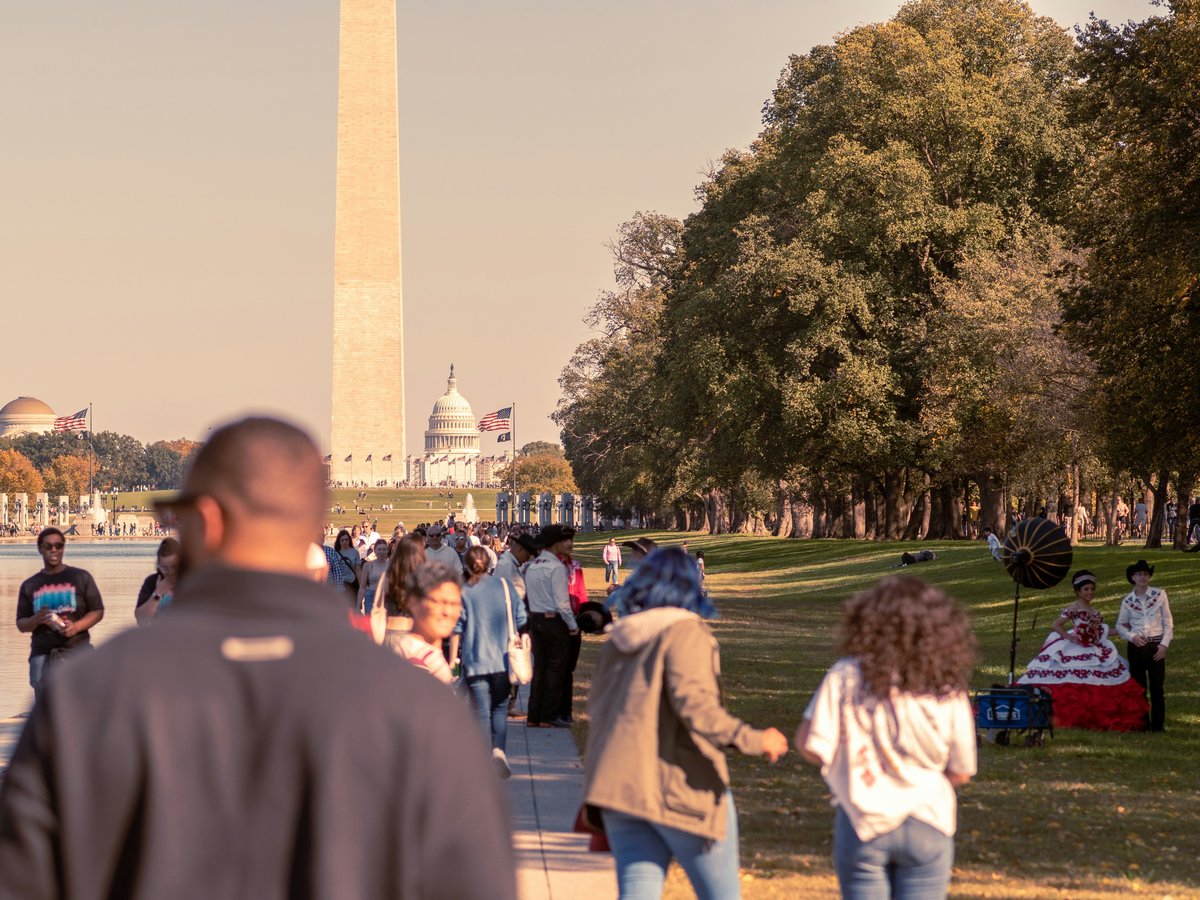
Best free attractions
These are twelve places in Washington, DC that cost nothing beyond the walk to reach them: parks, squares, gardens and one commercial plaza, each picked for what you can do there rather than what you can photograph. Part of the appeal is how old the ground is. The National Mall, Farragut Square and McPherson Square all date from 1791, and the United States Botanic Garden dates from 1820. The list suits travellers who want a day that doesn't run on tickets, families who need room to move, and anyone who has done the big museums and wants to see the city in between. Take it slowly. The best of these reward an unhurried hour much more than a quick look on the way to somewhere else.
See the picks → -
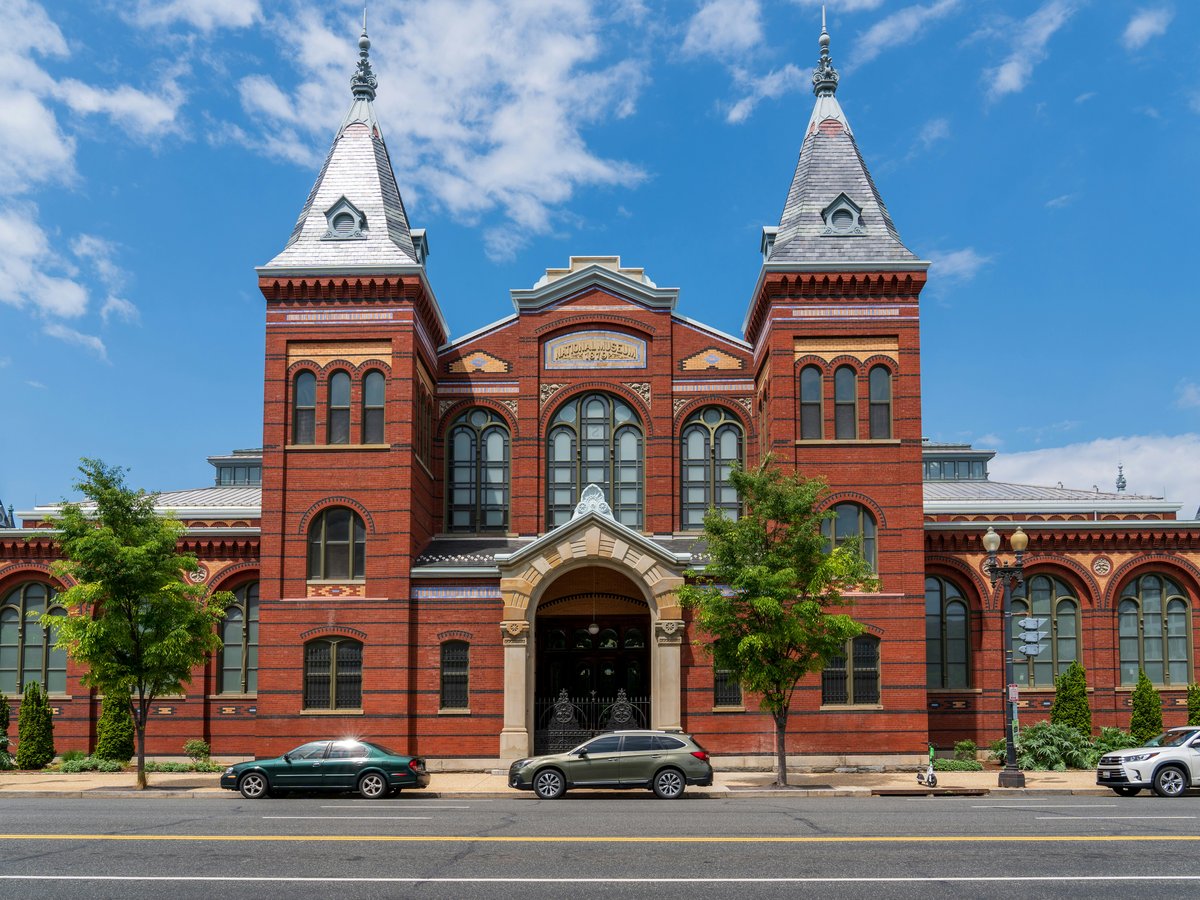
Best museums
Washington's museums are mostly national institutions, and this list leans into that on purpose. The Smithsonian Institution dates from 1846 and is described as a group of museums and research centers administered by the United States government, with five more picks here described as its divisions: American history, American art, the American Indian museum, the portrait gallery, and African art. The others widen the frame. The National Gallery of Art is described as the national art museum in Washington, D.C., the United States Holocaust Memorial Museum is the country's official memorial to the Holocaust, the National Museum of Women in the Arts dates from 1981, and Dumbarton Oaks is a research institution for Byzantine, Pre-Columbian, and garden and landscape studies. This list is for the visitor who would rather see three museums properly than eight in a blur. Pick by subject rather than by fame, check the closing times, which vary more than you would expect, and leave time between visits.
See the picks → -
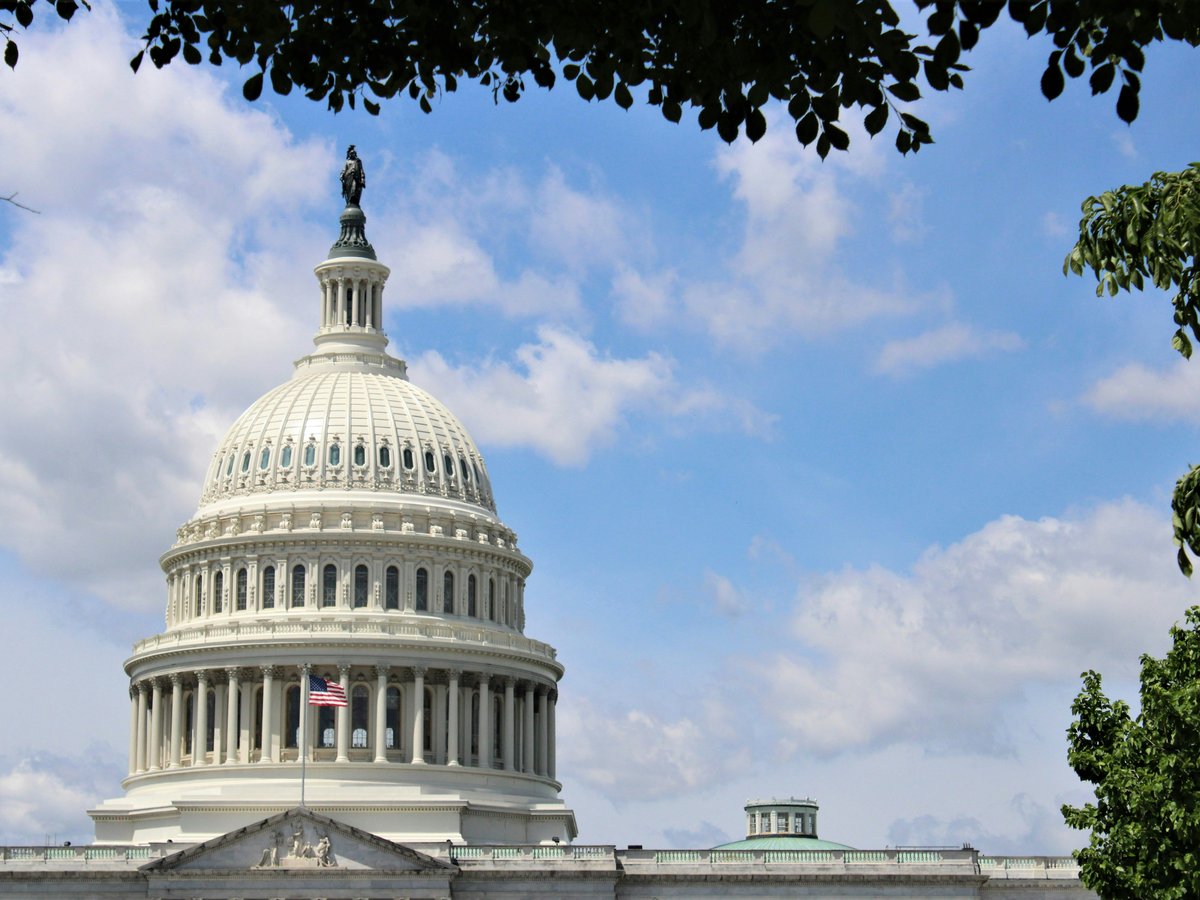
Must-see attractions
Washington DC's must-see list is built from stone, symbol, and memory rather than shopping streets or food halls, and most of these twelve are monuments, memorials, or seats of power. Several can be visited at almost any hour: the Lincoln Memorial and the Jefferson Memorial are both open 24/7. The span of dates runs from 1848 for the Washington Monument to 1993 for the United States Holocaust Memorial Museum, so the list carries you through a long stretch of national history. Not everything sits inside the District: Arlington National Cemetery and the Marine Corps War Memorial both have Arlington, Virginia addresses, and they are worth the short crossing. Two great churches, Washington National Cathedral and the Basilica of the National Shrine of the Immaculate Conception, balance all that marble with real interiors and visiting hours to plan around. This list is for the visitor who wants to understand the capital as well as photograph it. Pace yourself, go to the open-air memorials late, and leave room after the heavier stops.
See the picks →
food
-
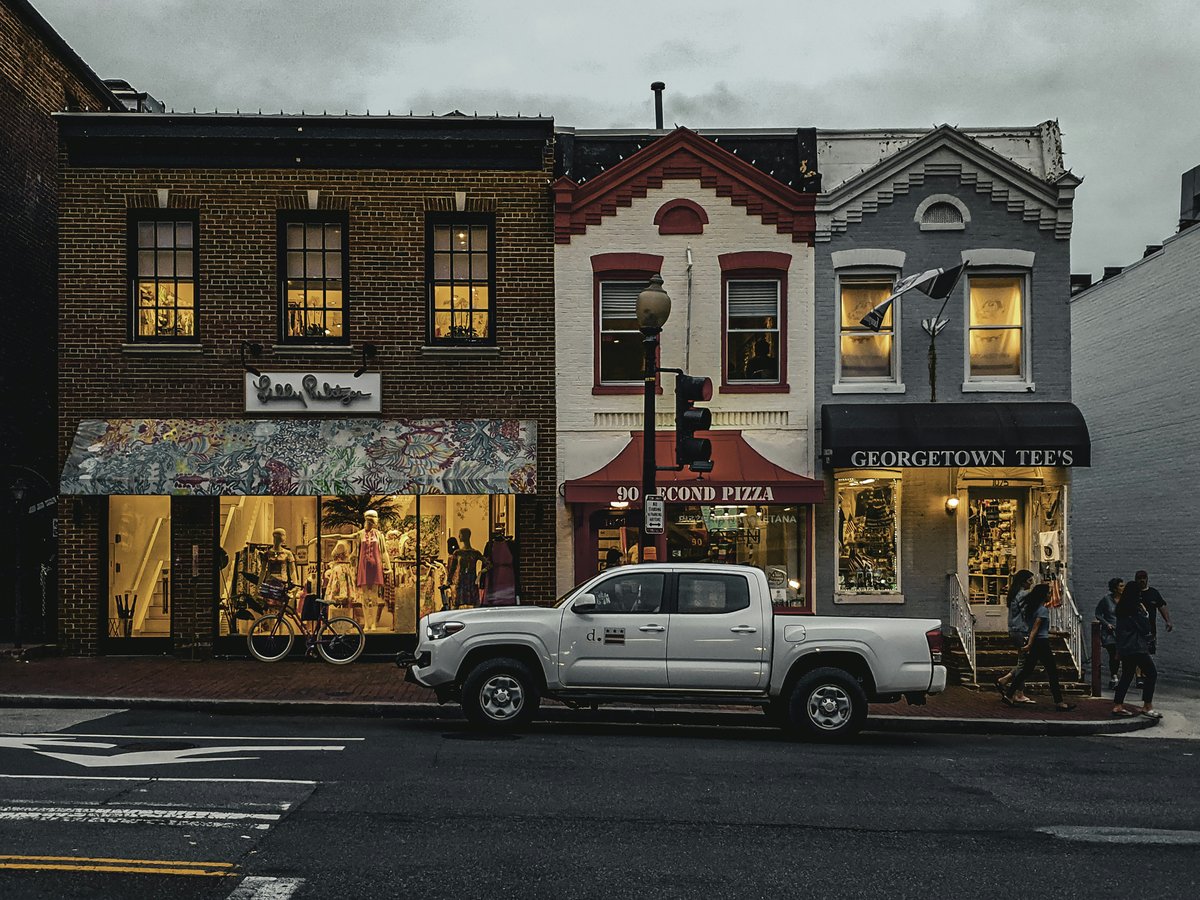
Best cafes
Washington's cafe map is drawn less by neighborhood than by the working day. The 17th Street corridor and the blocks north of Dupont keep the earliest and latest hours; the K Street and I Street offices demand a weekday-only rhythm that clears out by 17:00; the residential pockets around R Street and S Street run later and softer. What follows is twelve cafes that hold the line between service and sit-down: some are coffee-first, some are bakeries or Nordic kitchens that happen to pour a decent espresso, two are tea rooms, one is a Wednesday-through-Sunday focacceria that has decided Mondays are not worth the trouble. They are ordered by our own rank, not by hype. A visitor with a morning to spend near Dupont or a laptop hour to burn downtown will find the address, the phone, and the hours here; the character of each room is what the paragraph is for.
See the picks → -
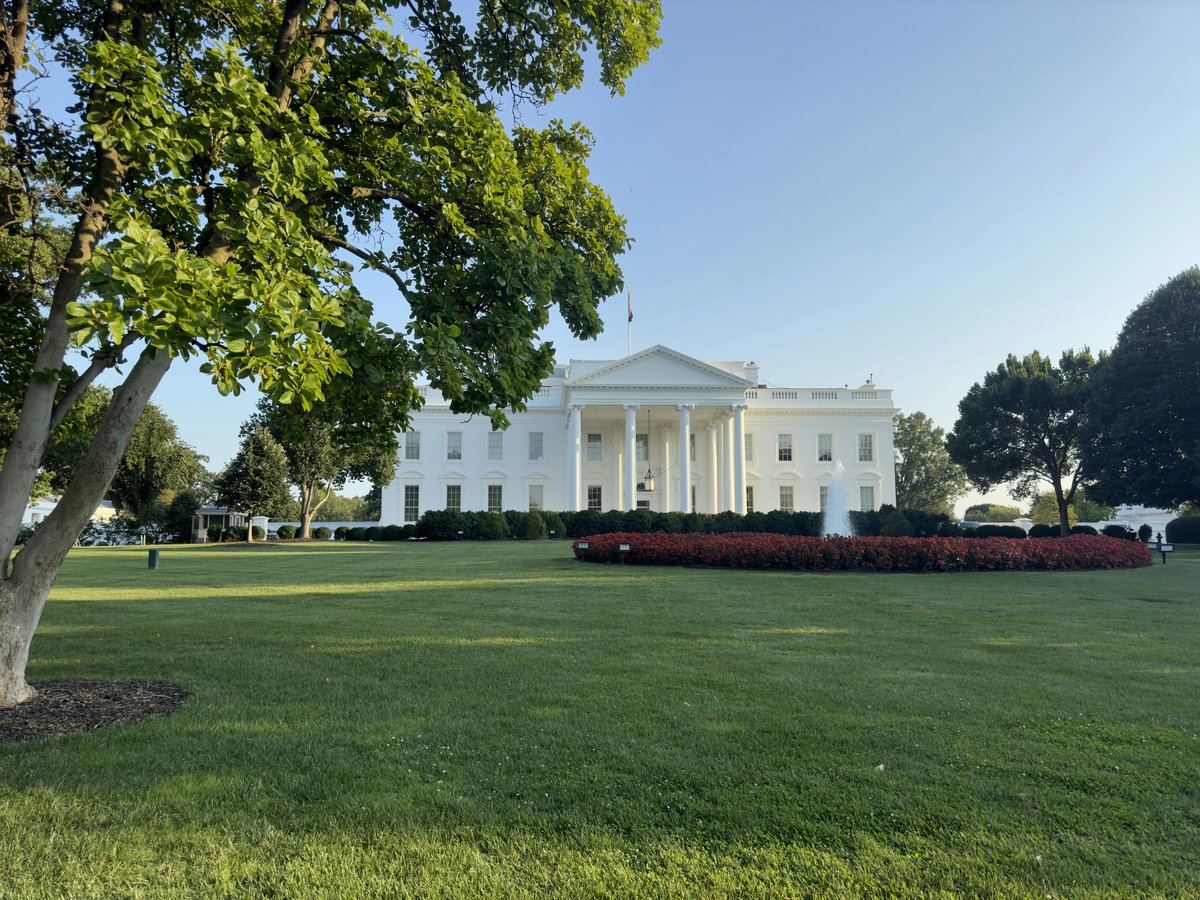
Best restaurants
Washington DC eats on a broken schedule: lunch belongs to lobbyists, dinner belongs to whoever finishes the memo, and the best rooms are the ones that keep a kitchen open past the vote. The twelve restaurants below cluster in a walkable band from Logan Circle to Dupont, most of them within a fifteen-block radius of the White House, and every one of them earns its slot on a specific claim rather than a general reputation. This is not a list for the tourist doing a museum crawl; it is for the resident, the consultant on assignment, the returning visitor who wants to eat well between meetings. You will find Argentine steak and Persian rice, ramen and oysters, an Indian room and an African one, a pizza operation with a political name, and a burger counter inside a hotel. What ties them together is a functional detail: they are open when you want to eat, they hold a real address you can walk to, and their kitchens argue for themselves. Cite the address; trust the hours; go hungry.
See the picks →
Browse by traveler type
Book experiences in Washington DC
 Free cancellation
 DC Monuments by Night: 10+ Landmarks | Open-Top Upgrade Available
City tour: 3 hours, free cancellation.
via Viator Free cancellation
 DC Monuments Night Tour with 10+ Stops, National Mall, Tickets
City tour: 3 hours, free cancellation.
via Viator Free cancellation
 Washington DC in One Day: Guided Sightseeing Tour + boat cruise
City tour: 6 hours, free cancellation.
via Viator Free cancellation
 Arlington Cemetery Small-Group Tour & Changing of the Guards
City tour: free cancellation.
via Viator Free cancellation
 US Capitol "Big 3" Highlights with Reserved Entry
City tour: free cancellation.
via Viator Free cancellation
 Washington DC "See the City" Guided Sightseeing Segway Tour
City tour: 2.5 hours, free cancellation.
via Viator Free cancellation
 Small Group National Mall Night Tour with 10 Top Attractions
City tour: 3 hours, free cancellation.
via Viator Free cancellation
 Private Washington DC City Tour
City tour: 4 hours, free cancellation.
via Viator Free cancellation
 DC in a Day: 10+ Monuments, Boat Cruise, National Mall, Tickets
Day trip: 6 hours, free cancellation.
via Viator Free cancellation
 Washington DC's Best Donuts, Sweet Treats & Walking History Tour
City tour: 2 hours, free cancellation.
via Viator Free cancellation
 Washington DC's Monuments & US History Guided E-Cart Tour
City tour: free cancellation.
via Viator Free cancellation
 Washington DC Sightseeing Tour with Vintage Model-T Classic Cars
City tour: 2 hours, free cancellation.
via ViatorBrowse by interest
Find a flight to Washington DC
Live fares to Washington DC appear here once cookies are accepted.
Last verified by automated review (v1.7.2) on . What is automated review?