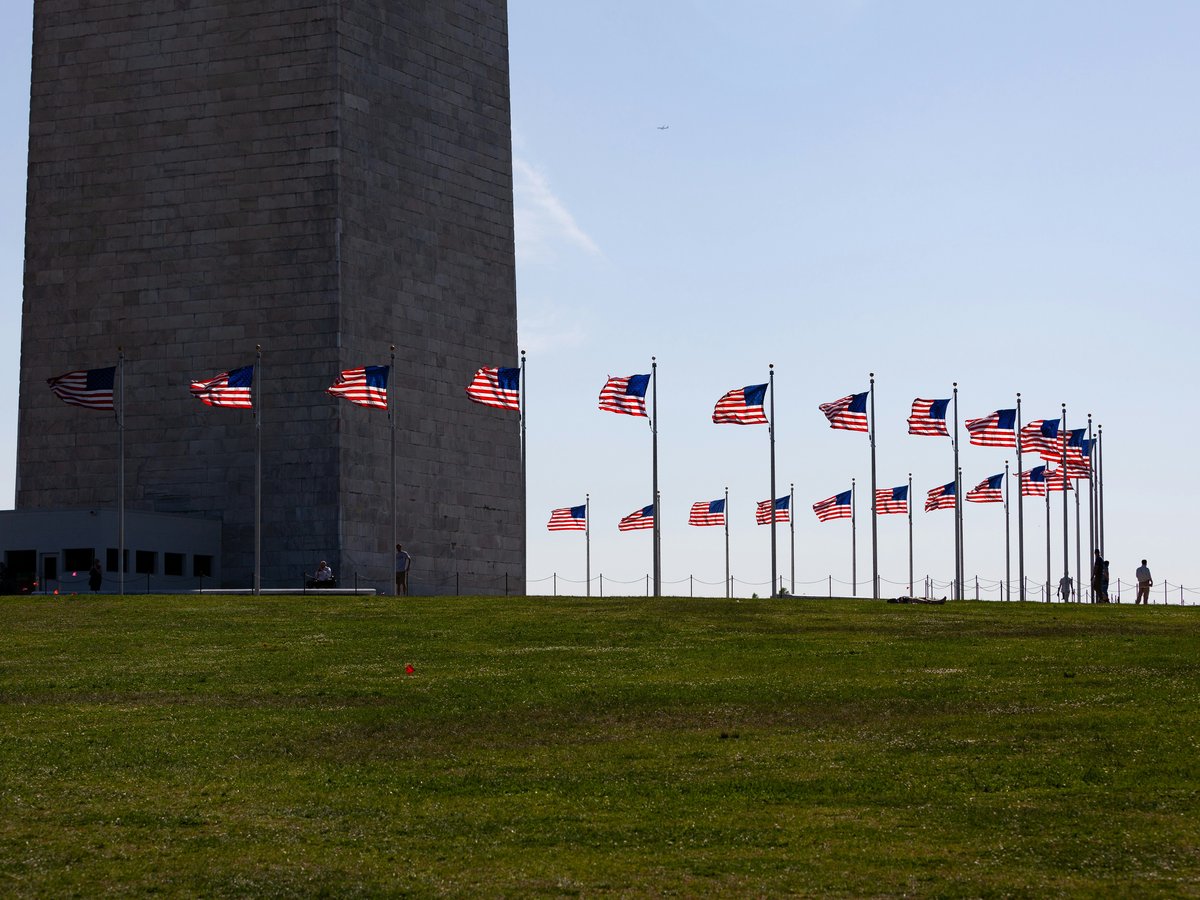
Washington DC is not a city people typically associate with shopping, and that's partly what makes it interesting. The capital's retail identity sits in a strange middle ground between government-town practicality and pockets of genuinely distinctive local commerce. Georgetown has been a shopping destination since before the Civil War. Dupont Circle still feels like the kind of neighborhood where independent bookstores survive on loyalty alone. The Smithsonian Institution, founded in 1846, feeds a museum-shop ecosystem that sells better-curated goods than most boutique retailers in the region. You'll find political memorabilia here that doesn't exist anywhere else in the country, from campaign buttons dating back decades to letterpress prints of the Constitution. The city scores 9.5/10 for LGBTQ+ friendliness (sourced from TTDI's editorial rubric), and that openness shapes the retail landscape in neighborhoods like Dupont and the U Street corridor, where queer-owned shops and inclusive brands have a visible presence. DC's sales tax currently sits at 6% on most goods, with clothing taxed at the same rate, unlike neighboring Maryland or Virginia where rates and exemptions differ.
Shopping districts
-
Georgetown
mid-range to luxuryM Street and Wisconsin Avenue form the backbone of DC's oldest shopping district. The brick sidewalks get slippery in the rain, and on summer weekends the smell of waffle cones from the ice cream shops mixes with exhaust from idling tour buses. The mix runs from well-known chains to independent stores that have held their leases for 20 or 30 years. Cady's Alley, a narrow lane off M Street, clusters high-end furniture and design showrooms in converted warehouse spaces. Georgetown tends to skew younger on weekends and wealthier on weekday afternoons. Worth noting, parking is notoriously difficult here. The neighborhood has no Metro station, so most visitors arrive by bus along the 30s routes or walk from Foggy Bottom-GWU station, roughly a 15-minute trek.
Best for: Fashion, home design, independent boutiques, and weekend browsing
-
Dupont Circle
mid-rangeConnecticut Avenue north of the Circle still holds a handful of independent shops between the restaurants. The real draw is the side streets. You might find yourself in a tiny used bookshop on P Street that smells like old paper and floor wax. The neighborhood supports several galleries, a few vintage clothing stores, and Kramerbooks, which has been combining books and food since 1976. The vibe is intellectual, slightly worn around the edges in a comfortable way. Foot traffic picks up on Sunday mornings when the farmers market fills the small park at the Circle's center.
Best for: Books, vintage finds, art, and gallery browsing
-
U Street Corridor
mixedU Street between 9th and 18th Streets NW went through decades of decline after the 1968 riots before its current revival. The corridor now mixes record shops, sneaker stores, and Afrocentric boutiques with newer arrivals. The stretch near 14th Street has become noticeably more polished in recent years. Some of the older businesses are still holding on. You'll hear Go-Go music leaking from car windows on warm evenings, a sound particular to this city and nowhere else. The sidewalks get crowded on weekend nights when the bar and club traffic takes over.
Best for: Streetwear, vinyl records, Afrocentric fashion, and local culture
-
CityCenterDC
luxuryThe open-air development between 9th and 11th Streets NW, a few blocks north of the National Mall, opened in 2015 and brought a cluster of luxury brands to a part of downtown that previously had very little retail. Hermès, Gucci, Louis Vuitton, and similar names occupy the ground floors. The architecture is clean and modern, a contrast to Georgetown's Federal-era brick. It feels quiet compared to other shopping areas. Mind you, the foot traffic here is heavily tourist-driven, and locals tend to treat it as a walk-through rather than a destination.
Best for: High-end fashion and luxury accessories
-
Eastern Market / Capitol Hill
mid-rangeThe blocks surrounding Eastern Market on 7th Street SE have a village-like quality that feels separate from the rest of the city. Small antique shops, a framing store that seems older than the buildings around it, and a few clothing boutiques line the street. The brick rowhouses keep the scale human. Capitol Hill residents do their everyday shopping here, which gives the area a rhythm that doesn't depend on tourists. The indoor market hall, operating since 1873, anchors the whole stretch. Barracks Row, the commercial strip along 8th Street SE, adds more restaurants and a few home-goods shops to the mix.
Best for: Antiques, artisan goods, local neighborhood shopping
-
Adams Morgan
budget to mid-range18th Street NW between Columbia Road and Florida Avenue packs a dense stretch of shops into a few blocks. The neighborhood has long been DC's most ethnically mixed commercial corridor. Ethiopian grocery stores sit next to vintage clothing shops and Latin American bakeries. The smell of injera and berbere spice drifts out of restaurant doorways in the afternoon. Foot traffic is heaviest on weekend evenings. Some storefronts turn over frequently, but the neighborhood's personality has stayed remarkably consistent over the past 2 decades.
Best for: Vintage clothing, ethnic groceries, and eclectic finds
-
Union Market District
mid-rangeThe area around Union Market on 5th Street NE has grown considerably since the market reopened in 2012. What was largely industrial space now includes a handful of design studios, a pottery shop, and retail pop-ups that rotate seasonally. The La Cosecha marketplace next door focuses on Latin American food vendors and artisan goods. The neighborhood still feels like it's becoming something, with construction visible on several blocks. That unfinished quality is part of its appeal at the moment. The concrete floors and exposed-beam ceilings give the indoor spaces a warehouse feel that stays cool even in August's heat.
Best for: Artisan food products, Latin American crafts, and emerging local brands
Markets
-
Eastern Market
food and artisanThe indoor hall sells fresh produce, meat, baked goods, and flowers on weekdays, with the atmosphere of a working neighborhood market. Saturdays bring more vendors and a craft fair outside. The South Hall, rebuilt after a 2007 fire, hosts local artists and artisans. You can smell fresh bread from the bakery stalls as soon as you walk in. Sunday adds a flea market component in the outdoor area, with vendors selling vintage furniture, old maps, and secondhand books.
Tuesday through Sunday, year-round. Flea market Sundays only.
-
Dupont Circle FRESHFARM Market
food and farmersOne of the better farmers markets in the Mid-Atlantic region. Around 50 vendors set up in the park, selling produce from farms within roughly 200 miles of DC. In late summer, the peach and tomato selection tends to be particularly strong. Maryland crab vendors appear seasonally. The crowd is a mix of home cooks who arrive early for the best selection and brunch-goers who wander through after coffee.
Sundays, year-round, typically 8:30 AM to 1:30 PM.
-
Georgetown Flea Market
fleaA long-running Sunday flea market in a school parking lot on Wisconsin Avenue NW. The vendors lean toward antiques, vintage jewelry, and mid-century furniture. Quality varies, but patient browsing tends to turn up interesting pieces. The regulars know each other and the atmosphere is unhurried. Prices are negotiable on most items, which is unusual for DC retail.
Sundays, March through December.
-
DC State Fair
seasonal fairNot a market in the traditional sense, but this annual event at a rotating DC location typically in August or September features local food producers, urban farmers, home brewers, and crafters competing for ribbons. Pickled vegetables, hot sauces, and baked goods are all judged and often sold. It likely draws around 5,000 to 10,000 visitors in a single day. A good place to discover DC-area food brands you won't find in a grocery store.
Annual, typically late August or September. Check dcstatefair.com for exact dates.
-
La Cosecha
artisan and foodA permanent indoor marketplace near Union Market dedicated to Latin American vendors. The stalls sell everything from Oaxacan chocolate and Colombian coffee to handmade textiles. The space has high ceilings and good natural light. Food vendors offer empanadas, arepas, and fresh ceviche alongside the retail. It's a quieter alternative to Union Market's weekend crowds.
Daily, typically 8 AM to 9 PM. Hours vary by vendor.
-
The Wharf District Market
fish and seafoodA small but consistent fish market that has operated along the Southwest Waterfront since 1805, making it one of the oldest continuously operating fish markets in the United States. The current version, incorporated into The Wharf development, sells fresh Chesapeake Bay blue crab, oysters, and other seafood directly off the boats. The salt-air smell and the sound of gulls make it feel distinctly un-Washington. Prices are competitive with grocery stores, sometimes better for whole fish.
Daily, year-round. Early morning arrivals get the best selection.
Souvenirs worth bringing home
The most genuinely DC souvenir is political memorabilia. Campaign buttons, congressional lapel pins, and White House Historical Association ornaments are things you can only get here or by mail order. The White House, serving as the presidential residence since 1800, has a visitor center shop with items produced under license. The Smithsonian museum shops sell high-quality reproductions and science kits that outperform the usual museum-gift-shop standard. At Eastern Market, local artists sell hand-pulled prints of DC landmarks and neighborhood maps. Half-smoke sausages from local producers make a good edible gift if you can transport them. Chesapeake Bay Old Bay seasoning is technically from Baltimore, about 40 miles north, but it's a regional staple locals use. Hand-thrown pottery from DC-based ceramicists appears at the Sunday markets and at studios in the Union Market area. For books, Politics and Prose, an independent bookstore in the Chevy Chase neighborhood, curates a section of DC-focused nonfiction and political writing. Expect to spend between 10 and 50 dollars on a meaningful keepsake, more for Smithsonian reproductions or signed art prints.
Practical tips
- Sales tax
- DC levies a 6% sales tax on most retail purchases. Clothing is not exempt, unlike in neighboring states. There is no formal tourist tax-refund program for international visitors in the United States, so the price you pay at the register is the final price.
- Bargaining
- Fixed prices are the norm in shops and malls across DC. The exception is flea markets, particularly the Georgetown Flea Market on Sundays, where negotiating is expected and vendors typically have some flexibility. At Eastern Market's outdoor vendors, polite offers on non-food items are generally acceptable.
- Store hours
- Most DC retail opens between 10 AM and 11 AM and closes by 7 PM or 8 PM on weekdays. Georgetown shops tend to stay open until 9 PM on Fridays and Saturdays. Sunday hours are shorter across the city, with many independent stores opening at noon. Government holidays can affect hours unpredictably, especially around the National Mall area.
- Payment methods
- Credit and debit cards are accepted nearly everywhere in DC. Contactless payment via Apple Pay and Google Pay works at most retailers. Some farmers market vendors remain cash-only, so carrying 40 to 60 dollars in small bills on a market day is a reasonable precaution. ATMs are widely available but often charge fees of 3 to 5 dollars per withdrawal for non-customers.
- Getting your purchases home
- Several FedEx and UPS storefronts operate in Georgetown and downtown, useful if you buy something too large or fragile for a suitcase. The post office at 900 Brentwood Road NE is one of the larger facilities. For perishable food items like crab or smoked fish, ask the vendor about ice packing. Most Chesapeake seafood vendors at the Wharf are experienced at packing for travel.
- Summer shopping conditions
- DC's summers are notoriously humid. Mid-August temperatures often sit above 30 degrees Celsius with high humidity, and today is no exception. Indoor shopping at CityCenterDC or Union Market offers air-conditioned relief. Georgetown's largely outdoor sidewalk shopping can get uncomfortable by early afternoon. Staying hydrated matters more than it might seem for a shopping trip.
FAQ
Is Washington DC a good city for shopping compared to New York?
DC is not trying to compete with New York on retail volume or variety. The city's strengths are more specific. Political memorabilia, Smithsonian museum shops, and a handful of neighborhoods with strong independent retail give DC a different character. You won't find the same density of designer flagships, but you also won't deal with Midtown Manhattan's crowds. Georgetown and CityCenterDC cover the luxury end. For everyday shopping, locals lean on neighborhoods like Capitol Hill and Adams Morgan.
What areas should solo travelers avoid when shopping in DC?
DC earns a 6.5/10 for solo-traveler safety (see the TTDI Solo-Safety Index). Most shopping districts are busy enough during daylight hours that safety is not a major concern. After dark, the areas east of the Anacostia River have fewer retail options and lower foot traffic. The blocks immediately around Union Station can feel quiet late at night. Standard city awareness applies. Keep your phone and wallet secure in crowded weekend markets.
Are Smithsonian museum shops free to enter without visiting the museum?
Most Smithsonian museum shops are located inside the museum buildings, and since admission to Smithsonian museums is free, you can walk in and browse the shops without buying a ticket. The National Museum of Natural History, which opened in 1910, has one of the larger gift shops. The National Gallery of Art shop carries a well-regarded selection of art books and prints. Shops typically close 15 to 30 minutes before the museum itself.
Where can I find locally made gifts under 25 dollars in DC?
Eastern Market on Sundays is the most reliable option for affordable locally made goods. Hand-pulled letterpress prints of DC neighborhoods typically run between 10 and 20 dollars. At the Dupont Circle farmers market, small-batch hot sauces and jams from regional producers fall in the 8 to 15 dollar range. The Smithsonian's smaller museums often have a selection of books, postcards, and educational items under that price point.
Is DC a good shopping destination for families with children?
DC rates 8.5/10 for family friendliness (see the TTDI Family-Friendliness Index). The Smithsonian shops keep kids engaged with science kits, dinosaur models, and space-themed merchandise. Eastern Market's Saturday craft vendors often include toymakers and children's book illustrators. Georgetown can be tiring for young children due to the hills and limited stroller-friendly sidewalks. CityCenterDC has more open space for kids to move around between shops.
Do shops near the National Mall carry anything besides tourist souvenirs?
The National Mall area, laid out as part of the original 1791 city plan, is heavily tourist-oriented at ground level. Most of the nearby shops sell T-shirts, magnets, and generic memorabilia. The exception is the museum shops within the Smithsonian buildings themselves, which carry genuinely curated merchandise. For anything beyond souvenirs, you'll want to head north to Dupont Circle or west to Georgetown, both reachable within 15 to 20 minutes by Metro or bus.
Last verified by automated review (v1.7.2) on . What is automated review?