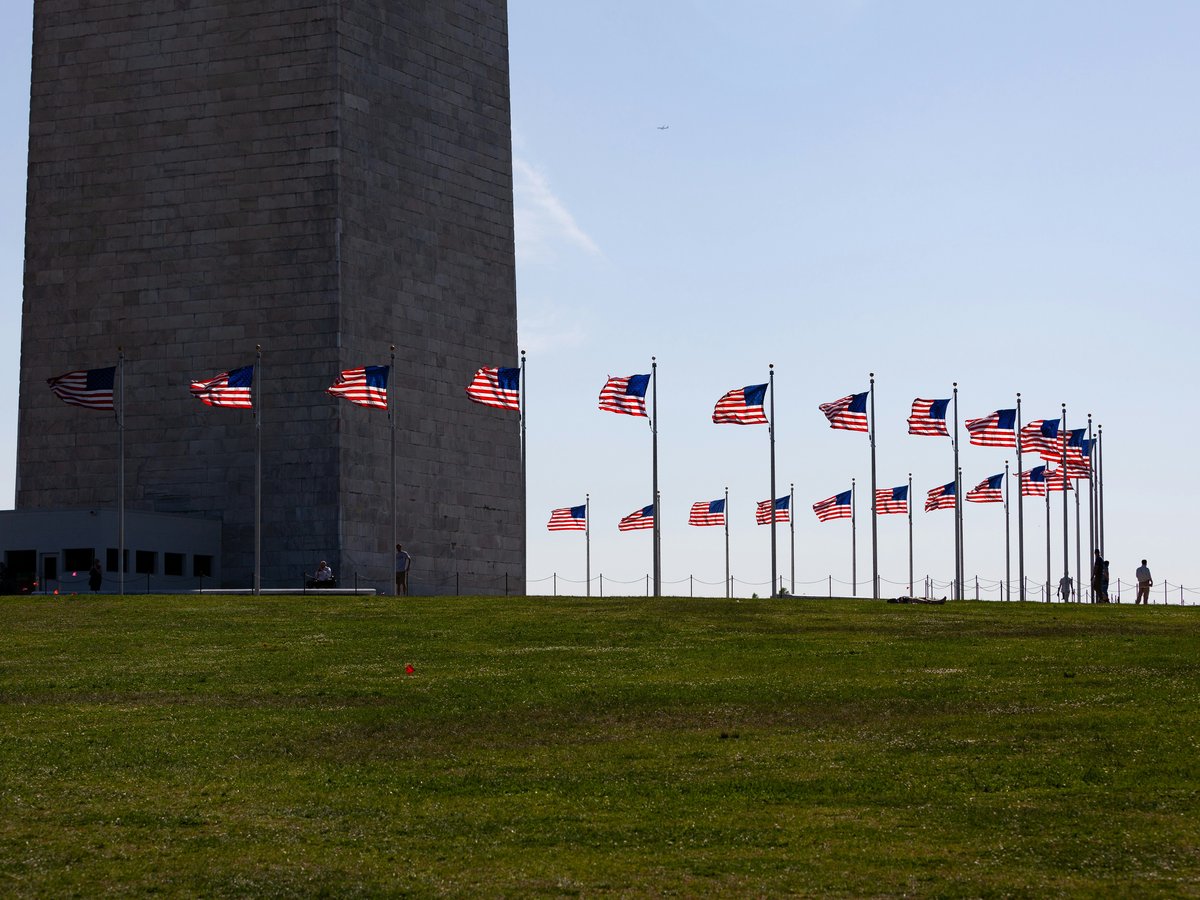
Washington DC for families
White House is the working residence and office of the sitting president, on the most photographed avenue in the country. The Pentagon is the five-sided headquarters of the US Department of Defense, visible from the Metro platform.
Washington DC for families with kids, in numbers
- Score for families
- 8.5 out of 10
- Picks on this page
- 36 places across 3 lists, led by White House, The Pentagon, Washington Monument
Questions families with kids ask about Washington DC
-
Family-friendly
Washington DC scores 8.5/10 for family friendliness (see the TTDI Family-Friendliness Index), anchored by the Smithsonian's 21 free museums. The National Mall is flat and stroller-ready, Natural History and Air and Space hold kids for 2-3 hours each, and the National Zoo charges nothing. Summer humidity that regularly reaches 80-95% is the main trade-off.
Read the full answer → -
Is it safe?
Washington DC scores 6.5 out of 10 for solo-traveler safety (see the TTDI Solo-Safety Index). The Northwest quadrant, from Georgetown to Dupont Circle, feels comfortable well past dark, but neighborhoods east of the Anacostia River carry higher crime rates. Opportunistic theft is the main risk for visitors, not violent crime. A well-connected Metro and the Smithsonian campus give solo travelers reliable structure for daytime exploration.
Read the full answer → -
What to pack
Walking shoes rated for 10+ miles on concrete are the single most important item for Washington DC. The National Mall alone stretches 3 km between the Capitol and the Lincoln Memorial, and summer humidity regularly tops 80%. Pack moisture-wicking layers, a portable charger for Metro navigation, and a compact rain shell for afternoon storms.
Read the full answer → -
Getting around
Washington DC's Metro and walking cover 90% of a visit. Tap a contactless credit card or phone at any WMATA faregate. Fares start at $2.25 per ride. Six lines reach the National Mall, Capitol Hill, and Dupont Circle directly. Uber and Lyft fill the Georgetown gap and post-midnight returns after Metro stops running.
Read the full answer → -
Best time to visit
Late March through May and September through November are the best times to visit Washington DC. Cherry blossoms peak along the Tidal Basin in late March to mid-April, with daytime highs near 18°C (65°F). Fall brings dry air, 15-22°C temperatures, and thinner crowds at the Smithsonian museums. July and August are oppressively humid, regularly exceeding 33°C with 70% humidity on the National Mall.
Read the full answer →
Curated for families with kids
-
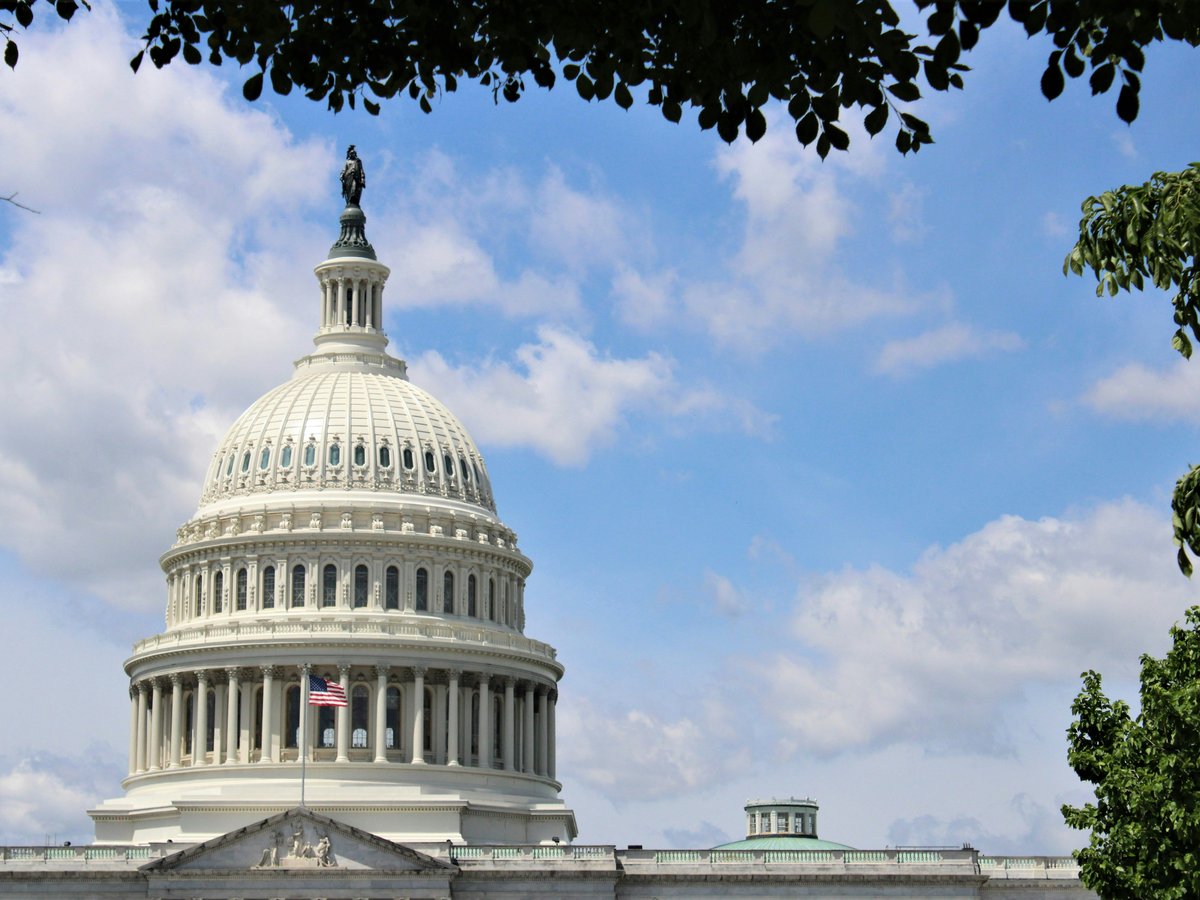
Must-see attractions
Washington DC's must-see list is built from stone, symbol, and memory rather than shopping streets or food halls, and most of these twelve are monuments, memorials, or seats of power. Several can be visited at almost any hour: the Lincoln Memorial and the Jefferson Memorial are both open 24/7. The span of dates runs from 1848 for the Washington Monument to 1993 for the United States Holocaust Memorial Museum, so the list carries you through a long stretch of national history. Not everything sits inside the District: Arlington National Cemetery and the Marine Corps War Memorial both have Arlington, Virginia addresses, and they are worth the short crossing. Two great churches, Washington National Cathedral and the Basilica of the National Shrine of the Immaculate Conception, balance all that marble with real interiors and visiting hours to plan around. This list is for the visitor who wants to understand the capital as well as photograph it. Pace yourself, go to the open-air memorials late, and leave room after the heavier stops.
See the picks → -
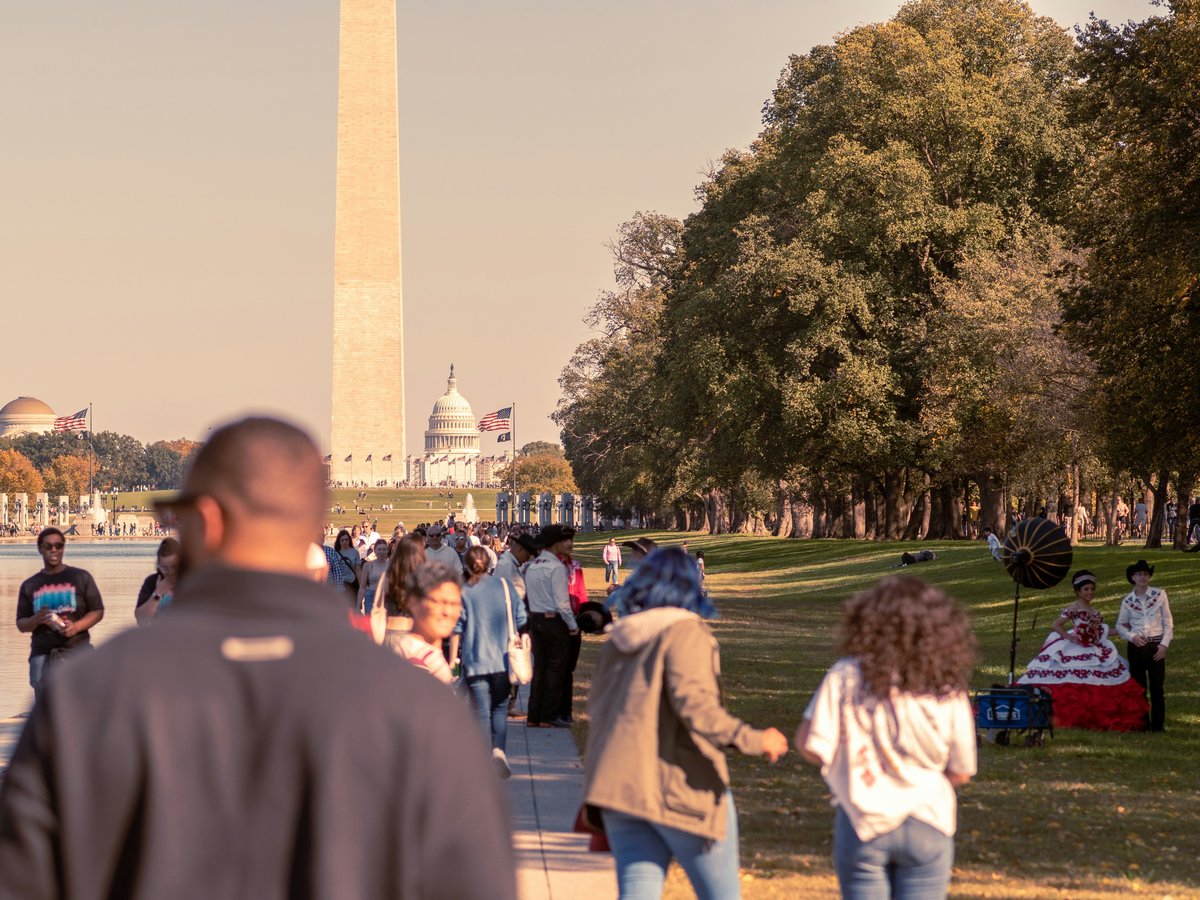
Best free attractions
These are twelve places in Washington, DC that cost nothing beyond the walk to reach them: parks, squares, gardens and one commercial plaza, each picked for what you can do there rather than what you can photograph. Part of the appeal is how old the ground is. The National Mall, Farragut Square and McPherson Square all date from 1791, and the United States Botanic Garden dates from 1820. The list suits travellers who want a day that doesn't run on tickets, families who need room to move, and anyone who has done the big museums and wants to see the city in between. Take it slowly. The best of these reward an unhurried hour much more than a quick look on the way to somewhere else.
See the picks → -
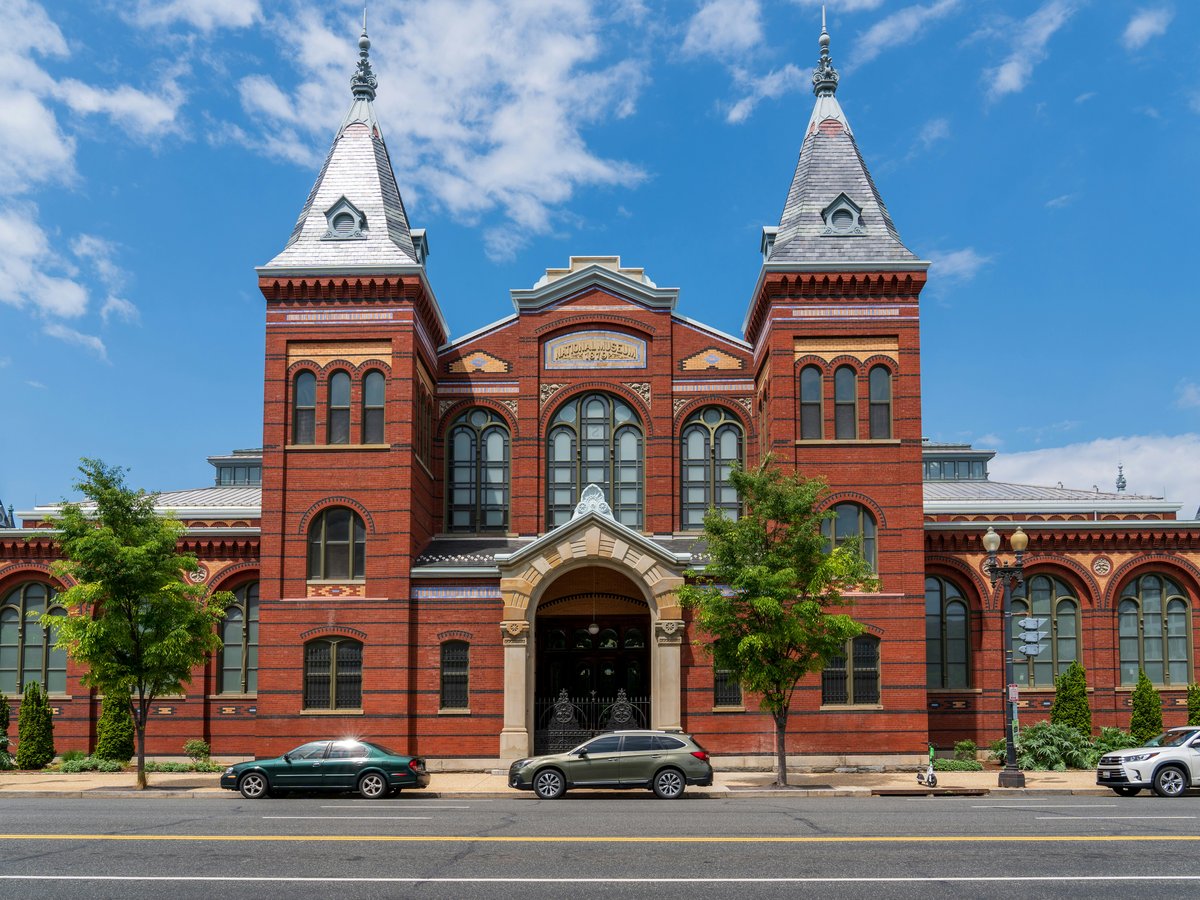
Best museums
Washington's museums are mostly national institutions, and this list leans into that on purpose. The Smithsonian Institution dates from 1846 and is described as a group of museums and research centers administered by the United States government, with five more picks here described as its divisions: American history, American art, the American Indian museum, the portrait gallery, and African art. The others widen the frame. The National Gallery of Art is described as the national art museum in Washington, D.C., the United States Holocaust Memorial Museum is the country's official memorial to the Holocaust, the National Museum of Women in the Arts dates from 1981, and Dumbarton Oaks is a research institution for Byzantine, Pre-Columbian, and garden and landscape studies. This list is for the visitor who would rather see three museums properly than eight in a blur. Pick by subject rather than by fame, check the closing times, which vary more than you would expect, and leave time between visits.
See the picks →