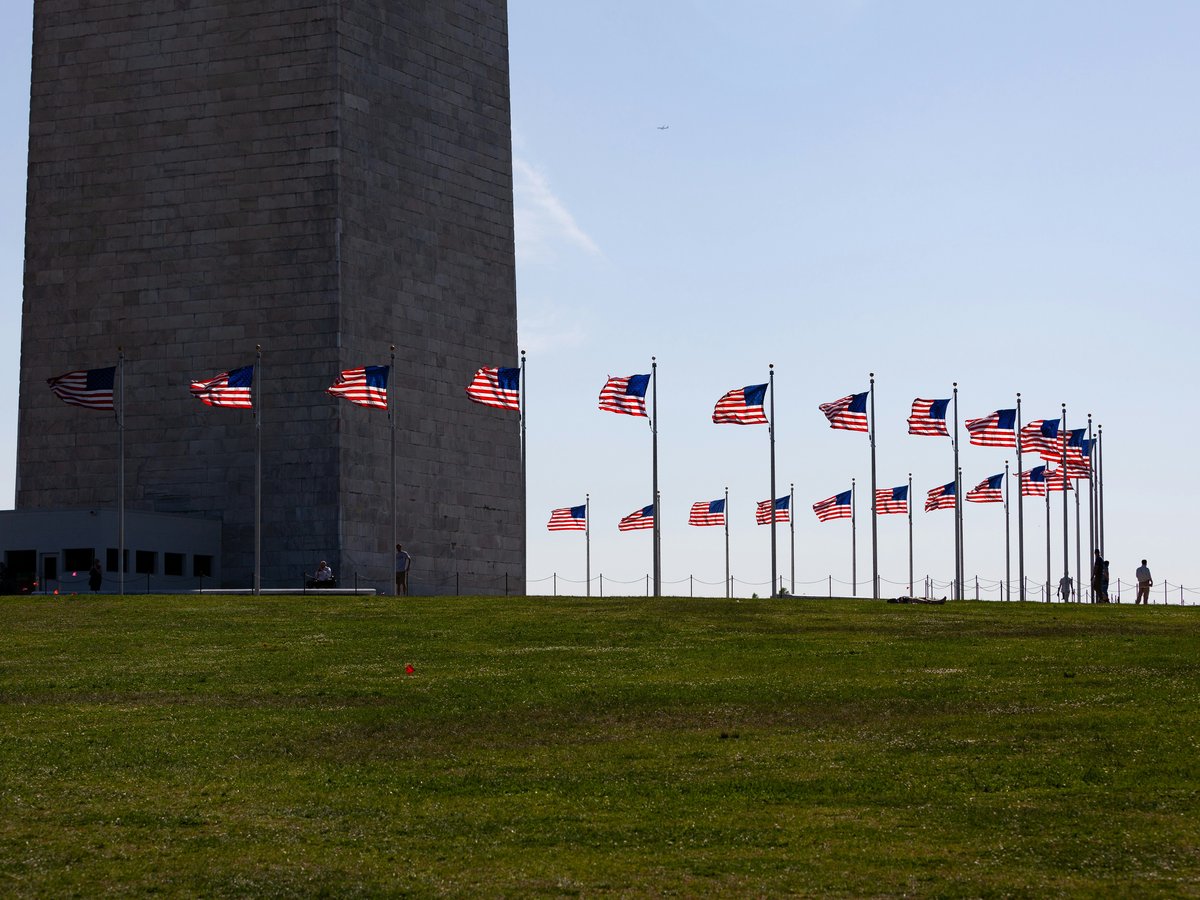
Washington DC for first-time visitors
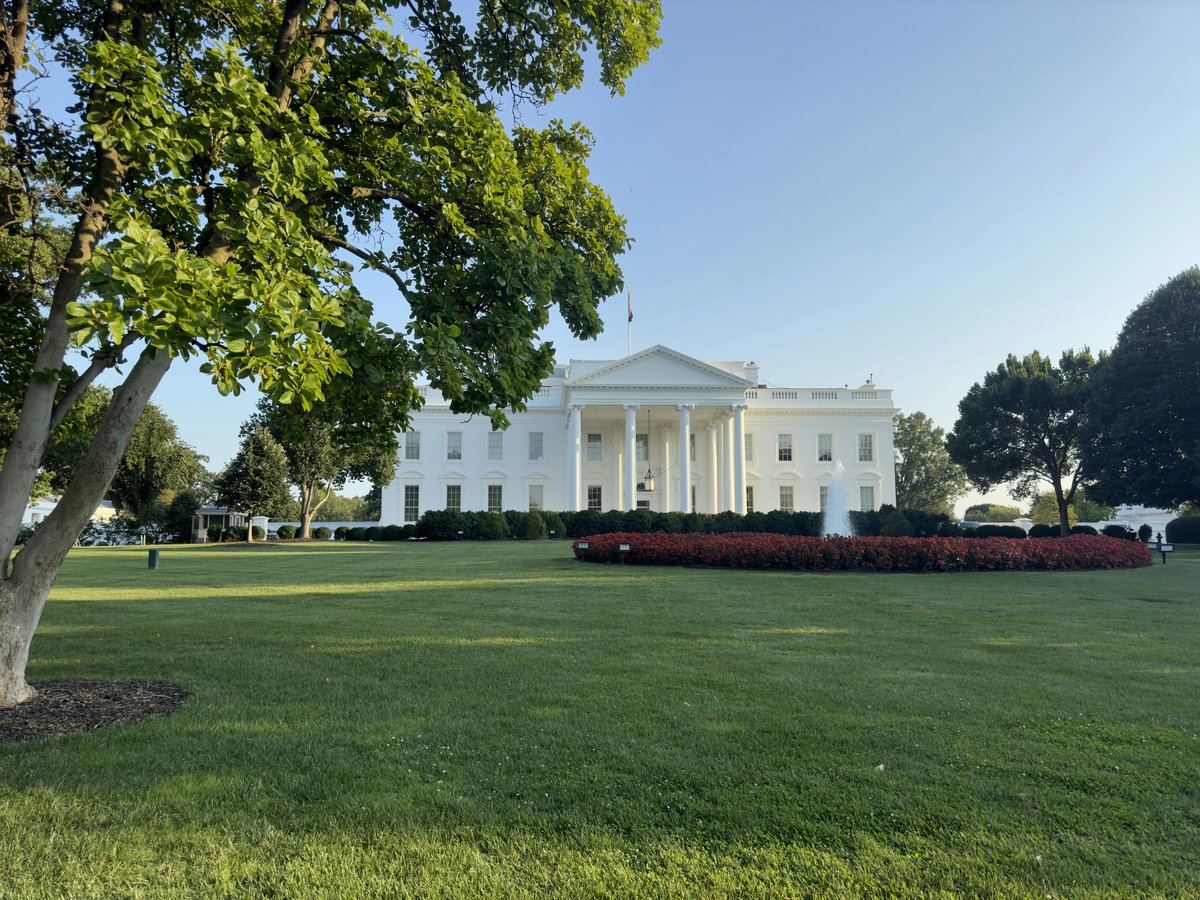
White House is the working residence and office of the sitting president, on the most photographed avenue in the country. The earliest of the picks for first-time visitors in Washington DC opens at 06:30 and the latest closes at 03:00.
Washington DC for first-timers, in numbers
- Picks on this page
- 24 places across 2 lists, led by White House, The Pentagon, Washington Monument
- Posted hours
- 7 picks post hours earliest 06:30, latest 03:00; 1 open by 09:00, 7 past 21:00
Questions first-timers ask about Washington DC
-
Must-see
The Lincoln Memorial at dusk. Walk up from the Reflecting Pool as the marble shifts from white to warm pink in the last hour of light. The seated Lincoln fills a chamber that stays quiet even in a crowd, and the view east down the National Mall is the best single perspective in Washington DC. Free, open 24 hours, no reservation needed.
Read the full answer → -
Best time to visit
Late March through May and September through November are the best times to visit Washington DC. Cherry blossoms peak along the Tidal Basin in late March to mid-April, with daytime highs near 18°C (65°F). Fall brings dry air, 15-22°C temperatures, and thinner crowds at the Smithsonian museums. July and August are oppressively humid, regularly exceeding 33°C with 70% humidity on the National Mall.
Read the full answer → -
Airport to city
Take the Metro from Reagan National (DCA) to downtown Washington DC. The Yellow or Blue Line reaches Metro Center in 12 minutes for $2.50 at peak. From Dulles (IAD), the Silver Line runs 50 minutes to downtown for about $6. From BWI, the MARC Penn Line to Washington DC's Union Station costs $8 on weekdays. After midnight at any airport, use a rideshare.
Read the full answer → -
How to get there
Washington DC has three airports. Reagan National (DCA), 7 km south of downtown, connects directly to Metro and is the best domestic arrival point. Dulles (IAD), 42 km west, handles most transatlantic flights. BWI, 50 km northeast, catches Southwest and budget fares. Amtrak runs to Union Station from New York Penn in 3.5 hours.
Read the full answer → -
Getting around
Washington DC's Metro and walking cover 90% of a visit. Tap a contactless credit card or phone at any WMATA faregate. Fares start at $2.25 per ride. Six lines reach the National Mall, Capitol Hill, and Dupont Circle directly. Uber and Lyft fill the Georgetown gap and post-midnight returns after Metro stops running.
Read the full answer →
Curated for first-timers
-
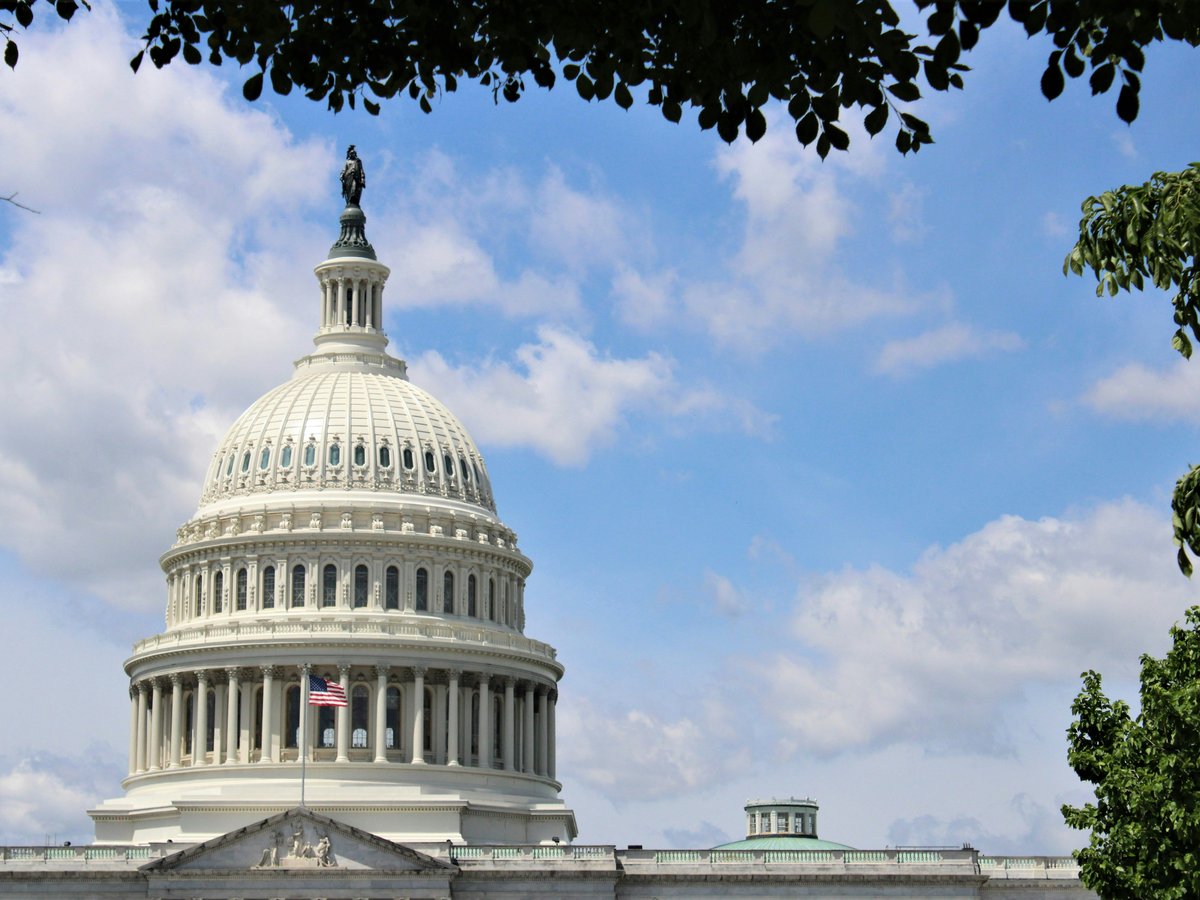
Must-see attractions
Washington DC's must-see list is built from stone, symbol, and memory rather than shopping streets or food halls, and most of these twelve are monuments, memorials, or seats of power. Several can be visited at almost any hour: the Lincoln Memorial and the Jefferson Memorial are both open 24/7. The span of dates runs from 1848 for the Washington Monument to 1993 for the United States Holocaust Memorial Museum, so the list carries you through a long stretch of national history. Not everything sits inside the District: Arlington National Cemetery and the Marine Corps War Memorial both have Arlington, Virginia addresses, and they are worth the short crossing. Two great churches, Washington National Cathedral and the Basilica of the National Shrine of the Immaculate Conception, balance all that marble with real interiors and visiting hours to plan around. This list is for the visitor who wants to understand the capital as well as photograph it. Pace yourself, go to the open-air memorials late, and leave room after the heavier stops.
See the picks → -
Best restaurants
Washington DC eats on a broken schedule: lunch belongs to lobbyists, dinner belongs to whoever finishes the memo, and the best rooms are the ones that keep a kitchen open past the vote. The twelve restaurants below cluster in a walkable band from Logan Circle to Dupont, most of them within a fifteen-block radius of the White House, and every one of them earns its slot on a specific claim rather than a general reputation. This is not a list for the tourist doing a museum crawl; it is for the resident, the consultant on assignment, the returning visitor who wants to eat well between meetings. You will find Argentine steak and Persian rice, ramen and oysters, an Indian room and an African one, a pizza operation with a political name, and a burger counter inside a hotel. What ties them together is a functional detail: they are open when you want to eat, they hold a real address you can walk to, and their kitchens argue for themselves. Cite the address; trust the hours; go hungry.
See the picks →