When's the best time to visit Washington DC in 2026?
Late March through May and September through November are the best times to visit Washington DC. Cherry blossoms peak along the Tidal Basin in late March to mid-April, with daytime highs near 18°C (65°F). Fall brings dry air, 15-22°C temperatures, and thinner crowds at the Smithsonian museums. July and August are oppressively humid, regularly exceeding 33°C with 70% humidity on the National Mall.
The cherry blossoms along the Tidal Basin draw roughly 1.5 million visitors to Washington DC during the National Cherry Blossom Festival, which runs from late March through mid-April. Peak bloom lasts about 4 to 7 days, and the National Park Service posts daily updates so you can time your visit. Morning walks around the Jefferson Memorial before 8am give you the trees almost to yourself, with mist rising off the water and petals drifting onto the gravel paths. By 10am, the walkway is shoulder-to-shoulder. April daytime highs sit around 18-22°C (65-72°F), cool enough for comfortable walking along the 3.2 km length of the National Mall. Hotel rates in Dupont Circle and Foggy Bottom climb 40-60% during peak bloom week, so booking 3 months ahead is worth it. May is warmer, less crowded, and the gardens at Dumbarton Oaks in Georgetown are at their peak, with wisteria scenting the air above the stone terraces.
September through November might be Washington DC's best timing advantage. The humidity that makes the Mall feel like a steam room in July breaks by mid-September, and daytime temperatures settle around 15-22°C (59-72°F). The Smithsonian's 11 museums along the National Mall, every one free to enter, have shorter lines. You can walk into the National Museum of Natural History on a Tuesday in October and stand in front of the Hope Diamond without a crowd pressing behind you. The elms and oaks along the Reflecting Pool turn copper and gold by late October. That said, November gets cold fast. Evening temperatures drop to 4-7°C (39-45°F), and the wind funneling between the monuments on the west end of the Mall cuts right through a light jacket. Bring layers for anything after 5pm. The trade-off is worth it for hotel rates 25-35% below peak spring pricing.
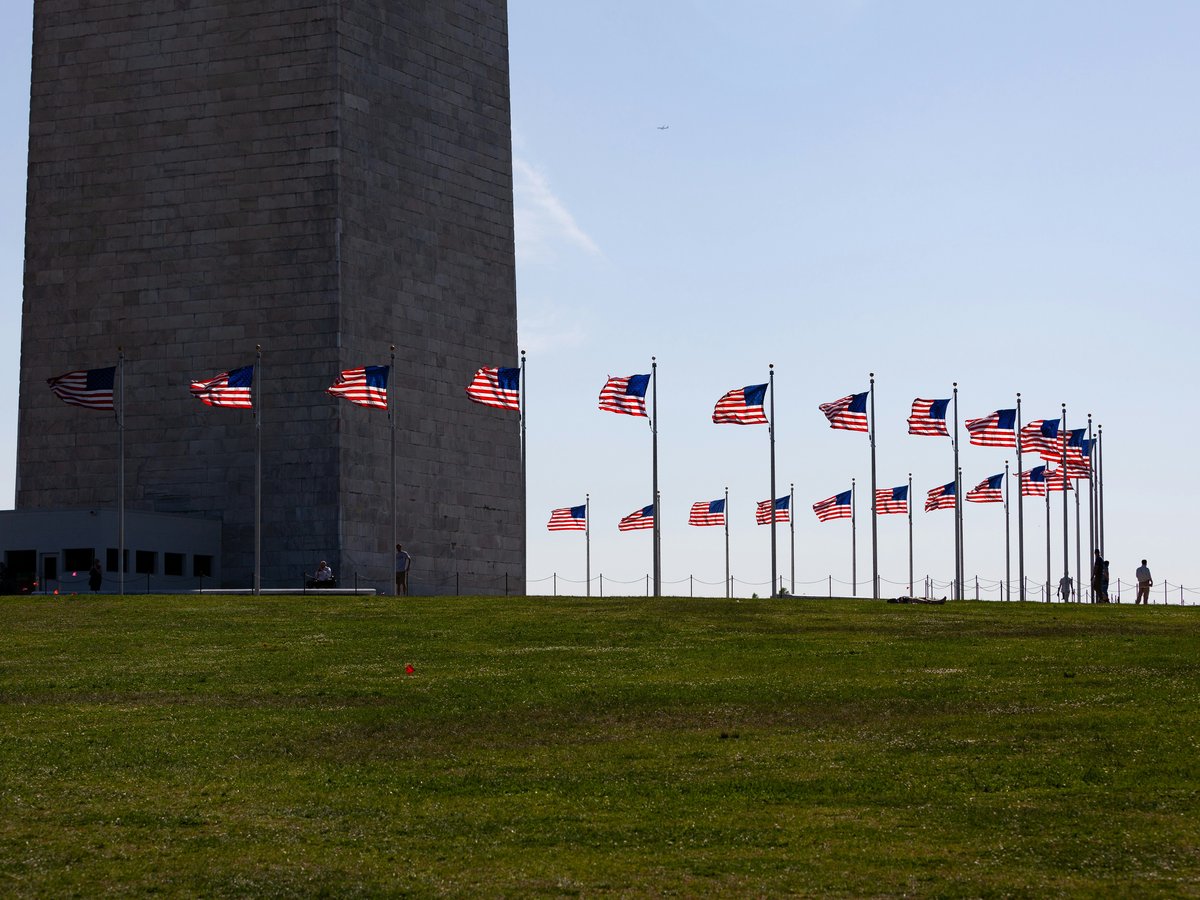
July and August in Washington DC are miserable for outdoor sightseeing. Afternoon highs regularly reach 33-35°C (91-95°F) with humidity above 70%, and the heat radiating off the limestone and granite adds another few degrees at ground level. You'll hear cicadas droning from the trees lining the Mall in the thick, still air. The walk from the Lincoln Memorial, dedicated in 1922, to the Capitol is about 3 km and will leave you drenched. Lines at the Washington Monument, which dates to 1848, can mean 45 minutes in direct sun with no shade. The Smithsonian buildings offer air-conditioned relief, but you'll end up planning around whichever museum is closest rather than what interests you. Congress is often in recess from late July, so Capitol building tours tend to be less booked. If summer is your only option, start each day by 7:30am and retreat indoors by noon.
December through February brings the lowest hotel rates of the year in Washington DC. A room near Metro Center that costs $280/night in April might go for $150 in January. The National Gallery of Art, founded in 1937, is warm inside and rarely crowded on winter weekdays. You might share the Vermeer gallery with 3 other visitors. Highs from late December into February rarely top 6°C (43°F), and occasional ice storms shut down the Metro and make the marble steps around the memorials slick. The Martin Luther King Jr. Memorial and the FDR Memorial sit exposed to wind with no shelter nearby. Mind you, the holiday season in DC has its own draw. The National Christmas Tree lighting near the White House, occupied since 1800, happens in early December, and the U.S. Botanic Garden's holiday display runs through New Year's.
Month-by-month outlook
- Jan Avoid
- Feb Avoid
- Mar Shoulder
- Apr Ideal
- May Ideal
- Jun Shoulder
- Jul Avoid
- Aug Avoid
- Sep Ideal
- Oct Ideal
- Nov Shoulder
- Dec Shoulder
Year-round climate
Averages from the last 5 years.
| Month | Avg high (°C) | Avg low (°C) | Rainfall (mm) |
|---|---|---|---|
| Jan | 6 | -2 | 84 |
| Feb | 9 | 0 | 82 |
| Mar | 15 | 4 | 98 |
| Apr | 20 | 8 | 95 |
| May | 24 | 13 | 139 |
| Jun | 29 | 18 | 138 |
| Jul | 31 | 21 | 168 |
| Aug | 30 | 20 | 140 |
| Sep | 26 | 17 | 118 |
| Oct | 20 | 10 | 78 |
| Nov | 14 | 4 | 62 |
| Dec | 9 | 0 | 98 |
Washington DC summers hit 33°C (91°F) with 70%+ humidity. Spring and fall hover around 15-22°C (59-72°F). Winters average 1-7°C (34-45°F) with occasional ice storms.
Go deeper into Washington DC
Last verified by automated review (v1.7.2) on . What is automated review?