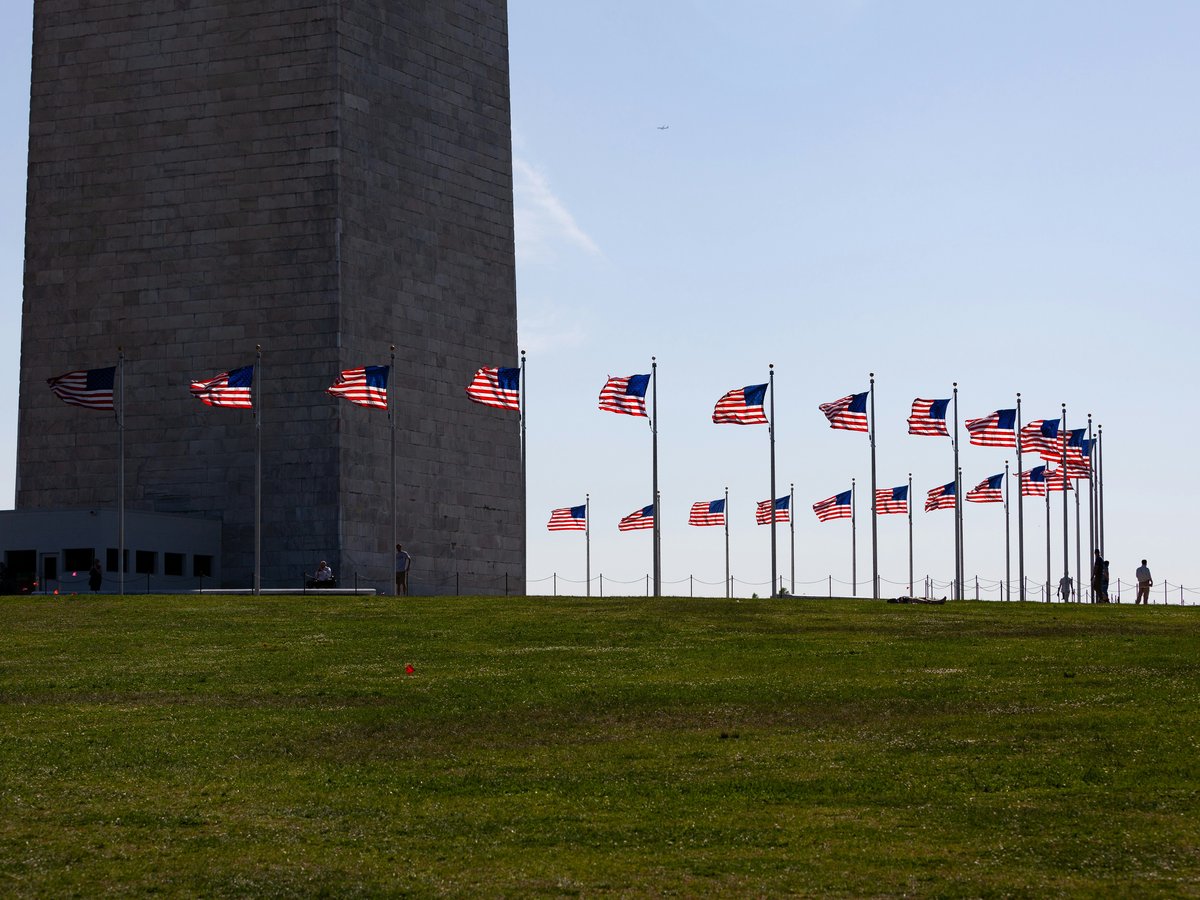
Washington DC sits at the confluence of the Potomac and Anacostia rivers, wedged between the coastal plain and the Piedmont plateau. The city's outdoor character tends to surprise first-time visitors. Most people come for the monuments and the Smithsonian Institution, founded in 1846, but the District holds over 7,300 acres of parkland managed by the National Park Service. Rock Creek Park alone covers 1,754 acres of forested ravine running north-south through the city. The humidity is real, especially from June through September, when temperatures regularly push past 32°C and the air feels thick enough to chew. Spring and fall are the sweet spots for anything strenuous. Cherry blossom season in late March and early April draws crowds to the Tidal Basin, but the quieter sections of the C&O Canal towpath stay relatively empty even then. The Potomac itself is a working river for paddlers, rowers, and anglers. You might notice the shift in terrain if you cross into Virginia or head northwest toward the Blue Ridge. Within 90 minutes of the Capitol dome, you can be standing on a 1,200-meter ridge in Shenandoah National Park. The National Mall, laid out in 1791, functions as the city's central green corridor, but the outdoor life extends well beyond it, into the wooded tributaries of Rock Creek, the tidal marshes of Kenilworth, and the granite bluffs above Great Falls.
Outdoor activities
-
Road cycling on the Mount Vernon Trail
This 29-kilometer paved trail runs along the Virginia bank of the Potomac from Theodore Roosevelt Island south to George Washington's Mount Vernon estate. The route is mostly flat, with gentle rollers near the estate grounds. You'll pass Reagan National Airport, where planes descend close enough overhead to read the tail numbers. Weekend mornings get crowded near the Key Bridge access point. Weekday rides before 8 AM tend to have lighter traffic. Bike rentals are available at multiple Capital Bikeshare stations along the route, though a road bike from a proper shop in Arlington or Alexandria gives you a better experience on the longer stretch.
- Difficulty
- Easy to moderate
- Duration
- 2-3 hours one way at a casual pace
- Best season
- March through November
-
Trail running in Rock Creek Park
Rock Creek Park offers over 50 kilometers of trails, from paved paths along the creek itself to singletrack through second-growth hardwood forest. The Valley Trail follows the creek bottom and stays mostly flat. The Western Ridge Trail climbs more aggressively, gaining and losing 60-80 meters repeatedly over rocky, root-laced terrain. The park's canopy keeps things 3-5 degrees cooler than the open Mall in summer, which matters when the heat index climbs past 38°C. Mind the creek crossings after heavy rain. The Boundary Bridge area near Chevy Chase tends to flood.
- Difficulty
- Easy (Valley Trail) to moderate (Western Ridge)
- Duration
- 1-4 hours depending on route
- Best season
- April through June, September through November
-
Bouldering at Carderock Recreation Area
Carderock sits along the Potomac in Montgomery County, Maryland, about 20 minutes northwest of Georgetown. The Carderock cliffs offer roughly 100 documented boulder problems on mica schist, ranging from V0 to V8. The rock tends to be slick when wet, and the humidity can make holds greasy in summer. Fall and spring deliver the best friction. A crash pad is essential for the harder lines. The approach from the parking lot takes about 5 minutes on flat ground. Worth noting, the area fills up on weekend afternoons, especially in October when the weather cooperates and the climbing community turns out.
- Difficulty
- V0 to V8 (beginner to advanced)
- Duration
- Half day
- Best season
- October through April
-
Mountain biking at Fountainhead Regional Park
Fountainhead sits about 45 minutes southwest of DC in Fairfax Station, Virginia. The trail network covers roughly 24 kilometers of purpose-built singletrack above the Occoquan Reservoir. The terrain is technical by mid-Atlantic standards, with rock gardens, tight switchbacks, and short punchy climbs. Trail surfaces drain well compared to most DC-area dirt, but 48 hours of dry weather before your ride makes a difference. The Fairfax County Park Authority manages the trails and occasionally closes them after heavy rain to prevent erosion.
- Difficulty
- Intermediate to advanced
- Duration
- 2-4 hours
- Best season
- April through November
-
Rowing on the Potomac
The Georgetown waterfront has been home to competitive rowing since the 1830s. Thompson Boat Center, near the Kennedy Center, rents single and double kayaks and rowing shells from April through October. The stretch between Key Bridge and Memorial Bridge offers about 3 kilometers of relatively calm flatwater, though motorboat wakes from tour boats can be unpredictable in the afternoon. Several rowing clubs operate out of the Anacostia Community Boathouse as well, with learn-to-row programs that run 6-8 week cycles. Morning rows before 9 AM see the calmest water.
- Difficulty
- Beginner (learn-to-row) to competitive
- Duration
- 1-2 hours per session
- Best season
- April through October
Day hikes
-
Billy Goat Trail (Section A), Great Falls, Maryland
Section A is the most popular and most technical stretch of the Billy Goat Trail in the Chesapeake and Ohio Canal National Historical Park. The trail runs 2.8 kilometers along the Potomac River bluffs above Mather Gorge, with significant rock scrambling over jagged metamorphic outcrops. Expect to use your hands in several spots. The trail is not a loop. You return via the C&O Canal towpath, adding about 2.5 kilometers of flat walking. The Park Service occasionally closes Section A when the river rises above a certain level, as parts of the trail flood. Check conditions before driving out. The trailhead at Great Falls Tavern is about 25 minutes from Georgetown via MacArthur Boulevard.
- Difficulty
- Strenuous (rock scrambling, uneven footing, some exposure near the bluffs)
- Duration
- 2-3 hours for the full loop including the towpath return
- Best season
- October through May (summer heat and humidity make the exposed rock sections punishing)
-
Old Rag Mountain, Shenandoah National Park
Old Rag is a 14.5-kilometer circuit with about 730 meters of elevation gain, topping out at 1,080 meters. The upper section involves a rock scramble through a boulder field where you'll squeeze through crevices and pull yourself over ledges. The summit is bare granite with 360-degree views of the Blue Ridge. The drive from DC takes roughly 2 hours via Route 211. A day-use ticket is required and currently costs $30 per vehicle. Reservations through Recreation.gov are mandatory on weekends and federal holidays from March through November. Start early. The parking lot fills by 8 AM on fall weekends. This is likely the best day hike within striking distance of the District.
- Difficulty
- Strenuous (sustained climbing, technical rock scramble)
- Duration
- 6-8 hours
- Best season
- Late September through mid-November for fall color, April through May for wildflowers
-
Whiteoak Canyon Trail, Shenandoah National Park
This trail descends from Skyline Drive to a series of 6 waterfalls over 7.5 kilometers one way, with about 320 meters of elevation change. The upper falls, visible after roughly 3 kilometers, drop 26 meters and make a reasonable turnaround point for a moderate outing. The full descent to the lower falls and back is a long day with steep, rocky footing on the return climb. The trailhead is accessible from either Skyline Drive (about 2 hours from DC) or a lower parking area off Route 600 near Syria, Virginia. Stream crossings can be tricky after spring rain.
- Difficulty
- Moderate (to upper falls) to strenuous (full out-and-back)
- Duration
- 3-4 hours to upper falls, 6-8 hours for full trail
- Best season
- April through June (peak water flow), October (fall color)
-
Sugarloaf Mountain, Dickerson, Maryland
Sugarloaf is a monadnock rising 400 meters above the surrounding farmland in Frederick County, about an hour northwest of DC. The summit loop from the West View parking area covers roughly 5 kilometers with 200 meters of gain. The climb is steady but never technical. Views from the summit and the overlooks along the way extend west to the Blue Ridge and south toward the Potomac. The mountain is privately owned and managed by Stronghold Inc., with free public access during daylight hours. The road to the upper parking lot can close in icy conditions.
- Difficulty
- Easy to moderate
- Duration
- 2-3 hours
- Best season
- Year-round, though October draws the biggest crowds for leaf viewing
-
Annapolis Rocks, South Mountain, Maryland
This out-and-back hike follows a section of the Appalachian Trail in western Maryland, about 90 minutes from DC via I-70. The trail covers roughly 6 kilometers each way from the parking area on Route 40 to the Annapolis Rocks overlook, which perches on a quartzite ledge 520 meters above sea level. Elevation gain is modest, around 180 meters, but the trail has rocky sections that slow progress. The overlook faces west across the Cumberland Valley. Camping is permitted at a designated site near the rocks with a backcountry permit.
- Difficulty
- Moderate
- Duration
- 4-5 hours round trip
- Best season
- September through November, April through June
Water activities
-
Kayaking the Potomac River at Key Bridge Boathouse
Key Bridge Boathouse in Georgetown rents single and tandem kayaks, stand-up paddleboards, and canoes from April through October. The calm stretch upstream toward Little Falls is good for beginners. Downstream toward the Kennedy Center and Memorial Bridge, you'll paddle past the Lincoln Memorial, which sits on the west end of the Mall. Afternoon winds can pick up and push against you on the return if you've gone too far south. A 1-hour rental currently runs around $20 for a single kayak. No experience is required for the flatwater rentals, though the boathouse gives a brief safety orientation.
- Difficulty
- Easy (flatwater)
- Duration
- 1-3 hours
- Best season
- May through September
-
Whitewater kayaking at Great Falls of the Potomac
The Great Falls section of the Potomac drops roughly 23 meters over a series of cascades and is rated Class V at most water levels. This is expert-only water. Several paddlers have died here over the decades. Below the falls, Mather Gorge offers Class II-III rapids that are more accessible for experienced intermediate paddlers, though scouting and rescue skills are still mandatory. Maryland and Virginia both require PFDs. The falls themselves draw spectators year-round from overlooks on both the Maryland side (Great Falls Tavern) and Virginia side (Great Falls Park, $20 per vehicle entry). To be fair, most visitors come to watch, not to paddle.
- Difficulty
- Class V (falls), Class II-III (Mather Gorge below)
- Duration
- Varies
- Best season
- March through June for optimal water levels
-
Swimming at Gravelly Point and Pohick Bay
The Potomac near the District is not safe for swimming due to bacterial levels that regularly exceed EPA standards, especially after rain. For open-water swimming, Pohick Bay Regional Park in Lorton, Virginia, about 40 minutes south, operates a sandy beach with lifeguards from Memorial Day through Labor Day. Admission is currently $8 per person. Closer in, the Capitol Skyline Hotel's outdoor pool historically offered day passes, and several public pools operated by DC's Department of Parks and Recreation open for the summer season. The Francis Pool in Dupont Circle and the East Potomac Park pool tend to fill up on weekends above 32°C.
- Difficulty
- Easy
- Duration
- Half day
- Best season
- Late May through early September
-
Stand-up paddleboarding on the Anacostia River
The Anacostia has seen a significant cleanup effort since the early 2000s. Ballpark Boathouse, located near Nationals Park along the Anacostia Riverwalk Trail, rents SUPs and kayaks seasonally. The water here is generally calmer and less trafficked than the Potomac, making it more forgiving for beginners on a board. You'll paddle past Kingman Island and the tidal marshes of Kenilworth, where the aquatic gardens mentioned earlier are visible from the water. Morning sessions before 10 AM tend to have glassier conditions. Water quality has improved but swimming is still not advised.
- Difficulty
- Easy
- Duration
- 1-2 hours
- Best season
- May through October
-
Fishing on the Tidal Basin and C&O Canal
Largemouth bass, catfish, and sunfish are catchable in the Tidal Basin and along the C&O Canal. The canal's old lock pools hold surprisingly decent populations of bass and bluegill. A DC fishing license is required for anyone 16 or older, available online through the DC Department of Energy and Environment for around $10 for residents. Virginia and Maryland licenses are needed for their respective waters. The stretch of the Potomac near Fletcher's Cove, accessible from the C&O Canal towpath, is popular for shad fishing in spring when the American shad run upstream in April and May.
- Difficulty
- Easy
- Duration
- 2-6 hours
- Best season
- April through May (shad run), May through October (bass and panfish)
Parks & gardens
-
Rock Creek Park
FreeAt 1,754 acres, Rock Creek is one of the largest urban parks in the country. The forest canopy is dense enough that you can lose cell signal in the deeper ravines. Peirce Mill, a 19th-century gristmill near Tilden Street, still stands along the creek. Deer are common, and you might spot a barred owl at dusk near the nature center. The park road closes to vehicles on weekends and holidays, turning Beach Drive into a car-free corridor for runners and cyclists. That weekend closure runs from Broad Branch Road to Military Road.
Highlights: Peirce Mill, the Nature Center and Planetarium, the Boulder Bridge (built 1902), and the horse trails in the northern section near the Maryland border
-
United States National Arboretum
FreeThe Arboretum covers 180 hectares in Northeast DC, and it feels removed from the city despite sitting inside the District boundary. The Capitol Columns, 22 Corinthian columns salvaged from the 1828 East Portico of the Capitol, stand in a meadow on a hilltop. The Asian Collection features a bonsai museum with specimens dating to 1625. Traffic is light on weekday mornings. Cycling is permitted on the roads but not on footpaths. To be fair, the Arboretum's distance from Metro stations keeps the crowds thin, which is part of the appeal.
Highlights: National Bonsai and Penjing Museum, Capitol Columns, Azalea Collection (peak bloom mid-April to early May), the Fern Valley native plant trail
-
Kenilworth Park and Aquatic Gardens
FreeThis is the only National Park Service site devoted to cultivating aquatic plants. The gardens sit along the Anacostia River in Northeast DC and hold 45 ponds filled with lotus, water lilies, and other aquatic species. The lotus flowers peak in July, opening early in the morning and closing by midday. The adjacent Kenilworth Marsh is a 32-hectare restored tidal freshwater marsh where you might spot great blue herons, beavers, and river otters. The boardwalk through the marsh runs about 1.5 kilometers.
Highlights: Hardy water lilies (bloom June through September), sacred lotus (peak in July mornings), the Kenilworth Marsh boardwalk, seasonal bird counts
-
Dumbarton Oaks Gardens
This 10-acre terraced garden in Georgetown was designed by Beatrix Farrand beginning in 1921. The layout steps down a hillside through a series of garden rooms, from the formal Rose Garden near the top to the wilder Crabapple Hill at the bottom. Wisteria covers the arbor in late April. The gardens charge admission from mid-March through October, currently $10 for adults. Off-season entry is free. The adjacent 27-acre Dumbarton Oaks Park, managed by the National Park Service, connects down to Rock Creek and costs nothing year-round.
Highlights: Farrand's terraced garden rooms, the Pebble Garden mosaic, Crabapple Hill, the wisteria arbor in late April, the Orangery
-
Theodore Roosevelt Island
FreeThis 36-hectare island sits in the Potomac between Georgetown and Rosslyn, Virginia. A footbridge from the Virginia side provides the only access. The interior holds a memorial plaza with a 5-meter bronze statue of Roosevelt, surrounded by 4 granite tablets. The 4-kilometer loop trail circles the island through upland forest, swamp, and tidal marsh. Mosquitoes can be fierce from June through September. The island has no concessions and no drinking water, so bring what you need. It's a 10-minute walk from the Rosslyn Metro station to the parking area.
Highlights: The Roosevelt Memorial plaza, the swamp trail boardwalk sections, the Potomac views from the western shore, spring wildflowers in the upland forest
-
Meridian Hill Park (Malcolm X Park)
FreeThis 12-acre park in the Columbia Heights neighborhood features a 13-basin cascading fountain, one of the longest in North America. The upper terrace follows an Italian Renaissance garden plan. The lower section includes a reflecting pool and a statue of Joan of Arc, cast in 1922. The Sunday afternoon drum circle has been running since the 1960s, drawing 50-200 people depending on the weather. The park sits on a hill with good sightlines south toward the Washington Monument.
Highlights: The 13-basin cascading fountain, Joan of Arc statue, Sunday drum circle, views toward the monument from the upper terrace
Practical tips
- Sun and heat protection
- DC summers are genuinely oppressive. August humidity regularly pushes the heat index above 40°C, which is where heat exhaustion risk rises sharply. Carry at least 1.5 liters of water per person for any outing longer than an hour. A wide-brim hat and SPF 50 are non-negotiable from May through September. The Mall has almost no shade between the Washington Monument and the Capitol. Schedule outdoor time before 10 AM or after 4 PM in July and August.
- Footwear and trail conditions
- The Billy Goat Trail and Old Rag both demand sturdy footwear with aggressive tread. Approach shoes or hiking boots, not trail runners with smooth soles. Rock surfaces along the Potomac and in Shenandoah are slick when wet. After rain, mud on the C&O Canal towpath can be ankle-deep in low spots. Rock Creek Park trails drain unevenly, and root exposure makes the Western Ridge Trail treacherous when leaves cover the ground in November.
- Ticks and insects
- Lone star ticks and deer ticks are active in the DC area from April through October. Treat clothing with permethrin and use DEET or picaridin on exposed skin. Do a full tick check after any off-trail excursion, especially in tall grass or leaf litter. Mosquitoes near the Anacostia and on Theodore Roosevelt Island can be relentless from June through September. A head net is not overkill for dawn or dusk outings near standing water.
- Transportation to trailheads
- Many of DC's best outdoor destinations require a car. Great Falls is 25 minutes from Georgetown. Old Rag is 2 hours. Sugarloaf Mountain sits about an hour northwest. For car-free options, Rock Creek Park is accessible from multiple Metro stations. The Mount Vernon Trail connects to the Rosslyn Metro. Zipcar and rental car agencies operate throughout the District, and weekend rates for a compact car tend to run $40-70 per day. Capital Bikeshare stations are useful for the Mount Vernon Trail if you prefer two wheels.
- Water safety on the Potomac
- The Potomac looks calm at the surface in many spots but has dangerous hydraulics and unpredictable currents, especially near Great Falls and the Three Sisters rocks upstream of Georgetown. Wading above the falls is prohibited and people die there regularly. On flatwater sections, wear a PFD regardless of your swimming ability. Check USGS gauge readings at Little Falls before any paddling trip. Flows above 10,000 cfs make the Georgetown stretch uncomfortable for recreational kayakers.
- Seasonal planning
- April through early June and September through mid-November are the prime windows for outdoor activity around DC. Cherry blossom season (late March to mid-April) packs the Tidal Basin area but leaves most trails empty. Fall foliage peaks in Shenandoah around mid-October and reaches the DC area by early November. Winter hiking is viable on lower-elevation trails like Sugarloaf and the Billy Goat Trail, though ice can make exposed rock sections dangerous. January lows average around -2°C.
FAQ
Is Washington DC a good city for outdoor activities?
DC holds more outdoor options than most visitors expect. The city itself contains over 7,300 acres of NPS-managed parkland, and the Potomac River provides paddling access right from Georgetown. Within 2 hours, you can reach Shenandoah National Park for serious ridge hiking. The family-friendliness score of 8.5/10 (see the TTDI Family-Friendliness Index) reflects the accessibility of many of these options, from paved trails to calm-water kayaking.
When is the best time of year for hiking near Washington DC?
October is likely the single best month. Temperatures sit in the 15-22°C range, humidity drops, and fall color peaks in Shenandoah around mid-month. April and May are the second-best window, with wildflowers and moderate temperatures, though spring rain can make trails muddy. Avoid July and August for anything strenuous unless you start before 7 AM.
Can you kayak or paddleboard in Washington DC without experience?
Yes. Key Bridge Boathouse and Ballpark Boathouse both rent kayaks and SUPs to beginners on the calm flatwater sections of the Potomac and Anacostia rivers. No prior experience is needed, and basic safety instruction is provided. Rentals run roughly $20 per hour for a single kayak. Stick to the flatwater sections and avoid paddling near Great Falls, which is restricted to expert kayakers.
Are the trails around DC safe for solo hikers?
Most trails in Rock Creek Park, along the C&O Canal, and on the Mount Vernon Trail see regular foot traffic and are reasonable for solo outings during daylight hours. DC's solo-traveler safety scores 6.5/10 (see the TTDI Solo-Safety Index), which reflects the urban context more than trail-specific risk. On more remote trails like Old Rag or Annapolis Rocks, let someone know your plan and carry a charged phone. Cell coverage in Shenandoah is spotty.
Do I need permits for hiking or water activities near DC?
Most trails in Rock Creek Park, along the C&O Canal, and within the city are free and permit-free. Old Rag in Shenandoah requires a day-use ticket ($30 per vehicle) and mandatory advance reservations on weekends and holidays from March through November via Recreation.gov. Great Falls Park on the Virginia side charges a $20 vehicle entry fee. A DC fishing license costs about $10 for residents and is required for ages 16 and up.
What outdoor activities work well for families with children in DC?
Theodore Roosevelt Island's flat 4-kilometer loop trail is manageable for school-age children and feels surprisingly wild for a spot accessible from the Rosslyn Metro. The C&O Canal towpath is flat and wide enough for strollers in dry conditions. Kenilworth Aquatic Gardens has a short boardwalk through tidal marsh that tends to hold kids' attention, especially during the July lotus bloom. Kayak rentals at Key Bridge Boathouse accommodate tandem boats, so a parent and child can share.
Last verified by automated review (v1.7.2) on . What is automated review?