Is Washington DC safe?
Washington DC scores 6.5 out of 10 for solo-traveler safety (see the TTDI Solo-Safety Index). The Northwest quadrant, from Georgetown to Dupont Circle, feels comfortable well past dark, but neighborhoods east of the Anacostia River carry higher crime rates. Opportunistic theft is the main risk for visitors, not violent crime. A well-connected Metro and the Smithsonian campus give solo travelers reliable structure for daytime exploration.
That solo rating reflects a genuine split in the city. The areas most visitors see, the Mall, the museums, Capitol Hill's western side, Penn Quarter, feel about as safe as any major American downtown during the day. The risk that reaches tourists is opportunistic theft. Car break-ins near Mall parking lots, phone snatches on crowded Metro platforms, and aggressive panhandlers near Union Station. Violent crime in DC dropped roughly 30% through 2024 after a spike the prior year, and the downward trend has held into 2026. To be fair, that improvement hasn't been even across neighborhoods. Pockets of Southeast and Northeast still see elevated rates. The stretch of 14th Street NW between U Street and Columbia Heights can feel unpredictable after 2am on weekend nights, with crowds spilling out of bars and the smell of late-night chicken joints hanging in the humid air.
Metro runs until midnight Sunday through Thursday and 1am on Friday and Saturday. The system is well-lit and mostly patrolled, though the platform at Gallery Place-Chinatown draws groups of teenagers after 9pm on weekends who can get loud. I'd skip the Green Line stops south of Navy Yard after dark if you don't know the area. The Red Line corridor from Dupont Circle up to Woodley Park-Zoo is likely the safest late-night run. Rideshare costs $8-15 for crosstown trips within the District. Worth noting, DC's grid and quadrant markers (NW, NE, SE, SW) matter more than you might expect. A restaurant at 4th and H NW sits in Chinatown, surrounded by foot traffic and the clatter of bar patrons. The same numbered address in NE could be a quiet residential block with fewer people on the sidewalk. Always check the quadrant before you walk.
Solo dining works well here. Most restaurants along 14th Street NW, in Adams Morgan, and through the Penn Quarter corridor have bar seating built for single diners. Rasika on D Street NW takes solo reservations without the awkward pause you get in some cities. The Smithsonian museums are probably the best solo-traveler resource in any American city. All free, all open 10am to 5:30pm, and all full of other people wandering alone. The National Museum of Natural History, open since 1910, draws about 4 million visitors a year. Sit on the rotunda bench and watch the elephant. It feels less solitary than it sounds. For meeting other travelers, the HI Washington DC hostel on 11th Street NW runs walking tours and bar crawls most evenings for $5-15. Georgetown's waterfront along the Potomac smells like river mud and grilled corn from the summer food vendors, and the benches fill with joggers, students, and solo readers.
Women traveling solo report that the Dupont Circle area, Capitol Hill east of the Library of Congress, and the U Street corridor feel comfortable until about 11pm. The walk from the Lincoln Memorial, dedicated in 1922, back toward Foggy Bottom after the monuments light up at dusk is one of the better solo evening routes in the country. You can feel the warm stone still holding the day's heat, and the Reflecting Pool turns amber under the floodlights. That said, the area around the Greyhound station on New York Avenue NE is rough at any hour. Protests near the Capitol and the White House happen regularly, sometimes weekly. They're almost always peaceful, but they can block streets and Metro exits without warning. Check @DCPoliceDept before heading to the Mall on weekends. The current humidity, around 77% this week, makes the 2.4 km walk from the Capitol steps to the Lincoln Memorial feel like moving through wet cotton. Carry water. There's almost no shade.
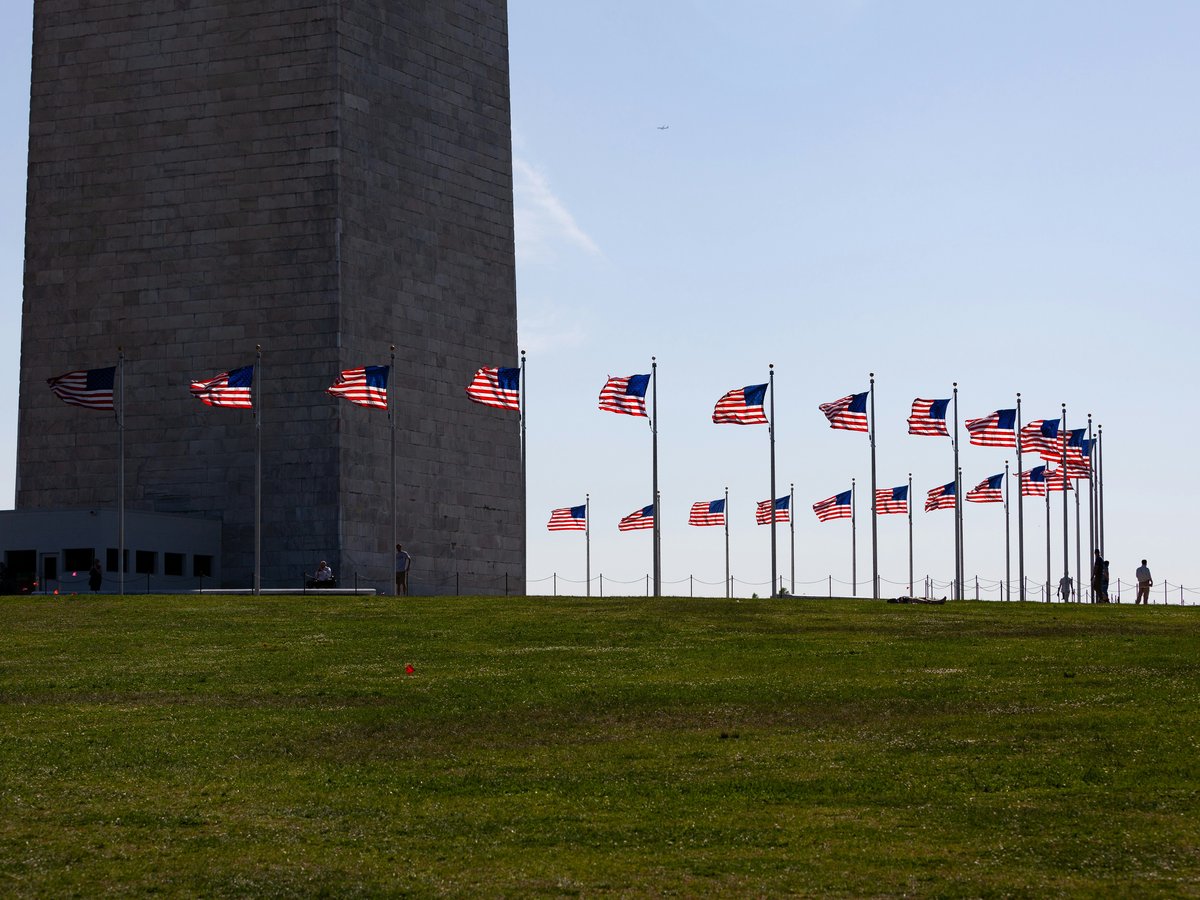
The universal US emergency number, 911, connects you to police, fire, and ambulance. DC's non-emergency line, 311, handles noise complaints and non-urgent reports. The Metropolitan Police maintain a visible bike patrol along the Mall, and you'll see uniformed officers near the Washington Monument, which has stood on the National Mall since 1848. Pharmacies like CVS on Connecticut Avenue NW stay open 24 hours. Single-occupancy hotel rates in DC tend to run $140-220 per night at midrange properties near Metro stations. Hostel private rooms start around $55-70 if you want the social lobby without the dormitory. Mind you, tipping adds 20% to every sit-down meal. A solo dinner in Penn Quarter runs $25-45 before tip and tax.
Emergency number: 911
Official travel advisories
Normal precautions the most cautious of 1 government assessment
- Government of CanadaLevel 1Take normal security precautions View advisory
Verified from the issuing governments' own feeds.
Areas to avoid
- Anacostia, east of Anacostia River, after dark
- Congress Heights (Southeast)
- Trinidad (Northeast)
- New York Avenue NE near the Greyhound station
- Benning Road corridor (Northeast) after dark
- Barry Farm (Southeast)
Common concerns
- Car break-ins near Mall parking areas and popular monuments
- Phone snatches on Metro platforms, especially Gallery Place-Chinatown after 9pm
- Aggressive panhandling near Union Station and Metro exits
- Protests blocking streets near the Capitol without warning
- August humidity making the 2.4 km Mall walk physically draining
- Quadrant confusion: same address in NW vs NE can mean vastly different neighborhoods
Last verified by automated review (v1.7.2) on . What is automated review?