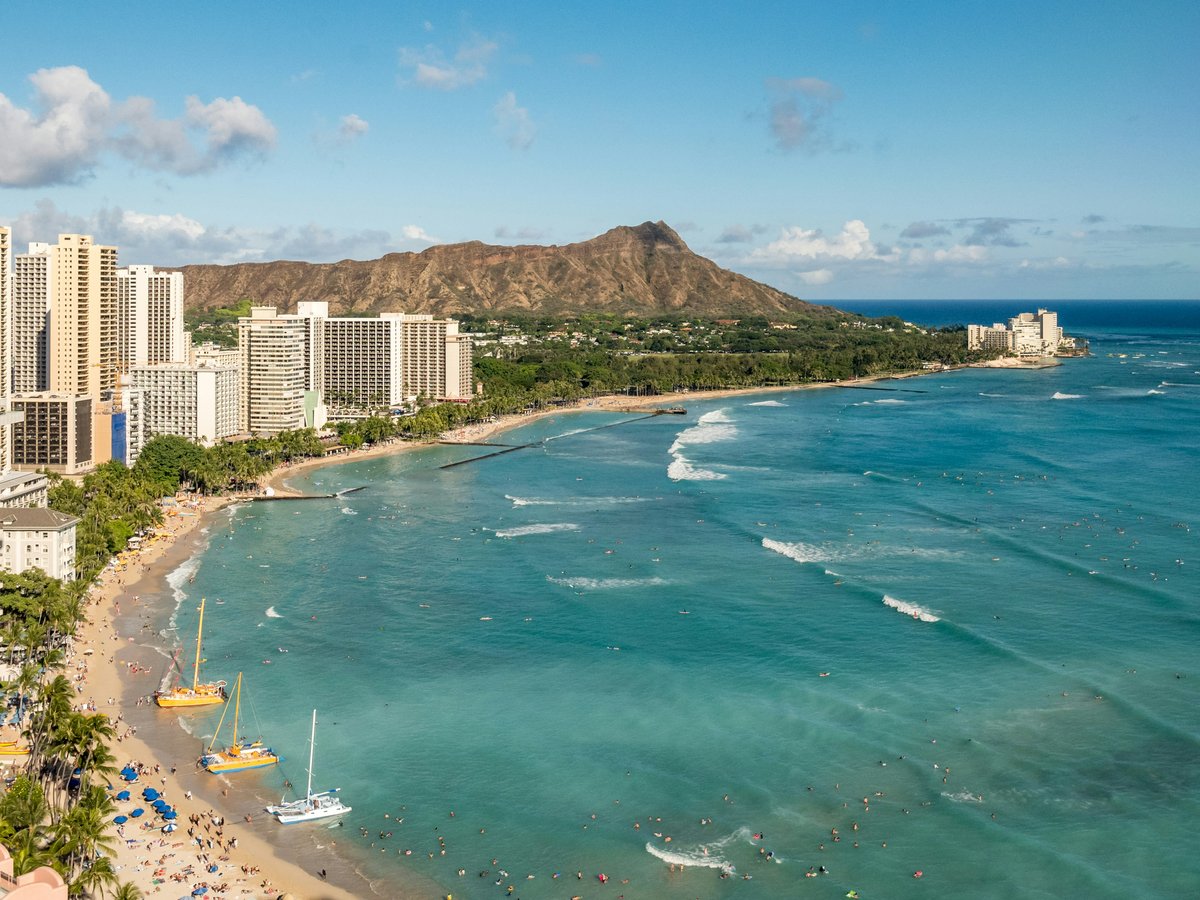
Honolulu sits on Oahu's southern shore, wedged between the Ko'olau range and a coastline running from the reef-protected waters of Waikiki to the container cranes of Honolulu Harbor, and this compression of city against volcanic ridge gives the place a physical intensity no mainland American city shares. The roughly 350,000 residents live somewhere shaped by successive arrivals: Native Hawaiian settlement, the sandalwood trade, the sugar plantation era that drew workers from Japan, China, the Philippines, and Portugal, the military buildup that followed Pearl Harbor in 1941, and each layer left its mark in the food, the architecture, the way people talk. A first morning here usually starts in Waikiki, where the 1901 Moana Surfrider still anchors a strip of hotels facing Diamond Head, the tuff cone crater locals use as a compass point rather than a tourist attraction. Walk twenty minutes northwest and you reach Ala Moana, where the beach park draws office workers at lunch and the shopping center operates as the city's de facto town square. Keep going into Kaka'ako and you hit converted warehouses, poke counters, and mixed-use development that signals a neighborhood mid-transition. Chinatown, a few blocks farther, is the oldest commercial district on the island, its lei stands and dim sum parlors sharing sidewalk space with galleries and wine bars. The rhythm of a visit splits between coast and interior: mornings on the water, afternoons driving up to Nu'uanu Pali Lookout or hiking the Manoa Falls trail where rainfall doubles compared to the beach two miles south. Dinner often means plate lunch: rice, macaroni salad, and a protein like kalua pork or chicken katsu, served on a divided tray at places that close by eight. Honolulu rewards the visitor who treats it as a working Pacific city rather than a backdrop for a beach vacation.
Honolulu in photos
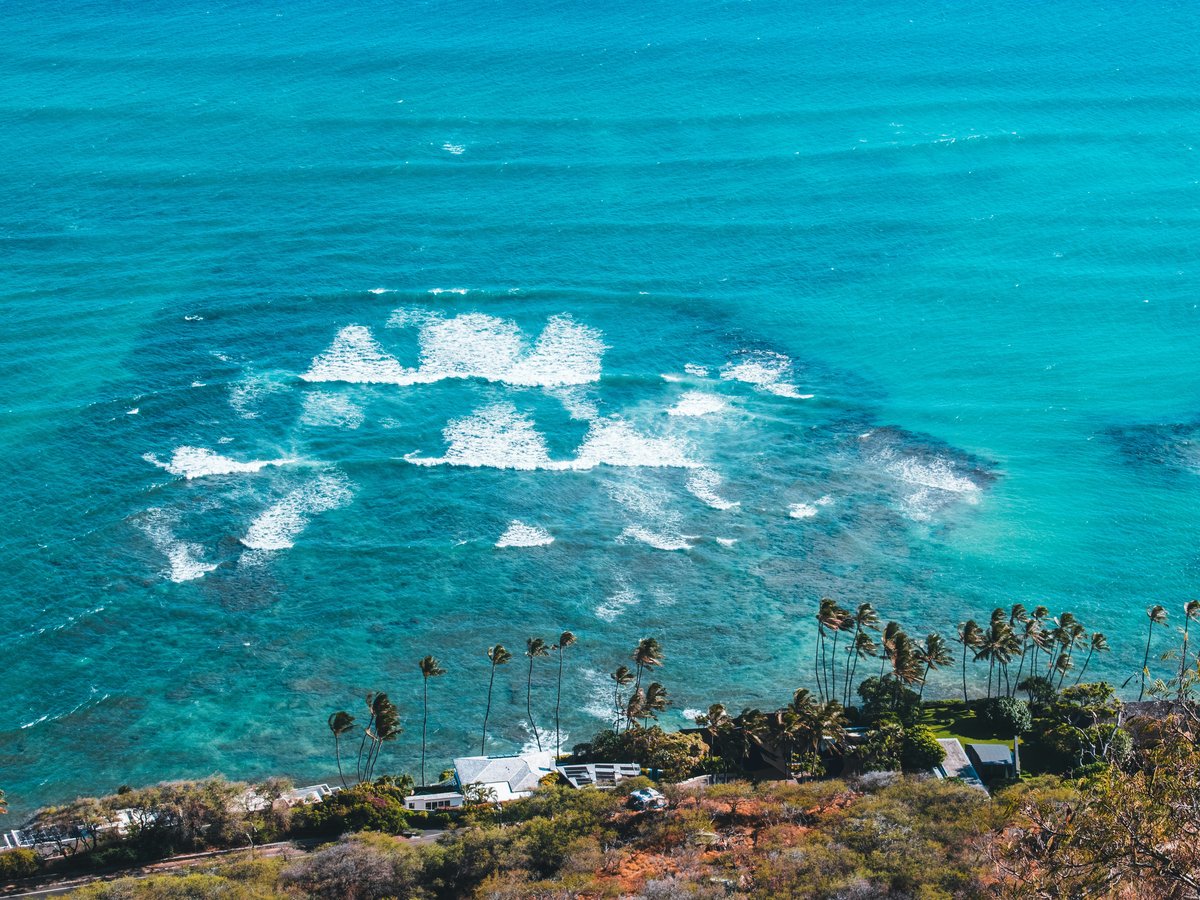
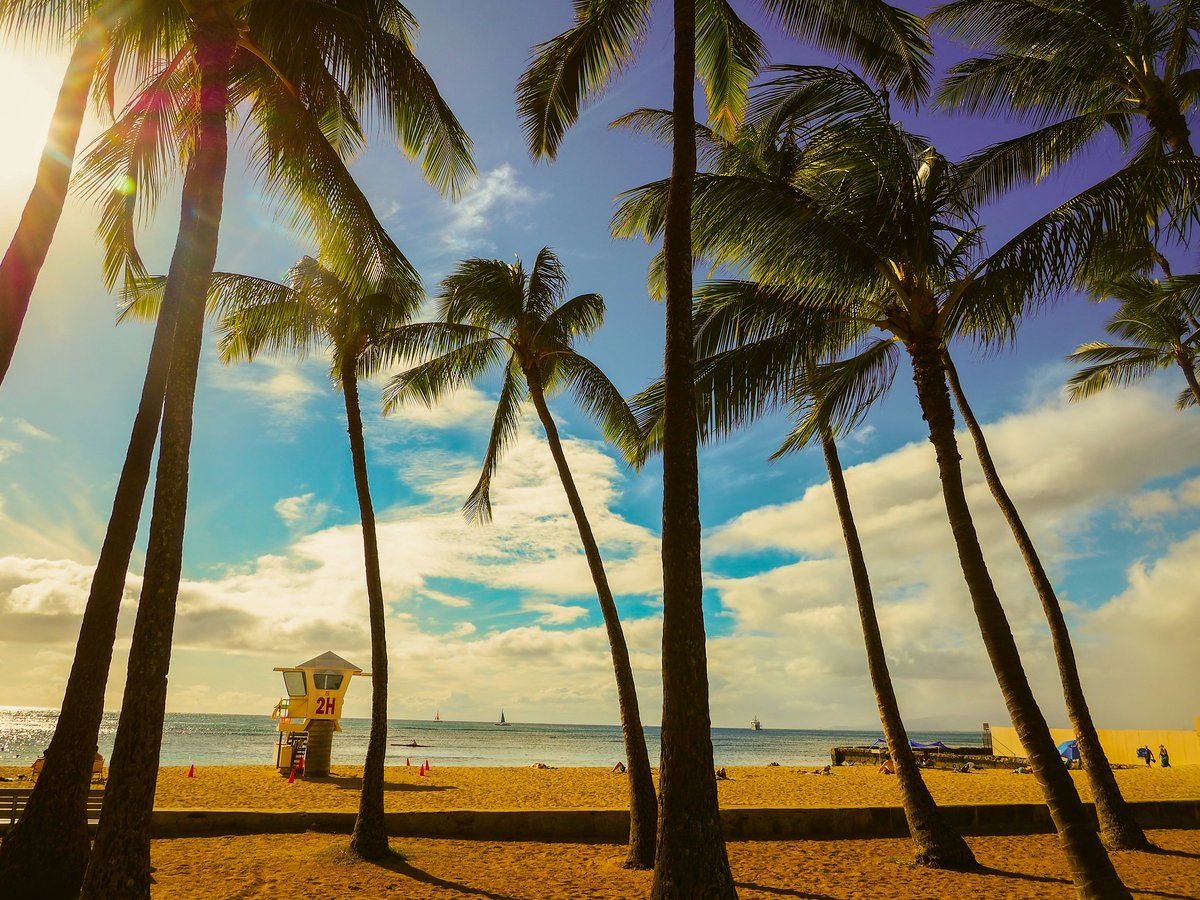
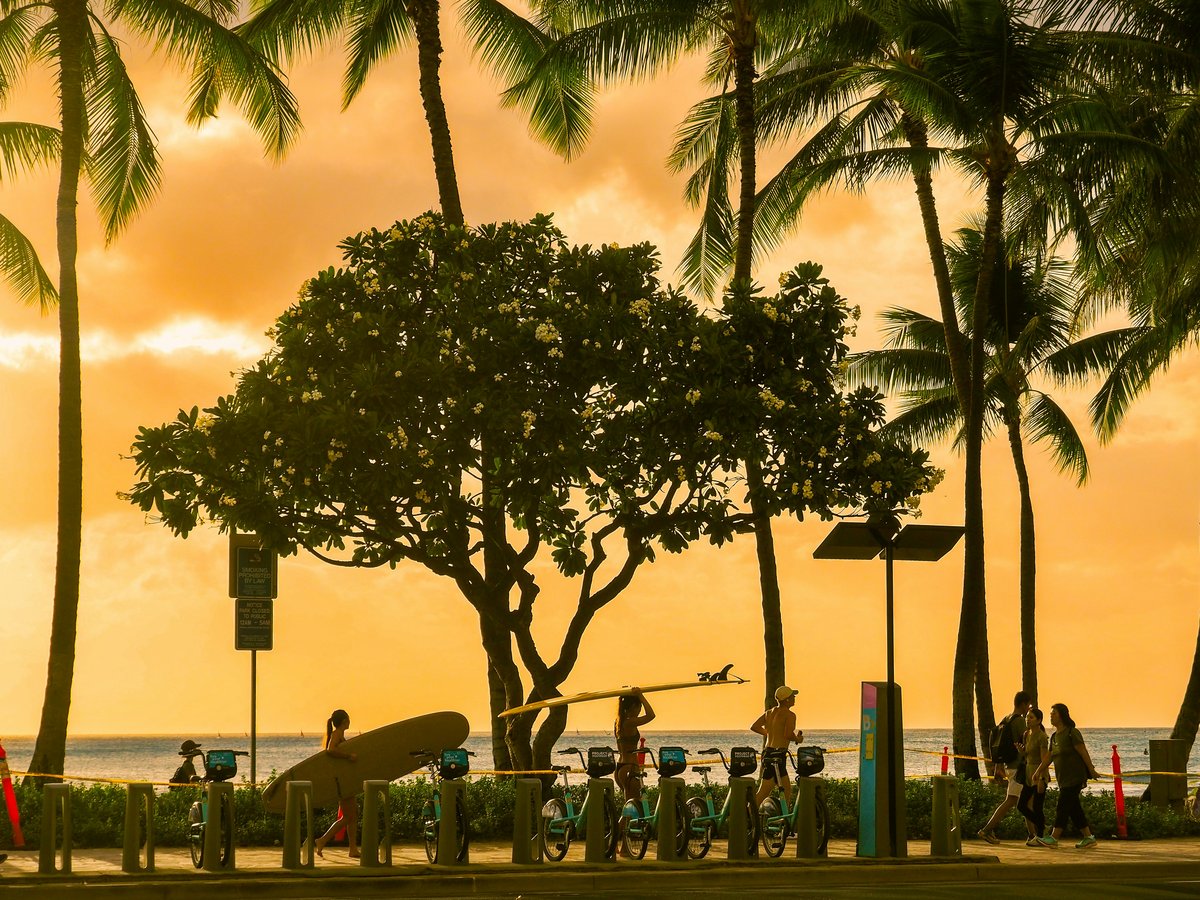
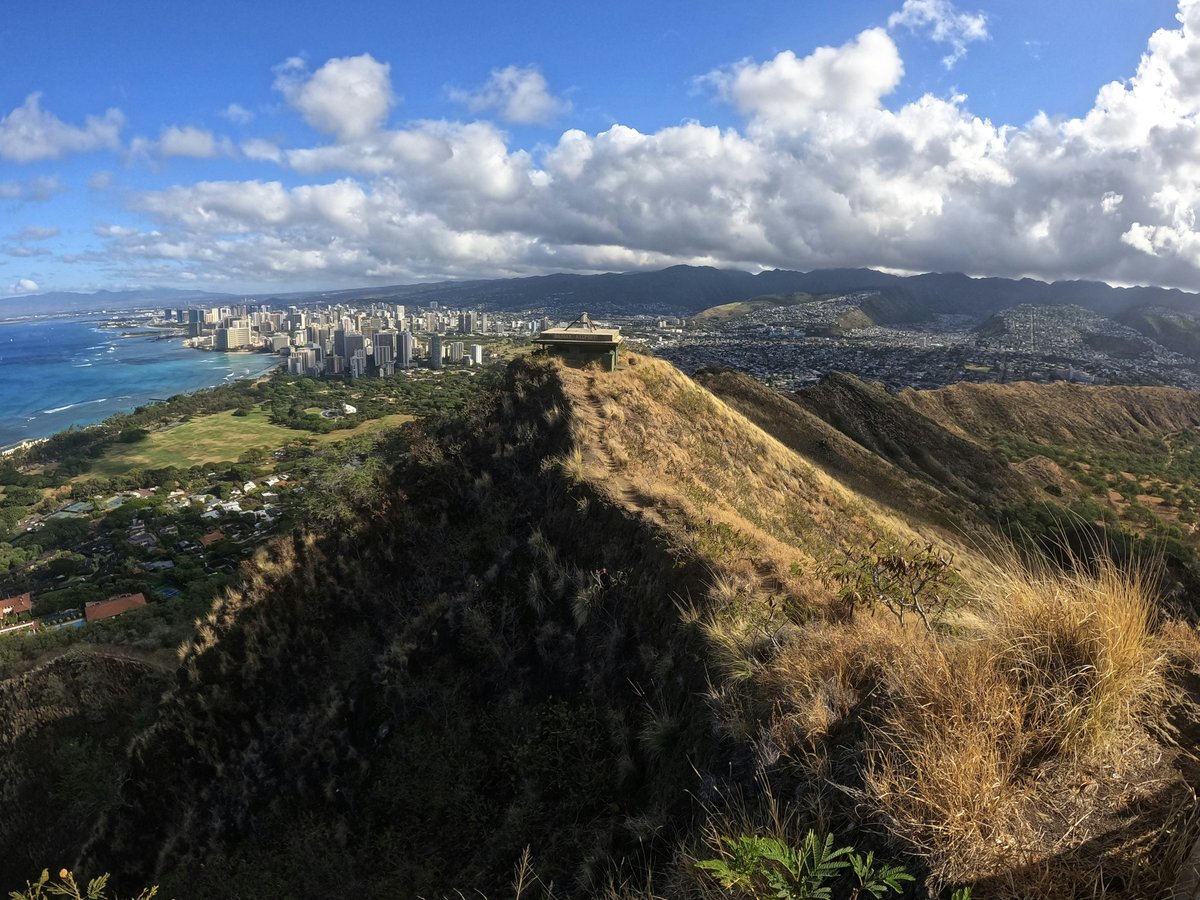
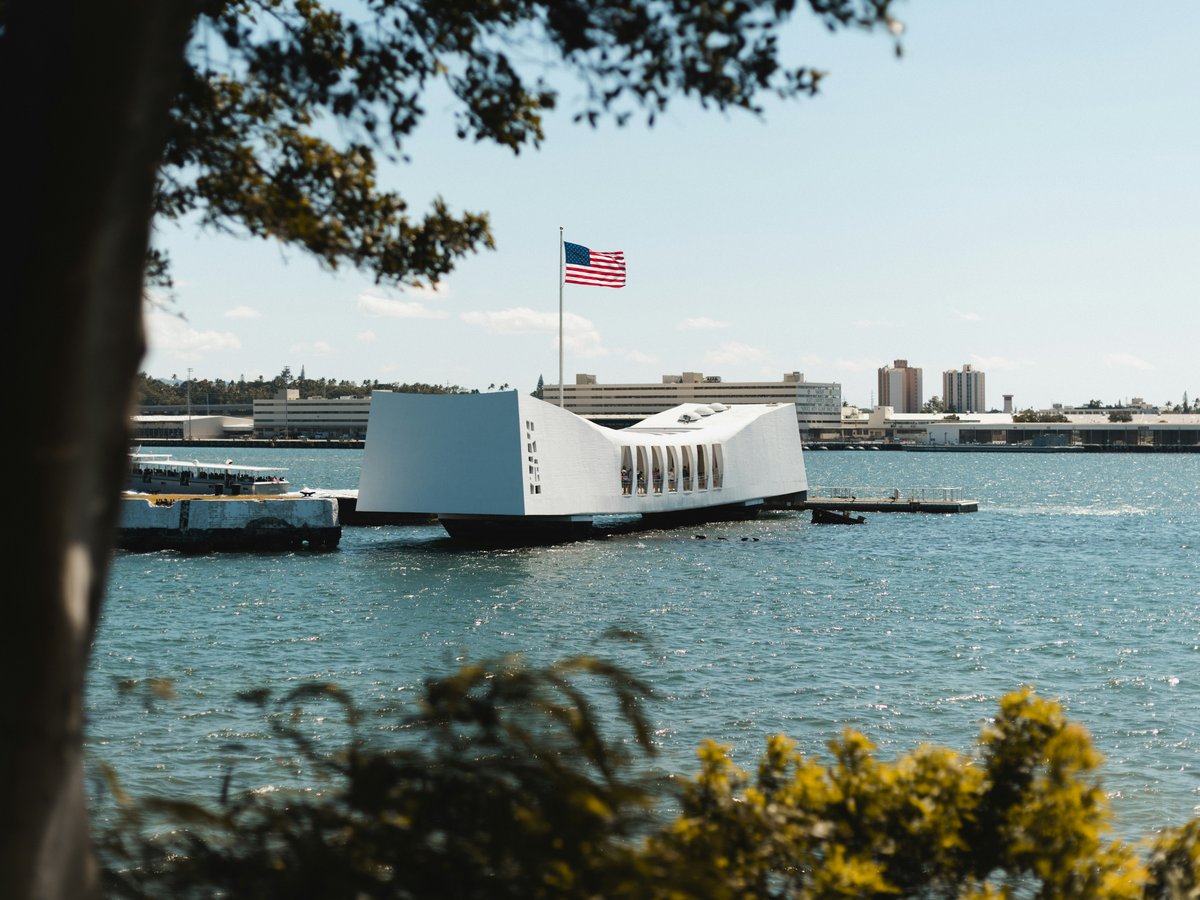
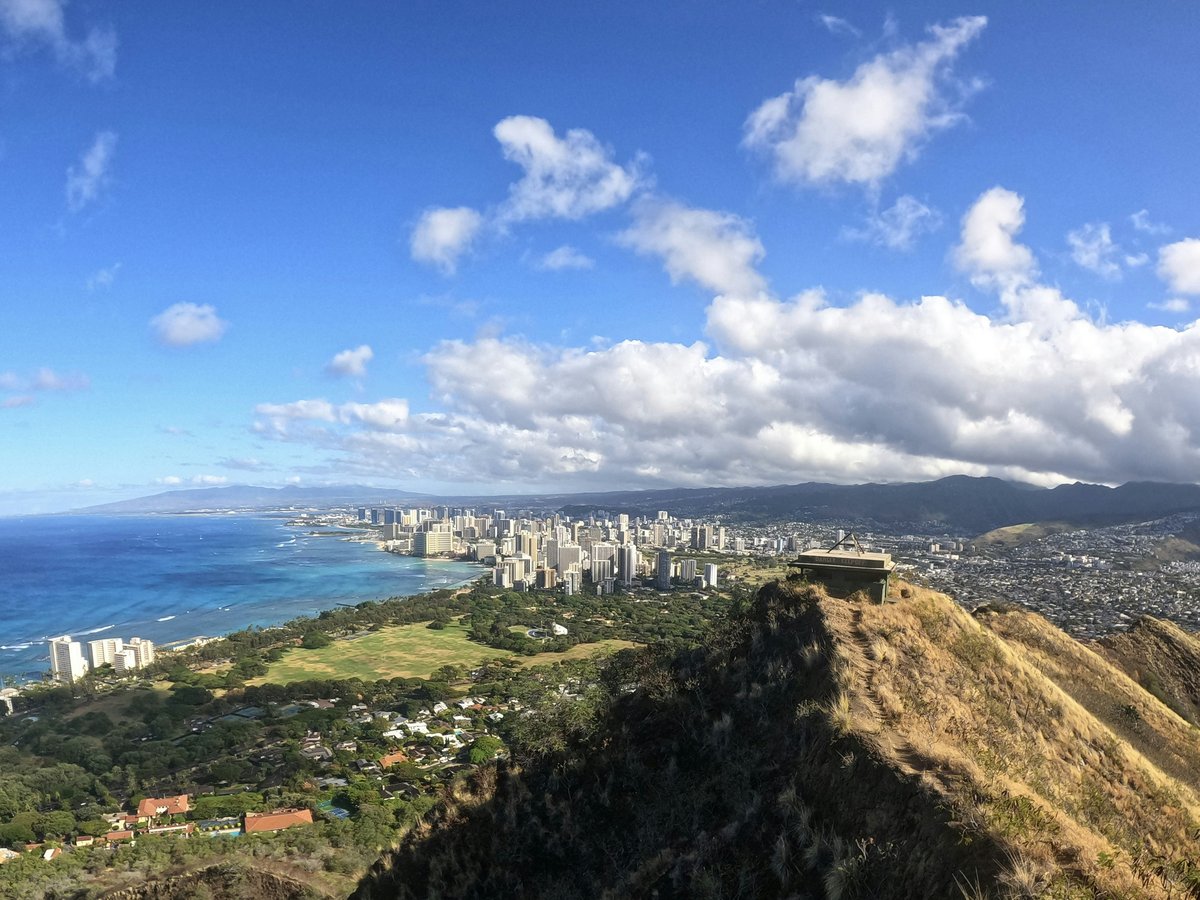
Honolulu right now
Answers about Honolulu
-
Airport to city
From Daniel K. Inouye International Airport (HNL), take an Uber or Lyft to Waikiki for $25-40, about 25 minutes without traffic. The pickup zone is on the ground level of the parking garage, not curbside. TheBus Route 19 or 20 runs to Waikiki for $3.00 but bans full-size luggage. Taxis from the median cost $40-55.
Read the full answer → -
Best time to visit
Mid-April to early June and September through October are the two windows we'd point you toward. Waikiki highs sit near 29°C on those dates, the trade winds keep the humidity in check, and hotel rates fall below what Honolulu charges at Christmas and in July. Winter delivers big North Shore surf and humpback whales, but it's also the wettest and most expensive season on Oʻahu.
Read the full answer → -
Cost per day
Honolulu runs $90/day at the floor, $200 midrange, $500+ luxury. A Waikiki hostel dorm costs $40-50/night before the 18% hotel tax most booking sites hide. Plate lunches at Rainbow Drive-In on Kapahulu Avenue run $10-12. TheBus day pass is $7.50 on a HOLO card. Diamond Head costs $5 to enter with a reservation.
Read the full answer → -
Cultural etiquette
Remove your shoes before entering any home in Honolulu, the single rule visitors break most. 'Hawaiian' refers to Native Hawaiian ethnicity, not anyone who lives in the state. The correct general term is 'local' or 'kamaʻāina.' Tipping follows standard US practice at 18-20%. A casual 'aloha' works as both hello and goodbye.
Read the full answer → -
Best day trips
North Shore's Haleiwa, 50 km from Waikiki, works as a full-day loop with Kamehameha Highway shrimp trucks and winter surf at Pipeline. Kailua's Lanikai Beach, 20 km east, is the quieter pick for couples. Kualoa Ranch runs film-location tours at $55 per person. Hanauma Bay requires a $25 reservation for its volcanic-crater reef.
Read the full answer → -
Digital nomads
Honolulu scores 4.2/10 for digital nomads (sourced from TTDI's editorial rubric). Fiber in Kakaʻako towers tends to run 300 to 1,000 Mbps; the trouble is that rent for a furnished studio runs $2,800 to $3,800, and UTC-10 puts you five or six hours behind New York. Budget roughly $5,200 a month and base yourself in Kakaʻako, Mōʻiliʻili or Kaimukī, not Waikīkī.
Read the full answer → -
Family-friendly
Honolulu scores 8.5/10 for family friendliness (see the TTDI Family-Friendliness Index). Waikiki's flat sidewalks handle strollers without trouble, the Honolulu Zoo and Waikiki Aquarium sit 10 minutes apart on foot in Kapiolani Park, and plate lunch counters solve picky-eater standoffs for under $12. Ocean currents are the main concern. Lifeguarded Waikiki Beach has a gentle sandy entry, but keep kids out of unguarded surf.
Read the full answer → -
Food culture
Honolulu's food culture runs on plate lunch, poke, and the layered traditions of plantation-era immigration from Japan, the Philippines, Korea, Portugal, and China. The best meals cost $8-15 at lunch counters in Kaimuki, Kapahulu, and Kalihi. Skip the $28 poke bowls on Waikiki's Kalakaua Avenue and drive 10 minutes east.
Read the full answer → -
Getting around
TheBus and a HOLO card handle most of Oahu for $3 per ride. Uber or Lyft fill the gaps, typically $25-35 from Daniel K. Inouye International Airport to Waikiki. The Skyline rail connects western suburbs to the Aloha Stadium area but doesn't reach Waikiki yet. Walking works within Waikiki's flat 2-mile grid. Skip the rental car unless you're heading to the North Shore.
Read the full answer → -
How to get there
Daniel K. Inouye International Airport (HNL), 15 km northwest of Waikiki, handles all commercial flights to Honolulu. Nonstop service runs 5-6 hours from the US West Coast on Hawaiian, United, Delta, Alaska, and American. From the East Coast, expect 10-11 hours nonstop or one-stop connections. Round-trip fares from the mainland typically run $350-900 depending on season and origin.
Read the full answer → -
Is it safe?
Honolulu scores 7.8 out of 10 for solo-traveler safety (see the TTDI Solo-Safety Index). Violent crime against tourists is rare in Waikiki and along the south shore. The risks that matter are car break-ins at trailheads like Diamond Head, strong ocean currents on unguarded beaches, and poor lighting in Chinatown and Kalihi after 10pm. Dial 911 for any emergency.
Read the full answer → -
Language basics
English is the primary language in Honolulu, but Hawaiian is co-official and its vocabulary fills daily life. Signs at Daniel K. Inouye International Airport say 'Aloha' and 'Mahalo.' Hotels call the balcony a lānai, menus list appetizers as pūpū, and directions use mauka (toward mountains) and makai (toward ocean). Hawaiian Pidgin is the informal third language. English proficiency in tourist zones is 9/10.
Read the full answer → -
Layover guide
Yes. Daniel K. Inouye International Airport sits about 9 miles from Waikīkī, roughly 25-30 minutes by rideshare at $25-35. Five hours or more between domestic flights gives you about 2 hours on the ground after round-trip transit and a 90-minute security buffer. Pearl Harbor is even closer to HNL. International travelers should add 30-45 minutes for CBP processing.
Read the full answer → -
LGBTQ-friendly
Honolulu rates 9/10 for LGBTQ friendliness. Hawaii legalized same-sex marriage in December 2013 and prohibits discrimination based on orientation and gender identity. The scene centers on Waikiki, where Hula's Bar and Lei Stand has anchored gay nightlife for decades. Same-sex couples walk Kalakaua Avenue without a second glance. Hawaiian culture's longstanding recognition of māhū deepens the acceptance beyond legal compliance.
Read the full answer → -
Where locals go
Honolulu residents spend Saturday mornings at the Kakaʻako Farmers Market, pick up weekday lunch at Tamashiro Market and Helena's Hawaiian Food in Kalihi, and walk out to Magic Island in Ala Moana Beach Park at sunset. On First Friday they head to Nuʻuanu Avenue in Chinatown. Dinner, most nights, means Kaimukī's Waiʻalae Avenue. Many of them work in Waikīkī, but very few go there to relax.
Read the full answer → -
Must-see
The USS Arizona Memorial at Pearl Harbor. The white structure floats above the sunken battleship's hull, and on still mornings you can see oil from 1941 still rising to the surface. Free entry, but timed tickets on recreation.gov sell out weeks ahead. Book 60 days before your trip.
Read the full answer → -
Solo travel
Honolulu is likely the best U.S. beach city to do alone. Waikiki's 2-mile beachfront strip stays walkable and well-lit past midnight, TheBus covers the island for $3 a ride, and plate-lunch counters mean you never need a dinner reservation. The main solo penalty is accommodation. Waikiki hotel rooms run $180-280 per night regardless of occupancy, though hostels on Seaside Avenue start at $85 for a private room.
Read the full answer → -
This week
This week in Honolulu brings Cirque du Soleil: Auana at the Outrigger Waikiki Beachcomber Hotel, Ali Wong at Neal S. Blaisdell Concert Hall, and the recurring Friday-night Hilton Hawaiian Village fireworks at 7:45pm. Saturday's KCC Farmers Market runs 7:30-11am. Trade winds keep temperatures near 24-30°C with brief afternoon showers over the Koʻolau range.
Read the full answer → -
3-day itinerary
Day 1 covers Waikīkī and Diamond Head on foot, with the trailhead by 6:30 AM before the crowds. Day 2 moves to downtown Honolulu for ʻIolani Palace, the Honolulu Museum of Art, and Chinatown. Day 3 drives west to Pearl Harbor for the USS Arizona Memorial, USS Missouri, and USS Bowfin. Book Pearl Harbor tickets at recreation.gov at least two weeks ahead. About 55 km total across three days.
Read the full answer → -
What to avoid
The Kalakaua Avenue booths selling Pearl Harbor trips are worth avoiding: USS Arizona Memorial tickets are free, with a $1 fee on Recreation.gov. Never arrive at Diamond Head or Hanauma Bay without a timed reservation. Skip a rental car while you stay in Waikiki, where hotel parking runs $40 to $60 a night. Stay out of the Ala Wai Canal and the Sandy Beach shorebreak.
Read the full answer → -
What to pack
Reef-safe sunscreen is non-negotiable. Hawaii banned oxybenzone and octinoxate formulas on January 1, 2021, and Waikiki shops charge $18-25 per bottle. Pack a rash guard for snorkeling at Hanauma Bay, water shoes for volcanic rock shorelines, and a light rain shell. Trade winds keep temperatures at 24-30°C, so leave heavy layers home.
Read the full answer → -
Where to stay
Mid-Waikiki between Lewers Street and the Royal Hawaiian Center for a first visit. You're 3 blocks from the beach, on the doorstep of TheBus to Ala Moana for $3, and within walking distance of Marukame Udon's $7 noodles. Budget $180-300 per night. Kaimuki if you've been before and want neighborhood life over sand.
Read the full answer →
Deep guides for Honolulu
-
Honolulu With Kids: What Works
Honolulu scores 8.5 for families, which measures sidewalks and bus routes, not whether Diamond Head will make your toddler cry. This is the itinerary shape that survives small children, the marquee sight that is a meltdown trap, and the under-rated attraction that saves the day.
Read the guide → -
Best Time to Visit Honolulu, by Season
Honolulu's annual temperature range spans 4.1 degrees. That narrow window, from February's 25.3°C to August's 29.4°C, determines everything from hotel pricing to beach density. A month-by-month projection from 5 years of daily observations, with the single best window named for every kind of traveler.
Read the guide →
Curated lists for Honolulu
accommodation
-
Best boutique hotels
Honolulu's hotel inventory clusters along a narrow coastal strip, and the decision that matters most is not which hotel to book but which section of that strip to sleep in. Waikiki's eastern end, near Diamond Head and Kapi'olani Park, trades crowd noise for morning quiet. Its center, along Kalakaua Avenue, delivers the postcard beach and the bar traffic that comes with it. The western edge, around the yacht harbor and the Hilton compound, spreads into resort campuses with their own lagoons and pools. Beyond Waikiki, the options thin out fast. Downtown Honolulu offers business-district suites and Chinatown dinners but no sand. The Ala Moana corridor sits between the two, anchored by the state's biggest mall and a beach park that locals prefer to Waikiki's crowded shore. West of the airport, the hotels are layover beds and nothing more: cheap, functional, and far from anything a visitor came to see. Nightly rates across these neighborhoods run from $106 near the terminal to $198 on the harbor, and the rating spread from 7.4 to 9.1 reflects the gap between a clean room for a connection and a property worth building a trip around. The neighborhood sets the ceiling on the stay; no room upgrade fixes the wrong location.
See the picks → -
Best luxury hotels
Honolulu's luxury hotels line a coastal strip from the Ala Moana district through Waikiki and into the quieter reach near Queen Kapi'olani Beach. The properties span a wide range: spa-centered towers set inland from the shore, beachfront resorts with private sand and water-sport desks, and high-rise residences where the ocean view and the bar are the draw. What separates a forgettable stay from one that earns the airfare is usually the zone you choose and whether the property justifies its nightly rate with something specific, not just a renovated lobby and a pool. The 12 hotels below are ranked by editorial judgment, each grounded in verified facts: address, zone, guest rating, nightly rate, and the particular amenity or positioning that sets the property apart from its neighbors on the strip. This list is for the traveler deciding between these specific addresses, not browsing for island inspiration.
See the picks → -
Where to stay
Honolulu runs along O'ahu's south shore between the Ko'olau ridgeline and the reef, and where you sleep shapes the trip more than what you book. The dense hotel corridor of Waikiki stretches from the Ala Wai Canal toward Diamond Head, packing most of the island's visitor beds into a compact grid along Kalakaua and Kuhio Avenues. Step outside that grid and the character shifts fast: Downtown trades beach sand for government plazas and lunch counters, Ko'Olina sits west along the H-1 in a gated lagoon complex, and the airport belt caters to transit overnights, not vacations. Nightly rates swing from $27 hostel bunks near Kapi'olani Park to $3,002 penthouse suites on Kalakaua Avenue. The neighborhoods below sort by hotel density, heaviest first, so the areas with the widest tier spread come up top.
See the picks →
attractions
-
Best free attractions
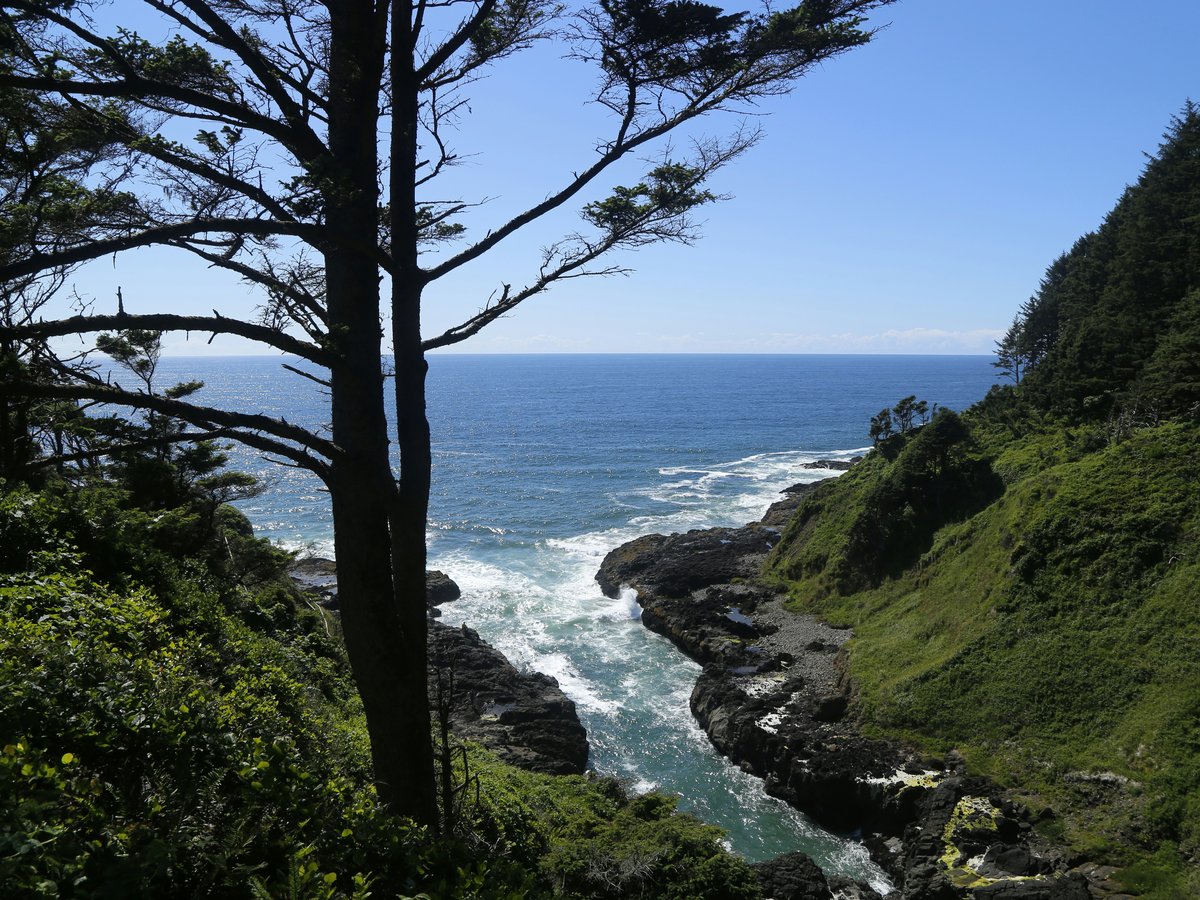
Honolulu's best free hours are spent outdoors, and this list is for the visitor who would rather walk a garden path than queue for a ticketed show. Eleven green spaces follow, running from a botanical garden dating from 1853 to a marsh listed as a Ramsar site, with the list opening on a regional park that is open from 05:00 to 24:00. Five are gardens, each with its own temperament, and their addresses range from North Vineyard Boulevard out to Luluku Road in Kaneohe. The parks make up the rest: beach, marsh, and state land. Admission rules and hours change, so check each place's current policy before you set out; where opening times are recorded, they appear below. This list is for early risers, slow walkers, families stretching a budget, and anyone who has had enough of the hotel pool and wants the island on its own terms.
See the picks → -
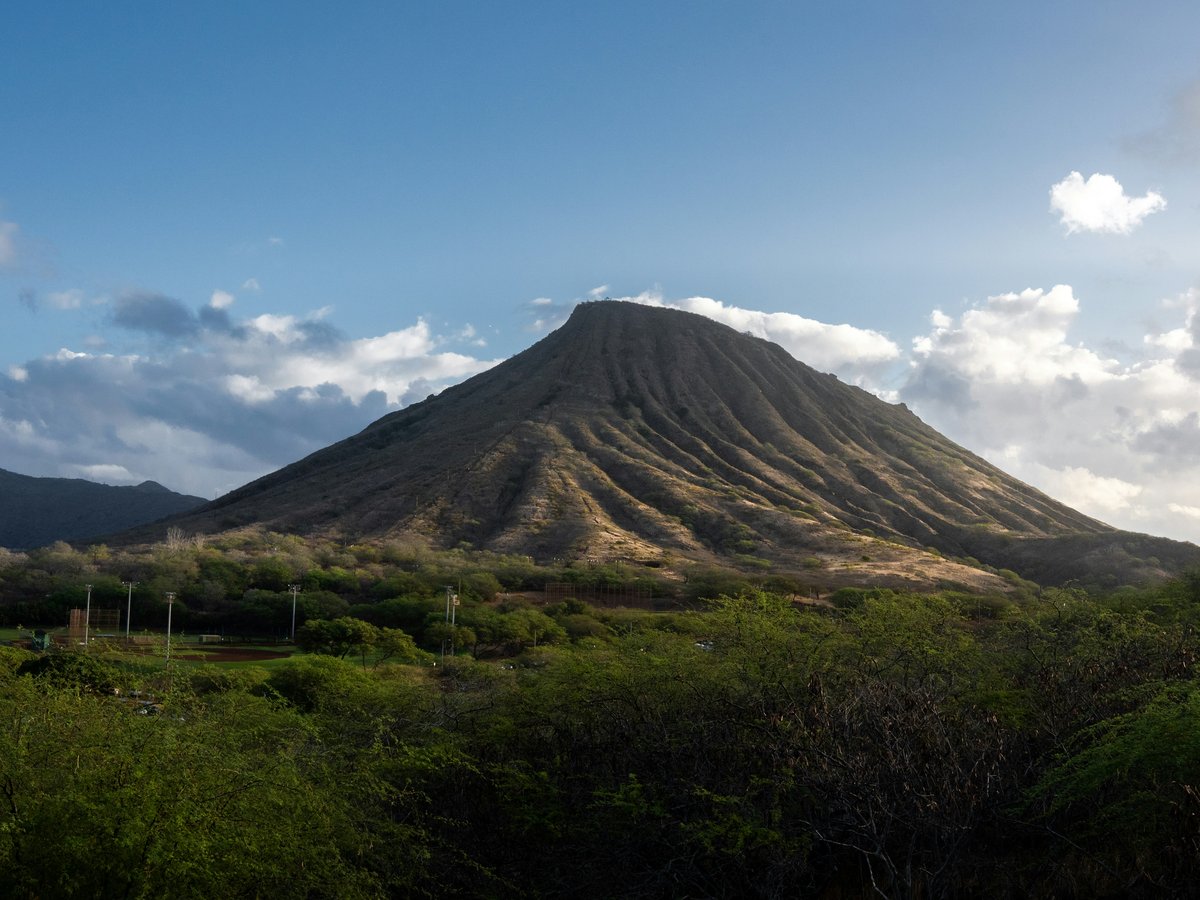
Best museums
Honolulu's museum map is unusually wide for a city its size, and the reader who plans it well can move in a single week from an Islamic-style villa on the shore to a battleship deck where a world war ended. The island's institutions fall into three categories: art houses that take the Pacific seriously, Pearl Harbor sites that treat the 1941 attack as living memory rather than backdrop, and small campus and civic collections that reward a slower afternoon. The list below is ranked for a visitor with a week, not an hour. It leads with the encyclopedic art museum on Beretania Street, moves through the harbor's memorial fleet, and closes on the outliers: an Islamic mansion above the surf at Papu Circle and a working railway west of town. Read it as a sequence: pair one Pearl Harbor site with one art museum per day, and you will leave with a picture of Honolulu that the beach alone will not give you.
See the picks → -
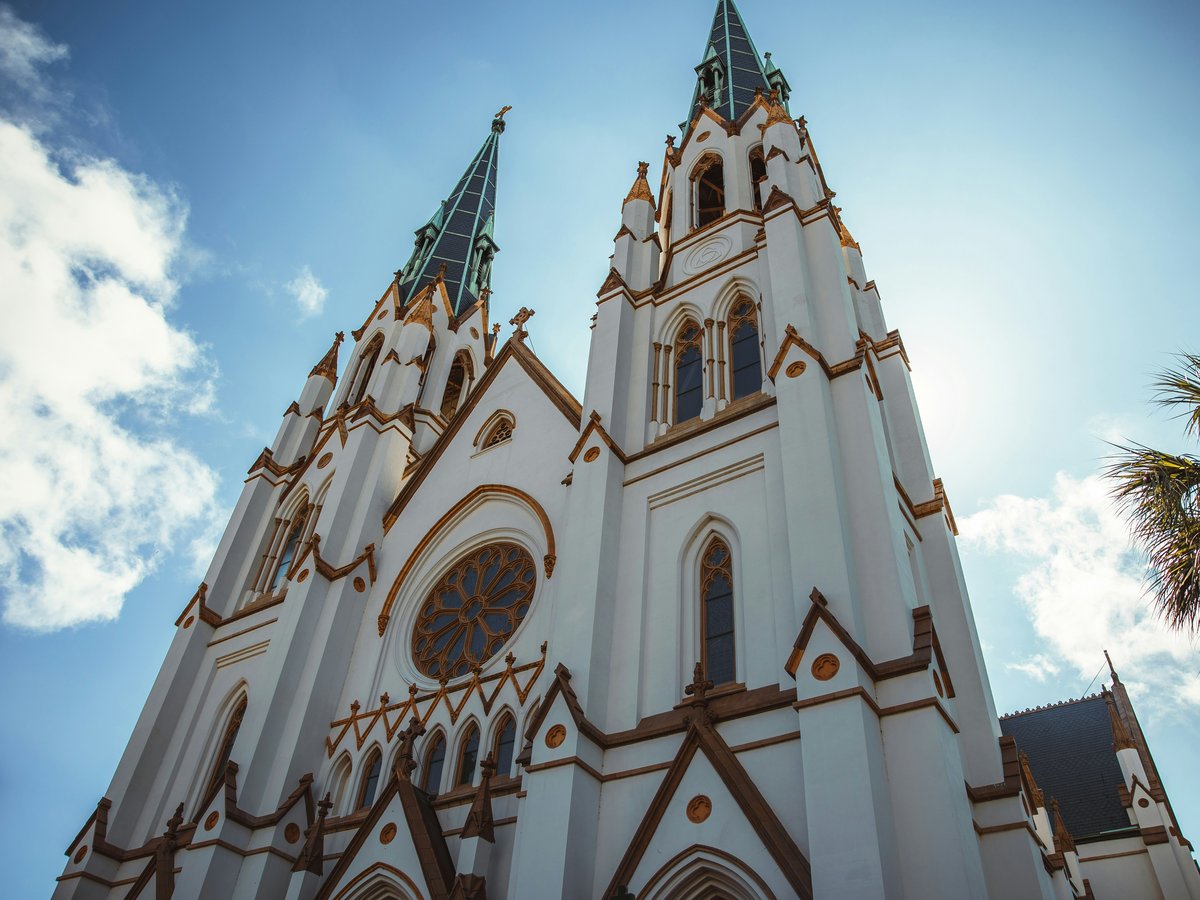
Must-see attractions
Honolulu's must-see list is mostly made of history: a royal city, a war harbour, and a volcano. The ʻIolani Palace dates from 1879 and served as royal residence and capitol building; Washington Place is a Greek Revival palace in the Hawaii Capital Historic District; and the Cathedral Basilica of Our Lady of Peace dates from 1843. Out at the water, the USS Missouri is a 1944 Iowa-class battleship, and the USS Arizona Memorial honors the soldiers killed on that ship during the attack on Pearl Harbor. Over all of it stands Diamond Head, a volcanic tuff cone and state monument on the southeast edge of Waikīkī. This list is for travellers who want to understand where they are, not just to lie on the sand in front of it. Most of these places are listed on the National Register of Historic Places or named National Historic Landmarks, so they ask for some attention and some respect. Check opening days before you plan anything: the palace, for one, keeps Tuesday to Saturday hours. We'd group the downtown churches and palaces into one unhurried walk and give the harbour memorials a day of their own.
See the picks →
food
-
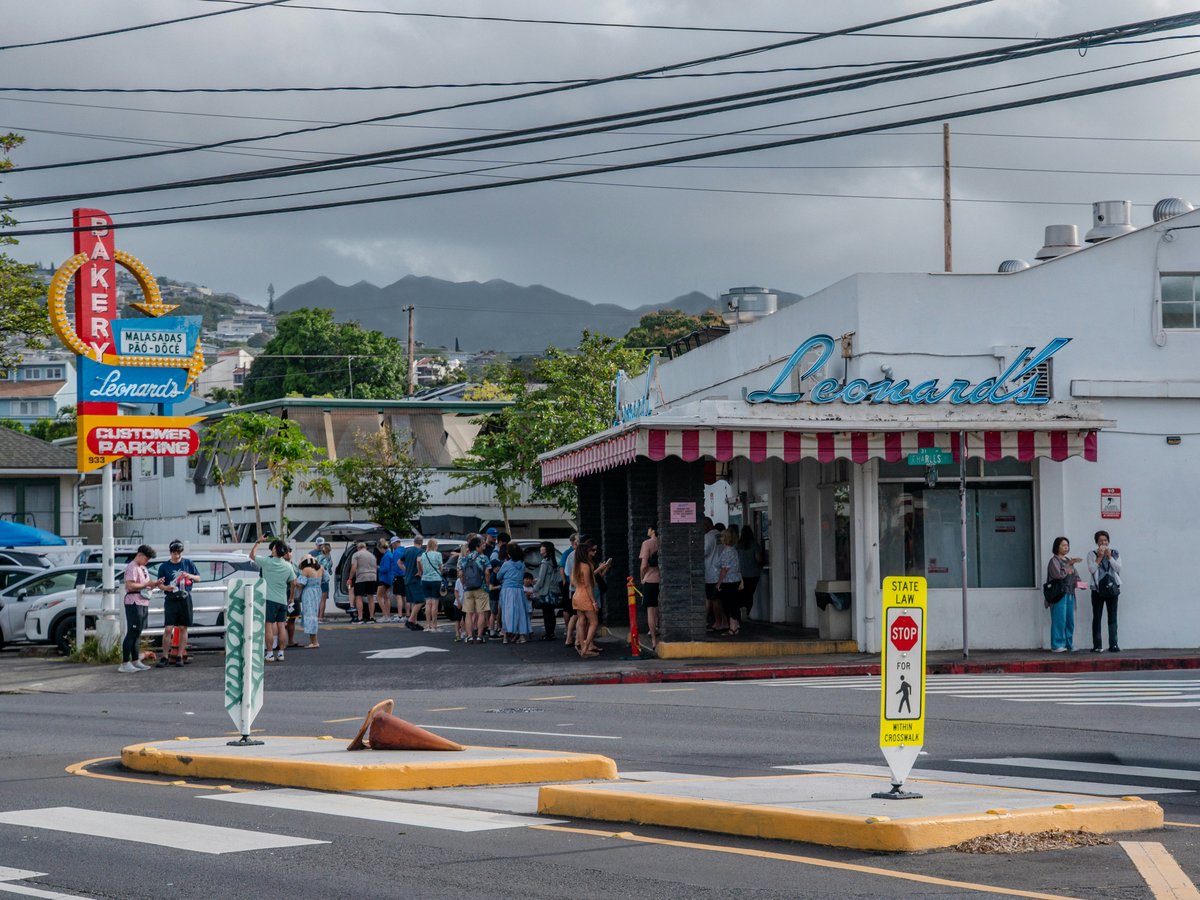
Best cafes
Honolulu's cafe map is not one thing. It runs from a downtown storefront on Fort Street Mall that opens at 07:00 for the office crowd, out through the Kaka'ako blocks where sushi counters and bubble-tea rooms have quietly taken over the coffee-shop slot, across Ala Moana's mall-anchored espresso bars, and finally into Waikiki, where the biggest coffee chains keep their doors open until 23:00 for a beach town that never really closes. This list is for the reader who wants to drink something worth drinking in each of those zones rather than defaulting to the nearest lobby counter. It leans local where local is stronger (Kaka'ako, South King, Kapiolani) and only uses Waikiki addresses where the room earns the stop. Hours, streets and phone numbers are pulled from OpenStreetMap and each cafe's own website; if a detail is not cited, it is not in this guide.
See the picks → -
Best restaurants
Honolulu eats the way a port city eats: on a plate that has been passed between islands, empires, and plantation shifts for longer than the state has existed. The dozen rooms below are not a best-of. They are the working spine of a downtown-to-Ala-Moana eating stretch: a ramen bar on South Beretania, a dim sum room on North Beretania, a tasting-menu Hawaiian kitchen on Kapiolani Boulevard, a saimin counter out on Nimitz Highway, and a cluster of small owner-run kitchens threaded through the Keeaumoku and Auahi blocks. Cuisines cross the map (Japanese, Chinese, Italian, Peruvian, Cajun, Middle Eastern, Hawaiian) because that is what Honolulu's dining room looks like on a Tuesday night, not what a visitor guide flattens it into. They are chosen for the reader who has three or four dinners in town and wants each one to do a different job: a bowl of noodles at the counter, a lacquered pork platter, a considered kitchen with a wine list, a beach-day breakfast. Every address, phone number, and service hour below is drawn from the mapped record; the opinions between them are ours.
See the picks →
Browse by traveler type
- For foodies
Honolulu for foodies
- For families with kids
Honolulu for families
- For digital nomads
Honolulu for digital nomads
- For couples
Honolulu for couples
- For budget travelers
Honolulu on a budget
- For luxury travelers
Honolulu for luxury travelers
- For first-timers
Honolulu for first-time visitors
Book experiences in Honolulu
 Free cancellation
 Oahu: Full or Half Day Grand Circle Island Tour
Day trip: free cancellation.
via Viator Free cancellation
 Oahu Majestic Circle Island Tour with Waimea Falls and Byodo Inn
Outdoor experience: 9 hours, free cancellation.
via Viator Free cancellation
 Pearl Harbor Remembered Tour
Day trip: 7 hours, free cancellation.
via Viator Free cancellation
 Pearl Harbor USS Arizona Memorial Tour from Waikiki
Day trip: 4 hours, free cancellation.
via Viator Free cancellation
 Oahu Circle Island Snorkeling Tour: Dole, Pali Lookout & More
Outdoor experience: free cancellation.
via Viator Free cancellation
 Oahu Small-Group Circle Island Tour with Turtle Snorkeling
Outdoor experience: 8 hours, free cancellation.
via Viator Free cancellation
 Pearl Harbor, USS Arizona Memorial & Honolulu Deluxe Coach Tour
Day trip: free cancellation.
via Viator Free cancellation
 Oahu: Mauka Warriors Luau Honoring Polynesia's Forgotten History
Day trip: 4 hours, free cancellation.
via Viator Free cancellation
 Oahu: North Shore Tour with Waimea Waterfall
Outdoor experience: 8 hours, free cancellation.
via Viator Free cancellation
 Voted Honolulu's #1 Beginner Scuba Diving + Free Videos Tour
Day trip: 1.5 hours, free cancellation.
via Viator Free cancellation
 Pearl Harbor USS Arizona Memorial & Battleship Missouri
Day trip: free cancellation.
via Viator Free cancellation
 Oahu Grand Circle Island Experience from Waikiki
Day trip: free cancellation.
via ViatorBrowse by interest
Find a flight to Honolulu
Live fares to Honolulu appear here once cookies are accepted.
Last verified by automated review (v1.7.2) on . What is automated review?