Is Honolulu good for digital nomads in 2026?
Honolulu scores 4.2/10 for digital nomads (sourced from TTDI's editorial rubric). Fiber in Kakaʻako towers tends to run 300 to 1,000 Mbps; the trouble is that rent for a furnished studio runs $2,800 to $3,800, and UTC-10 puts you five or six hours behind New York. Budget roughly $5,200 a month and base yourself in Kakaʻako, Mōʻiliʻili or Kaimukī, not Waikīkī.
The low score comes from three things, and wifi is the smallest of them. Hawaiian Telcom Fiber and Spectrum both sell gigabit plans on Oʻahu, and most newer towers in Kakaʻako and Ward Village are wired for it. Older Makiki walk-ups are a different story: their shared building routers can dip under 25 Mbps at 8 pm, when every unit is streaming. Before you pay a deposit, ask the host for a speed test screenshot taken that week, with the router name visible. Rent and the clock are the bigger problems: Honolulu runs on Hawaii-Aleutian Standard Time, UTC-10, with no daylight saving, so a 9 am standup in New York lands at 3 am in summer and 4 am in winter. London clients barely overlap at all, but teams in Tokyo or Sydney fit the Honolulu day far better.
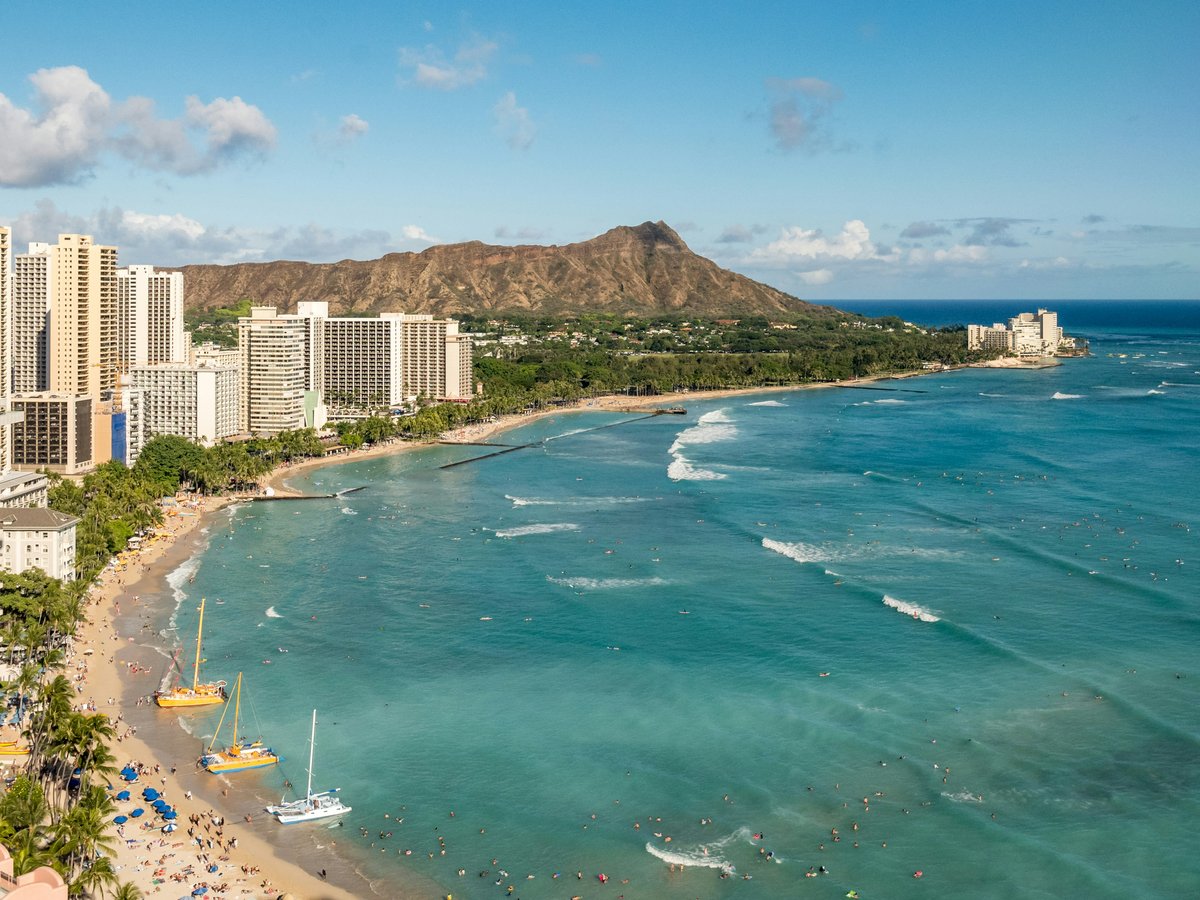
Waikīkī works for a long weekend and badly for a month. It sits in the resort zone, where stays under 30 days are legal, so listings there are priced by the night; the ABC Stores on Kalākaua Avenue mark up a carton of eggs, and the bar noise at 11 pm carries through thin lanai doors. Outside the resort zones, Honolulu's minimum legal rental is currently 30 days, so a 14-night listing in Mānoa is likely illegal and can vanish mid-stay. Kakaʻako is the easiest month. Whole Foods on Queen Street, the Saturday morning Kakaʻako Farmers Market at Ward, and in-unit laundry are normal there, and at dawn the breeze off Kewalo Basin smells of salt and boat diesel. Mōʻiliʻili and McCully, near the University of Hawaiʻi at Mānoa, tend to run $400 to $700 a month cheaper, with coin laundromats, late-night saimin, and Don Quijote on Kaheka Street a short bus hop away. Kaimukī is the quiet pick, with cafes along Waiʻalae Avenue and the roosters starting at 5 am.
Impact Hub Honolulu in Kakaʻako is the default desk: its members are local founders rather than passing tourists, and its monthly plans are priced for residents, so part-time access tends to cost more than $200. Entrepreneurs Sandbox on Ilalo Street, run by the Hawaii Technology Development Corporation, is quieter and keeps business hours. The free option is the Hawaii State Library on King Street, a few minutes on foot from ʻIolani Palace, where the wifi handles email but struggles with video calls and the reading room's air conditioning runs cold enough that a hoodie in your bag pays off by 2 pm. Cafes are the weak link in Honolulu. Arvo at SALT in Kakaʻako is small and bright, and by 10 am it's loud with espresso grinders. Kaimukī coffee shops have few outlets and fill with the post-surf crowd on Saturdays. Plan on two hours and one iced coffee per cafe visit.
Here is roughly where the monthly figure above goes. Rent takes about $3,200 and groceries run around $650, because a gallon of milk can top $7 at Foodland. A coworking desk costs about $250, and a TheBus monthly pass costs $80. Eating out and a US phone plan cover most of the rest. Skip the rental car: parking in a Kakaʻako tower can add $150 to $250 a month. For a morning off, the Diamond Head summit trail requires a timed reservation for out-of-state visitors, and the 6 am slot beats the heat and the tour vans.
Composite of cafe + coworking download speeds and reliability.
Apartment, coworking membership, food, and transit at a comfortable level.
Coworking spaces
- Impact Hub Honolulu
- Entrepreneurs Sandbox
Visa options
The US has no digital nomad visa. Visa Waiver Program travelers get 90 days on an ESTA, which costs about $40 and cannot be extended, and side trips to Canada, Mexico or the Caribbean do not reset the 90 days. A B-2 visitor visa allows up to six months per entry, at the border officer's discretion. Neither lets you work for a US employer. Remote work for a foreign employer is a legal gray zone, so carry proof of onward travel and of funds.
Last verified by automated review (v1.7.2) on . What is automated review?