Where do locals actually go in Honolulu?
Honolulu residents spend Saturday mornings at the Kakaʻako Farmers Market, pick up weekday lunch at Tamashiro Market and Helena's Hawaiian Food in Kalihi, and walk out to Magic Island in Ala Moana Beach Park at sunset. On First Friday they head to Nuʻuanu Avenue in Chinatown. Dinner, most nights, means Kaimukī's Waiʻalae Avenue. Many of them work in Waikīkī, but very few go there to relax.
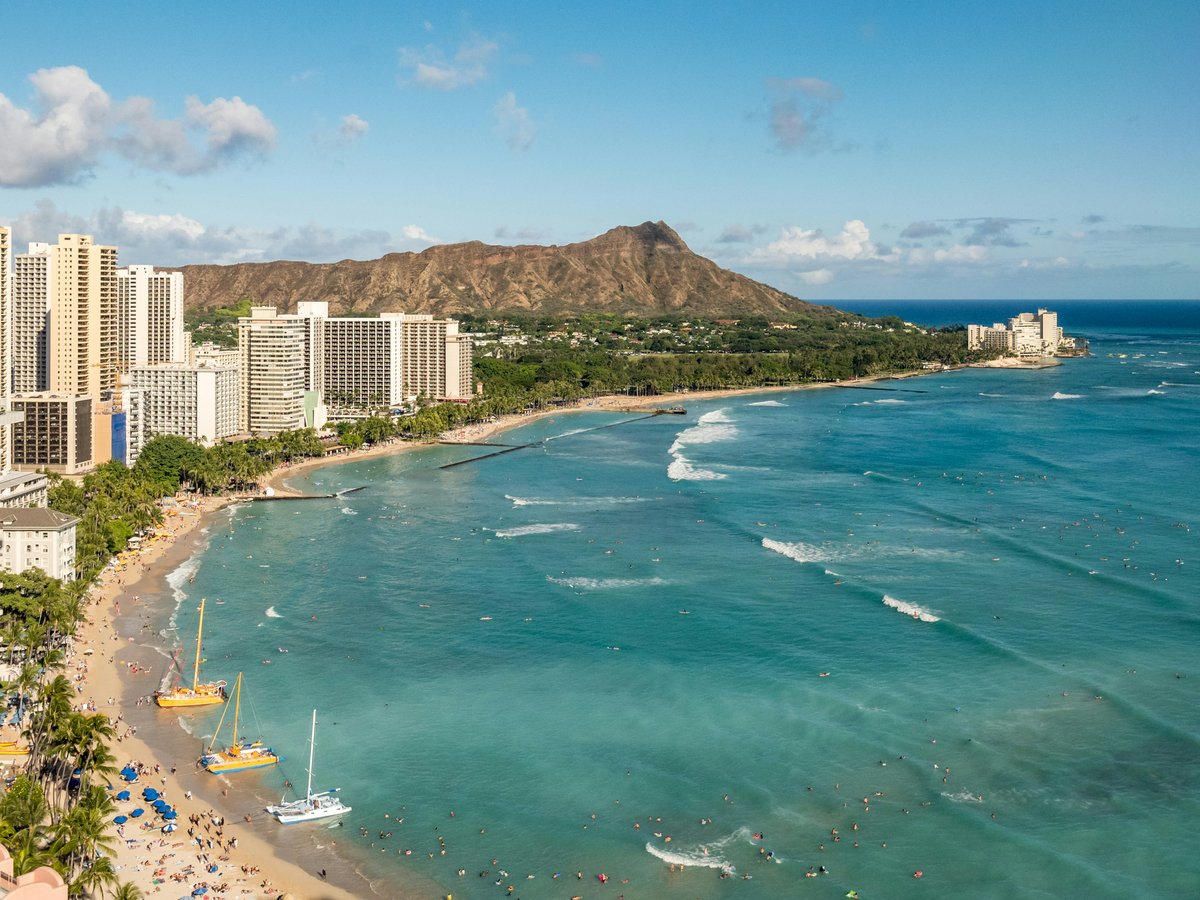
Most of Honolulu lives mauka of the H-1 freeway, and a resident's weekend rarely touches Kalākaua Avenue. Waikīkī holds the bulk of Oʻahu's hotel rooms, so a month booked there buys beach access and very little neighbourhood life. Kaimukī is the better base: it sits about 3 miles inland on Waiʻalae Avenue, below the inland side of Diamond Head. Koko Head Cafe on 12th Avenue draws a queue of Kaimukī families before 9am on Sundays, the smell of its cornflake French toast reaching the sidewalk. After 7pm on Fridays, Waiʻalae Avenue between 10th and 12th Avenue gets loud as couples and grandparents move between small dining rooms. The trade-off is housing. Kaimukī has far fewer short-stay listings than Waikīkī, and Honolulu restricts short-term rentals outside the Waikīkī resort zone. The minimum stay there has shifted through years of court fights, so ask a Kaimukī host for the permit number before paying a deposit.
Kalihi is where Honolulu's working residents eat weekday lunch. Tamashiro Market on North King Street is the pink building with live crabs in tanks and a poke case that smells of shoyu, sesame oil and cold seawater. Poke sells by the pound, and most Kalihi buyers eat it in their cars on King Street. Helena's Hawaiian Food on North School Street serves pipikaula short ribs and squid lūʻau, has kept Tuesday-to-Friday hours for years, and pulls office workers from Downtown into a queue by 11:30am. Nearer the harbour, Oʻahu Market at King and Kekaulike Streets opens around 6am, and by 8am the concrete floor is slick with melted ice while aunties pick through ahi and bitter melon. To be fair, Chinatown's side streets around River Street empty after dark and have visible homelessness. We'd go on the first Friday of the month instead: on that night the galleries and bars along Nuʻuanu Avenue near Arts at Marks Garage stay open late, and most of the crowd is residents under 40.
Magic Island, the lagoon peninsula at the Diamond Head end of Ala Moana Beach Park, belongs to residents at sunset. From about 5pm on weekdays, outrigger crews paddle out of the Ala Wai harbour mouth, and you might hear a steersman calling the stroke changes across the water. On weekends the lawn fills from 10am with pop-up tents, folding tables, and coolers of Spam musubi for birthday parties that run until dark. Mornings come warm fast: at 7am on 19 October it was already 23.7°C with 76% humidity under a clear sky, which is why Saturday regulars at the Kakaʻako Farmers Market at Ward Village arrive at opening and leave by 10am. That market draws far more residents than the KCC Farmers Market at Kapiʻolani Community College, where tour groups take over by 8:30am. Salt at Our Kakaʻako, a few blocks inland on Auahi Street, is where Kakaʻako's condo dwellers drink on weeknights, its walls covered in murals from Pow! Wow! Hawaii, a festival that usually repaints the district each February.
Honolulu scores 4.2/10 for digital-nomad suitability (sourced from TTDI's editorial rubric), and its cafes explain a lot of that score. Most are built for takeaway: a few stools, and staff who start to notice a laptop in its second hour. Residents who work remotely tend to use the Hawaii State Library on King Street, beside ʻIolani Palace. Its reading room runs cold with the air conditioning, the wifi requires a library card login, and non-residents can buy a visitor card at the desk. In Mōʻiliʻili, the student cafes on South King Street near UH Mānoa are more tolerant of long stays. Kokua Market, the natural-foods co-op at 2643 South King Street, is where people in that area buy groceries. Impact Hub Honolulu on Queen Street in Kakaʻako has more local founders and nonprofit staff than visitors, and asking there for a monthly rate beats paying for day passes. Blue Note Hawaii in the Outrigger Waikiki Beachcomber is one of the few Waikīkī rooms that draws residents on a weeknight, and Red Nova plays there on Wednesday 21 October.
Where they actually go
Koko Head Cafe
Kaimukī: A small brunch room on 12th Avenue that Kaimukī regulars treat as their Sunday kitchen. It's loud with clattering plates, the griddle smells sweet, and the waiting crowd is mostly neighbours rather than visitors.
Tamashiro Market
Kalihi: A fish market in a pink building where crab tanks bubble and cold air comes off the poke case. The buyers are tradespeople and grandmothers ordering by weight to take home or eat in their parked trucks.
Helena's Hawaiian Food
Kalihi: A family counter on North School Street, serving smoky, salty dried beef and taro-leaf stew to a lunch crowd that's almost entirely office workers in aloha shirts driving over from Downtown.
Oʻahu Market
Chinatown: An open-sided produce and fish hall with a wet floor and the briny smell of fresh ahi, where early shoppers are mostly older Chinese and Filipino residents haggling over bitter melon before the heat sets in.
Magic Island
Ala Moana: A lagoon peninsula with grass underfoot and trade winds off the breakwater. Come on a weekend afternoon and the lawn fills with extended families, folding tables and shared coolers, and almost nobody there is a visitor.
Kakaʻako Farmers Market
Kakaʻako: A Saturday market at Ward Village selling sticky lilikoʻi butter, fresh-cut flowers and coffee samples, with a crowd of condo residents pushing strollers and walking dogs. It runs noticeably calmer than the college market near Diamond Head.
Salt at Our Kakaʻako
Kakaʻako: A low-rise courtyard of bars and eateries on Auahi Street, bright murals on the walls, where on weeknights the crowd is mostly people in their thirties from the nearby towers sharing pitchers in the warm air after work.
Hawaii State Library
Downtown: A quiet King Street reading room chilled almost to sweater weather under ceiling fans. Its regulars are retirees, students and a few remote workers who would rather have a free desk than an expensive latte.
Best times to visit
Kakaʻako market from opening to 10am Saturday, Kalihi counters 11am to 1pm Tuesday to Friday, Magic Island from 5pm to dark, Waiʻalae Avenue after 7pm Friday, and Chinatown on the first Friday evening of each month.
Last verified by automated review (v1.7.2) on . What is automated review?