What should I avoid in Honolulu?
The Kalakaua Avenue booths selling Pearl Harbor trips are worth avoiding: USS Arizona Memorial tickets are free, with a $1 fee on Recreation.gov. Never arrive at Diamond Head or Hanauma Bay without a timed reservation. Skip a rental car while you stay in Waikiki, where hotel parking runs $40 to $60 a night. Stay out of the Ala Wai Canal and the Sandy Beach shorebreak.
The worst money trap in Honolulu is on Kalakaua Avenue in Waikiki, where booth staff offer cheap Pearl Harbor trips packaged with a free luau or $100 in activity credit, and the price of any deal is a 90-minute timeshare pitch on your second morning. Walk past every Kalakaua booth. The USS Arizona Memorial, dedicated in 1962, costs nothing to visit: the National Park Service releases timed boat tickets on Recreation.gov for a $1 fee, roughly eight weeks ahead, with a second batch the day before. Packages sold in Waikiki hotel lobbies often charge $50 or more to bundle that same free ticket with a bus seat. First-timers get caught by two more Pearl Harbor rules every day. The visitor center bans bags, so leave yours at the hotel and skip the paid storage booth by the parking lot. The Arizona boats can also be cancelled in high wind, so book the first slot around 7am. At that hour the air off the harbor still smells of salt and diesel, not sunscreen.
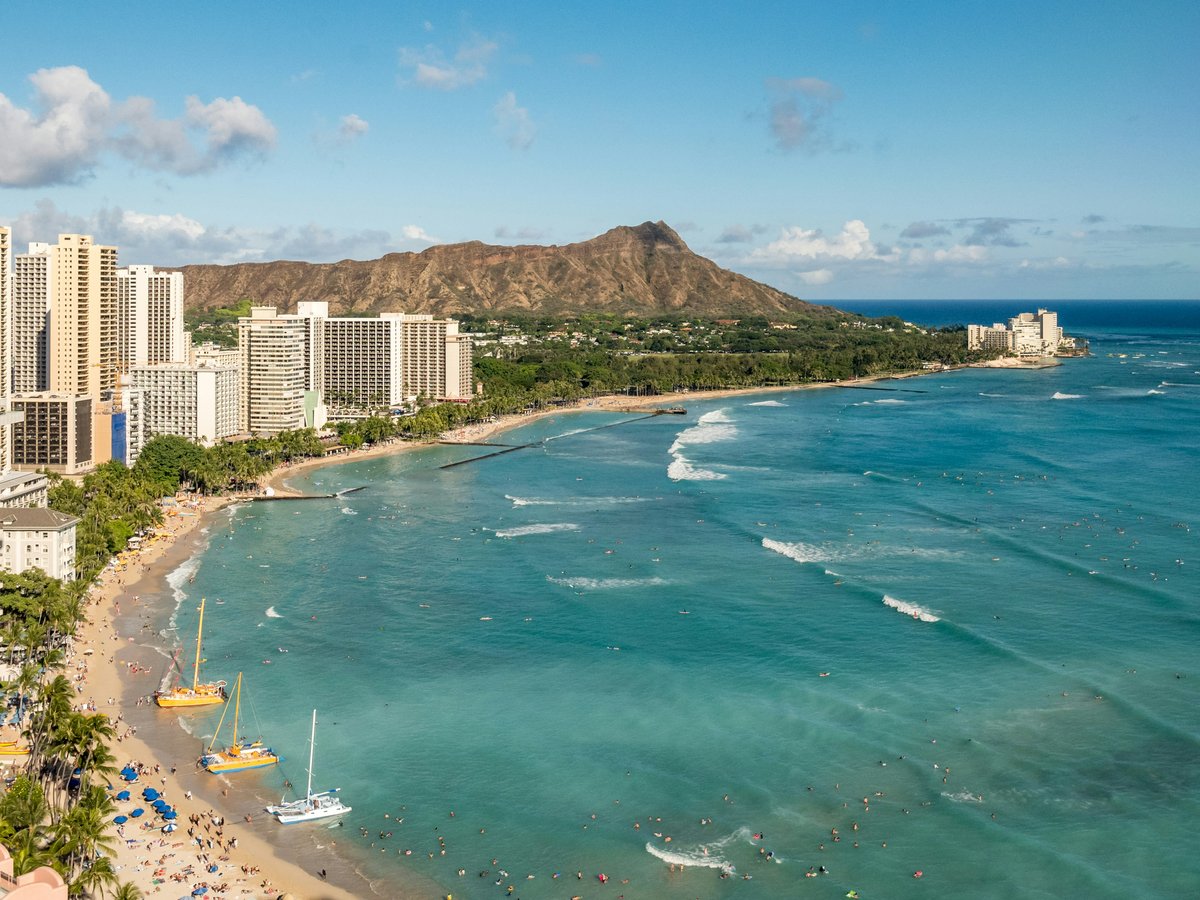
Never walk up to Diamond Head or Hanauma Bay without a booking. Out-of-state visitors need a timed Diamond Head reservation through Hawaii State Parks, at $5 a person plus $10 per car, and the 6am slot is the right one. If you flew in from the US mainland, you will likely be wide awake at 4am Hawaii time anyway, and by 10am the switchbacks on the crater trail throw heat back at you like a skillet. Hanauma Bay closes on Mondays and Tuesdays and charges non-residents $25; its tickets go online two days ahead at 7am HST and tend to sell out within minutes. Skip the rental car for your first three days: Waikiki hotels currently charge roughly $40 to $60 a night to park, and TheBus reaches Pearl Harbor, Ala Moana Center and Kapahulu Avenue for $3 a ride on a HOLO card. One rule matters on arrival day. TheBus accepts nothing larger than what fits on your lap or under the seat, so with a full-size suitcase, take a taxi or rideshare from Daniel K. Inouye International Airport, which will likely cost $45 to $55 to Waikiki.
In Hawaii, drowning kills more visitors than any other injury. Honolulu's solo-traveler safety score of 7.8/10 (see the TTDI Solo-Safety Index) reflects the streets, not the water. On a first trip, skip Sandy Beach in East Honolulu: its shorebreak cracks onto hard-packed sand, and lifeguards there deal with neck and spine injuries every season. Never swim in the Ala Wai Canal, which collects runoff from Manoa and Palolo and smells of wet mud after rain. That matters this week, because the October 8 evening reading showed light drizzle, 96% humidity and 24.8°C that felt like 28.2°C. Rain over the Koolau Range turns the Manoa Falls Trail into slick red mud, and flash floods there have stranded hikers. Leave nothing visible in a parked car at the Makapuu Point Lighthouse Trail lot: smash-and-grab break-ins at trailheads are the crime visitors run into most. NOAA asks you to keep 10 feet from green sea turtles and 50 feet from Hawaiian monk seals. Since January 2021, Hawaii has banned the sale of sunscreens containing oxybenzone or octinoxate.
Eating along Kalakaua Avenue is the other slow leak. The Cheesecake Factory at Royal Hawaiian Center draws hour-long lines for food you could get in Ohio, and Waikiki hotel luaus often charge $150 or more for kalua pig that tastes of the steam tray. Walk or ride 15 minutes up Kapahulu Avenue instead: Rainbow Drive-In has been open since 1961 and serves loco moco (rice, a hamburger patty, a fried egg and brown gravy) on a paper plate for a fraction of what a hotel charges. Leonard's Bakery has been on the same avenue since 1952, frying malasadas to order so the sugar crust still crackles and the dough steams when you tear one open. Many North Shore tours also stop at Dole Plantation in Wahiawa, about 40 minutes north of Waikiki. Skip it. The Pineapple Express is a 20-minute train ride past fields, and the soft-serve line often runs longer than the ride.
Tourist traps to skip
- Kalakaua Avenue activity booths offering cheap Pearl Harbor trips or a free luau (timeshare pitch)
- Third-party USS Arizona Memorial packages that resell the free Recreation.gov ticket
- Renting a car while staying in Waikiki ($40 to $60 a night hotel parking)
- The Cheesecake Factory at Royal Hawaiian Center
- Waikiki hotel luaus at $150 or more per person
- Dole Plantation stop on North Shore tours
- Sandy Beach shorebreak for inexperienced swimmers
- Swimming in the Ala Wai Canal
Common scams
- Kalakaua Avenue booths trading 'free' tours or $100 activity credit for a 90-minute timeshare presentation
- Pearl Harbor packages charging $50 or more for a USS Arizona Memorial ticket that costs a $1 reservation fee on Recreation.gov
- Paid bag-storage booth at Pearl Harbor that you avoid by leaving bags at the hotel
- Smash-and-grab break-ins at trailhead lots such as Makapuu Point Lighthouse Trail
Seasonal hazards
- Light drizzle, 96% humidity and 24.8°C feeling like 28.2°C on the evening of 2026-10-08
- Rain over the Koolau Range turns the Manoa Falls Trail to mud and can cause flash floods.
- The Diamond Head crater trail heats up fast after 10am, so we'd take the 6am reservation.
- USS Arizona Memorial boats can be cancelled in high wind.
- Hawaii hurricane season runs June 1 to November 30.
Last verified by automated review (v1.7.2) on . What is automated review?